The realm of underwater warfare and exploration has long been defined by the capabilities of its submarine fleets. Among these, the 400-class submarines represent a significant evolutionary leap, embodying the pinnacle of modern submarine technology. These vessels are not merely tools of military might; they are sophisticated platforms designed for a multitude of missions, from strategic deterrence and intelligence gathering to deep-sea research and humanitarian aid. The “Advanced 400 Class” designation signifies a generation of submarines that push the boundaries of stealth, endurance, firepower, and operational flexibility, setting new benchmarks in underwater platform design and deployment. Understanding the specifications of these advanced submarines offers a compelling insight into the future of naval power and oceanographic capabilities.
Stealth and Survivability: The Silent Hunter’s Edge
At the heart of any advanced submarine’s design lies its ability to remain undetected. The 400 Class excels in this regard, incorporating a suite of technologies that render it virtually invisible to enemy sensors. This paramount focus on stealth is not a single feature but a holistic approach integrated into every aspect of the vessel’s construction and operation.
Acoustic Signature Reduction
The most crucial element of submarine stealth is minimizing acoustic emissions. The 400 Class achieves this through a multi-pronged strategy. The hull design itself is optimized to reduce hydrodynamic noise; the shape is meticulously engineered to minimize turbulence and flow noise. This is further enhanced by an anechoic coating applied to the exterior. These specialized tiles are designed to absorb sonar pings rather than reflect them, effectively making the submarine “invisible” to active sonar. Beyond passive measures, the machinery spaces are isolated from the hull using advanced shock mounts and vibration dampeners. This includes the propulsion system, generators, and all auxiliary machinery, ensuring that internal operational noises are contained and do not propagate into the surrounding water. The propeller, a significant source of noise in older submarine designs, has also been re-engineered. Advanced blade designs, often employing contra-rotating propellers or pump-jet propulsors, significantly reduce cavitation, the formation of bubbles that generates distinctive acoustic signatures. The 400 Class often incorporates a non-nuclear propulsion system, typically advanced diesel-electric or fuel cell technology, which offers inherent acoustic advantages over nuclear power for certain operational profiles requiring extreme quietness.
Non-Acoustic Detection Evasion
While acoustic stealth is paramount, advanced submarines must also contend with other detection methods. The 400 Class incorporates measures to counter magnetic anomaly detection (MAD) and electromagnetic signature detection. Low-magnetic materials are used extensively in the hull construction and internal components, minimizing the submarine’s magnetic footprint. This is complemented by degaussing systems that actively cancel out the vessel’s magnetic field. Furthermore, sophisticated electronic countermeasures (ECM) and stealthy sensor management are employed to reduce the probability of detection by radar, infrared, and other non-acoustic sensors, especially when operating near the surface or periscope depth. The sensor masts themselves are designed with low-observable characteristics and can be retracted flush with the hull when not in use.
Operational Deception and Countermeasures
Beyond inherent stealth, the 400 Class is equipped with advanced decoys and countermeasures to confuse and evade potential threats. These can include acoustic decoys that mimic the submarine’s sound signature, towed sonar arrays that extend the submarine’s detection range while remaining deep and hidden, and sophisticated electronic warfare suites that can jam or spoof enemy sensors. The operational doctrine for these submarines emphasizes silent running, minimal emissions, and the judicious use of active sensors, maximizing the time spent in a state of maximum stealth.
For those interested in the specifications and capabilities of the I-400 class submarines, a related article can be found at this link: In the War Room. This article delves into the historical context and technological advancements of these formidable vessels, providing insights into their design, operational history, and impact during World War II.
Propulsion and Endurance: Sustained Presence Beneath the Waves

The operational effectiveness of any submarine is intrinsically linked to its ability to remain submerged for extended periods and to travel at strategic speeds. The propulsion and endurance capabilities of the Advanced 400 Class are designed to provide unparalleled operational flexibility and sustained presence.
Advanced Powerplants
The 400 Class typically employs a hybrid propulsion system, blending the advantages of conventional and advanced power sources. While specific configurations vary, common architectures include highly efficient diesel-electric systems supplemented by Air-Independent Propulsion (AIP) technologies. AIP systems, such as fuel cells or closed-cycle diesel engines, allow the submarine to operate submerged for weeks without needing to surface or snorkel to recharge batteries, a critical advantage for sustained stealth operations. Some variants may also integrate advanced battery technologies, like lithium-ion, offering higher energy density and faster charging capabilities. For roles requiring higher speeds or greater operational range, a nuclear variant might exist, providing virtually unlimited submerged endurance and high transit speeds. However, the “400 Class” designation often implies a focus on enhanced conventional or hybrid AIP technology, offering a balance of stealth, endurance, and reduced operational cost compared to nuclear propulsion.
Extended Submerged Operations
The integration of AIP and advanced battery systems allows the 400 Class to achieve significantly extended submerged patrol times. This means prolonged periods of intelligence gathering, anti-submarine warfare (ASW) operations, and strategic deterrence without the need for frequent resurfacing, which compromises stealth. The endurance is not merely measured in days but can extend into weeks or even months for certain mission profiles, allowing for persistent surveillance of critical areas or extended shadowing of adversary vessels. Fuel efficiency is also a key design parameter, ensuring that maximum operational time is achieved from available energy reserves.
Speed and Maneuverability
While stealth is paramount, the 400 Class also possesses respectable speed and maneuverability. The advanced hull design, coupled with powerful electric motors, allows for efficient cruising speeds and sufficient burst speeds for evasive maneuvers or rapid repositioning. The control surfaces and thrusters are optimized for precise handling, enabling the submarine to operate effectively in complex underwater environments, such as confined littoral waters or congested ocean straits. The ability to maintain station, execute precise turns, and respond quickly to changing tactical situations is crucial for both offensive and defensive operations.
Sensor and Combat Systems: Eyes and Teeth of the Underwater Realm
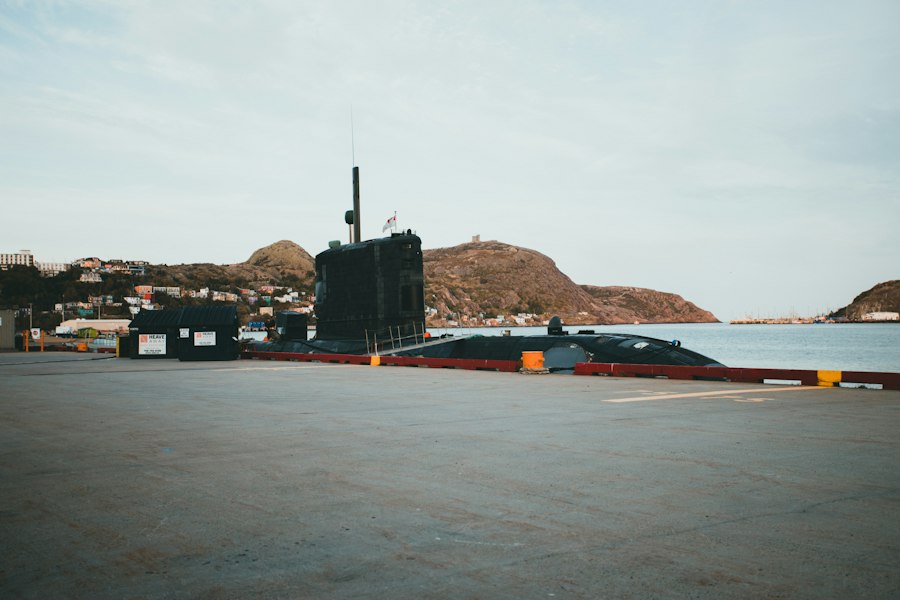
A submarine’s effectiveness in detecting threats and engaging targets hinges on the sophistication of its sensor suite and combat systems. The Advanced 400 Class is equipped with cutting-edge technology that provides unparalleled situational awareness and formidable offensive capabilities.
Advanced Sonar Systems
The primary sensors for any submarine are its sonar systems. The 400 Class features a highly integrated and sophisticated sonar suite encompassing passive and active arrays. These include flank arrays that extend along the hull, a bow array for forward-looking detection, and a towed array that can be deployed deep behind the submarine to provide long-range, high-resolution acoustic data. Modern sonar processing utilizes advanced algorithms, including artificial intelligence and machine learning, to classify targets, discriminate between various sound sources, and overcome complex acoustic environments. The passive sonar capability is particularly emphasized, allowing for extremely quiet detection of enemy vessels. Active sonar, while more revealing of the submarine’s presence, is used judiciously and with advanced modes designed to minimize detection probability.
Electronic Warfare and Communications
The 400 Class is equipped with a comprehensive electronic warfare (EW) suite. This includes advanced radar warning receivers (RWRs), electronic support measures (ESM) for detecting and analyzing enemy radar and communications signals, and electronic countermeasures (ECM) for jamming or spoofing hostile sensors. Secure and low-probability-of-intercept (LPI) communication systems are essential for maintaining connectivity without compromising stealth. These can include encrypted radio, satellite communications (SATCOM) systems with directional antennas that minimize emissions, and even experimental optical or acoustic communication methods for short-range, secure data exchange.
Weapon Systems and Launchers
The offensive punch of the 400 Class is delivered through a versatile array of weapon systems. Torpedo tubes are the primary armament, capable of launching a variety of modern heavyweight torpedoes. These can include anti-ship torpedoes, anti-submarine torpedoes, and even land-attack cruise missiles that can be fired from submerged positions. Vertical launch systems (VLS) may also be integrated into some 400 Class designs, allowing for the rapid deployment of land-attack cruise missiles or anti-air missiles, offering a significant increase in offensive flexibility and engagement options. The fire control system is highly automated, capable of tracking multiple targets, recommending optimal weapon solutions, and launching ordnance with speed and accuracy.
Command, Control, and Situational Awareness: The Brain of the Operation
Effective command and control (C2) are critical for any complex military platform, and the 400 Class submarine is no exception. Its C2 systems are designed to provide the commanding officer with a comprehensive and intuitive understanding of the operational environment, enabling swift and informed decision-making.
Integrated Combat Management System (CMS)
The heart of the 400 Class’s C2 capability is its highly integrated Combat Management System (CMS). This sophisticated software platform fuses data from all onboard sensors – sonar, radar, EW, visual, and navigation – into a unified tactical picture. The CMS presents this information to the crew on high-resolution displays, offering real-time situational awareness of friendly and hostile forces, the surrounding environment, and potential threats. The system supports automated threat detection, identification, and tracking, as well as the planning and execution of offensive and defensive actions. It also manages weapon systems, navigation, and communications, providing a centralized control interface.
Data Fusion and Networking
Modern submarines operate in increasingly complex information-rich environments. The 400 Class leverages advanced data fusion techniques to process and correlate information from diverse sources, both onboard and external. This allows for a more accurate and complete understanding of the tactical situation, reducing ambiguity and improving the probability of correct identification of targets. Network-centric warfare capabilities are also a key consideration, enabling the submarine to securely share tactical data with other friendly units, such as surface ships, aircraft, and other submarines, enhancing coordinated operations and overall force effectiveness.
Crew Interface and Automation
The human element remains crucial, but the design of the 400 Class’s C2 systems emphasizes intuitive user interfaces and intelligent automation. Control stations are ergonomically designed, minimizing crew workload and cognitive stress, especially during high-pressure situations. Automated functions handle routine tasks, such as sensor management and data logging, freeing up the crew to focus on higher-level decision-making and tactical maneuvering. Training and simulation play a vital role in ensuring that the crew can effectively utilize the advanced capabilities of the C2 system.
The specifications of the I-400 class submarines are quite fascinating, particularly when considering their role during World War II. These submarines were notable for their ability to carry aircraft, which was a significant advancement in naval warfare at the time. For a deeper understanding of their design and capabilities, you can explore a related article that delves into the intricacies of these submarines and their historical context. Check out this insightful piece on submarine technology to learn more about the innovations that defined the I-400 class.
Multi-Mission Capabilities: Beyond the Battlefield
| Specification | Details |
|---|---|
| Class | I-400 Class Submarine |
| Type | Submarine Aircraft Carrier |
| Displacement (surfaced) | 5,223 tons |
| Displacement (submerged) | 6,560 tons |
| Length | 122 meters (400 feet) |
| Beam | 12 meters (39 feet) |
| Draft | 7 meters (23 feet) |
| Speed (surfaced) | 18.7 knots |
| Speed (submerged) | 6.5 knots |
| Range (surfaced) | 37,500 nautical miles at 14 knots |
| Range (submerged) | 60 nautical miles at 3 knots |
| Test Depth | 100 meters (330 feet) |
| Armament | 8 x 533 mm torpedo tubes, 1 x 140 mm deck gun, 3 Aichi M6A Seiran aircraft |
| Aircraft Capacity | 3 Seiran floatplane bombers |
| Crew | 144 officers and men |
| Builder | Kawasaki Heavy Industries |
| Commissioned | 1944 |
While the 400 Class is undoubtedly a formidable military asset, its advanced specifications also lend themselves to a range of non-military applications, highlighting the versatility and dual-use potential of modern submarine technology.
Intelligence, Surveillance, and Reconnaissance (ISR)
The stealth and endurance of the 400 Class make it an ideal platform for clandestine ISR operations. It can loiter undetected in denied areas for extended periods, gathering intelligence on enemy military activities, infrastructure, and communications. The advanced sensor suite allows for passive collection of a vast amount of data, which can then be analyzed to provide invaluable strategic insights. This can range from monitoring shipping lanes to observing sensitive terrestrial activities from a covert underwater vantage point.
Special Operations Support
The 400 Class can act as a discreet insertion and extraction platform for special operations forces. Its ability to approach shorelines undetected and deploy or recover personnel and equipment makes it invaluable for clandestine missions, reconnaissance, and direct action operations. The submarine can also provide covert over-the-horizon targeting for strike missions conducted by other forces.
Scientific Research and Oceanography
The advanced sonar, sensor, and data recording capabilities of the 400 Class make it a premier platform for scientific research and oceanographic exploration. It can conduct deep-sea surveys, map the ocean floor, collect environmental data, and study marine life with unprecedented precision and minimal disturbance. The endurance of the vessel allows for long-duration scientific expeditions into remote and challenging underwater environments.
Humanitarian Aid and Disaster Relief
In times of crisis, the 400 Class can play a vital role in humanitarian aid and disaster relief operations. Its ability to operate independently of surface infrastructure allows it to reach disaster-stricken areas inaccessible to other vessels, transport supplies, conduct underwater assessments of damaged infrastructure, and even provide communications relays for isolated communities. The stealth capabilities can also be utilized for covert reconnaissance of disaster zones to assess needs and potential hazards.
In conclusion, the Advanced 400 Class submarine represents a significant milestone in underwater technology. Its unparalleled stealth, extended endurance, sophisticated combat systems, and versatile multi-mission capabilities position it as a dominant force in modern naval strategy and a valuable asset for a wide array of critical operations, both military and civilian. These vessels are the embodiment of technological innovation, pushing the boundaries of what is possible beneath the waves.
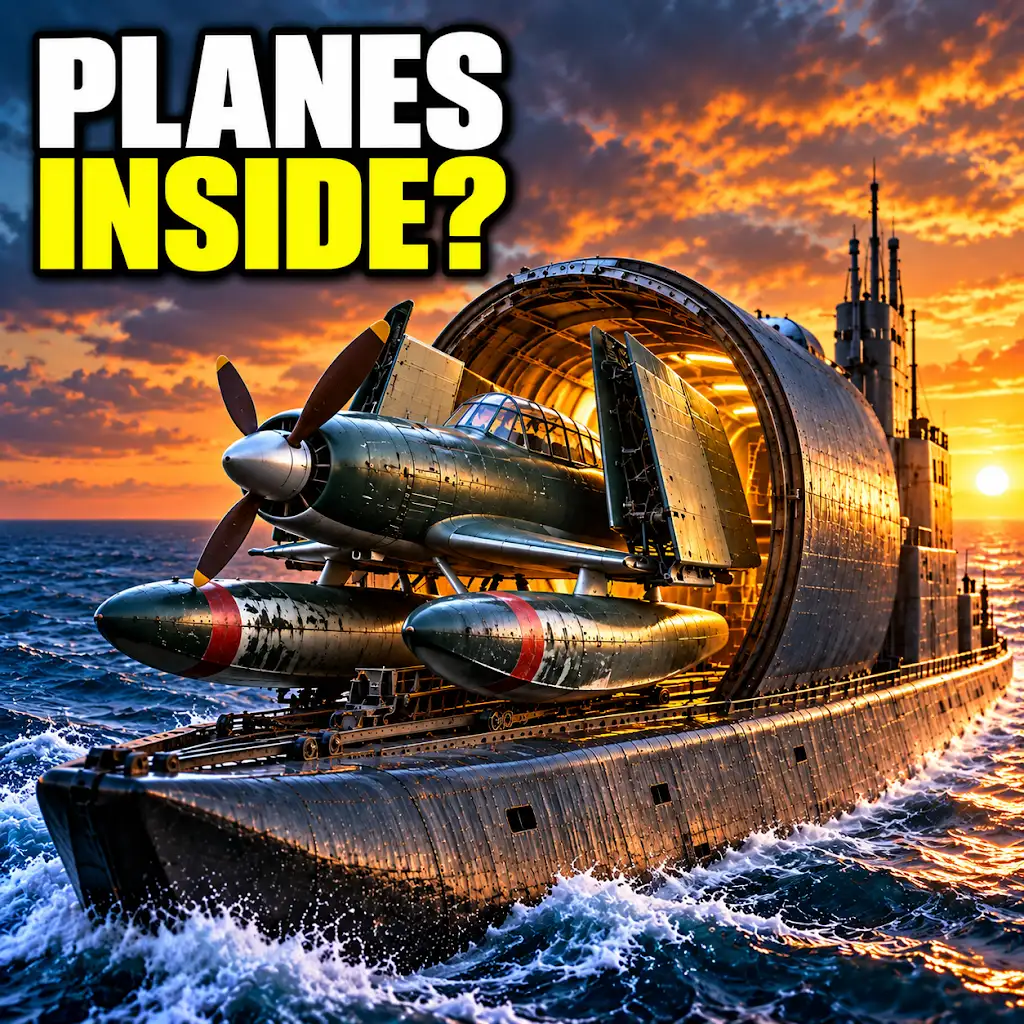
Japan Built a Submarine That Could Launch Three Planes
FAQs
What are the specifications of the I-400 class submarine?
The I-400 class submarine was a type of Japanese submarine used during World War II. It had a length of 122 meters, a beam of 12 meters, and a draft of 7.5 meters.
How many crew members could the I-400 class submarine accommodate?
The I-400 class submarine could accommodate a crew of up to 144 members.
What was the maximum speed of the I-400 class submarine?
The I-400 class submarine had a maximum speed of 18.75 knots (34.73 km/h) when submerged and 6.5 knots (12.04 km/h) when surfaced.
What was the range of the I-400 class submarine?
The I-400 class submarine had a range of 37,500 nautical miles (69,450 km) at a speed of 16 knots (30 km/h) when surfaced.
What was the armament of the I-400 class submarine?
The I-400 class submarine was equipped with eight torpedo tubes and could carry up to 3 aircraft for reconnaissance or bombing missions.