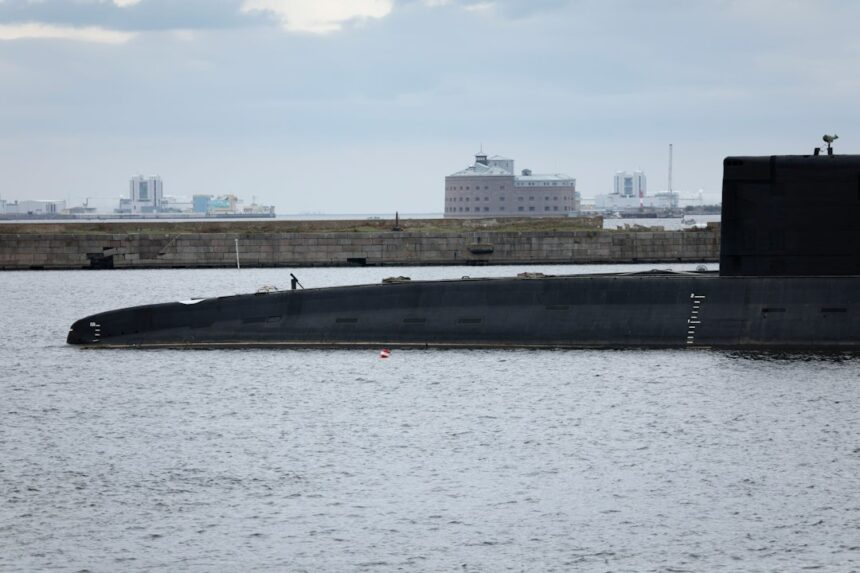
The quiet hum of Japanese naval innovation has long been a subject of intrigue. While many associate the nation’s defense posture with its impressive fleet of surface vessels and its commitment to advanced missile technology, the submarine program operates with a similar, albeit more discreet, dedication to technological excellence and strategic positioning. For decades, Japan’s underwater capabilities have been a cornerstone of its Self-Defense Forces, evolving from a modest post-war necessity to a sophisticated force projection tool. This article delves into the evolution, current state, and future trajectory of Japan’s submarine program, unveiling some of its closely guarded secrets and strategic implications.
The Genesis of Underwater Power: Post-War Foundations
The roots of Japan’s modern submarine force can be traced back to the aftermath of World War II. Disarmed and demilitarized, the nation began the arduous process of rebuilding its defense capabilities under the guidance of the United States. The initial focus was on homeland defense and maritime patrol, with the establishment of the Maritime Self-Defense Force (JMSDF) in 1954. Submarines, though a sensitive topic given Japan’s wartime history, were recognized as crucial for intelligence gathering, anti-submarine warfare (ASW), and maintaining a deterrent presence in its vast maritime territories.
Early Acquisitions and Technological Learning
The early days of Japan’s submarine program were characterized by reliance on foreign designs and technology transfer. The United States, as Japan’s primary security partner, played a significant role in this initial phase. The first submarines acquired were essentially licensed builds of American designs, allowing Japanese engineers and technicians to gain invaluable experience in submarine construction and operation. These early vessels, while rudimentary by today’s standards, laid the groundwork for a domestic shipbuilding industry capable of supporting a more advanced submarine fleet in the future. The focus was on learning, adapting, and understanding the core principles of submarine design, propulsion, and combat systems. This period was marked by a strong emphasis on quality control and a meticulous approach to naval engineering, traits that would become hallmarks of the Japanese defense industry. The lessons learned during this era of dependency were critical for fostering self-reliance in subsequent decades.
The Birth of Indigenous Design: The Oyashio-class Precedent
A pivotal moment in the development of Japan’s submarine program was the shift towards indigenous design and construction. While initial imports provided essential knowledge, true strategic autonomy necessitated the development of vessels tailored to Japan’s specific operational requirements. The Oyashio-class submarines, commissioned starting in the late 1990s, represented a significant leap forward. These diesel-electric submarines were larger, more advanced, and incorporated cutting-edge technologies developed and integrated by Japanese companies. They were designed for extended endurance, improved stealth capabilities, and enhanced combat effectiveness. The Oyashio-class marked a departure from reliance on foreign blueprints, demonstrating Japan’s growing technical prowess and its ability to innovate within the challenging domain of submarine warfare. This class served as a vital stepping stone, proving the JMSDF’s capacity to design, build, and operate highly capable submarines independently, setting the stage for the even more sophisticated platforms that would follow.
Recent developments in Japan’s submarine program have sparked significant interest, especially following the revelations about its advanced capabilities and strategic intentions. For a deeper understanding of these secrets and their implications for regional security, you can read a related article that delves into the details of Japan’s naval advancements and their potential impact on international relations. For more information, visit this article.
The Modern Submarine Fleet: Stealth, Endurance, and Advanced Capabilities
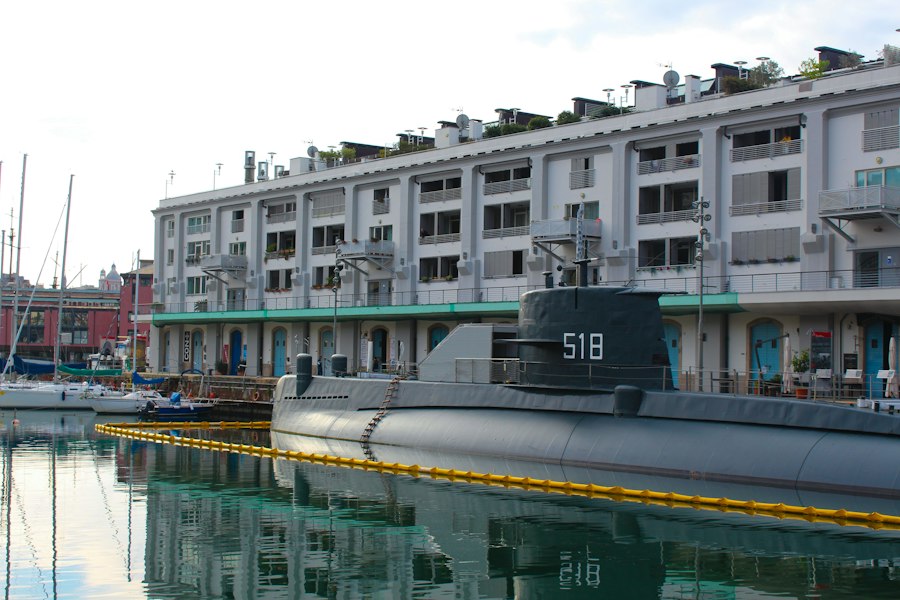
Today, Japan operates one of the most advanced and potent submarine fleets in the world. The JMSDF’s submarine force is characterized by its emphasis on stealth, endurance, and the integration of sophisticated sonar and weapons systems. These vessels are not merely defensive assets; they are crucial components of Japan’s broader maritime security strategy, capable of projecting power and conducting complex operations in a contested environment. The continuous modernization of the fleet reflects Japan’s unwavering commitment to maintaining a qualitative edge in underwater warfare.
The Sōryū-class: A Benchmark in Diesel-Electric Technology
The Sōryū-class submarines, which began entering service in 2009, represent the pinnacle of Japan’s diesel-electric submarine technology. These submarines are renowned for their exceptionally low acoustic signatures, a direct result of advanced hull design, noise reduction technologies, and meticulous construction practices. A key innovation in the Sōryū class is the incorporation of Air-Independent Propulsion (AIP) systems, specifically Stirling engines. AIP technology allows these submarines to operate submerged for significantly longer periods without needing to surface or snorkel to recharge their batteries, dramatically enhancing their stealth and operational flexibility. This capability is critical for extended patrols, intelligence gathering, and evading detection by enemy ASW forces. The Sōryū-class submarines are equipped with advanced sonar suites, allowing them to detect and track adversaries with remarkable precision. Their armament includes modern torpedoes and anti-ship missiles, making them a formidable threat to any surface or subsurface adversary. The design and performance of the Sōryū class have garnered significant international attention, with several navies reportedly considering similar technologies for their own submarine programs.
The Taigei-class: Pushing the Boundaries of Innovation
Building upon the success of the Sōryū class, Japan has introduced the Taigei-class submarines, representing the next generation of its underwater capabilities. Commissioned starting in 2020, these vessels further refine and enhance the technologies found in their predecessors. While specific details remain classified, it is understood that the Taigei class incorporates advancements in AIP technology, possibly exploring new forms of propulsion or improved efficiency. Furthermore, there is a strong focus on enhanced combat systems, including more advanced sonar processing, improved communication systems, and potentially new weapon payloads. The integration of artificial intelligence and machine learning in sensor data analysis and tactical decision-making is also likely a key area of development for the Taigei class, aiming to provide the submarine commander with unparalleled situational awareness and rapid response capabilities. The Taigei-class submarines are designed to operate seamlessly within an integrated network of JMSDF assets, contributing to a more cohesive and effective maritime defense.
Advanced Sonar and Combat Systems: The Eyes and Ears Underwater
Central to the effectiveness of any submarine program is its ability to detect and engage adversaries while remaining undetected itself. Japan’s submarine program has consistently prioritized the development and integration of sophisticated sonar systems. These systems employ advanced signal processing techniques to differentiate between natural ambient noise and the acoustic signatures of submarines, surface vessels, and even marine life. The passive sonar arrays are designed to listen with extreme sensitivity, while active sonar can be employed for precise localization when necessary, albeit with a higher risk of detection. The integration of these sonar capabilities with advanced combat management systems allows for the rapid analysis of tactical data and the timely deployment of countermeasures or offensive weapons. Japan’s submarine combat systems are also designed to be highly adaptable, allowing for the integration of new weapons and sensors as technology evolves, ensuring the fleet remains relevant and lethal for decades to come.
Strategic Significance: Deterrence, Regional Stability, and Intelligence Gathering
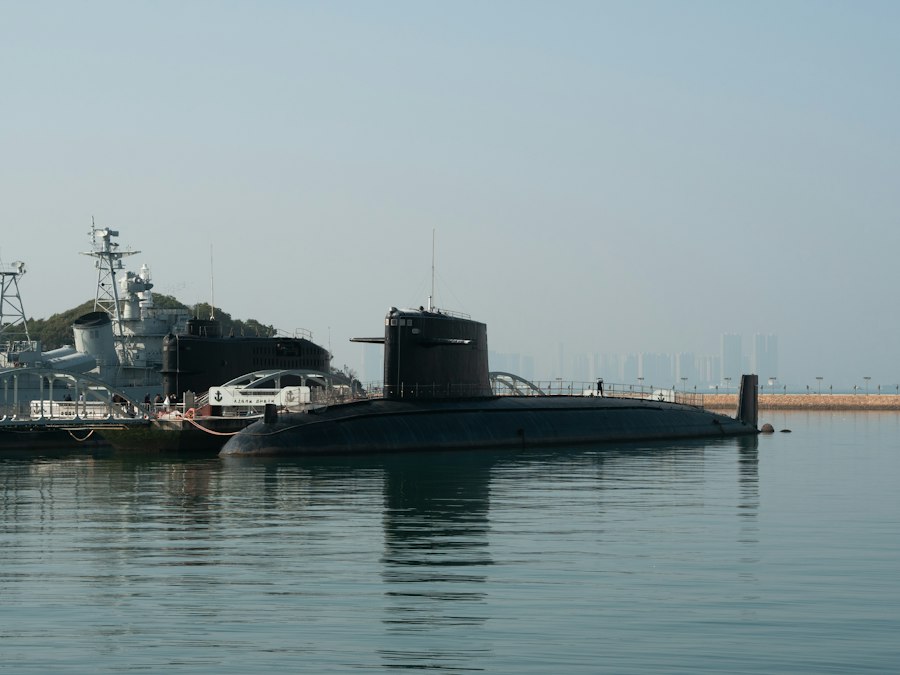
Japan’s submarine program is not merely about building advanced vessels; it is intrinsically linked to its strategic objectives and its role in maintaining regional stability. In an increasingly complex geopolitical landscape, Japan’s underwater capabilities provide a crucial layer of deterrence, bolster its intelligence-gathering capacity, and contribute to the collective security of its allies. The discreet nature of submarine operations makes them ideal for a variety of sensitive missions.
Deterrence in the Indo-Pacific
The presence of a capable and stealthy submarine force serves as a significant deterrent against potential aggression in the Indo-Pacific region. Japan’s submarine fleet, with its extended endurance and advanced detection avoidance capabilities, can operate in contested waters, presenting a credible threat to any adversary contemplating hostile actions. The ability to conduct covert patrols and maintain a persistent presence in key maritime chokepoints adds a layer of strategic depth to Japan’s defense posture. This deterrent effect is not just about military might; it is also about signaling resolve and a commitment to protecting its territorial integrity and national interests. The silent, unseen nature of submarines makes them a uniquely potent tool for dissuading potential aggressors without necessarily escalating tensions through overt deployments of surface fleets.
Intelligence, Surveillance, and Reconnaissance (ISR)
Submarines are exceptionally well-suited for intelligence, surveillance, and reconnaissance (ISR) missions. Their ability to operate submerged for extended periods allows them to gather vital information on the movements and activities of other nations’ naval forces without being detected. This intelligence is crucial for understanding the operational landscape, identifying potential threats, and informing strategic decision-making. Japan’s submarine force plays a critical role in monitoring activities in its surrounding waters, including the East China Sea and the waters around the Senkaku Islands, which are subject to territorial disputes. The data collected by these submarines provides invaluable insights into the regional maritime environment, contributing to Japan’s overall situational awareness and its ability to respond effectively to emerging challenges.
Contribution to Allied Security and Freedom of Navigation
Japan’s submarine program is a vital component of its alliances, particularly its security treaty with the United States. The interoperability of Japanese and American naval forces, including their submarine capabilities, enhances the collective security of the region. Joint exercises and training operations allow for the seamless integration of these assets, demonstrating a unified front against potential threats. Furthermore, Japan’s submarine operations contribute to the broader principle of freedom of navigation in international waters. By maintaining a visible and capable presence, these submarines help to ensure that vital sea lanes remain open and accessible for global trade and commerce, a cornerstone of international stability. The transparency of Japan’s defense spending and its commitment to international norms further solidify its role as a responsible maritime power.
The Future of Japan’s Submarine Program: Emerging Technologies and Evolving Threats
The landscape of naval warfare is constantly evolving, and Japan’s submarine program is positioned to adapt and innovate in response to emerging threats and technological advancements. The JMSDF is actively exploring new technologies and strategic concepts to ensure its underwater capabilities remain at the forefront of naval power. The focus is on enhancing stealth, increasing operational autonomy, and integrating with networked warfare concepts.
Unmanned Underwater Vehicles (UUVs) and Autonomous Systems
A significant area of future development for Japan’s submarine program is the integration of Unmanned Underwater Vehicles (UUVs) and other autonomous systems. UUVs can perform a wide range of tasks, from mine detection and clearance to intelligence gathering and seabed mapping, often in environments too dangerous or inaccessible for manned submarines. These autonomous systems can operate in conjunction with manned submarines, extending their operational reach and providing additional layers of surveillance and reconnaissance. The development of advanced AI for UUVs will allow them to operate with greater independence and adapt to complex operational scenarios. This integration represents a paradigm shift in underwater warfare, enabling more flexible and resilient operations.
Next-Generation Propulsion and Power Sources
While current Japanese submarines excel with AIP technology, research and development are likely ongoing for even more advanced propulsion systems. This could include advancements in lithium-ion battery technology for increased energy density and longer submerged endurance, or potentially even exploring nascent nuclear propulsion technologies, although this remains a highly sensitive and politically complex issue for Japan. The pursuit of next-generation power sources is driven by the need to achieve greater operational range, higher speeds, and reduced acoustic signatures, all crucial for maintaining a strategic advantage in future naval conflicts. The exploration of novel energy solutions is a testament to Japan’s forward-thinking approach to defense innovation.
Enhanced Networking and Cyber Warfare Integration
In the modern era of warfare, seamless integration and information superiority are paramount. Japan’s submarine program is increasingly focusing on enhancing its networking capabilities, allowing submarines to communicate and share data with other naval assets, as well as land-based command centers, in near real-time. This networked approach enables a more coordinated and effective response to threats. Furthermore, the program is likely investing in robust cyber warfare defenses and capabilities. Submarines, like all modern military platforms, are vulnerable to cyber attacks, and ensuring the integrity of their command, control, and communication systems is essential for operational success and national security. The ability to operate within a secure, interconnected digital battlespace will be a defining characteristic of future submarine operations.
Recent developments regarding Japan’s submarine program have sparked significant interest, particularly after secrets were revealed that could reshape regional security dynamics. For those looking to delve deeper into this topic, an insightful article can be found at In the War Room, which discusses the implications of these revelations and their potential impact on Japan’s defense strategy. As tensions in the Asia-Pacific region continue to evolve, understanding Japan’s military advancements becomes increasingly crucial for analysts and policymakers alike.
The Global Impact: Technology Transfer and Regional Arms Dynamics
| Metric | Details |
|---|---|
| Program Name | Japan Submarine Development Initiative |
| Number of Submarines | 22 (planned by 2030) |
| Submarine Class | Taigei-class (latest) |
| Stealth Technology | Advanced anechoic coatings and hull design |
| Propulsion System | Air-independent propulsion (AIP) system |
| Maximum Diving Depth | Approximately 650 meters |
| Operational Range | Over 10,000 kilometers |
| Armament | Type 89 torpedoes and UGM-84 Harpoon missiles |
| Secret Capabilities | Enhanced sonar systems and electronic warfare suites |
| Program Start Year | Early 2000s |
Japan’s advancements in submarine technology have not gone unnoticed on the global stage. The nation’s commitment to innovation and its focus on achieving high levels of performance and stealth have influenced naval design and procurement decisions worldwide. While Japan primarily focuses on its own defense needs, the technological breakthroughs emanating from its submarine program have a broader ripple effect on regional and global arms dynamics.
Influence on International Naval Procurement
The reputation of Japanese-built submarines, particularly their stealth capabilities and the effectiveness of their AIP systems, has led to significant international interest. While direct arms sales of submarines are complex and subject to strict regulations, the technological advancements demonstrated by Japan have undoubtedly influenced the design considerations of other naval powers. Navies around the world are seeking to achieve similar levels of acoustic quietness and submerged endurance, prompting research and development efforts that may draw inspiration from Japanese innovations. This influence is subtle but significant, shaping the future of submarine technology on a global scale.
Balancing Regional Military Modernization
Japan’s robust submarine program is part of a broader trend of military modernization occurring across the Indo-Pacific region. While Japan’s focus is on defensive capabilities and maintaining regional stability, its advancements contribute to the complex regional arms dynamics. The development of increasingly sophisticated underwater capabilities by multiple nations necessitates constant vigilance and strategic assessment from all actors. Japan’s transparent approach to its defense capabilities, coupled with its strong diplomatic ties, aims to foster a sense of security and predictability within the region, even as military modernization continues. The emphasis remains on deterrence and the maintenance of a stable balance of power.
The Role of Secrecy and Transparency
The development of advanced submarine technology inherently involves a degree of secrecy. Certain operational details, performance specifications, and technological innovations are closely guarded to maintain a strategic advantage. However, Japan also maintains a degree of transparency regarding its defense spending and the general capabilities of its Self-Defense Forces, contributing to regional confidence-building measures. This balance between necessary secrecy and public accountability is crucial for navigating the complexities of international security. The unveiling of secrets within Japan’s submarine program is a gradual process, often revealed through carefully managed public announcements, defense white papers, and international defense exhibitions, allowing for a controlled dissemination of information. The ongoing evolution of Japan’s submarine program underscores its commitment to national security and its vital role in shaping the future of maritime defense.
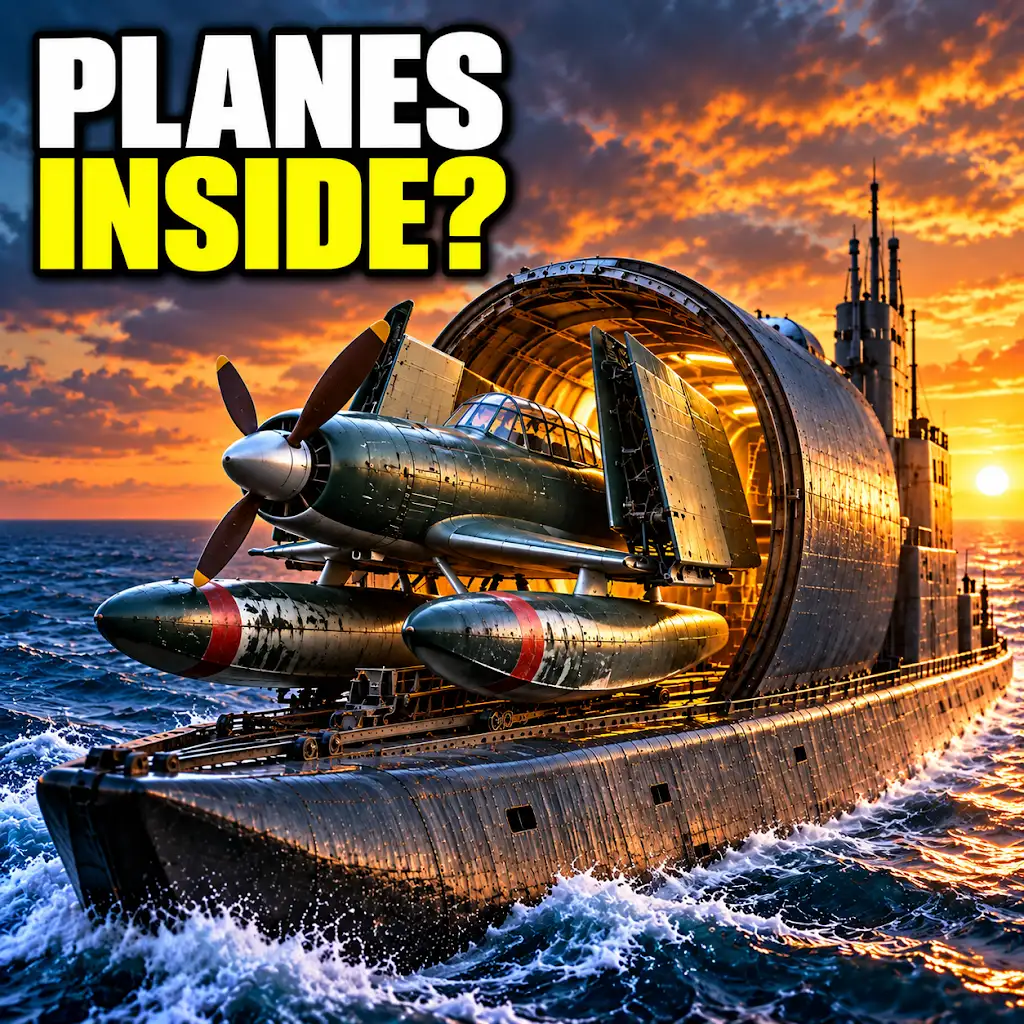
Japan Built a Submarine That Could Launch Three Planes
FAQs
What is the Japan submarine program?
The Japan submarine program refers to the development and operation of submarines by the Japanese Maritime Self-Defense Force (JMSDF) for national defense purposes.
What are some key secrets revealed about the Japan submarine program?
Some key secrets revealed about the Japan submarine program include details about the advanced technology used in the submarines, the strategic capabilities of the submarines, and the training and operations of submarine crews.
How does the Japan submarine program contribute to national security?
The Japan submarine program plays a crucial role in enhancing Japan’s national security by providing a deterrent against potential threats, conducting surveillance and reconnaissance missions, and participating in joint military exercises with allies.
What are the challenges faced by the Japan submarine program?
Challenges faced by the Japan submarine program include budget constraints, technological advancements by potential adversaries, and the need to maintain a skilled workforce of submariners.
How does the Japan submarine program compare to other countries’ submarine programs?
The Japan submarine program is considered one of the most advanced in the world, with a focus on stealth, endurance, and advanced weaponry. It is often compared to submarine programs in countries such as the United States, China, and Russia.