The Divided City: A Stage for Shadow Wars
The year 1945 marked not the end of conflict for Berlin, but its brutal, icy metamorphosis. As the dust settled from World War II, the city, divided amongst the victorious Allied powers, became the epicenter of a new, chilling struggle: the Cold War. Unlike the kinetic battles of the previous conflict, this war was fought in the shadows, in hushed whispers, and with the constant, gnawing fear of annihilation. Berlin, the literal and symbolic heart of this ideological divide, transformed into a vast, sprawling chessboard where intelligence agencies from the East and West engaged in a perpetual, high-stakes game of espionage. The infamous Berlin Wall, erected in 1961, wasn’t just a physical barrier; it was a stark monument to the division that fueled an unprecedented era of spycraft, where every citizen could be a potential pawn, and every alleyway a potential trap.
The city’s unique geopolitical status, split into four sectors – American, British, French, and Soviet – created a fertile ground for clandestine operations. While the Western sectors operated with a degree of cooperation, the Soviet sector remained a heavily guarded fortress of communist ideology, a stark contrast to the democratic ideals championed by the West. This inherent friction, this palpable ideological chasm, provided the perfect breeding ground for the germination of intricate spy networks. Information was currency, and in Berlin, it was a currency desperately sought by both sides. The proximity of the Soviet bloc to the Western sectors, and vice versa, meant that intelligence gathered in one could have immediate and profound implications for the other. The very fabric of daily life in Berlin became interwoven with the machinations of intelligence agencies. From the bustling Kurfürstendamm to the desolate no-man’s-land patrolled by border guards, every corner of the city held potential secrets, waiting to be unearthed by those willing to risk everything. The constant presence of military personnel, diplomats, and a population navigating the precarious realities of division ensured a steady supply of potential targets and operatives.
During the Cold War, Berlin became a hotbed of espionage activities, with spies from both East and West engaging in covert operations that shaped the geopolitical landscape of the time. A fascinating article that delves into the intricacies of this espionage era is available at In the War Room, where you can explore the various tactics employed by intelligence agencies and the impact of these clandestine operations on the lives of ordinary Berliners.
Architects of Deception: The Agencies at Play
The Cold War in Berlin was orchestrated by a constellation of formidable intelligence agencies, each with its own distinct modus operandi and strategic objectives. On the Western side, the primary players were the Central Intelligence Agency (CIA) of the United States, the Secret Intelligence Service (SIS), commonly known as MI6, of the United Kingdom, and the Direction Générale de la Sécurité Extérieure (DGSE) of France. These organizations, while ostensibly working towards a common goal of containing Soviet influence, often had their own internal rivalries and approaches to intelligence gathering. Their primary mission was to understand the intentions and capabilities of the Soviet Union and its satellite states, to disrupt their operations, and to gather any information that could provide a strategic advantage.
The Eastern bloc, dominated by the formidable Committee for State Security (KGB) of the Soviet Union, and its counterparts in East Germany like the Ministry for State Security (Stasi), operated with a chilling efficiency and a ruthless dedication to the communist cause. The Stasi, in particular, cultivated an unparalleled network of informants, a pervasive surveillance system that reached into every facet of East German life. Their objective was to maintain internal control, suppress dissent, and counter Western intelligence efforts with extreme prejudice. The operational theaters for these agencies were vast, encompassing not only direct human intelligence gathering but also technical surveillance, counterintelligence operations, and the manipulation of information. The stakes were astronomically high, with the potential for global conflict hanging precariously in the balance. The sheer scale of operations meant that Berlin became a magnet for spies from all corners of the globe, drawn by the allure of critical intelligence and the thrill of the dangerous game.
The CIA’s Berlin Operations: From Tunnel Dreams to Agent Networks
The CIA’s presence in Cold War Berlin was characterized by ambition, innovation, and a sometimes-audacious willingness to take risks. Operating out of the relative security of the American sector, the agency established extensive networks of agents and informants within East Berlin and the Soviet bloc. Their efforts ranged from the meticulous recruitment of disillusioned officials and scientists to the daring deployment of clandestine technical surveillance operations. The agency was particularly interested in understanding the Soviet military build-up and their technological advancements, especially in the field of rocketry and nuclear weapons. The psychological warfare aspect was also crucial, with propaganda efforts and the dissemination of information aimed at undermining Soviet morale and bolstering Western resolve.
Operation Gold and the Subterranean War
Perhaps the most audacious and iconic CIA operation in Berlin was Operation Gold, later codenamed Operation Silver. Launched in conjunction with MI6 in 1953, it involved the construction of a massive tunnel stretching over 1,500 feet from the American sector under the demarcation line into East Berlin. The purpose of this incredible feat of engineering was to tap into Soviet and East German communication lines, allowing the Allies to eavesdrop on a vast amount of encrypted traffic. The tunnel, a marvel of Cold War ingenuity, was equipped with state-of-the-art listening devices and allowed Western intelligence to intercept sensitive military and political communications for an extended period. The sheer audacity of digging a tunnel beneath the nose of the Soviet military was a testament to the lengths to which the Western powers were willing to go. The operation was a significant intelligence coup, providing invaluable insights into Soviet intentions and capabilities, though its eventual betrayal and compromise highlighted the constant cat-and-mouse game of espionage.
MI6’s British Ingenuity: Precision and Subtlety
MI6, the British Secret Intelligence Service, approached the Berlin espionage landscape with a characteristic blend of precision, subtlety, and a deep understanding of human psychology. While often working in conjunction with the CIA, MI6 maintained its own independent operations, focusing on cultivating high-level sources within the Soviet hierarchy and gathering information on political and economic developments. The British were particularly adept at recruiting individuals with access to sensitive information, leveraging their diplomatic channels and cultural ties to foster trust and gain access. Their operations often involved intricate tradecraft, emphasizing careful observation, discreet meetings, and the secure transmission of intelligence.
The Art of the Double Agent
A key aspect of MI6’s strategy in Berlin involved the sophisticated use of double agents. These were individuals who were either working for the East and were secretly turned by the British, or vice versa. The recruitment and management of double agents required immense skill and a deep understanding of motivation, enabling MI6 to feed disinformation to the enemy while simultaneously extracting genuine intelligence. The success of these operations depended on the careful vetting of agents, the creation of plausible cover stories, and the meticulous planning of communications and exfiltration routes. The inherent risk of exposure was immense, yet the potential reward of gaining direct insight into the enemy’s inner workings made these operations invaluable.
The KGB and Stasi’s Shadow Network: The Watchful Eye of the East
On the other side of the Wall, the KGB and its East German counterpart, the Stasi, operated a vast and deeply entrenched intelligence apparatus designed to both protect the Soviet bloc from external threats and maintain absolute control within their territories. The Stasi, under the infamous leadership of Erich Mielke, was notorious for its pervasive surveillance and its extensive network of informants, often referred to as “inoffizielle Mitarbeiter” (unofficial collaborators). These informants, drawn from all walks of life, provided the Stasi with an unprecedented level of insight into the daily lives and thoughts of East German citizens, as well as any suspicious activities involving foreigners.
The Stasi’s Pervasive Informant System
The Stasi’s reliance on a vast network of informants was a cornerstone of its success and its terror. Millions of East Germans were coerced or persuaded to spy on their neighbors, colleagues, and even family members. This created an atmosphere of pervasive distrust and paranoia, where genuine dissent was stifled, and any deviation from the prescribed ideological path could lead to severe repercussions. The Stasi meticulously documented every piece of information, building detailed files on millions of individuals. This system allowed them to identify potential threats, control the narrative, and maintain a tight grip on power. Their focus was not solely on external threats; the internal security of the German Democratic Republic was paramount, and the informant network was their primary tool.
The Wall Itself: A Monument to Division and a Target for Escape
The construction of the Berlin Wall on August 13, 1961, was a seismic event that irrevocably altered the city’s landscape and intensified the espionage game. No longer was the border a porous membrane, albeit heavily guarded; it was now a formidable, concrete barrier, designed to stem the tide of East Germans fleeing to the West. This physical manifestation of the Iron Curtain transformed Berlin into an even more potent symbol of the Cold War divide and created a new, urgent imperative for intelligence agencies: facilitating escapes and preventing them. The Wall became a grim testament to the ideological chasm, a scar across the heart of Europe, and a constant source of tension and clandestine activity.
The erection of the Wall immediately escalated the efforts of Western agencies to help East Germans seeking freedom. They developed intricate plans, utilizing tunnels, disguised vehicles, and even daring aerial operations to spirit individuals across the heavily fortified border. Conversely, the East German authorities and their Soviet handlers redoubled their efforts to secure the Wall, employing advanced surveillance technology, increasing border guard patrols, and planting sophisticated traps to thwart escape attempts. The very structure of the Wall, with its watchtowers, minefields, and armed patrols, became a constant challenge and a focal point for intelligence operations. The desperation of those seeking to escape, and the ruthless determination of those seeking to prevent them, created a constant undercurrent of danger and intrigue along the Wall’s formidable length.
Ingenious Escape Routes: Tunnels and Tales of Bravery
The desire for freedom proved to be a powerful motivator, leading to a series of ingenious and often heroic escape attempts from East to West Berlin. Intelligence agencies, both official and ad-hoc, were instrumental in many of these endeavors. The most famous methods involved the construction of tunnels, dug secretly from basements in East Berlin to emerge in the West. These were often massive undertakings, requiring considerable resources, courage, and precise timing. One such tunnel, Tunnel 57, saw over 57 people escape to the West in a single night. Other methods included using modified vehicles with hidden compartments, hot air balloons, and even tightrope walks across the Wall.
The Human Element: Spies as Smugglers
Beyond the elaborate engineering feats, the human element of espionage played a critical role in facilitating escapes. Many agents, operating under deep cover, used their access and skills to act as smugglers of individuals. These weren’t just about data; they were about lives. These operatives had to navigate the treacherous landscape of the border, evade Stasi patrols, and ensure the safety of those they were guiding. The risks were immense, not only for the escapees but also for the agents themselves, who faced severe penalties if caught. The stories of these individuals, often unsung heroes, highlight the profound human cost of the divided city and the moral complexities of the spy game.
The Art of Deception: Misinformation and Psychological Warfare
In the clandestine world of Cold War Berlin, information was not merely gathered; it was weaponized. Misinformation, disinformation, and propaganda were as crucial to the intelligence arsenal as any spy novel’s clandestine meeting. Both sides understood the power of shaping perceptions, sowing doubt, and influencing public opinion. The battle for hearts and minds was waged as fiercely as any on the battlefield, and Berlin, with its divided populace and its position as a Western outpost in the East, was the perfect theater for this psychological warfare.
The objective was multifaceted: to undermine the enemy’s resolve, to bolster domestic support, and to influence international perceptions. This involved everything from the subtle manipulation of news reports to the outright dissemination of fabricated intelligence. The constant struggle for ideological supremacy meant that the truth often became a casualty of the Cold War, buried beneath layers of carefully constructed narratives and calculated deceits. The effectiveness of these operations depended on their subtlety and their ability to exploit existing anxieties and biases.
Planting Seeds of Doubt: Propaganda and Psyops
The CIA and KGB, along with their respective allies, engaged in extensive propaganda and psychological operations (psyops). Western agencies worked to broadcast pro-democratic messages into East Berlin and to highlight the perceived failures of the communist system. This often involved clandestine radio broadcasts, leaflets, and the subtle dissemination of information through trusted channels. Conversely, Soviet agencies focused on portraying the West as decadent, aggressive, and unstable, aiming to sow discord and undermine Western influence. This was particularly important in shaping the narratives presented to their own populations and to the developing nations caught in the ideological crossfire.
The Double-Edged Sword of Forged Documents
The creation and dissemination of forged documents were a common tactic employed by both sides. These could range from fabricated intelligence reports designed to mislead the enemy into making costly strategic errors to forged identity papers that aided in the infiltration or exfiltration of agents. The effectiveness of such forgeries relied on their technical sophistication and their ability to pass muster with enemy intelligence analysts. However, the very act of creating and distributing forgeries was fraught with peril. Discovery could lead to the compromise of agents, the disruption of operations, and a significant loss of credibility. The constant cat-and-mouse game of verifying authenticity and exposing deception was a perpetual challenge for intelligence agencies.
Cold War Berlin was a hotbed of espionage, where intelligence agencies from both East and West engaged in a dangerous game of cat and mouse. The city’s divided landscape provided the perfect backdrop for covert operations, with spies utilizing everything from hidden tunnels to coded messages. For those interested in exploring this fascinating topic further, a related article can be found at this link, which delves into the intricate web of espionage that defined an era.
The Enduring Legacy: Echoes of the Spy Games
| Metric | Details |
|---|---|
| Time Period | 1945 – 1990 |
| Key Espionage Agencies | CIA (USA), KGB (USSR), MI6 (UK), Stasi (East Germany) |
| Number of Known Spy Cases | Over 200 documented cases |
| Famous Spy Operations | Operation Gold, Berlin Tunnel, U-2 Spy Flights |
| Number of Agents Arrested in Berlin | Approximately 50-70 |
| Primary Espionage Methods | Dead drops, secret radio transmissions, surveillance, double agents |
| Significant Espionage Locations | Checkpoint Charlie, Brandenburg Gate, Berlin Wall sectors |
| Impact on Cold War Relations | Heightened tensions, intelligence breakthroughs, diplomatic crises |
Though the Berlin Wall fell in 1989 and the Cold War formally ended with the dissolution of the Soviet Union in 1991, the legacy of espionage in Cold War Berlin continues to resonate. The city, once a cauldron of suspicion and clandestine activity, has largely transformed, with the scars of division fading and new narratives emerging. Yet, the stories of the spies, the agents, the double agents, and the ordinary citizens caught in the crossfire offer a profound glimpse into a unique and dangerous chapter of human history. The bravery, the ingenuity, and the moral ambiguities of these operations continue to fascinate and inform, reminding us of the profound impact that intelligence gathering and covert action can have on the course of nations.
The lessons learned from Berlin’s spy games have had a lasting impact on modern intelligence practices. The sophisticated tradecraft, the emphasis on technical surveillance, and the understanding of psychological warfare developed during this era continue to be relevant. Furthermore, the human stories of sacrifice, betrayal, and courage serve as enduring reminders of the personal toll exacted by these shadow conflicts. The city itself, with its museums dedicated to the Wall and its history of division, stands as a physical testament to the era, offering visitors a tangible connection to the world of spies and secrets that once defined its very essence. The echoes of the spy games in Cold War Berlin serve as a stark reminder of the fragility of peace and the enduring allure of the clandestine world.
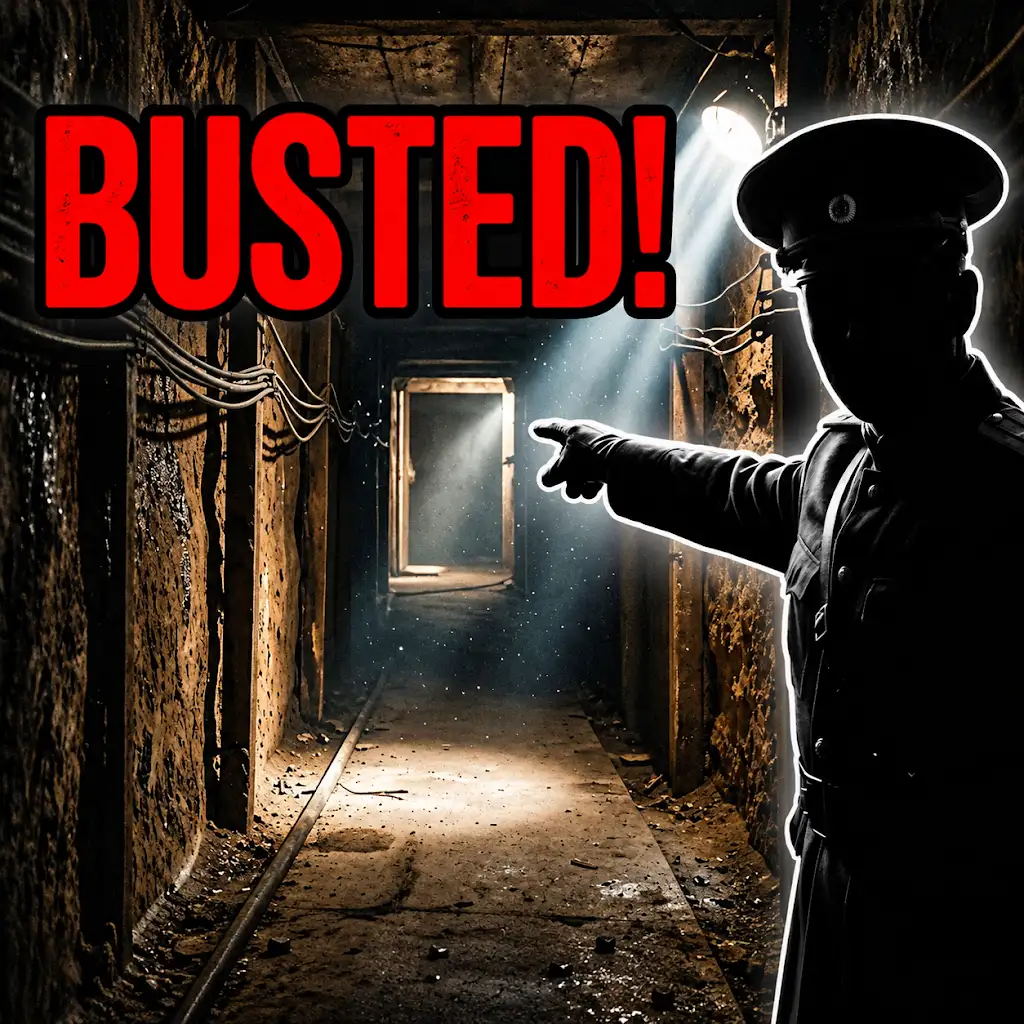
Operation Gold: The Day the Soviets Busted the CIA’s Secret Tunnel
FAQs
What was the role of Berlin in Cold War espionage?
Berlin was a major hotspot for espionage during the Cold War due to its divided status between East and West. Both sides used the city as a battleground for intelligence gathering and covert operations.
Which intelligence agencies were active in Cold War Berlin?
Various intelligence agencies were active in Cold War Berlin, including the CIA, KGB, Stasi, MI6, and BND. These agencies conducted espionage operations to gather information on each other’s activities.
What were some common espionage tactics used in Cold War Berlin?
Common espionage tactics used in Cold War Berlin included wiretapping, surveillance, infiltration, propaganda, and the use of double agents. These tactics were employed by both the East and West to gain an advantage in the intelligence war.
How did the Berlin Wall impact espionage activities during the Cold War?
The construction of the Berlin Wall in 1961 made espionage operations more challenging for both sides. The wall physically divided the city, making it harder for agents to move between East and West Berlin and increasing the risks involved in conducting espionage activities.
What were some famous espionage incidents that took place in Cold War Berlin?
Some famous espionage incidents that took place in Cold War Berlin include the tunnel operations conducted by the CIA and MI6 to tap into Soviet communication lines, the defection of KGB officer Oleg Gordievsky to the West, and the Stasi’s monitoring of East German citizens and foreign diplomats.