The quiet hum of a computer, the click of a mouse, and the faint glow of a screen can, for many, be the gateway to a profound and deeply personal journey of discovery. Genetic genealogy, once a niche pursuit, has blossomed into a powerful tool, allowing individuals to connect with their ancestral past in ways previously unimaginable. It transcends the limitations of paper records, uncovering obscured branches of family trees and revealing the intricate tapestry of human migration and interrelation. This modern exploration of heritage harnesses the biological blueprint etched within our DNA, transforming abstract notions of lineage into tangible, verifiable connections.
Unearthing the Biological Blueprint
The foundation of genetic genealogy lies in the analysis of an individual’s DNA. This is not a peek into the secrets of one’s future, but rather a window into the past, specifically into the inherited patterns passed down through generations. Unlike genealogical research that relies on documentary evidence – birth certificates, marriage licenses, census records – genetic genealogy taps into the very code that makes us who we are, providing a biological record that can be cross-referenced with the historical narrative.
The Science of Inheritance: Autosomal, Y-DNA, and Mitochondrial DNA
At its core, genetic genealogy leverages different types of DNA, each telling a unique story about ancestry. Autosomal DNA, inherited from both parents, is the most commonly tested and provides the broadest view of recent ancestry, typically spanning back five to seven generations. It is the primary tool for identifying relatives through shared DNA segments. Y-DNA, on the other hand, is exclusively passed down from father to son, tracing the direct paternal line. This type of testing is invaluable for understanding surname origins and tracing paternal lineage back hundreds of thousands of years. Mitochondrial DNA (mtDNA) is inherited from the mother and passed down through all her children, regardless of gender. Like Y-DNA, it traces a direct maternal line and can also reveal ancient migration patterns. Understanding the distinct inheritance patterns of these DNA types is crucial for interpreting results and embarking on a targeted genealogical quest.
The Power of the Database: Matching with Relatives
The magic of genetic genealogy truly ignites when an individual’s DNA is uploaded to a large database. These databases, populated by millions of users, act as vast repositories of genetic information. When two individuals share a statistically significant amount of DNA, it indicates a shared common ancestor. The larger the database, the higher the probability of finding distant cousins or closer relatives whose genealogical research might complement your own, or vice versa. These matches, ranging from close cousins with whom you share recent ancestors to more distant relatives who might reveal ancient connections, are the breadcrumbs leading back through time. The interpretation of these matches involves analyzing the number of centimorgans (cM) shared, which provides an estimate of the genealogical distance.
Navigating the Digital Landscape: Popular Testing Companies and Their Offerings
Several prominent companies have emerged as leaders in the field of genetic genealogy. AncestryDNA, 23andMe, MyHeritage, and FamilyTreeDNA are among the most popular choices for consumers. Each offers a slightly different approach to DNA testing and database integration. AncestryDNA boasts the largest database of consumer DNA results, often leading to a higher number of relative matches. 23andMe provides not only genealogical insights but also delves into health predispositions and ancestral origins from a broader global perspective. MyHeritage is particularly strong in its European database and offers robust tools for building family trees and connecting with users worldwide. FamilyTreeDNA specializes in Y-DNA and mtDNA testing, catering to those seeking to trace very deep ancestral lines. The choice of testing company often depends on the user’s specific goals and desired depth of ancestral exploration.
Genetic genealogy has become a powerful tool for individuals seeking to uncover their family history and connect with long-lost relatives. A related article that delves deeper into the intricacies of this fascinating field can be found at this link. It explores various methods and technologies used in genetic testing, as well as personal stories of those who have successfully traced their ancestry through DNA analysis.
Bridging the Gaps in Traditional Genealogy
For many, the journey into genetic genealogy begins when traditional methods hit a wall. Paper trails can be lost, records incomplete, or individuals may have been adopted, leaving them with significant gaps in their known family history. Genetic genealogy acts as a powerful bridge, providing clues and connections that can unlock these mysteries and weave a more complete narrative.
The Adopted Individual’s Quest for Identity
The experience of adoption often leaves individuals with profound questions about their biological heritage. Genetic genealogy offers a unique and often life-changing pathway to discovering biological parents, siblings, and extended family. The shared DNA matches can provide direct leads, allowing adoptees to initiate contact and learn about their origins. This can be an emotionally charged but ultimately deeply rewarding experience, providing answers to long-held questions and the possibility of forming new family bonds. The process requires sensitivity and careful communication, as individuals may have varied levels of readiness for such discoveries.
Rekindling Lost Connections: Branches on the Family Tree
Beyond adoption, genetic genealogy is instrumental in uncovering “lost branches” of the family tree. These might be relatives from whom communication has ceased, branches that were never documented, or even entire lines of descent that were unknown. Sharing DNA with individuals who have documented their lineage can provide the missing pieces needed to extend one’s own family tree. It’s a collaborative effort where individuals contribute their genetic data and genealogical research, collectively building a more comprehensive understanding of their shared ancestry. This can reveal surprising connections to individuals who have made significant historical contributions or simply shed light on the everyday lives of ancestors who might otherwise have remained unknown.
Verifying and Expanding Existing Family Trees
Even for those with extensive family trees built through traditional research, genetic genealogy offers a powerful tool for verification and expansion. DNA matches can confirm existing research, providing biological validation for documented relationships. Simultaneously, new matches can reveal previously unknown relatives, suggesting new lines of inquiry and research avenues. This iterative process of combining documentary evidence with genetic information allows for a more robust and accurate reconstruction of family history. It can also help to resolve genealogical puzzles, such as identifying the parents of an ancestor when their birth records are unclear or nonexistent.
Beyond the Immediate: Exploring Deeper Ancestry
While identifying recent relatives is a primary draw, genetic genealogy also offers the fascinating possibility of exploring ancestry that stretches back hundreds, even thousands, of years. By analyzing specific markers within the Y-DNA and mtDNA, researchers can gain insights into ancient migration patterns and the origins of human populations.
Tracing Ancient Migrations Through Y-DNA and mtDNA
The Y-chromosome and mitochondrial DNA are subject to fewer mutations over time compared to autosomal DNA, making them ideal for tracing deep ancestral origins. Specific Y-DNA haplogroups, for instance, can indicate a paternal lineage that originated in a particular ancient population group, suggesting migration paths that span continents and millennia. Similarly, mtDNA haplogroups reveal the deep maternal ancestral origins. By comparing an individual’s haplogroup with those found in populations around the world, researchers can reconstruct ancient journeys and understand how human populations spread across the globe. This provides a grand narrative of human history, placing individual lineages within a much larger, epic context.
Understanding Ethnic Origins: The Nuances of Ancestral Admixture
Genetic genealogy services provide estimates of ancestral admixture, breaking down an individual’s DNA into percentages attributed to various geographic regions and ethnic groups. These ethnicity estimates are based on comparing an individual’s DNA to reference panels of individuals with known ancestral origins. While these estimates are valuable for understanding broad ancestral patterns, it’s important to acknowledge their inherent limitations. They are estimations, and as reference panels grow and analytical methods improve, these percentages can be refined. Furthermore, historical migrations and intermingling of populations mean that ancestry is rarely confined to a single neat category. Understanding these nuances is key to interpreting ethnicity results accurately.
Connecting to Shared Human Heritage
At its most profound, genetic genealogy reminds us of our shared human heritage. The scientific understanding of human origins, tracing back to Africa, is reinforced by the genetic connections revealed through these tests. Regardless of current geographical location or perceived ethnic identity, the DNA analysis ultimately points to a common ancestry that binds all humanity. This realization can foster a sense of global connection and a deeper appreciation for the diversity that has arisen from shared origins.
The Ethical and Practical Considerations
As with any powerful tool, genetic genealogy comes with a set of ethical and practical considerations that individuals must navigate. Privacy, data security, and the potential emotional impact of discoveries are all crucial aspects to address.
Privacy and Data Security: Protecting Your Genetic Information
The information contained within a DNA sample is highly personal. Genetic genealogy companies have a responsibility to protect this data from unauthorized access and misuse. Users should carefully review the privacy policies of the companies they choose to use, understanding how their data will be stored, used, and shared. Anonymization and encryption are important safeguards, but the evolving landscape of data privacy requires ongoing vigilance and informed decision-making. The potential for genetic data to be used for purposes beyond genealogy, such as by insurance companies or law enforcement, is a growing concern that users should be aware of.
The Emotional Landscape of Discovery: Preparing for Surprises
Discovering family through genetic genealogy can be an overwhelmingly positive experience, but it can also bring unexpected and challenging emotions. Discovering unknown siblings, half-siblings, or learning about ancestral secrets can be emotionally taxing. It’s important to approach these discoveries with an open mind and to be prepared for a range of feelings. Seeking support from family, friends, or even professional counselors can be beneficial when navigating complex emotional landscapes. The process can be a catalyst for healing, reconciliation, and personal growth, but it requires emotional resilience.
Interpreting Results: The Importance of Context and Collaboration
Genetic genealogy results are not always straightforward. Understanding the science behind the tests, the limitations of ethnicity estimates, and the nuances of DNA matching is essential for accurate interpretation. Collaborating with experienced genealogists or participating in online communities can provide valuable support and guidance. Furthermore, the most comprehensive understanding of one’s ancestry often comes from combining genetic findings with traditional genealogical research. A DNA match might provide a clue, but documentary evidence is often needed to confirm relationships and flesh out family stories.
Genetic genealogy has become an invaluable tool for individuals seeking to uncover their family history and connect with long-lost relatives. A fascinating article on this topic can be found at In the War Room, where it explores the various methods and technologies that have emerged in recent years. By utilizing DNA testing and online databases, many people have successfully traced their ancestry and discovered new branches of their family tree, leading to heartwarming reunions and a deeper understanding of their heritage.
The Future of Family Discovery
| Metric | Description | Typical Range/Value | Notes |
|---|---|---|---|
| DNA Test Types | Types of genetic tests used in genealogy | Autosomal, Y-DNA, mtDNA | Autosomal tests are most common for family finding |
| Average Shared DNA (cM) | Centimorgans shared between relatives | Parent-Child: ~3400 cM 1st Cousins: ~850 cM 2nd Cousins: ~200 cM |
Used to estimate relationship closeness |
| Match Threshold | Minimum shared DNA to be considered a match | Typically 7 cM or higher | Lower thresholds increase false positives |
| Database Size | Number of profiles in genealogy databases | Millions (e.g., 20M+ in major databases) | Larger databases increase match chances |
| Success Rate | Percentage of users finding new family connections | Estimated 30-50% | Varies by database and user effort |
| Time to Identify Relatives | Average time from testing to finding relatives | Weeks to months | Depends on data quality and research skills |
| Common Tools Used | Software and platforms for analysis | GEDmatch, FamilyTreeDNA, AncestryDNA | Many offer chromosome browsers and trees |
Genetic genealogy is a rapidly evolving field, with ongoing advancements in scientific understanding, technological capabilities, and the growth of databases. The future promises even more profound insights into our ancestral past.
Technological Advancements and Future Possibilities
As sequencing technology becomes more sophisticated and affordable, the depth and accuracy of genetic analysis will undoubtedly improve. Future developments may include the ability to analyze more detailed aspects of DNA, such as epigenetic markers or even microbiome data, potentially offering new layers of ancestral insight. Advances in artificial intelligence and machine learning are also likely to enhance the ability to interpret complex genetic data and identify distant relationships with greater precision. This continuous innovation will unlock new avenues for genealogical exploration.
The Growing Role of Genetic Genealogy in Historical Research
Beyond personal discovery, genetic genealogy is increasingly being recognized as a valuable tool for historical research. It can help to confirm or refute historical narratives, shed light on migration patterns of ancient populations, and even contribute to forensic investigations. By analyzing DNA from historical artifacts or skeletal remains, researchers can gain unprecedented insights into the lives and movements of our ancestors, enriching our understanding of human history. This interdisciplinary approach is bridging the gap between genetics and the humanities.
A Continuing Journey of Self-Discovery and Connection
Ultimately, genetic genealogy is more than just a scientific endeavor; it is a deeply human journey of self-discovery and connection. It allows individuals to explore their roots, understand their place in the grand tapestry of humanity, and forge meaningful connections with their past and with each other. As the field continues to grow and evolve, it will undoubtedly continue to shape how we understand ourselves, our families, and our shared ancestral story, offering a continuous and enriching exploration of what it means to be human.
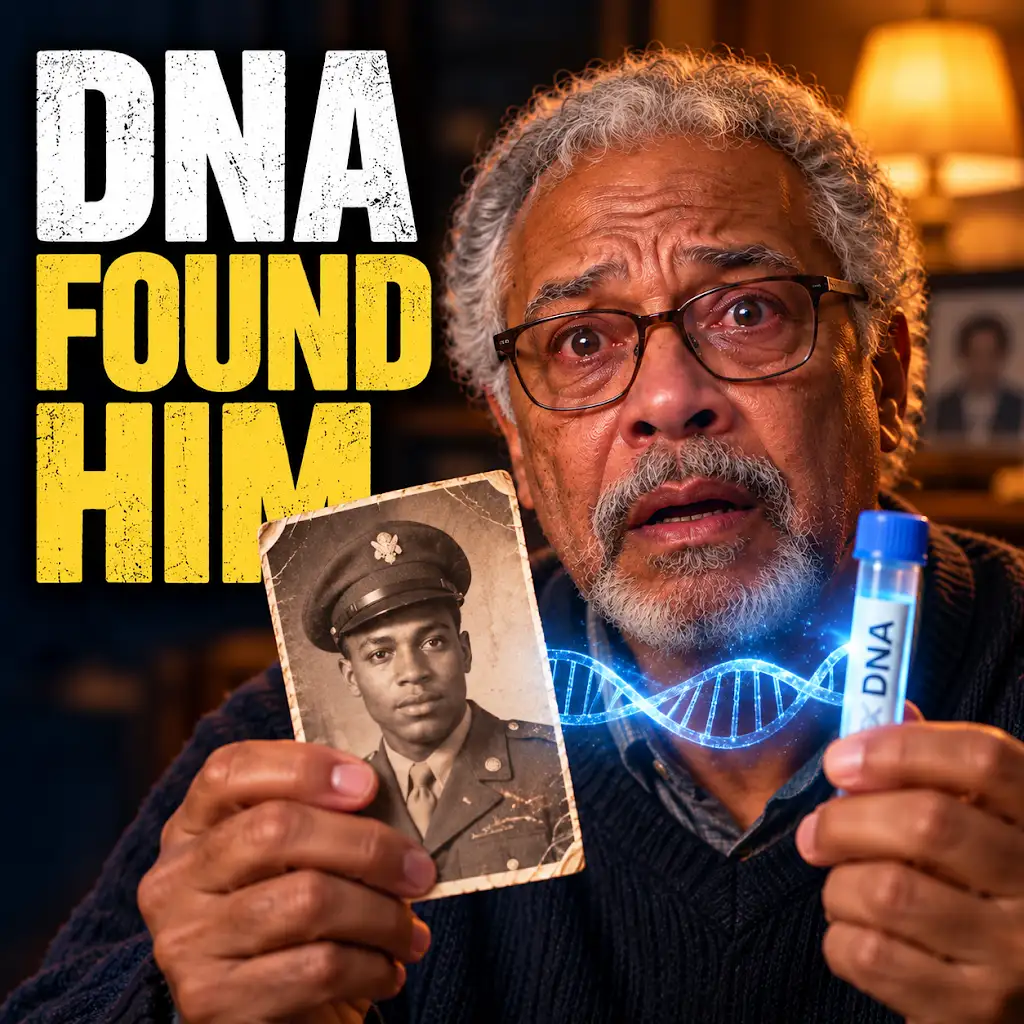
His WWII GI Father Was a Mystery for Nearly 80 Years
FAQs
What is genetic genealogy?
Genetic genealogy is the use of DNA testing in combination with traditional genealogical and historical records to infer relationships between individuals.
How can genetic genealogy help in finding family members?
Genetic genealogy can help in finding family members by identifying genetic matches with other individuals who have taken DNA tests, allowing for connections to be made with relatives who share common ancestors.
What are the different types of DNA tests used in genetic genealogy?
The main types of DNA tests used in genetic genealogy are autosomal DNA tests, Y-DNA tests, and mitochondrial DNA tests. Autosomal DNA tests are the most common and provide information on both maternal and paternal lines, while Y-DNA tests trace the direct paternal line and mitochondrial DNA tests trace the direct maternal line.
How accurate is genetic genealogy in finding family connections?
Genetic genealogy can be highly accurate in finding family connections, especially when combined with traditional genealogical research. However, it is important to consider factors such as the size of the DNA database, the quality of the matches, and the depth of the family tree when interpreting results.
Are there any privacy concerns with genetic genealogy testing?
There are privacy concerns with genetic genealogy testing, as DNA data can reveal sensitive information about individuals and their relatives. It is important to carefully review the privacy policies of testing companies and consider the potential risks before taking a DNA test for genealogical purposes.