The Shadowy Arts: CIA Technical Operations in the Cold War
The Cold War was a geopolitical chessboard where nations maneuvered not just with armies and diplomacy, but with a sophisticated arsenal of espionage, deception, and clandestine action. At the heart of the United States’ efforts to counter Soviet influence lay the Central Intelligence Agency (CIA), and within its vast operational spectrum, technical operations stood as a particularly ingenious and often terrifying facet. These were the silent weapons, the invisible intrusions, the meticulously crafted illusions that aimed to disrupt, gather intelligence, and shape events from the shadows, all without leaving a traceable footprint back to Washington. Unveiling these covert missions offers a glimpse into the ingenious, ethically complex, and at times, deeply unsettling methods employed during this era of existential rivalry.
The very concept of “technical operations” within the CIA encompassed a broad range of activities, far beyond the romanticized image of trench-coated spies. It involved the development and deployment of cutting-edge technology, often pushed to its absolute limits, to achieve strategic objectives. This included everything from sophisticated eavesdropping devices and miniature cameras to elaborate disguises, forgeries, and even the manipulation of information itself. The goal was not always direct confrontation, but often subtle subversion, creating an environment where Soviet ambitions could be undermined, or crucial insights gained into their plans and capabilities. These operations were the unseen engine of American foreign policy, operating with a level of secrecy that meant even many within the government were unaware of their full scope. The ingenuity displayed by the CIA’s technical wizards was, in many ways, a testament to the desperation and determination to maintain an advantage in a world teetering on the brink of nuclear annihilation.
During the Cold War, the CIA’s technical operations played a crucial role in intelligence gathering and covert activities, utilizing advanced technology to monitor adversaries and support U.S. interests. For a deeper understanding of these operations and their impact on global events, you can read a related article that explores the intricacies of CIA’s technical capabilities during this tense period. Check it out here: CIA Technical Operations in the Cold War.
Innovations Born of Necessity: The Technological Arms Race in Espionage
The intense ideological and military rivalry of the Cold War directly fueled an unprecedented technological arms race, a race that extended beyond the realms of missile defense and bomber fleets into the clandestine world of intelligence gathering and subversion. The CIA, as the nation’s premier intelligence agency, was at the forefront of this technological evolution, constantly seeking to develop and deploy innovative tools to gain an edge over its Soviet adversaries. This relentless pursuit of technological superiority was not merely about staying abreast of Soviet capabilities; it was about creating entirely new avenues for intelligence collection and operational impact, often pushing the boundaries of what was thought possible.
Breaking the Codes: Cryptography and Signals Intelligence
One of the most critical technical domains for any intelligence agency is the ability to intercept and decipher the communications of adversaries. During the Cold War, this translated into a monumental effort in cryptography and signals intelligence (SIGINT). The Soviets, like the Americans, relied heavily on encrypted messages for their military, diplomatic, and intelligence communications. The challenge for the CIA was to not only intercept these transmissions but to break the complex ciphers that protected them. This required a sophisticated blend of mathematical expertise, linguistic analysis, and immense computing power – a nascent form of what would later be known as cybersecurity.
The success in breaking Soviet codes provided invaluable insights into their strategic intentions, troop movements, and internal deliberations. Projects like breaking the Soviet “SIGSALY” cipher, an early digital encryption system, were monumental achievements. The continuous development of more advanced encryption algorithms by the Soviets necessitated an equally relentless pursuit of decryption techniques by the CIA. This ongoing battle of wits, fought in the realm of mathematics and algorithms, was a silent but crucial front in the Cold War, allowing the U.S. to anticipate and react to Soviet maneuvers with a significant degree of foresight. The technical teams involved in SIGINT worked in extreme secrecy, often utilizing massive, room-sized computers that would seem primitive by today’s standards, yet were revolutionary in their time. Their work was the unseen bedrock upon which many strategic decisions were made.
Miniature Marvels: The Rise of Covert Surveillance Devices
The need to gather intelligence discreetly led to the development of an array of miniaturized surveillance devices, a testament to the ingenuity of CIA engineers and technicians. The ability to plant or deploy devices that could capture audio or visual information without detection was paramount. These innovations ranged from tiny microphones capable of being hidden in everyday objects to sophisticated cameras that could operate remotely or be disguised as innocuous items. The goal was to observe and record conversations, activities, and environments within secure or sensitive locations, providing actionable intelligence that would otherwise be inaccessible.
These devices were not merely theoretical concepts; they were meticulously engineered and deployed in a wide variety of operational contexts. Imagine a pen that could record conversations, a button that housed a miniature camera, or a wall-penetrating microphone disguised as a common fixture. The technical challenges were immense, involving power sources, signal transmission, and robust miniaturization, all while ensuring reliability in often hostile environments. The development of these “spy gadgets” was a constant cat-and-mouse game with Soviet counter-surveillance capabilities, requiring continuous innovation and adaptation. The ethical implications of such widespread surveillance were often overshadowed by the perceived existential threat, but the technological prowess displayed in this arena was undeniable.
Illusion and Deception: The Art of Forgery and Disguise
Beyond direct surveillance, technical operations also encompassed the realm of illusion and deception, employing sophisticated methods to mislead adversaries, disseminate propaganda, or create plausible deniability. Forgery played a significant role, from creating fake documents and identification papers for agents operating behind enemy lines to fabricating evidence to sow discord or discredit individuals and organizations. The meticulous nature of these forgeries required an understanding of historical printing techniques, paper types, ink compositions, and even the subtle nuances of official seals and signatures. The aim was to create an authentic-looking artifact that would withstand scrutiny.
Furthermore, the art of disguise and impersonation was elevated to a technical discipline. This involved not just altering physical appearance with makeup and prosthetics, but also adopting mannerisms, accents, and behavioral patterns to convincingly blend into different social strata or professional environments. Agents were trained in languages, customs, and specific trades to facilitate their deep cover operations. The technical aspect involved the careful selection and application of materials for prosthetics, the development of specialized clothing that could conceal equipment, and the precise research required to emulate authentic identities. These operations were designed to create a mirage, a carefully constructed reality that allowed agents to operate undetected and influence events from within the shadows.
Engineering Operations: From Microdots to Microphones
The operational demands of the Cold War spurred the development of a vast array of specialized technical capabilities within the CIA. These operations were not abstract concepts; they were tangible, meticulously planned endeavors that relied on the precise application of engineering principles and technological innovation. The “how” behind many covert actions often involved intricate technical solutions designed to overcome significant obstacles and achieve seemingly impossible objectives.
The Invisible Ink and Microdot Revolution
The need to transmit sensitive information discreet
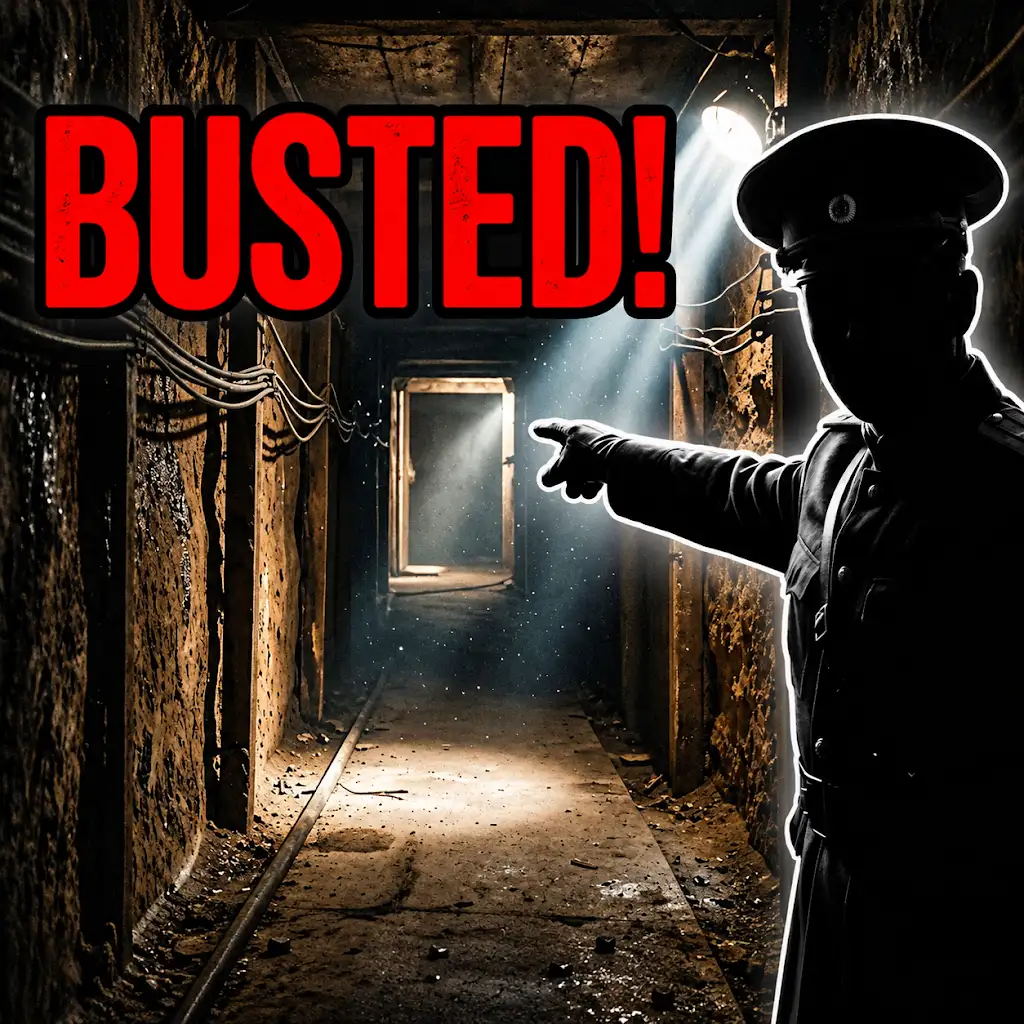
Operation Gold: The Day the Soviets Busted the CIA’s Secret Tunnel
FAQs
What were some of the CIA’s technical operations during the Cold War?
During the Cold War, the CIA conducted various technical operations such as wiretapping, surveillance, bugging, and the development of spy gadgets to gather intelligence on foreign adversaries.
How did the CIA use technology to gather intelligence during the Cold War?
The CIA utilized cutting-edge technology like hidden cameras, listening devices, and encrypted communication systems to intercept and analyze enemy communications, track movements, and gather valuable intelligence information.
Were there any notable successes of the CIA’s technical operations during the Cold War?
Yes, the CIA’s technical operations during the Cold War led to several notable successes, including the interception of Soviet communications, the discovery of espionage activities, and the prevention of potential threats to national security.
Did the CIA face any challenges in conducting technical operations during the Cold War?
Yes, the CIA encountered challenges such as technological limitations, counter-surveillance measures by enemy intelligence agencies, and the need to constantly adapt and innovate to stay ahead in the intelligence game.
How did the CIA’s technical operations during the Cold War impact the course of history?
The CIA’s technical operations played a significant role in shaping the course of history by providing crucial intelligence that influenced foreign policy decisions, exposed enemy activities, and contributed to the eventual end of the Cold War.