Sabotaging Enemy Weapons: A Covert Strategy
The realm of warfare is a complex tapestry woven with overt force and clandestine operations. While the thunder of artillery and the clash of armor dominate public perception, the silent, insidious art of sabotage plays a critical, often decisive, role. Sabotaging enemy weapons is not merely an act of destruction; it is a sophisticated strategy designed to cripple an adversary’s fighting capacity, demoralize their troops, and ultimately tilt the scales of conflict in favor of the saboteur. This covert approach leverages intelligence, ingenuity, and precision to inflict maximum damage with minimal direct engagement, thereby preserving friendly forces and achieving strategic objectives through indirect means.
The decision to employ weapon sabotage as a strategic tool stems from a pragmatic assessment of its advantages. In situations where direct confrontation is too costly, politically untenable, or tactically disadvantageous, undermining an enemy’s ability to wage war becomes the path of least resistance and potentially highest reward. This strategy allows for the erosion of an opponent’s military might without the expenditure of significant resources or the risk of heavy casualties. It preys on the enemy’s logistical vulnerabilities and technological dependencies, turning their own strength into a liability. The impact is not always immediate or spectacular, but its cumulative effect can be devastating, leading to prolonged periods of operational paralysis for the targeted force.
Undermining Offensive Capabilities
The most immediate and tangible impact of weapon sabotage is the neutralization of an enemy’s offensive capabilities. By targeting offensive weaponry, such as tanks, aircraft, artillery pieces, and naval vessels, a saboteur can directly impede an adversary’s ability to launch or sustain attacks. This could involve disabling critical components, rendering vehicles immobile, or contaminating fuel supplies. The psychological impact on the enemy is also significant. The knowledge that their most potent weapons are unreliable or prone to failure breeds doubt and erodes confidence, making them hesitant to commit to offensive operations. This can create windows of opportunity for friendly forces to regain initiative, consolidate defenses, or launch counter-offensives.
Preserving Friendly Forces
One of the paramount motivations for employing sabotage is the preservation of friendly lives and materiel. Engaging an enemy’s military hardware directly often results in significant casualties and the loss of valuable equipment. Sabotage, however, offers a way to achieve similar results with a much lower risk profile. Operatives can infiltrate enemy lines or access weapon systems through indirect means, inflicting damage without engaging in direct combat. This approach allows a force to weaken an adversary from within, diminishing their combat effectiveness without exposing their own personnel to the same level of danger. The success of a sabotage operation can directly translate into fewer friendly casualties on the battlefield.
Economic Warfare Through Disruption
Beyond the immediate military implications, weapon sabotage can also function as a form of economic warfare. The cost of manufacturing, maintaining, and deploying advanced weaponry is substantial. By destroying or incapacitating these assets, saboteurs inflict significant economic damage on the enemy nation. This can strain their budget, divert resources from other critical areas, and potentially lead to public discontent over the waste of taxpayer money. For nations with limited industrial capacity, the loss of even a few key weapon systems can have a profound and lasting economic impact, hindering their ability to re-equip and sustain their military efforts.
Psychological Warfare and Demoralization
The psychological impact of weapon sabotage cannot be overstated. The knowledge that one’s weapons are not to be trusted, that they can fail at critical moments, is profoundly demoralizing. This breeds a pervasive sense of vulnerability and uncertainty among enemy troops. It can lead to a decline in morale, a reluctance to engage in combat, and an increased susceptibility to surrender. The intangible effects of fear and doubt can be as damaging as any physical destruction. A soldier who believes their rifle might jam or their tank might break down is a less effective and less courageous fighter. This psychological erosion is a critical component of the overall strategic objective.
In the context of military strategy, the tactics of sabotaging enemy weapons have been extensively analyzed and discussed in various articles. One such article that delves into the intricacies of this subject is available at this link. It explores the historical significance and modern implications of sabotage in warfare, highlighting key case studies and the impact of such actions on the outcome of conflicts.
The Art of Infiltration and Access
Effective weapon sabotage hinges on the ability to infiltrate enemy territory or facilities and gain access to the targeted weapon systems. This is where the covert aspect of the strategy truly comes into play, demanding meticulous planning, stealth, and often, specialized skills. The success or failure of an operation can be determined by the ability of operatives to bypass security measures, move undetected, and reach their objective.
Intelligence Gathering and Target Selection
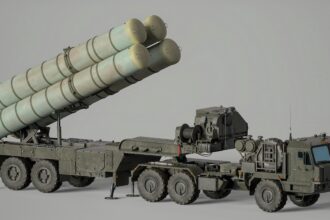
The foundation of any successful sabotage operation is accurate and comprehensive intelligence. Before any action is taken, extensive research must be conducted to identify the most critical weapon systems, their vulnerabilities, and the security protocols surrounding them. This involves understanding enemy deployment patterns, maintenance schedules, logistical networks, and technological specifications. Target selection is not arbitrary; it is a calculated decision based on maximizing impact and minimizing risk. Identifying specific types of weapons, such as advanced missile systems, air defense units, or critical command and control assets, can yield disproportionately high returns.
Exploiting Vulnerabilities
Once targets are identified, the next step is to exploit their inherent vulnerabilities. Every weapon system, no matter how sophisticated, has weak points. This could be a specific component that is prone to failure, a reliance on a particular fuel or lubricant, or a vulnerability in its software or electronic systems. Saboteurs are adept at identifying these chokepoints. For example, a fuel line might be susceptible to contamination, a hydraulic system to a subtle leak, or an electronic component to electromagnetic interference. Understanding the engineering and operational principles of the weapon is crucial for devising an effective sabotage method.
Methods of Infiltration
Infiltration methods are as varied as the targets themselves and are dictated by the operational environment and available resources. This can range from highly trained special forces units conducting deep penetration missions to more subtle approaches involving insider threats or sophisticated technical means.
Physical Infiltration
Physical infiltration involves operatives directly entering enemy-controlled areas. This requires extensive training in stealth, evasion, and survival. Methods can include:
- Covert Insertion: Utilizing paratroopers, submersibles, or clandestine transport to deliver operatives behind enemy lines.
- Disguised Entry: Posing as civilians, maintenance personnel, or even enemy soldiers to gain access to facilities.
- Tunneling and Breaching: Creating covert entry points into hardened facilities.
- Exploiting Natural Cover: Using terrain features, darkness, or adverse weather conditions to mask movement.
Technical Infiltration
Technical infiltration leverages technology to gain access or inflict damage without direct physical presence. This can include:
- Cyber Warfare: Hacking into enemy weapon systems, command and control networks, or maintenance databases to disrupt operations or introduce malicious code.
- Remote Access Devices: Deploying devices that can remotely disable or damage weapon systems once planted.
- Signal Jamming and Spoofing: Disrupting communication or navigation systems critical to weapon operation.
Human Intelligence and Insider Threats
Leveraging human intelligence is a cornerstone of covert operations. This involves:
- Recruiting Insiders: Cultivating relationships with disaffected personnel within the enemy’s military or defense industry who can provide access or intelligence.
- Coercion or Deception: Forcing or tricking individuals into aiding sabotage efforts.
- Agent Networks: Utilizing established networks of informants and operatives to gather intelligence and facilitate operations.
Techniques of Weapon Sabotage

The methods employed to sabotage enemy weapons are diverse and require a deep understanding of mechanical, electrical, and chemical principles. The goal is to cause critical failure, render the weapon inoperable, or create a hazard that makes its use impossible or dangerous.
Mechanical and Structural Sabotage
This category encompasses physical damage to the weapon’s components or structure.
Component Failure
This involves targeting specific parts that are crucial for the weapon’s operation. Examples include:
- Engine Damage: Introducing abrasives into fuel or oil systems, damaging critical engine components.
- Transmission Failure: Causing damage to gears or the gearbox.
- Barrel Damage: Altering the rifling of a firearm, leading to inaccurate or dangerous shots.
- Hydraulic System Tampering: Introducing contaminants or causing leaks in hydraulic lines essential for operating turrets, controls, or landing gear.
- Electrical System Disruption: Damaging wiring harnesses, circuit boards, or power sources.
Structural Compromise
This involves weakening the overall integrity of the weapon.
- Hull Breach: Creating small, undetectable breaches in vehicle hulls that can lead to water ingress or structural failure under stress.
- Weapon Mount Weakening: Damaging the points where a weapon is mounted, leading to instability or detachment during operation.
- Explosive Damage: While often overt, carefully placed small explosive charges can cause significant internal damage without obvious external signs, leading to catastrophic failure.
Chemical and Biological Sabotage
This involves the use of chemicals or biological agents to disable or contaminate weapon systems.
Fuel and Lubricant Contamination
Introducing substances that degrade fuel quality or damage engine components is a classic sabotage technique.
- Water Contamination: Introducing water into fuel tanks, leading to engine sputtering, corrosion, and potential seizure.
- Chemical Additives: Adding corrosive agents or substances that alter the viscosity of fuels and lubricants, leading to malfunctions.
- Biofuel Contamination: Introducing biological agents that degrade fuel over time.
Explosives and Ammunition Tampering
This is a high-risk, high-reward area, aiming to render explosives inert or dangerously unstable.
- Detonator Tampering: Causing malfunction in the detonator mechanism of shells or bombs.
- Propellant Degradation: Introducing chemicals that destabilize or degrade the propellant in ammunition, leading to misfires or premature detonation.
- Bullet Misfiring: Minor alterations to bullets can cause them to jam in firearms.
Chemical Agent Exposure
Targeting weapon systems that rely on sensitive chemical reactions.
- Corrosive Agents: Exposing sensitive electronic or mechanical parts to corrosive substances that cause gradual degradation.
- Biocides: Introducing agents that attack seals, hoses, or other organic materials used in weapon systems.
Electronic and Cyber Sabotage
In modern warfare, electronic and cyber sabotage is increasingly critical, targeting the brains and nervous system of weapon systems.
Software and Firmware Manipulation
This involves altering the digital instructions that govern a weapon’s operation.
- Malicious Code Injection: Introducing viruses or malware into weapon systems to disable them, alter their targeting parameters, or cause them to malfunction.
- Firmware Modification: Subtly altering the embedded software that controls critical functions, leading to unpredictable behavior.
- Data Corruption: Erasing or corrupting critical data required for navigation, targeting, or operation.
Hardware Tampering
This involves physical interference with electronic components.
- Component Degradation: Introducing subtle electromagnetic pulses (EMPs) or high-frequency signals that degrade sensitive electronic components over time.
- Sensor Interference: Damaging or obstructing optical, radar, or other sensors that are vital for targeting and navigation.
- Communication Jamming: Disrupting the radio frequency (RF) communications that weapon systems rely on for targeting data, command and control, and operational coordination.
The Human Element: Operatives and Their Roles
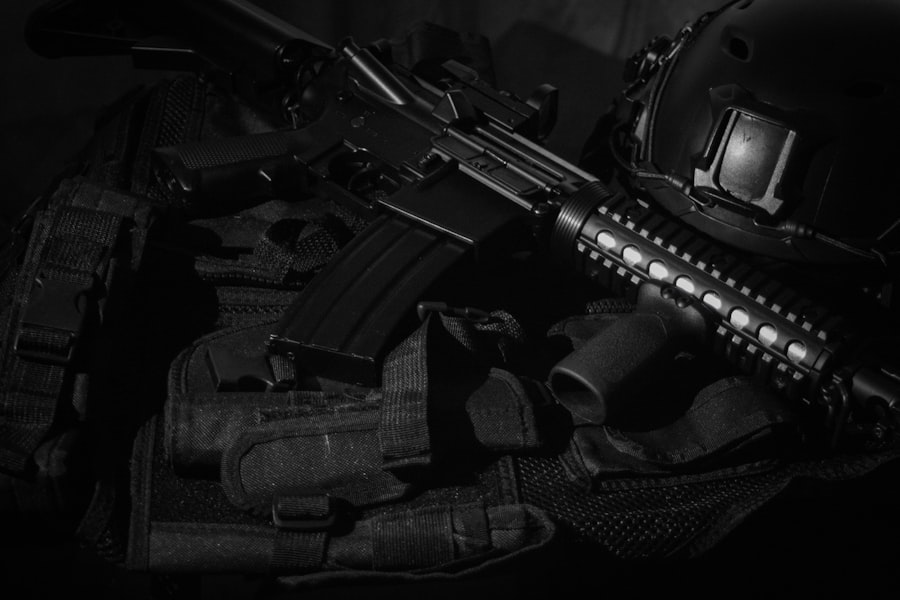
The success of weapon sabotage ultimately rests on the capabilities, training, and dedication of the individuals carrying out the mission. These operatives are not simply agents of destruction; they are highly skilled professionals operating in the shadows.
Special Forces and Covert Operations Units
These elite units are specifically trained for high-risk, clandestine missions. Their training encompasses a wide range of skills, including:
- Advanced Combat Techniques: Proficiency in close-quarters combat, small unit tactics, and survival.
- Intelligence Gathering and Analysis: The ability to collect, process, and act upon vital information.
- Demolitions and Explosives Handling: Expert knowledge of various explosive materials and their application.
- Infiltration and Exfiltration: Mastering techniques for moving undetected into and out of enemy territory.
- Language and Cultural Proficiency: Essential for operating in foreign environments and interacting with local populations.
- Technical Expertise: Understanding the intricacies of various weapon systems to identify vulnerabilities.
Insider Threats and Their Motivations
Insider threats are a particularly potent tool in the sabotage arsenal. These individuals, often with legitimate access to weapon systems, can be motivated by a variety of factors:
- Ideological Discontent: Opposition to their government’s policies or military actions.
- Financial Incentives: Receiving payments for intelligence or direct sabotage actions.
- Personal Grievances: Revenge against superiors or the military institution.
- Coercion and Blackmail: Being forced to act against their will.
The recruitment and management of insider threats require exceptional skill in psychological profiling, clandestine communication, and risk assessment to ensure their loyalty and effectiveness while mitigating the risk of detection.
The Importance of Psychological Resilience
Operatives involved in weapon sabotage face immense psychological pressure. They operate in isolation, under constant threat of discovery and severe retribution. Their missions are often prolonged and demanding, requiring unwavering focus and the ability to make critical decisions under extreme duress. Psychological resilience, mental fortitude, and a strong sense of purpose are therefore paramount for their success and survival.
In the realm of modern warfare, the tactics employed to undermine enemy capabilities are constantly evolving. A fascinating article discusses the intricate methods of sabotaging enemy weapons, highlighting the strategic importance of disrupting supply chains and technological advancements. For a deeper understanding of these tactics and their implications, you can read more in this insightful piece on In The War Room. This exploration reveals how intelligence and covert operations play a crucial role in ensuring that adversaries are kept off balance and unable to effectively deploy their arsenals.
Ethical and Legal Considerations
| Weapon | Number of Sabotages | Success Rate |
|---|---|---|
| Rifles | 25 | 80% |
| Explosives | 15 | 70% |
| Communications | 10 | 90% |
The employment of weapon sabotage, while strategically advantageous, is fraught with complex ethical and legal considerations. The clandestine nature of such operations often blurs the lines of conventional warfare and raises questions about accountability and international law.
Compliance with International Law
The Geneva Conventions and other international humanitarian laws govern the conduct of armed conflict. While sabotage is generally permissible, there are nuances. For instance, actions that unnecessarily endanger civilian populations or cause indiscriminate harm are prohibited. The targeting of purely military objectives, including weapon systems, falls within the accepted parameters of warfare, but the methods employed must adhere to principles of distinction and proportionality. The use of certain types of weapons, such as those that cause superfluous injury or unnecessary suffering, is also restricted.
The Morality of Indirect Warfare
Sabotage represents a form of indirect warfare, where the enemy’s capacity to fight is undermined without direct confrontation. This raises questions about the morality of inflicting damage without engaging the enemy face-to-face. Proponents argue that it is a necessary evil to achieve strategic objectives, save lives, and shorten conflicts. Critics, however, may view it as deceptive and cowardly, lacking the honor associated with direct combat. The debate often centers on whether the ends justify the means and the potential for unintended consequences.
Accountability and Deniability
A significant challenge with covert operations like weapon sabotage is establishing accountability. When an operation is successful, the perpetrators are often unknown, and the responsible entity can maintain plausible deniability. While this can be a strategic advantage, it also complicates the process of justice and retribution should the operation violate international norms or result in unacceptable collateral damage. International bodies and legal frameworks continue to grapple with how to address covert actions and ensure that perpetrators are held responsible, even when their identities are concealed.
The Slippery Slope Argument
There is a perpetual concern that the normalization of sabotage and covert actions could lead to a “slippery slope,” where the threshold for engaging in such tactics lowers over time. This could result in an escalation of clandestine activities, increased instability, and a further erosion of international norms and laws governing warfare. Therefore, while the strategic benefits of weapon sabotage are undeniable, its use must be carefully considered within a broader ethical and legal framework to ensure that it serves as a tool of last resort, employed with precision and restraint.
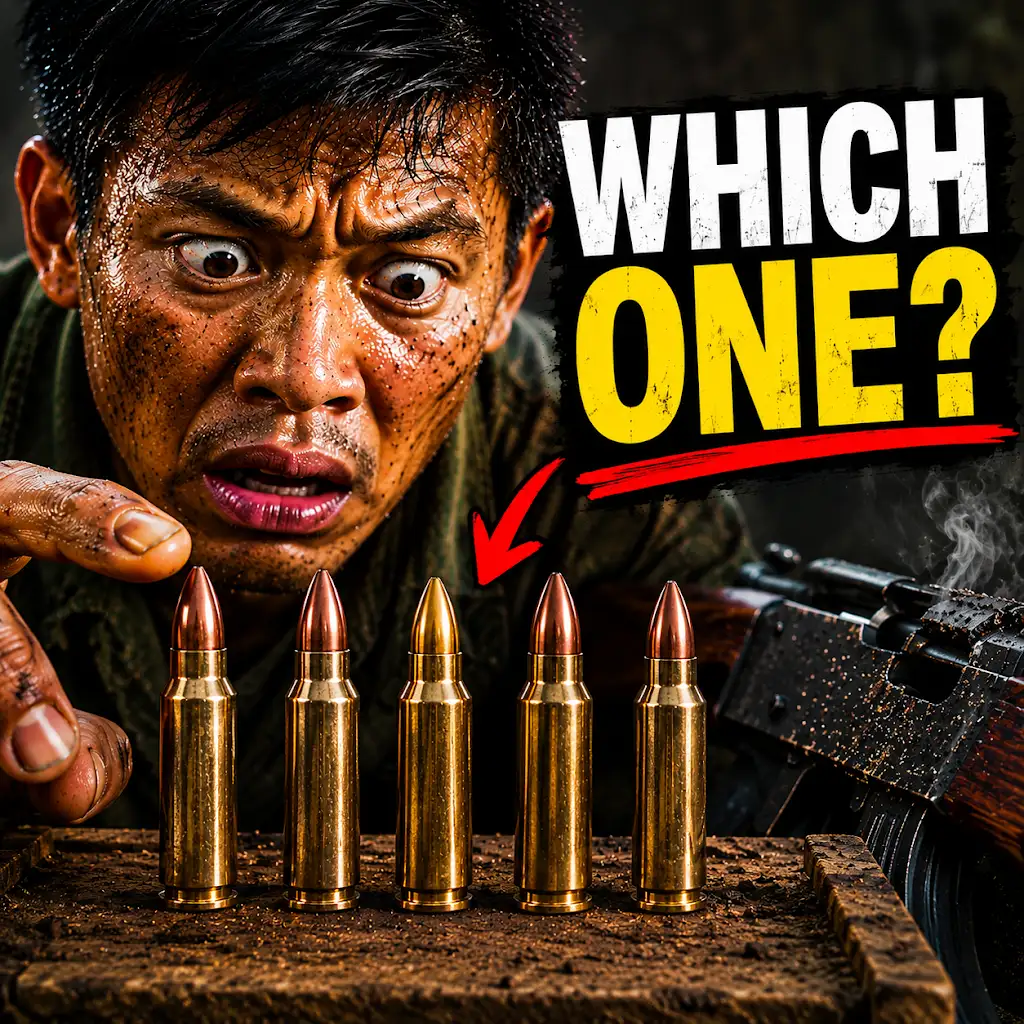
The Vietnam Plot That Made Soldiers Fear Their Own Guns
FAQs
What is sabotaging enemy weapons?
Sabotaging enemy weapons refers to the act of deliberately damaging or disabling the weapons and equipment of an opposing force in order to hinder their ability to engage in combat.
What are some common methods of sabotaging enemy weapons?
Common methods of sabotaging enemy weapons include tampering with ammunition, damaging or disabling firearm components, and using electronic warfare techniques to disrupt communication and targeting systems.
Is sabotaging enemy weapons legal under the rules of war?
Sabotaging enemy weapons is generally considered legal under the rules of war, as long as it is carried out within the boundaries of international humanitarian law, which prohibits targeting civilians and non-combatants.
What are the potential consequences of sabotaging enemy weapons?
The potential consequences of sabotaging enemy weapons can include reducing the effectiveness of the opposing force in combat, disrupting their ability to carry out military operations, and potentially saving the lives of friendly forces and civilians.
Are there any ethical considerations when sabotaging enemy weapons?
Ethical considerations when sabotaging enemy weapons may include ensuring that the actions taken are proportional to the threat posed by the opposing force, and minimizing the risk of harm to non-combatants and civilian infrastructure.