Echoes in the Deep: The Enigma of Soviet Submarine Ramming
The chilling possibility of intentional ramming by Soviet submarines during the Cold War remains a potent and unsettling topic, fueling debate and speculation among naval historians, former submariners, and military analysts. The image of a hulking Soviet submarine deliberately colliding with a Western vessel, particularly a NATO submarine, conjures visions of calculated aggression, espionage gone awry, or even desperate measures taken in the shadows of the ocean. Yet, disentangling verifiable fact from the pervasive fiction surrounding these alleged incidents is a formidable challenge. The inherent secrecy of submarine warfare, coupled with the fog of geopolitical tension, has created a fertile ground for both genuine accounts and embellishments. This article delves into the historical context, available evidence, and persistent controversies to explore the question: was Soviet submarine ramming a tangible, albeit rare, tactic, or largely a myth born from fear and misinterpretation?
The debate surrounding the intentional ramming of Soviet submarines has sparked significant interest among military historians and analysts. A related article that delves deeper into this contentious topic can be found on In The War Room, where experts discuss the strategic implications and historical context of such aggressive maneuvers. For more insights, you can read the article here: In The War Room.
The Cold War Submarine Landscape

The Cold War was a period of intense naval competition, with submarines occupying a central and terrifying role. Both the United States and the Soviet Union invested heavily in developing and deploying sophisticated underwater fleets. These submarines were not merely tools of war; they were instruments of strategic deterrence, intelligence gathering, and power projection. The silent, unseen nature of submarines made them ideal for clandestine operations. They patrolled strategically vital sea lanes, shadowed enemy vessels, and conducted reconnaissance missions, often operating in close proximity to one another. This proximity, coupled with the inherent risks of operating in a three-dimensional, largely invisible environment, created a volatile situation where collisions, both accidental and potentially deliberate, were an ever-present concern.
The Strategic Imperative of Submarine Warfare
The strategic doctrine of the Cold War heavily emphasized the role of nuclear-powered submarines, particularly ballistic missile submarines (SSBNs), as a second-strike capability. The ability of these submarines to remain submerged and undetected for extended periods made them virtually immune to a first strike. Conversely, attack submarines (SSNs) were crucial for hunting down enemy SSBNs, preventing them from launching their devastating payloads. This cat-and-mouse game played out in the ocean depths, with each side seeking to gain an advantage by tracking, identifying, and, if necessary, neutralizing the other’s underwater assets. The operational tempo was high, and the pressure to maintain surveillance and prevent breaches of security was immense.
The Unique Environment of Subsurface Operations
Operating a submarine is an exercise in extreme environmental awareness and meticulous procedure. The underwater realm is characterized by limited visibility, acoustic interference, and the constant threat of collision with uncharted obstacles or, more critically, other vessels. Sonar, the primary sensory tool for submarines, is sophisticated but not infallible. It relies on the transmission and reception of sound waves, which can be distorted by temperature gradients, marine life, and even the hull design of other submarines. The absence of visual cues makes precise navigation and accurate identification of contacts incredibly difficult, especially at speed or in challenging acoustic conditions. This inherent uncertainty amplifies the potential for misjudgment and accidents.
Documented Encounters and Near Misses

While concrete proof of intentional ramming is elusive, there are numerous documented instances of Soviet and Western submarines operating in close proximity, leading to tense encounters and near misses. These events, often shrouded in secrecy and later declassified, provide a backdrop against which the possibility of deliberate collision can be assessed. The accounts vary, ranging from accidental bumps to deliberate maneuvers aimed at deterring or disabling an adversary. The distinction between an accident born of poor seamanship or environmental conditions and a calculated act of aggression is often blurred, making definitive conclusions difficult.
The “Silent Service” and Its Secrets
The term “Silent Service” is often used to describe the United States submarine force, but it equally applies to the Soviet submarine fleet. The nature of their operations necessitated a high degree of secrecy. Information about specific submarine patrols, operational areas, and, crucially, any “incidents” was tightly controlled. Declassification processes, while slowly revealing more about the Cold War’s underwater ballet, often redact sensitive details, leaving gaps in the historical record. This inherent secrecy means that many encounters, whether accidental or deliberate, may never have been officially recorded or publicly disclosed. Former submariners, bound by oaths of secrecy, may possess firsthand accounts that remain untold.
Notable Incidents: Accidents and Aggression?
Several high-profile incidents have fueled the debate. The 1968 sinking of the Soviet K-129 submarine, while not a ramming incident, highlighted the perilous nature of subsurface operations and led to a highly classified U.S. recovery operation. More relevant to the ramming debate are encounters where submarines were reportedly used to “bump” or impede the movement of others. One frequently cited example is the interaction between the USS Baton Rouge and a Soviet submarine in 1992, which resulted in a collision. While the U.S. Navy classified the Baton Rouge incident, some accounts suggest that the Soviet submarine initiated the contact. Similarly, there are anecdotal reports from Western submariners of Soviet submarines deliberately attempting to block their path, run them close, or even make physical contact, often during intelligence-gathering missions. The interpretation of these actions—whether defensive, aggressive, or merely assertive—remains a point of contention.
The Strategic Rationale for Ramming
If intentional ramming did occur, what would have been the strategic and tactical motivations behind such a dangerous maneuver? The risks associated with deliberately colliding with another submarine, especially a nuclear-powered one, are immense. A significant impact could disable or even sink both vessels, leading to catastrophic loss of life and potential environmental disaster. Therefore, any such action would likely have been undertaken only when the perceived stakes were extremely high.
The debate surrounding the intentional ramming of Soviet submarines has sparked considerable interest among military historians and analysts. A recent article delves into the implications of such actions during the Cold War, exploring how these aggressive maneuvers shaped naval strategy and international relations. For a deeper understanding of this complex topic, you can read more in the article available here. This piece provides valuable insights into the motivations behind these decisions and their lasting impact on submarine warfare.
Espionage and Counter-Espionage: A Dangerous Dance
Submarines were invaluable platforms for espionage. They could loiter near enemy naval bases, shadow other submarines to gather acoustic signatures, or deploy intelligence-gathering devices. In this context, a ramming incident could have been an attempt by
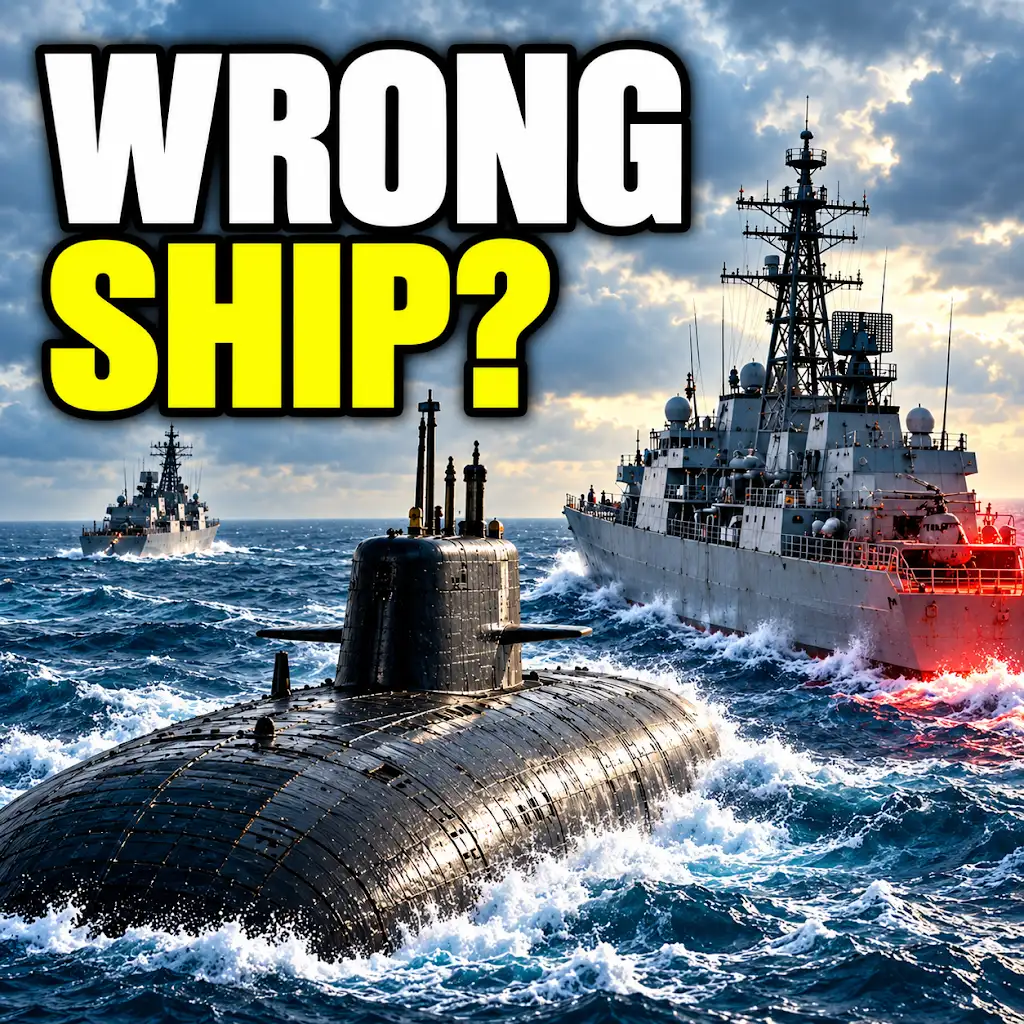
A Soviet Submarine Hit a U.S. Frigate. Was It the Wrong Ship?
FAQs
What is the Soviet submarine intentional ramming debate?
The Soviet submarine intentional ramming debate refers to the controversy surrounding the actions of a Soviet submarine during the Cold War, where it allegedly intentionally rammed a Swedish submarine in 1981.
What happened during the incident between the Soviet and Swedish submarines?
In October 1981, the Swedish submarine HMS U137 ran aground in Swedish waters. It was later discovered that a Soviet Whiskey-class submarine had been in the area at the same time, leading to speculation that the Soviet submarine intentionally rammed the Swedish vessel.
What evidence supports the claim of intentional ramming by the Soviet submarine?
Some evidence supporting the intentional ramming theory includes eyewitness accounts from Swedish naval officers who claimed to have seen the Soviet submarine in close proximity to the Swedish vessel before it ran aground.
What is the Soviet Union’s official stance on the incident?
The Soviet Union denied any intentional ramming of the Swedish submarine, stating that their submarine was not involved in the incident and that it was a coincidence that they were in the same area at the time.
How has the Soviet submarine intentional ramming debate impacted relations between Sweden and the Soviet Union?
The incident strained relations between Sweden and the Soviet Union, leading to increased tensions during the already tense period of the Cold War. It also fueled suspicions and distrust between the two countries.