Russia’s Arctic military buildup has become a defining feature of the geopolitical landscape in recent years, sparking concerns and intense scrutiny from both regional neighbors and global powers. This strategic repositioning of military assets and capabilities in the Arctic is not a sudden development, but rather a culmination of decades of planning, resource investment, and a reassertion of national interests in a region increasingly recognized for its economic potential and strategic importance. The thawing of Arctic ice, driven by climate change, has unlocked new shipping routes and exposed vast reserves of natural resources, transforming the once-frozen frontier into a contested theater. Russia, with its extensive Arctic coastline, views this transformation as both an opportunity and a necessity for safeguarding its sovereignty and economic prosperity.
Russia’s engagement with the Arctic is deeply rooted in its history. For centuries, the Northern Sea Route has been a vital artery for trade and connection, and the region has been a focus of exploration and resource exploitation. However, the current military buildup represents a significant escalation and a shift in strategic thinking. The Soviet era saw substantial military investment in the Arctic, including a large fleet of nuclear-powered icebreakers and a network of military bases. Following the collapse of the Soviet Union, many of these facilities fell into disrepair, and military presence dwindled.
Reclaiming a Strategic Imperative
The early 21st century witnessed a renewed focus on the Arctic by the Russian government. This resurgence is driven by a complex interplay of factors:
Sovereignty and Territorial Integrity
Russia claims the largest portion of the Arctic seabed and coastline. The increasing international interest in the region, particularly from countries like the United States, Canada, and Norway, has prompted Moscow to bolster its defenses to assert its sovereign rights. This includes the demarcation of its continental shelf and the prevention of any challenges to its established borders. The rationale is to ensure that no other nation can unilaterally exploit resources or establish military presences within what Russia considers its domain.
Economic Opportunities and Resource Security
The Arctic is estimated to hold significant reserves of oil, natural gas, minerals, and fish stocks. Russia, heavily reliant on resource exports for its economy, views the Arctic as a critical frontier for future economic growth. The military buildup is partly aimed at securing these vast untapped resources and the infrastructure necessary for their extraction and transportation, particularly along the Northern Sea Route. Protecting these vital economic assets from potential disruption or interference is a paramount concern.
Geopolitical Positioning and Global Influence
Beyond purely economic or territorial considerations, Russia sees the Arctic as a platform to project its power and influence on the global stage. A strong military presence in the Arctic allows Russia to:
Demonstrate Military Prowess
The deployment of advanced weaponry, naval assets, and air defense systems in the harsh Arctic environment serves as a potent display of Russia’s military capabilities. This demonstration is intended to deter potential adversaries and signal Russia’s commitment to defending its interests.
Shape Regional Dynamics
By establishing a dominant military footprint, Russia aims to influence the security architecture and decision-making processes within the Arctic Council and other international forums. This allows Russia to exert greater control over the future development and governance of the region.
The strategic importance of the Arctic region has led to an increase in military infrastructure development by Russia, which is highlighted in a related article discussing the implications of these actions on global security dynamics. For more insights on this topic, you can read the article here: Russia’s Arctic Military Infrastructure: A Growing Concern.
Expansion of Military Infrastructure and Capabilities
Russia’s Arctic military buildup is characterized by a comprehensive expansion and modernization of its military infrastructure and a significant enhancement of its operational capabilities tailored to the unique Arctic environment. This involves not only the construction of new facilities but also the reactivation and upgrading of Soviet-era bases.
Reopening and Modernizing Arctic Bases
A cornerstone of Russia’s strategy has been the reopening and significant modernization of numerous military bases that were largely abandoned after the Soviet era. These bases are strategically located along the Arctic coastline, providing forward operating positions for air, naval, and ground forces.
Northern Fleet Expansion and Modernization
The Northern Fleet, headquartered in Murmansk, is the primary instrument of Russia’s Arctic military power. Significant investment has been directed towards modernizing its fleet, including:
New Icebreakers and Warships
Russia is commissioning a new generation of powerful nuclear-powered icebreakers, essential for keeping the Northern Sea Route open year-round and for escorting naval vessels. Alongside these, it is deploying new frigates, corvettes, and submarines equipped with advanced weaponry and designed for Arctic operations. The focus is on vessels capable of operating in harsh ice conditions and possessing sophisticated anti-ship and anti-submarine warfare capabilities.
Arctic-Specific Naval Training
Specialized training programs are being implemented to ensure that naval personnel are proficient in operating in extreme cold, low visibility, and icy conditions. This includes navigation in challenging ice floes and the deployment of weaponry in sub-zero temperatures.
Air Force and Air Defense Enhancements
The Russian Air Force is also a critical component of the Arctic military buildup, with a focus on long-range bomber patrols, reconnaissance, and air defense.
Forward Airbases and Refueling Capabilities
Existing airbases are being expanded and modernized, and new ones are being established. This includes the development of refueling capabilities that allow fighter jets and bombers to conduct extended patrols over the Arctic Ocean. The deployment of advanced fighter jets like the Su-35 and Su-57, along with long-range bombers such as the Tu-160, signifies a strategic intent to project air power across the vast Arctic expanse.
Integrated Air Defense Systems
Russia is deploying sophisticated integrated air defense systems, including the S-400, across its Arctic territory. These systems are designed to detect and intercept a wide range of aerial threats, including aircraft, cruise missiles, and drones, creating a layered defense network to protect its strategic assets and airspace.
Ground Forces and Special Operations in the Arctic
While the Arctic is predominantly a maritime and air domain, Russia is also bolstering its ground force presence and developing specialized units for Arctic warfare.
Arctic Brigades and Training
Specialized motorized rifle brigades have been established and are being equipped with vehicles and gear designed for extreme cold-weather operations. These units undergo rigorous training in tactics for operating in snow, ice, and permafrost environments. This includes developing skills in camouflage, survival, and the use of specialized equipment for navigating and fighting in such conditions.
Coastal Defense and Border Security
The emphasis on coastal defense is significant. Russia is deploying anti-ship missile systems along its Arctic coastline to deter naval incursions and protect its strategic ports and resource extraction sites. Furthermore, border guards are being equipped with enhanced capabilities to monitor and secure the vast and often remote Arctic borders.
The Northern Sea Route: A Focal Point of Strategic Interest
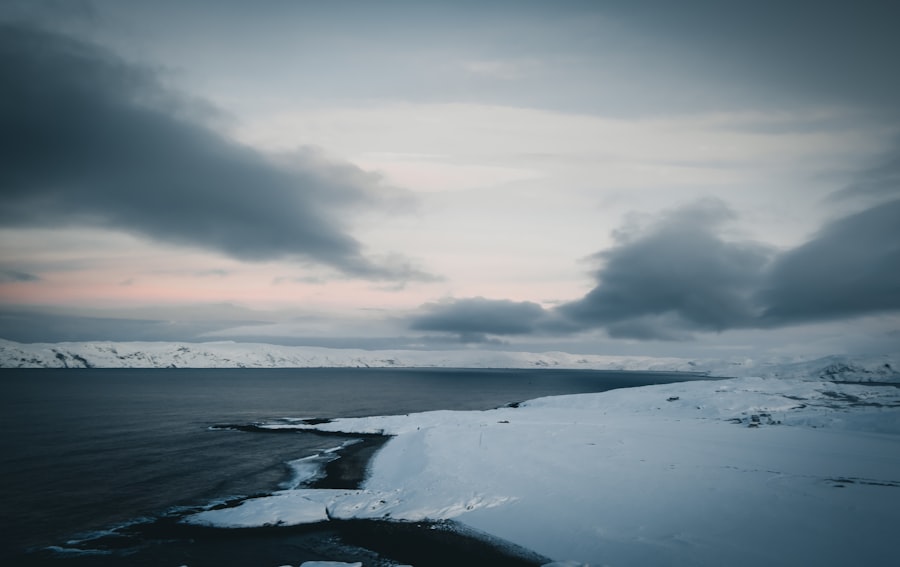
The Northern Sea Route (NSR), a maritime passage that runs along Russia’s northern coast, has emerged as a central element of Russia’s Arctic strategy and military focus. As global warming thins the ice, the NSR is becoming increasingly navigable for longer periods, offering a potentially shorter and more economical alternative to traditional shipping lanes like the Suez Canal.
Economic and Strategic Importance of the NSR
Russia’s vested interest in the NSR stems from a combination of economic, logistical, and geopolitical considerations.
Facilitating Resource Extraction and Trade
The NSR is crucial for transporting raw materials and resources extracted from Russia’s Arctic regions, such as oil, gas, and minerals, to global markets. It also serves as a vital conduit for supplying remote Arctic communities and military installations with goods and equipment. Russia aims to transform the NSR into a major international shipping corridor.
Assertion of Russian Control and Regulation
Russia considers the NSR to be internal waters and waterways within its exclusive economic zone, asserting its right to regulate all traffic along the route. This includes requiring foreign vessels to obtain permits, use Russian icebreakers for escort, and comply with specific navigation rules. This assertion of control is a key component of its Arctic sovereignty claims.
Military Logistics and Power Projection
Beyond civilian trade, the NSR offers significant military advantages. It allows for the rapid movement of military assets and personnel between different parts of the Russian Arctic and provides a more direct route for naval deployments from the Pacific to the Atlantic or vice versa, bypassing traditional choke points.
Military Support for NSR Operations
The Russian military plays a crucial role in ensuring the viability and security of the NSR.
Icebreaker Fleets and Navigation Support
Russia possesses the world’s largest fleet of icebreakers, including nuclear-powered vessels, which are essential for keeping the NSR open for navigation, especially during the winter months. These icebreakers not only clear paths but also provide navigation support and emergency assistance to commercial and military vessels.
Surveillance and Reconnaissance
The Russian military conducts extensive surveillance and reconnaissance operations along the NSR to monitor maritime traffic, detect potential threats, and gather intelligence on activities within its waters. This includes the use of aerial patrols, satellite imagery, and naval patrols.
Search and Rescue Capabilities
Given the harsh and remote nature of the Arctic, robust search and rescue (SAR) capabilities are essential. Russia is enhancing its SAR infrastructure and coordinating efforts to respond to maritime incidents and emergencies along the NSR, further solidifying its role as the primary custodian of the route.
International Reactions and Concerns

Russia’s assertive military buildup in the Arctic has not gone unnoticed. It has triggered a range of reactions from other Arctic nations, global powers, and international organizations, eliciting a mix of concern, apprehension, and calls for de-escalation and cooperation.
Regional Neighbors’ Apprehensions
Countries sharing Arctic borders with Russia, such as Norway, Finland, and Sweden, have expressed particular concerns about the growing Russian military presence.
Norway’s Strategic Positioning
Norway, with its extensive Arctic coastline and proximity to Russian military bases in the Kola Peninsula, has been particularly vigilant. It has increased its own military spending, enhanced its surveillance capabilities, and strengthened its cooperation with NATO allies to monitor Russian activities and ensure its territorial integrity. The presence of Russian nuclear submarines and advanced weaponry in its immediate neighborhood is a significant security consideration.
Finland and Sweden’s NATO Aspirations
The perceived threat from Russia’s Arctic military buildup has been a significant factor in Finland and Sweden’s decision to abandon their long-standing military non-alignment and seek membership in NATO. Both countries share borders with Russia and have expressed concerns about potential Russian aggression and the militarization of the region.
Broader International Geopolitical Implications
Beyond the immediate Arctic neighbors, the implications of Russia’s military buildup resonate across the global geopolitical landscape.
NATO’s Arctic Strategy and Enhanced Presence
NATO members, particularly those with Arctic interests, have been reassessing and adapting their strategies. This includes increased military exercises in the High North, greater coordination among allied forces, and investment in capabilities suitable for Arctic operations. The alliance views Russia’s actions as a potential challenge to Arctic stability and its own collective security.
United States’ Arctic Policy and Military Posture
The United States, with its own Arctic territory in Alaska, has also voiced concerns and is seeking to enhance its Arctic presence and capabilities. This includes investing in ice-capable naval vessels, increasing its air and maritime patrols, and strengthening partnerships with other Arctic nations. The US seeks to ensure freedom of navigation and prevent any unilateral assertions of control over Arctic waterways.
China’s Growing Arctic Ambitions
While not an Arctic state, China has increasingly articulated its interests in the region, referring to itself as a “Near-Arctic State.” Its growing economic and scientific engagement, coupled with its naval modernization, has led to speculation about its long-term Arctic ambitions and its potential alignment with or divergence from Russian interests.
Russia’s military expansion in the Arctic has raised significant concerns among global powers, as the nation continues to develop its infrastructure in this strategically important region. The construction of new bases and the enhancement of existing facilities are part of a broader strategy to secure its interests in the Arctic, which is rich in resources and vital for shipping routes. For a deeper understanding of the implications of these developments, you can read a related article that explores the geopolitical dynamics at play in the Arctic by following this link.
The Future of Arctic Security and Cooperation
| Infrastructure | Location | Function |
|---|---|---|
| Arctic bases | Severomorsk, Tiksi, Franz Josef Land | Support naval and air operations |
| Radar stations | Wrangel Island, Cape Schmidt | Monitor airspace and detect incoming threats |
| Military airfields | Anadyr, Rogachevo, Nagurskoye | Support air defense and surveillance missions |
| Naval bases | Murmansk, Kotelny Island | Support naval operations and patrols |
The ongoing military buildup in the Arctic presents a complex challenge for the future of security and cooperation in the region. While tensions have undoubtedly risen, the shared challenges of climate change and the vastness of the Arctic environment also necessitate a degree of collaboration.
Balancing Competition with Cooperation
The Arctic has historically been a region of relatively low tension and robust international cooperation, primarily through the Arctic Council. However, the increasing militarization raises questions about the sustainability of this cooperative model.
The Role of the Arctic Council
The Arctic Council, an intergovernmental forum for cooperation among Arctic states and indigenous peoples, has seen its work in areas of scientific research, environmental protection, and sustainable development continue. However, discussions on military security issues are largely excluded from its mandate, leading to a bifurcated approach to Arctic governance. The challenge lies in preventing military competition from spilling over and undermining cooperation in other vital areas.
Arms Control and Confidence-Building Measures
As military activities increase, there is a growing need for discussions on arms control and confidence-building measures within the Arctic. This could include transparency initiatives regarding military exercises, communication channels to de-escalate potential misunderstandings, and agreements to limit the deployment of certain types of weaponry. The aim is to prevent an uncontrolled arms race and maintain a degree of predictability.
The Impact of Climate Change on Arctic Security
The fundamental driver behind many of the changes in the Arctic is climate change, which paradoxically presents both opportunities and challenges for security.
Unlocking New Resources and Routes
The thawing of ice opens up new avenues for resource extraction and shipping, as discussed earlier. This economic potential inherently attracts greater attention and potential competition, leading to increased military interest.
Environmental Security and Disaster Response
Simultaneously, climate change poses significant environmental risks, including increased pollution from shipping and resource extraction, melting permafrost impacting infrastructure, and the potential for increased natural disasters. Effective disaster response and environmental protection require robust international cooperation, which could be undermined by heightened military tensions.
The Long-Term Outlook
The long-term outlook for Arctic security remains uncertain. Russia’s continued military investment and assertive stance suggest a persistent focus on solidifying its strategic and economic interests in the region. Other powers are likely to continue to monitor and respond to these developments, potentially leading to a sustained period of heightened military activity and a careful balancing act between competition and the imperative for cooperation in a rapidly changing Arctic. The world watches to see whether the Arctic will become a zone of increasing confrontation or a model for managing shared challenges in a warming world.

Russia’s Nuclear Submarines Depend on This Arctic Lifeline
FAQs
What is Russia’s Arctic military infrastructure?
Russia’s Arctic military infrastructure includes a network of military bases, airfields, ports, and radar stations located across the Arctic region. These facilities are strategically positioned to enhance Russia’s military presence and capabilities in the Arctic.
Why is Russia investing in Arctic military infrastructure?
Russia is investing in Arctic military infrastructure to assert its sovereignty over the region, which is rich in natural resources and has strategic importance. Additionally, the melting of Arctic ice due to climate change has opened up new shipping routes, making the region more accessible and valuable for military and economic purposes.
How does Russia’s Arctic military infrastructure impact international relations?
Russia’s Arctic military infrastructure has raised concerns among other Arctic nations and NATO members, as it signifies Russia’s increasing military presence in the region. This has led to heightened tensions and competition for influence in the Arctic, impacting international relations and security dynamics.
What are the key components of Russia’s Arctic military infrastructure?
Key components of Russia’s Arctic military infrastructure include military bases such as the Northern Clover and Arctic Trefoil, airfields like the Nagurskoye and Temp, ports such as the Northern Fleet’s base in Severomorsk, and radar stations like the Voronezh radar in the Arctic.
How is Russia’s Arctic military infrastructure evolving?
Russia’s Arctic military infrastructure is evolving through the construction and modernization of military facilities, deployment of advanced weaponry and equipment, and the establishment of new units specifically trained and equipped for Arctic operations. This reflects Russia’s commitment to strengthening its military presence and capabilities in the Arctic region.