The Enduring Bond: England and Portugal’s Oldest Alliance
The tapestry of European history is woven with threads of shifting allegiances, transient friendships, and strategic partnerships that have risen and fallen with the tides of conquest and diplomacy. Yet, amidst this ever-changing landscape, one alliance stands as a remarkable testament to longevity and mutual resilience: the Anglo-Portuguese Alliance. Often cited as the oldest continuously active alliance in the world, its origins stretch back to a pivotal moment in the 14th century, forging a bond that would shape the destinies of both nations for centuries to come. This enduring relationship, forged in the crucible of conflict and solidified by shared interests, offers a compelling case study in statecraft, adaptation, and the complex dynamics of international relations.
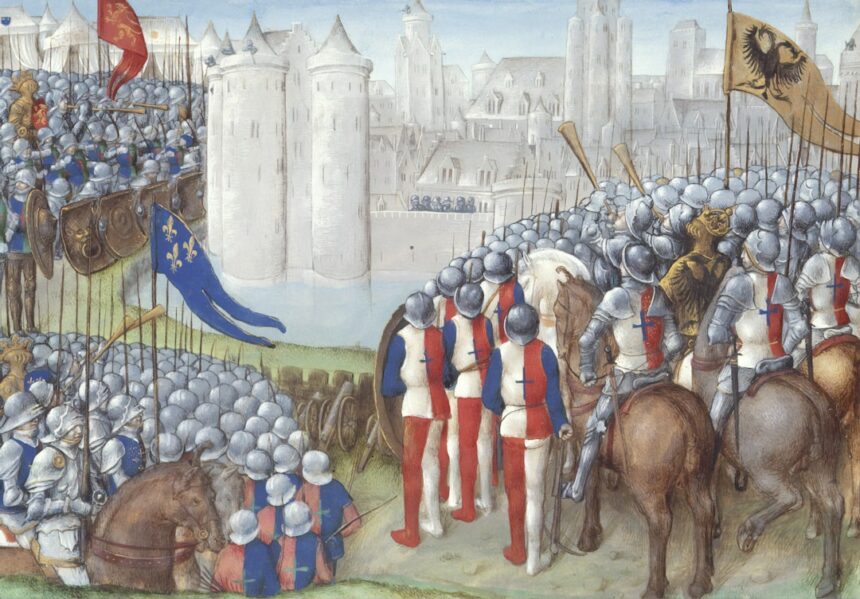
The formal inception of the Anglo-Portuguese Alliance is widely attributed to the Treaty of Windsor, signed on May 9, 1386. However, to understand the significance of this treaty, it is essential to acknowledge the preceding historical context that laid the groundwork for such a pact. England, at the time, was a rising power in Western Europe, entangled in the Hundred Years’ War with France. Portugal, a nascent kingdom on the Iberian Peninsula, was equally embroiled in its own existential struggle for independence.
The Iberian Context: The Portuguese Succession Crisis
The immediate catalyst for the Treaty of Windsor was the succession crisis that gripped Portugal in the late 14th century. Following the death of King Ferdinand I in 1383 without a male heir, a period of intense political turmoil ensued. Ferdinand’s daughter, Beatrice, was married to King John I of Castile, whose claim to the Portuguese throne threatened to subsume Portugal into the larger Spanish kingdom. This prospect was deeply unsettling for many Portuguese nobles and merchants who valued their autonomy.
The Discontent Among Portuguese Elites
A significant faction within Portuguese society, particularly the merchant class and a segment of the nobility, viewed the potential Castilian annexation with alarm. Their economic interests were closely tied to England, and a union with Castile, a traditional rival of England, would disrupt these lucrative trade routes. Moreover, there was a strong sense of national identity and a desire to preserve their independent monarchy.
The Intervention of João I of Portugal
Emerging from this turbulent period was João, Master of the Order of Avis. A charismatic and determined figure, he rallied support against the Castilian claim, positioning himself as the defender of Portuguese independence. His military prowess and popular backing became crucial in the fight against the Castilians.
England’s Strategic Interests: A Counterbalance to France
For England, the Portuguese crisis presented a strategic opportunity. The ongoing Hundred Years’ War meant that England was constantly seeking to weaken its primary adversary, France. Castile, a frequent ally of France, posed a significant threat. By supporting an independent Portugal, England could effectively create a strategic counterweight to French influence on the Iberian Peninsula, thereby diverting Castilian resources and attention from the Franco-English conflict.
The Mediterranean and Atlantic Ambitions
Beyond the immediate concerns of the Hundred Years’ War, England was also beginning to look outwards, with nascent ambitions in trade and exploration. Portugal, with its burgeoning maritime capabilities and strategic Atlantic coastline, presented an attractive partner for trade and a potential gateway to new ventures.
The enduring alliance between England and Portugal, often regarded as the world’s oldest alliance, has a rich history that dates back to the Treaty of Windsor in 1386. This unique relationship has weathered numerous political and social changes over the centuries, showcasing the strength of diplomatic ties. For a deeper understanding of this historic alliance and its implications in contemporary geopolitics, you can read more in the related article found here: World’s Oldest Alliance: England and Portugal.
The Treaty of Windsor: A Framework for Perpetual Friendship
The Treaty of Windsor, therefore, was not merely a hasty agreement born of immediate crisis but a carefully negotiated pact that formalized and expanded upon existing friendly relations. It established a framework for mutual defense and outlined specific provisions that would govern the relationship for generations to come, cementing its status as a formal alliance.
The Core Provisions: Mutual Defense and Support
The treaty’s most significant provision was the commitment to mutual defense. It stipulated that if either England or Portugal were at war with any other nation, the other would provide military aid. This was a clear signal of solidarity and a cornerstone of the alliance, demonstrating a shared commitment to security.
The Obligation of Military Assistance
The essence of the treaty lay in its mutual obligation. England pledged to defend Portugal against any aggressor, and Portugal, in turn, promised to support England. This reciprocity was crucial in establishing a balanced and sustainable partnership, preventing it from becoming a one-sided arrangement.
The Terms of Engagement
The treaty also included clauses on the nature of military assistance, outlining the scale and type of support to be provided. This ensured clarity and prevented potential ambiguities in times of conflict, establishing a legal and practical basis for cooperation when hostilities arose.
Broader Implications: Trade, Marriage, and Political Alignment
Beyond military matters, the Treaty of Windsor also laid the groundwork for deeper integration between the two kingdoms, encompassing economic, dynastic, and diplomatic ties.
Economic Ties and Commercial Advantages
The alliance facilitated preferential trading arrangements between England and Portugal. This allowed English merchants greater access to Portuguese markets and goods, and vice-versa. Such economic interdependence would prove to be a crucial element in maintaining the alliance’s longevity, creating shared prosperity that reinforced mutual interests.
Dynastic Marriages and Royal Legitimacy
A crucial aspect of the treaty involved a dynastic marriage. John I of Portugal married Philippa of Lancaster, daughter of John of Gaunt, Duke of Lancaster, and sister of King Henry IV of England. This royal union served to legitimize John I’s claim to the Portuguese throne in the eyes of other European powers, particularly England, and further cemented the personal and political bonds between the ruling families.
The Alliance in Action: Navigating Centuries of Conflict and Cooperation
The Treaty of Windsor was not a parchment gathering dust in archives; it was a living document that guided the interactions between England and Portugal through numerous historical epochs. From the Age of Exploration to the Napoleonic Wars, the alliance proved its worth, though not without its challenges and periods of strain.
The Age of Discovery: A Shared Maritime Frontier
The 15th and 16th centuries witnessed an unprecedented era of global exploration, and both England and Portugal were at the forefront. Their alliance provided a crucial backdrop for this epoch, influencing their respective colonial ambitions and routes.
Portuguese Voyages and English Observation
Portugal, with its early lead in maritime technology and exploration, charted vast swathes of the Atlantic and Indian Oceans. England, at times, benefited from Portuguese discoveries and knowledge, though it also developed its own independent navigational expertise. The alliance fostered a climate of relative tolerance and indirect cooperation, even as both nations began to establish their own spheres of influence.
The Impact on Iberian Politics
The alliance also played a significant role in Iberian politics. During periods when Portugal was threatened by Spain, English support, both diplomatic and military, proved vital. This was particularly evident during the Iberian Union (1580-1640), when Portugal was under Spanish rule. While England was at war with Spain, it notably refrained from outright invasion of Portugal itself, largely due to the existing alliance.
Shifting Power Dynamics: The Seventeenth Century and Beyond
The 17th century brought about significant shifts in the European balance of power, with the rise of new empires and the decline of others. The Anglo-Portuguese alliance, though tested, persisted, adapting to the changing geopolitical landscape.
The Portuguese Restoration War
The Portuguese Restoration War (1640-1668), which saw Portugal regain its independence from Spain, was a period of intense diplomatic and military maneuvering. England, under the Stuart monarchy, provided crucial support to the Portuguese cause. This support, while sometimes pragmatic and influenced by English domestic politics and rivalries with Spain and France, was a testament to the enduring commitment of the alliance.
The Marriage of Catherine of Braganza and Charles II
A significant event of this period was the marriage of Catherine of Braganza, daughter of the Portuguese King John IV, to King Charles II of England in 1661. This marriage brought the strategic port of Tangier and the wealthy island of Bombay (now Mumbai) to England as part of Catherine’s dowry, further solidifying the alliance and expanding England’s global reach.
The Napoleonic Era: A Crucial Test of Loyalty
Perhaps one of the most dramatic and pivotal moments for the Anglo-Portuguese Alliance occurred during the Napoleonic Wars. The alliance was put to its most severe test, facing the combined might of Napoleonic France and its Iberian allies.
The Continental System and French Pressure
Napoleon Bonaparte’s Continental System aimed to isolate Great Britain by preventing trade with continental Europe. Portugal, due to its long-standing alliance with Britain and its dependence on British trade, was caught in a diplomatic vise. French pressure mounted for Portugal to abandon its alliance with Britain and join the Continental System.
The Invasions of Portugal
In 1807, following Portugal’s refusal to fully comply with French demands, Napoleon ordered French troops, supported by Spanish forces, to invade Portugal. This marked the beginning of a series of French invasions and a protracted conflict on Portuguese soil.
British Intervention and Sir Arthur Wellesley
Britain, committed by its alliance obligations, dispatched military forces under the command of Sir Arthur Wellesley (later the Duke of Wellington) to defend Portugal. The ensuing Peninsular War saw brutal fighting across Portugal and Spain, with the Anglo-Portuguese forces, alongside Spanish allies, engaging the French in a long and bloody struggle.
The Strategic Importance of Portuguese Ports
The strategic value of Portugal’s ports, particularly Lisbon, to British naval operations cannot be overstated. They provided vital bases for the Royal Navy to project power into the Atlantic and counter French naval ambitions. The defense of Portugal was therefore not just about fulfilling an alliance obligation but also about safeguarding Britain’s own strategic interests.
The enduring partnership between England and Portugal, often referred to as the world’s oldest alliance, has shaped the course of history for both nations. This unique relationship, which dates back to the 12th century, has influenced various aspects of diplomacy, trade, and military cooperation. For a deeper understanding of how this alliance has evolved over the centuries, you can explore a related article that delves into its historical significance and contemporary relevance. To read more about this fascinating topic, visit this article.
Modern Era Adaptations: From Alliance to Partnership
| Country | Oldest Alliance |
|---|---|
| England | Portugal |
As the 19th century gave way to the 20th and subsequently the 21st centuries, the nature of international relations evolved significantly. The traditional concept of military alliances, while still relevant, was increasingly complemented by broader frameworks of cooperation. The Anglo-Portuguese Alliance, while retaining its historical significance, adapted to these changes, transitioning from a purely military pact to a multifaceted partnership.
The World Wars and Post-War Cooperation
During both World War I and World War II, Portugal maintained a stance of official neutrality, though it offered significant cooperation and facilities to the Allied powers, particularly Britain. The historical ties and strategic understanding facilitated this nuanced approach.
Portugal’s Strategic Position in World War II
In World War II, Portugal granted the Allies access to its Azores archipelago, a strategically vital location for maritime patrols and air bases in the Atlantic. This decision, while made independently by Portugal, was undoubtedly influenced by the long-standing alliance with Britain.
NATO and Bilateral Relations in the 21st Century
The establishment of the North Atlantic Treaty Organization (NATO) in 1949 provided a new, multilateral framework for collective security in which both Britain and Portugal became founding members. This subsumed some of the direct bilateral defense obligations, while the historical alliance continued to inform their relationship within the broader alliance.
Shared Values and Common Interests
In the modern era, the Anglo-Portuguese relationship is characterized by shared democratic values, strong economic ties, and mutual interests in various global issues. While the overt military pact has evolved, the underlying spirit of friendship and cooperation endures.
Cultural and Social Connections
Beyond the realm of high politics and military strategy, a rich tapestry of cultural and social connections has also developed over the centuries. This includes significant historical influences on language, cuisine, and artistic expression, further strengthening the human dimension of the enduring bond.
The Enduring Legacy: A Model of Diplomatic Resilience
The Anglo-Portuguese Alliance, stretching back over six centuries, is more than just an old treaty. It is a compelling narrative of diplomatic resilience, highlighting how traditional alliances can adapt and endure even in the face of profound geopolitical shifts. Its longevity speaks to a fundamental understanding between the two nations, a recognition of shared interests, and a willingness to navigate challenges together.
Lessons for Contemporary Diplomacy
The Anglo-Portuguese example offers valuable lessons for contemporary diplomacy. It demonstrates the importance of long-term vision, the ability to adapt to changing circumstances, and the enduring power of mutual respect and a shared sense of history.
The Importance of Historical Context
Understanding the origins and evolution of alliances is crucial for appreciating their current significance. The Anglo-Portuguese bond demonstrates how historical contingencies can forge deep and lasting connections, which, with careful cultivation, can transcend generations.
The Dynamics of Adaptation and Continuation
The alliance’s survival underscores the necessity of adaptation. As the world changed, so too did the nature of the relationship, moving from explicit military aid to more nuanced forms of cooperation within broader multilateral frameworks. This ability to evolve is perhaps the key to its remarkable longevity.
A Unique Place in European History
In a continent often defined by its turbulent past, the Anglo-Portuguese Alliance stands as a unique and enduring relationship, a testament to the possibility of sustained amity and strategic partnership across centuries. It serves as a reminder that history, when properly understood and leveraged, can provide a solid foundation for continued cooperation in the present and future.
FAQs
What is the world’s oldest alliance?
The world’s oldest alliance is the Anglo-Portuguese Alliance, which was established in 1373 and is still in effect today.
How did the Anglo-Portuguese Alliance come about?
The alliance was formed through the Treaty of Windsor, signed on May 9, 1386, between England and Portugal. It was created to establish a military and diplomatic alliance between the two countries.
What are the key components of the Anglo-Portuguese Alliance?
The alliance includes mutual support in times of war, as well as cooperation in trade and cultural exchange. It has been a key factor in shaping the history of both countries.
How has the Anglo-Portuguese Alliance evolved over time?
The alliance has endured for over 600 years and has seen various periods of strengthening and weakening. It has survived through wars, political changes, and global shifts in power.
What is the significance of the Anglo-Portuguese Alliance today?
The alliance continues to be an important diplomatic and military partnership, and it has played a role in shaping the history and culture of both England and Portugal. It also serves as a model for long-lasting international alliances.