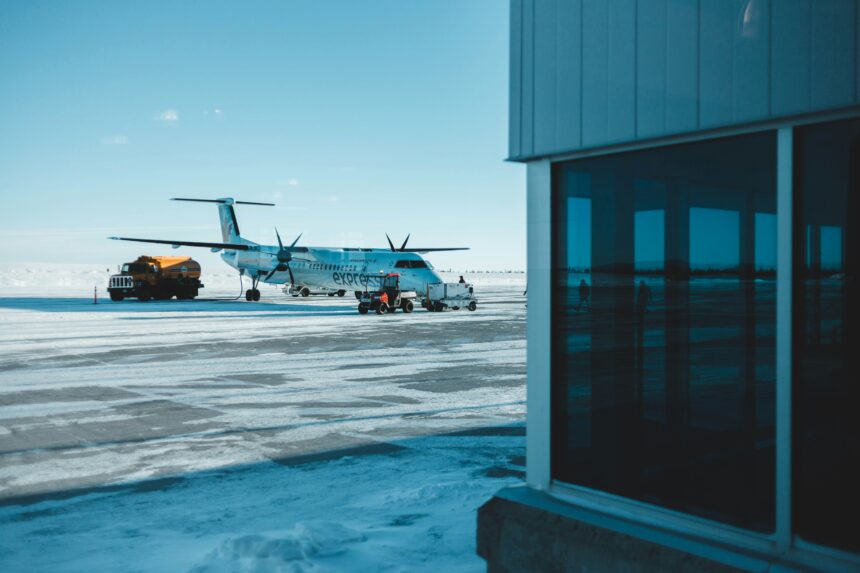
The Russian Navy is undertaking a significant and strategically important enhancement of its logistical capabilities within the Arctic region. This modernization effort is not merely about increasing operational reach but is intrinsically linked to the broader geopolitical and economic ambitions Russia harbors for the High North. The vastness of the Arctic, coupled with its unforgiving environment, presents unique challenges that necessitate specialized infrastructure and robust supply chains. The Russian Navy’s initiative reflects a comprehensive approach, addressing everything from ice-strengthened vessels and forward-deployed supply depots to advanced communication systems and specialized personnel training. This endeavor is a testament to Russia’s commitment to asserting its presence and influence in a region increasingly eyed for its resource potential and strategic maritime routes.
The Russian Navy’s Northern Fleet, the primary force responsible for Arctic operations, is at the forefront of this logistical overhaul. For decades, the fleet has operated under the shadow of limited infrastructure and the inherent difficulties of supplying forces in a perpetually frozen or ice-choked environment. This new wave of investment aims to fundamentally transform these limitations into strengths, enabling sustained and effective operations across the vast expanse of the Arctic Ocean. The enhancement is multifaceted, encompassing the acquisition of new ice-class support vessels, the expansion and modernization of existing naval bases and forward operating locations, and the integration of advanced technologies to ensure seamless communication and navigation.
Ice-Strengthened Vessels: The Lifeline of Arctic Operations
A cornerstone of the Russian Navy’s Arctic logistics enhancement lies in the expansion and modernization of its ice-strengthened fleet. Traditional naval vessels, designed for temperate or open-ocean conditions, are ill-suited to the crushing pressures of Arctic ice and the extreme cold. Therefore, the Russian Navy is prioritizing the acquisition and deployment of specialized ice-class support and logistics vessels. These ships are engineered with reinforced hulls, powerful engines, and advanced ice-breaking capabilities, allowing them to navigate through frozen seas and deliver essential supplies to remote outposts and naval units operating in challenging conditions.
The Role of New Icebreaking Supply Ships
The induction of new icebreaking supply ships is critical. These vessels are not merely cargo carriers; they are mobile logistical hubs capable of supporting extended deployments. Their design often includes facilities for refueling, replenishing ammunition, and providing basic repair services to other vessels. This capability is crucial in an environment where returning to a major port for resupply can take days or even weeks. The deployment of such ships allows the Northern Fleet to maintain a persistent presence in key Arctic areas, far from established shore-based infrastructure. Examples might include specialized tanker vessels designed to operate in ice, capable of transferring fuel to combat ships or research stations.
Enhancing Existing Fleet Capabilities
Beyond new acquisitions, the Russian Navy is also investing in the modernization and retrofitting of existing vessels to improve their ice-worthiness and operational efficiency in Arctic conditions. This can involve reinforcing hulls, upgrading propulsion systems, and installing specialized navigation and communication equipment that is resistant to extreme cold and electromagnetic interference common in polar regions. Even older vessels, when appropriately modified, can contribute significantly to the overall logistical network, extending their service life and optimizing resource utilization.
Modernizing Arctic Ports and Bases: Forward Deployment and Resilience
The strategic importance of ice-free or readily accessible ports cannot be overstated in the Arctic. Russia possesses a significant advantage due to its extensive coastline along the Arctic Ocean, but many of these ports require substantial modernization to meet the demands of a modern naval force operating in this environment. The enhancement of Arctic logistics includes a significant push to upgrade existing naval bases and to establish new, strategically located forward operating locations.
Expanding Murmansk and Severomorsk Infrastructure
Murmansk and Severomorsk, already major naval bases for the Northern Fleet, are undergoing significant expansion and modernization. This includes extending piers to accommodate larger and ice-hardened vessels, improving storage facilities for fuel and supplies, and enhancing repair and maintenance capabilities. The aim is to create a more robust and resilient logistical hub capable of supporting a wider range of naval operations, from routine patrols to expeditionary deployments. This also involves upgrading the associated infrastructure, such as airfields and ground transportation networks, to ensure the efficient movement of personnel and materiel.
Establishing New Forward Operating Locations
The Russian Navy is also actively establishing and enhancing new forward operating locations (FOLs) along its Arctic coastline. These FOLs can range from small, austere resupply points to more substantial bases capable of hosting aircraft and supporting naval operations for extended periods. Their strategic placement is designed to reduce transit times for supply convoys and to provide immediate logistical support to naval units operating in distant sectors of the Arctic. This network of FOLs creates a distributed logistical system, increasing the survivability and operational flexibility of the Northern Fleet. These could include former Soviet-era radar stations being repurposed and revitalized, or entirely new facilities being constructed on previously undeveloped coastlines.
The strategic importance of the Arctic region has prompted the Russian Navy to enhance its logistics capabilities in this area, as detailed in a related article on Arctic military operations. For an in-depth analysis of the Russian Navy’s logistical strategies and their implications for regional security, you can read more in this article: Russian Navy Arctic Logistics. This piece explores the challenges and advancements in maritime operations as Russia seeks to assert its presence in the increasingly contested Arctic waters.
Technological Advancements in Arctic Logistics
The challenging Arctic environment necessitates the adoption of cutting-edge technologies to overcome inherent obstacles and ensure the efficiency and reliability of logistical operations. Russia’s commitment to enhancing its Arctic logistics is deeply intertwined with its investment in advanced technological solutions. This encompasses improvements in navigation, communication, surveillance, and supply chain management, all tailored to the unique demands of the High North.
Advanced Navigation and Communication Systems
Operating in the Arctic presents significant navigational challenges, including the presence of sea ice, limited visibility due to fog and snow, and the magnetic anomalies of the polar regions. To counter these, the Russian Navy is equipping its vessels and bases with advanced satellite navigation systems, ice radar, and specialized charting tools that account for the dynamic nature of Arctic ice.
Satellite Navigation and Real-Time Ice Monitoring
The reliance on GPS and GLONASS is paramount, but these systems are augmented by sophisticated real-time ice monitoring capabilities. This includes the integration of satellite imagery, airborne surveillance, and ground-based sensors to provide constantly updated information on ice conditions. This data is crucial for planning safe and efficient routes for supply convoys, identifying areas of open water, and avoiding hazardous ice formations. Advanced sonar and underwater mapping technologies also play a role in understanding the seafloor and potential navigation hazards.
Secure and Reliable Communication Networks
Maintaining secure and reliable communication in the Arctic is a major undertaking. The vast distances, extreme weather, and potential for electronic interference necessitate robust communication networks. The Russian Navy is investing in a multi-layered approach, combining satellite communications with high-frequency radio systems and advanced data encryption to ensure that command and control remain intact, even in the most remote and challenging conditions. This also includes the development of resilient communication infrastructure that can withstand harsh environmental conditions.
Autonomous Systems and Unmanned Technologies
The deployment of autonomous systems and unmanned technologies is a growing trend in modern navies, and Russia is actively exploring their application in Arctic logistics. These systems offer the potential to reduce risk to personnel, operate in environments too dangerous for human crews, and increase the efficiency of various logistical tasks.
Unmanned Underwater Vehicles (UUVs) for Hydrographic Surveys
UUVs are being increasingly utilized for hydrographic surveys in Arctic waters. These vehicles can map the seabed, identify underwater obstacles, and gather data on oceanographic conditions in areas that are difficult or impossible to access with manned vessels, especially during periods of heavy ice cover. This data is vital for safe navigation and for understanding the potential for sub-sea infrastructure development.
Unmanned Aerial Vehicles (UAVs) for Surveillance and Delivery
UAVs, or drones, are proving invaluable for reconnaissance, surveillance, and even small-scale supply delivery in the Arctic. They can provide aerial views of ice conditions, monitor the movement of vessels, and deliver urgent supplies to remote locations, reducing the need for larger, more resource-intensive sorties. This can range from small drones for local reconnaissance to larger, fixed-wing UAVs capable of covering significant distances for broader surveillance missions.
Personnel Training and Specialization for Arctic Operations
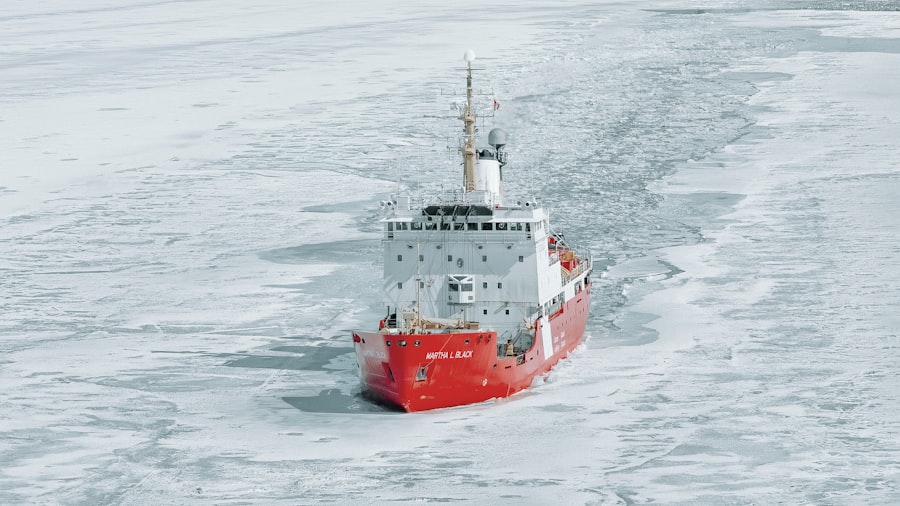
The most advanced equipment and infrastructure are rendered ineffective without highly trained and specialized personnel. The Russian Navy recognizes that operating and maintaining logistical assets in the Arctic requires a unique skillset and a deep understanding of the specific challenges posed by the region. Therefore, a significant focus is placed on personnel training and the development of specialized expertise.
Developing Expertise in Cold-Weather Operations
Operating in extreme cold presents a myriad of challenges, from equipment malfunction to the physiological effects on personnel. The Russian Navy is implementing comprehensive training programs that focus on cold-weather survival, the operation of equipment in sub-zero temperatures, and the prevention of cold-related injuries. This includes specialized drills and simulations that replicate Arctic conditions.
Survival Training and Environmental Adaptation
Personnel undergo rigorous survival training designed to equip them with the skills needed to endure prolonged exposure to extreme cold, navigate treacherous ice formations, and operate effectively in blizzard conditions. This includes learning about hypothermia, frostbite, and the techniques for building emergency shelters. The focus is on adaptability and resilience in an environment that offers little margin for error.
Maintenance and Repair in Extreme Conditions
The maintenance and repair of naval vessels and equipment in the Arctic are vastly different from those in temperate climates. Mechanics and engineers receive specialized training on how to perform these tasks in sub-zero temperatures, often with limited daylight and under challenging environmental conditions. This includes learning about the effects of extreme cold on materials and the use of specialized tools and techniques.
Specialized Training for Ice Navigation and Arctic Seamanship
Navigating through sea ice requires a distinct set of skills and knowledge that goes beyond traditional seamanship. The Russian Navy is investing in training programs that specifically address the intricacies of ice navigation.
Icebreaking Techniques and Route Planning
Sailors and officers are trained in various icebreaking techniques, including the use of ice-strengthened hulls, the understanding of ice dynamics, and the strategic planning of routes through ice-laden waters. This involves learning to read ice charts, predict ice movement, and make real-time adjustments to navigation plans based on changing conditions. Specialized simulators are often used to provide realistic training scenarios.
Understanding Arctic Meteorology and Oceanography
A thorough understanding of Arctic meteorology and oceanography is critical for safe and effective operations. Personnel are trained to interpret weather patterns, understand the formation and behavior of sea ice, and comprehend the complex ocean currents and tides that characterize the region. This knowledge allows for better decision-making and risk mitigation.
Strategic Implications of Enhanced Arctic Logistics
The Russian Navy’s enhanced Arctic logistics are not merely an operational improvement; they carry significant strategic implications for Russia’s position in the High North and on the global stage. This development is intrinsically linked to Russia’s long-term vision for the region, which encompasses resource extraction, the development of the Northern Sea Route, and the assertion of its sovereignty.
Securing and Developing the Northern Sea Route
The Northern Sea Route (NSR) is a critical component of Russia’s Arctic strategy. This maritime passage, running along the country’s northern coast, offers a significantly shorter transit time between Europe and Asia compared to traditional routes. The enhancement of the Russian Navy’s logistical capabilities is crucial for ensuring the safety, security, and reliability of the NSR for both military and commercial shipping.
Facilitating Increased Commercial Shipping Traffic
By providing robust logistical support, including icebreaker escorts, search and rescue capabilities, and port infrastructure, the Russian Navy is paving the way for increased commercial traffic along the NSR. This not only generates economic benefits for Russia through transit fees and port services but also strengthens its influence over this vital waterway. The ability to guarantee safe passage is a prerequisite for attracting international shipping.
Ensuring State Control and Sovereignty
The logistical capabilities are also vital for asserting Russia’s sovereignty over the Arctic territories and waters. The ability to project power, maintain a sustained presence, and respond effectively to any potential security challenges is directly facilitated by a well-developed logistical network. This demonstrates Russia’s commitment to its Arctic claims and its capacity to defend them.
Projecting Power and Maintaining Regional Influence
The enhanced logistical capabilities allow the Russian Navy to project power more effectively throughout the Arctic. This includes the ability to conduct longer-duration patrols, respond rapidly to incidents, and support military exercises in remote areas. This enhanced presence serves to deter potential adversaries and to reinforce Russia’s influence in a region of growing geopolitical importance.
Supporting Arctic Military Exercises and Operations
The ability to sustain complex military exercises across the vast Arctic theater is directly dependent on robust logistical support. The Russian Navy can now conduct more ambitious and prolonged exercises, testing its capabilities in realistic Arctic conditions and demonstrating its readiness to operate in the region. This also allows for the integration of different branches of the armed forces in a joint Arctic operational environment.
Responding to Emergencies and Humanitarian Aid
Beyond military operations, enhanced Arctic logistics are crucial for responding to search and rescue missions, environmental incidents, and providing humanitarian aid to remote Arctic communities. The Russian Navy, with its specialized vessels and forward-deployed assets, is better positioned to offer assistance in these critical situations, further solidifying its role as a key player in the Arctic.
The strategic importance of the Arctic region has led to increased focus on Russian Navy logistics, particularly as the country seeks to enhance its operational capabilities in these challenging environments. For more insights into this topic, you can explore a related article that delves into the complexities and developments surrounding Arctic logistics and naval operations. This article provides a comprehensive overview of the challenges faced by the Russian Navy as it navigates the unique demands of Arctic warfare and logistics. To read more about this, visit this article.
Future Outlook and Challenges
| Metrics | Data |
|---|---|
| Number of Arctic bases | 6 |
| Icebreakers in service | 40 |
| Arctic shipping routes | Northern Sea Route |
| Annual cargo transported | Over 20 million tons |
The Russian Navy’s commitment to enhancing its Arctic logistics is a long-term strategic imperative. However, this ambitious undertaking is not without its challenges, and the future outlook will depend on continued investment, technological innovation, and adaptability to the evolving geopolitical landscape of the Arctic.
Sustaining Investment and Modernization
The ongoing modernization of the Northern Fleet’s logistical capabilities requires sustained and significant financial investment. Economic fluctuations and competing priorities could impact the pace and scope of these enhancements. Russia’s ability to maintain its commitment to this long-term strategy will be a key determinant of its success.
Economic Viability and Resource Allocation
The sheer scale of the Arctic presents enormous logistical and financial challenges. Resource allocation becomes a critical factor, and the government will need to balance investments in Arctic logistics with other national priorities. The economic viability of the Northern Sea Route itself will also influence the level of investment deemed necessary and justifiable.
Technological Evolution and Adaptation
The pace of technological advancement is rapid, and the Russian Navy will need to continuously adapt its logistical strategies and infrastructure to incorporate new innovations. This includes staying abreast of developments in areas such as artificial intelligence, autonomous systems, and advanced materials that can better withstand the Arctic environment.
Navigating Geopolitical Complexities
The Arctic is becoming an increasingly complex geopolitical arena, with multiple nations asserting their interests. The Russian Navy’s enhanced logistical capabilities will inevitably play a role in these dynamics, and its actions will be closely watched by international partners.
International Cooperation vs. Competition
While the focus is on national enhancement, the future of Arctic logistics may also involve opportunities for international cooperation, particularly in areas like search and rescue and environmental protection. However, the underlying geopolitical competition for resources and strategic advantage will continue to shape the landscape. Russia’s approach to managing these competing forces will be crucial.
Environmental Considerations and Sustainability
The harsh Arctic environment is also fragile. The increased activity and logistical operations in the region raise important questions about environmental impact and sustainability. The Russian Navy will need to ensure that its logistical enhancements are conducted with a strong emphasis on environmental protection and minimizing its ecological footprint. This includes developing protocols for waste management, spill prevention, and responsible resource utilization.
In conclusion, the Russian Navy’s enhancement of its Arctic logistics represents a significant and deliberate strategic move. It is a comprehensive effort that touches upon vessel acquisition, infrastructure development, technological integration, and personnel training. This endeavor is driven by Russia’s ambition to secure its interests in the High North, capitalize on the economic potential of the region, and solidify its position as a major Arctic power. The success of this initiative will have far-reaching implications for regional stability, global trade routes, and the evolving geopolitical dynamics of the Arctic.

Russia’s Nuclear Submarines Depend on This Arctic Lifeline
FAQs
What is the Russian Navy’s role in Arctic logistics?
The Russian Navy plays a crucial role in Arctic logistics by providing support for military and civilian activities in the region. This includes ensuring safe navigation, conducting search and rescue operations, and maintaining a military presence in the Arctic.
What challenges does the Russian Navy face in Arctic logistics?
The Russian Navy faces numerous challenges in Arctic logistics, including harsh weather conditions, limited infrastructure, and the vast distances involved. These challenges require specialized equipment, training, and strategic planning to effectively operate in the Arctic region.
How does the Russian Navy support scientific research in the Arctic?
The Russian Navy supports scientific research in the Arctic by providing logistical support for research expeditions, conducting hydrographic surveys, and collaborating with scientific institutions. This support is essential for understanding the environmental changes and resource potential of the Arctic region.
What types of vessels does the Russian Navy use for Arctic logistics?
The Russian Navy uses a variety of vessels for Arctic logistics, including icebreakers, supply ships, and research vessels. These vessels are specially designed to operate in icy conditions and are equipped with advanced navigation and communication systems.
What are the strategic implications of Russian Navy’s activities in the Arctic?
The Russian Navy’s activities in the Arctic have significant strategic implications, including asserting Russia’s presence in the region, protecting its economic interests, and projecting military power. The Arctic is also becoming increasingly important for global trade and energy resources, making it a key area of geopolitical competition.