The psychological landscape of the Vietnam War was as contested and complex as its physical terrain. Beyond the thunder of artillery and the crackle of small arms, a parallel war was being waged, one that targeted the minds and loyalties of both enemy combatants and civilian populations. This was the realm of psychological operations (PSYOP), a critical, often underestimated, component of the American military effort. PSYOP units, though small in number, deployed a multifaceted arsenal of propaganda, information dissemination, and influence campaigns designed to undermine enemy morale, foster support for the South Vietnamese government, and ultimately shape perceptions to achieve strategic objectives.
The origins of psychological warfare in Vietnam can be traced back to earlier conflicts, but the unique political and social context of the Indochina wars necessitated a more sophisticated and integrated approach. Early efforts were often ad hoc, but as the American involvement deepened, so did the formalization and expansion of PSYOP capabilities.
Early American Involvement and French Influence
Even before direct U.S. military intervention, French forces had engaged in propaganda efforts against the Viet Minh. These initial attempts, often rooted in colonial perspectives, were met with limited success. American advisors observed these efforts and began to develop their own strategies, learning from both the successes and failures of their French predecessors. The American approach, however, was increasingly focused on winning hearts and minds, a concept that would become a central tenet, albeit often controversially implemented.
The Rise of Dedicated PSYOP Units
As the conflict escalated in the 1960s, the need for dedicated and professional psychological operations became apparent. The U.S. Army, in particular, began to establish and expand specialized PSYOP battalions. These units were tasked with developing and executing comprehensive campaigns, moving beyond simple leaflet drops to encompass a wider range of media and techniques. Their mandate was to understand the target audience – the Viet Cong, the North Vietnamese Army, and the Vietnamese populace – and craft messages that would resonate with their beliefs, fears, and aspirations.
Adapting to a Unique Battlefield
The unconventional nature of the Vietnam War presented significant challenges for PSYOP. The enemy was often elusive, operating within civilian populations, making clear targeting and message delivery difficult. Furthermore, the political complexities of the war, including the strong nationalist sentiment and the perceived foreign intervention, meant that simple anti-communist messaging was not always effective. PSYOP units had to adapt their strategies, employing themes of national unity, economic development, and the perceived threat of communism to achieve their goals.
During the Vietnam War, psychological operations played a crucial role in shaping public perception and influencing both enemy and civilian populations. For a deeper understanding of the strategies and impacts of these operations, you can explore the article titled “The Role of Psychological Operations in the Vietnam War” available at In the War Room. This article delves into various tactics employed during the conflict and their effectiveness in achieving military objectives.
The Arsenal of Influence: PSYOP Tools and Techniques
The psychological operations conducted in Vietnam were diverse and adaptable, employing a range of methods to reach and influence their target audiences. These tools were not limited to traditional propaganda; they sought to engage on multiple levels, from the individual soldier to entire communities.
Leaflets and Printed Materials: The Ubiquitous Messenger
Leaflets were perhaps the most recognizable and frequently used PSYOP tool. These were dropped in vast quantities, often from aircraft, targeting enemy positions, villages, and areas suspected of harboring Viet Cong sympathizers. The content of these leaflets varied widely. Some offered incentives for defection, promising food, shelter, and safe passage to government-controlled areas. Others warned of the consequences of continued resistance, highlighting the futility of fighting and the potential for harm to their families.
Themes and Messaging in Leaflets
The messages on these leaflets were carefully crafted to exploit known grievances and desires. Common themes included:
- Appeals to Family and Home: Many leaflets emphasized the suffering of families left behind and urged soldiers to return to their loved ones. This tapped into a deeply ingrained cultural value.
- Promises of Amnesty and Reintegration: For Viet Cong and NVA soldiers, leaflets offered clear pathways to surrender, promising no retribution and opportunities for a new life. The “Chieu Hoi” (Open Arms) program was heavily promoted.
- Exposing Viet Cong/NVA Brutality: Some leaflets aimed to erode support for the enemy by highlighting their perceived cruelty, corruption, or disregard for civilian lives. This was a more challenging tactic given the often biased nature of such claims.
- Highlighting Government Benefits and Progress: Countering enemy propaganda, leaflets promoted the positive aspects of the South Vietnamese government, including land reform, economic aid, and educational opportunities.
Radio Broadcasts: Reaching the Masses
Radio proved to be a potent medium for PSYOP, allowing for more nuanced and persuasive messaging. Both South Vietnamese and American forces operated radio stations that broadcasted news, music, and targeted propaganda programs. These broadcasts could reach a wider audience than leaflets and allowed for the use of audio to convey emotion and build rapport.
Voice of America and Radio Vietnam
Radio Vietnam, often supported by American technical assistance, aimed to provide an alternative to enemy propaganda and to build a sense of national identity and support for the government. Voice of America (VOA) also played a significant role, broadcasting news and cultural programs that, while not always directly propagandistic, served to present the American perspective and counter negative perceptions.
Exploiting Enemy Radio Frequencies
PSYOP units also employed more aggressive tactics, including attempting to jam or broadcast over enemy radio frequencies. This was a constant cat-and-mouse game, with both sides trying to dominate the airwaves. The aim was to disrupt enemy communication, sow confusion, and inject pro-government messages into enemy-controlled broadcasts.
Loudspeaker Operations: Direct Engagement
Loudspeaker systems, mounted on vehicles or aircraft, allowed for direct, real-time communication with enemy units or civilian populations. These operations were often conducted during lulls in combat or in areas with a significant enemy presence.
Psychological “Kissing” and Surrender Appeals
Loudspeaker teams would often play music, deliver messages of goodwill, or make direct appeals for surrender. These were sometimes referred to as “psychological kissing” operations, designed to be disarming and non-threatening. They aimed to create an atmosphere of doubt and encourage defections. The “Chieu Hoi” program was also heavily promoted through these channels, offering immediate incentives for surrender.
Warning and Evacuation Orders
In certain situations, loudspeakers were used to warn civilians of impending military operations or to order evacuations, thereby aiming to minimize civilian casualties and, in some cases, to indirectly impact enemy operations by displacing populations.
Cultural and Social Programs: Winning Hearts and Minds
Beyond direct propaganda, PSYOP recognized the importance of engaging with the Vietnamese population on a cultural and social level. This involved supporting development projects, providing medical assistance, and fostering positive interactions between American forces and villagers.
Civic Action and Humanitarian Aid
Civic action programs, often run in conjunction with military operations, provided essential services like building schools, digging wells, and distributing medicine. While the primary goal was often to build goodwill and demonstrate the benevolence of the allied forces, these actions also served a psychological purpose by improving living conditions and undermining enemy claims of exploitation.
Information Centers and Village Outreach
Information centers were established in villages to provide news, educational materials, and a venue for dialogue. PSYOP personnel would engage with villagers, listen to their concerns, and attempt to build trust. These efforts were crucial for understanding local sentiment and tailoring messaging accordingly.
Targeting the Enemy: Undermining Morale and Inducing Defection
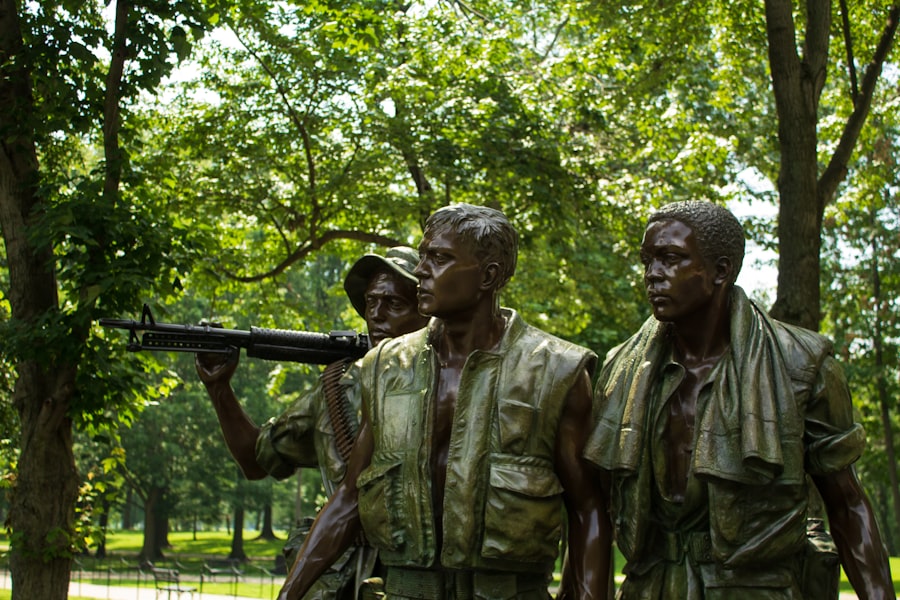
A primary objective of PSYOP in Vietnam was to degrade the fighting effectiveness of the Viet Cong and the North Vietnamese Army by eroding their morale and encouraging defections. This was a complex undertaking, as the enemy was often highly motivated and ideologically committed.
The “Chieu Hoi” Program: A Tangible Incentive
The “Chieu Hoi” (Open Arms) program was one of the most significant and sustained PSYOP initiatives. It offered a clear and tangible pathway for enemy combatants to surrender. Upon surrender, defectors were typically given food, shelter, medical care, and often a small monetary incentive. They were also offered the opportunity to be reintegrated into South Vietnamese society or to even join the South Vietnamese forces.
Successes and Limitations of “Chieu Hoi”
The “Chieu Hoi” program achieved considerable success in terms of the sheer number of defectors. Tens of thousands of Viet Cong and NVA soldiers surrendered through this program. However, the long-term effectiveness and loyalty of these defectors were often questioned. Some were genuine in their desire to defect, while others may have surrendered due to battlefield pressures or the promise of immediate relief. Ensuring their continued loyalty and preventing their re-infiltration or return to the enemy was a persistent challenge.
Exploiting Enemy Weaknesses and Grievances
PSYOP analysts meticulously studied the enemy, identifying their vulnerabilities and grievances. These included issues like low morale due to harsh conditions, perceived corruption within their leadership, and the growing disillusionment with the protracted nature of the war.
Propaganda Highlighting Hardship and Corruption
Leaflets and broadcasts often focused on the harsh realities of guerrilla warfare, the lack of adequate supplies, and the heavy casualties sustained by the Viet Cong and NVA. Propaganda also sought to highlight instances of corruption or favoritism within the enemy command structure, aiming to sow seeds of distrust and resentment among the rank and file.
Psychological Warfare Against Isolated Units
In situations where enemy units were surrounded or cut off, PSYOP efforts would intensify, aiming to demoralize them and encourage surrender. This could involve continuous loudspeaker broadcasts, leaflet drops with specific surrender instructions, and the creation of an atmosphere of isolation and hopelessness.
Countering Enemy Propaganda
The Viet Cong and NVA were also adept at psychological warfare, utilizing their own propaganda to demonize the American presence, promote the communist ideology, and foster nationalist sentiment. PSYOP units had to constantly work to counter these narratives and present an alternative perspective.
Debunking Enemy Claims and Misinformation
A key aspect of counter-propaganda involved identifying and debunking specific enemy claims, whether they related to military victories, the brutality of allied forces, or the perceived intentions of the South Vietnamese government. This required a deep understanding of enemy messaging and the ability to respond quickly and effectively.
Promoting the Narrative of Freedom and Opportunity
In contrast to the communist narrative of revolution and liberation, PSYOP aimed to promote the vision of a free and prosperous South Vietnam, where individuals had the opportunity to pursue their own dreams. This was a challenging message to convey, especially in areas suffering from widespread poverty and instability.
Winning Hearts and Minds: Influencing the Civilian Population

Beyond the battlefield, a significant focus of PSYOP was on influencing the loyalty and support of the Vietnamese civilian population. This was recognized as crucial for the long-term success of the war effort, as the Viet Cong relied heavily on popular support for intelligence, recruitment, and logistical assistance.
The “Chieu Hoi” Program and Civilian Integration
The “Chieu Hoi” program extended beyond enemy combatants to include civilians who had been associated with the Viet Cong. These individuals were offered similar incentives for reintegration, with the aim of separating the insurgency from its civilian base of support.
Reintegration and Surveillance
The reintegration process for defectors, both military and civilian, was a delicate balance between offering genuine support and ensuring their loyalty. Surveillance and monitoring were often employed to prevent them from rejoining the insurgency or acting as enemy agents.
Information Dissemination and Education
PSYOP units played a role in disseminating information about the South Vietnamese government, its policies, and its efforts to improve the lives of its citizens. This included providing access to news, educational materials, and promoting literacy.
Promoting Government Programs and Policies
Leaflets, radio broadcasts, and community outreach efforts were used to inform the population about government initiatives such as land reform, economic development projects, and the provision of social services. The aim was to demonstrate the government’s commitment to its people and to contrast it with the perceived shortcomings of the insurgency.
Building Trust and Understanding
Building trust between the allied forces and the Vietnamese population was a paramount objective. This involved not only delivering positive messages but also actively listening to the concerns of the villagers, respecting their customs, and addressing their immediate needs.
Cultural Understanding and Adaptation
Effective PSYOP required a deep understanding of Vietnamese culture, traditions, and values. PSYOP personnel were trained in cultural awareness, and their messaging was often adapted to resonate with local beliefs and sensitivities.
Respecting Local Customs and Beliefs
Missteps in cultural understanding could be detrimental to PSYOP efforts. Therefore, careful attention was paid to ensuring that messaging and actions did not inadvertently offend or alienate the population. This included understanding religious practices, family structures, and social hierarchies.
Utilizing Local Influencers
Identifying and working with respected local figures, such as village elders, religious leaders, and community organizers, was a key strategy. These individuals could act as trusted intermediaries, helping to convey messages and build support for the government.
Psychological operations played a crucial role during the Vietnam War, influencing both military strategies and public perception. For a deeper understanding of these tactics and their implications, you can explore a related article that delves into the intricacies of psychological warfare in this conflict. This insightful piece highlights how psychological operations were employed to shape the attitudes and behaviors of both enemy forces and the civilian population. To read more about this fascinating topic, visit this article for an in-depth analysis.
Challenges, Criticisms, and Legacy
| Psychological Operations Vietnam War | Metrics |
|---|---|
| Leaflet Drops | Over 29 million leaflets dropped |
| Radio Broadcasts | Over 30,000 hours of radio broadcasts |
| Safe Conduct Passes | Over 29 million safe conduct passes distributed |
| Chieu Hoi Program | Over 90,000 Viet Cong defectors |
Despite the extensive efforts undertaken, psychological operations in Vietnam faced significant challenges and drew considerable criticism. The complex socio-political environment, the nature of the conflict, and inherent limitations of propaganda meant that their impact was often debated and their effectiveness questioned.
The Credibility Gap and Mistrust
A significant challenge for PSYOP was the “credibility gap” – the perceived disconnect between official statements and the reality on the ground. Reports of civilian casualties, corruption within the South Vietnamese government, and the perceived futility of the war eroded trust, making it difficult for PSYOP messages to be accepted at face value.
Discrepancies Between Propaganda and Reality
When propaganda promised peace and prosperity, but the reality was marked by violence and instability, the credibility of the messages suffered. The inherent difficulty in winning “hearts and minds” in a prolonged and brutal conflict could not be overcome solely by information campaigns.
Ethical Considerations and Propaganda Tactics
The ethical implications of psychological operations were a constant source of debate. Critics argued that some PSYOP tactics, such as the use of deception, exaggeration, or the exploitation of fear, were morally questionable. The line between persuasion and manipulation was often blurred.
The Morality of Deception and Manipulation
Questions were raised about the extent to which PSYOP employed deceitful tactics. While the goal was to influence behavior, the methods used often fell into a grey area, leading to accusations of propaganda being a form of psychological manipulation.
Measuring Effectiveness and Impact
Quantifying the precise impact of PSYOP campaigns proved to be exceptionally difficult. While metrics like the number of defectors or the distribution of leaflets could be tracked, discerning the direct causal link between these actions and shifts in attitude or behavior was challenging.
Difficulties in Gauging True Influence
It was hard to determine whether individuals surrendered due to genuine belief in the PSYOP message, or simply because of immediate circumstances or incentives. The complex interplay of factors influencing allegiance made it difficult to isolate the impact of psychological operations.
The Enduring Legacy of PSYOP in Vietnam
The Vietnam War served as a crucible for the development of modern psychological operations. The lessons learned, both positive and negative, continue to inform military doctrine and practice today. The emphasis on understanding target audiences, tailoring messages, and utilizing a multi-faceted approach to influence remains central to PSYOP.
Lessons Learned for Future Conflicts
The Vietnam experience highlighted the importance of integrating PSYOP with other military and diplomatic efforts. It underscored the need for cultural sensitivity, credibility, and a long-term commitment to winning the trust and support of local populations.
The Evolving Role of Information Warfare
The sophisticated use of media, the development of psychological profiles, and the understanding of information flow in the Vietnam War laid the groundwork for the evolution of information warfare in subsequent conflicts. The digital age has further amplified the reach and complexity of these operations.
In conclusion, psychological operations in Vietnam were a significant, albeit complex and controversial, aspect of the war. They represented a concerted effort to wage war not just on the battlefield, but within the minds of combatants and civilians alike. While their ultimate success in achieving decisive victory remains a subject of historical debate, the strategies, techniques, and challenges encountered in Vietnam undeniably shaped the future of psychological warfare and continue to resonate in contemporary conflicts.
The Vietnam Plot That Made Soldiers Fear Their Own Guns
FAQs
What were psychological operations in the Vietnam War?
Psychological operations (PSYOP) in the Vietnam War were a form of warfare that aimed to influence the emotions, attitudes, and behavior of enemy forces and civilian populations. PSYOP included tactics such as leaflet drops, loudspeaker broadcasts, and radio broadcasts to spread propaganda and demoralize the enemy.
How were psychological operations used in the Vietnam War?
PSYOP in the Vietnam War were used to undermine the morale of enemy forces, disrupt their communication and supply lines, and gain support from the civilian population. Leaflets were dropped from aircraft or distributed by ground forces, while loudspeaker broadcasts were used to communicate messages to enemy soldiers and civilians.
What were the goals of psychological operations in the Vietnam War?
The goals of psychological operations in the Vietnam War were to weaken the resolve of enemy forces, create dissension and confusion among their ranks, and gain support from the civilian population. PSYOP aimed to influence the attitudes and behavior of both enemy combatants and non-combatants.
Who conducted psychological operations in the Vietnam War?
Psychological operations in the Vietnam War were conducted by the United States military, specifically the United States Army and the United States Marine Corps. Special units and teams were dedicated to planning and executing PSYOP missions throughout the conflict.
What impact did psychological operations have on the Vietnam War?
The impact of psychological operations in the Vietnam War is difficult to measure, but they were considered an important aspect of the overall military strategy. PSYOP were used to disrupt enemy operations, gather intelligence, and influence the attitudes of both enemy forces and the civilian population. However, their overall effectiveness and impact on the outcome of the war remain a topic of debate among historians and military experts.