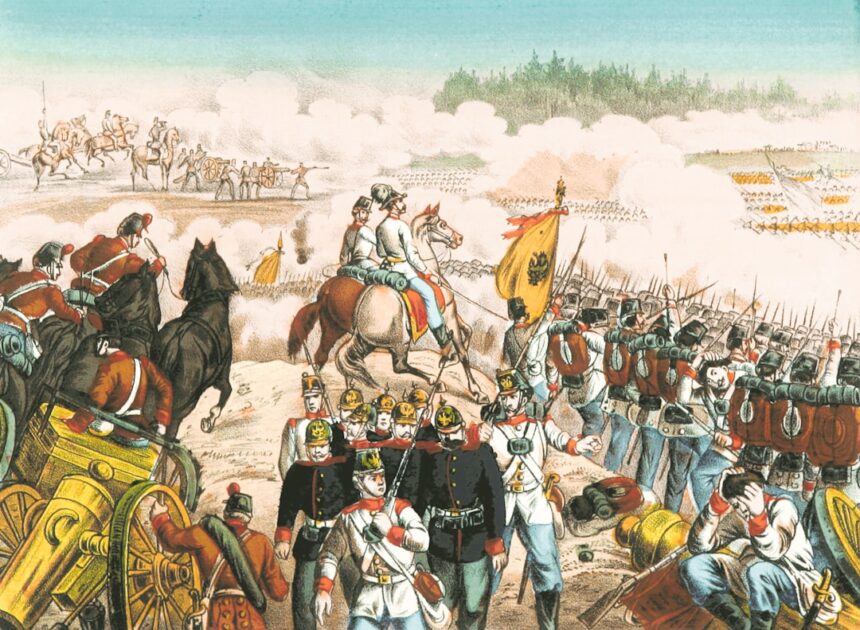
Prussian command philosophy, a bedrock of military thought for centuries, offers a profound and enduring framework for leadership that transcends the battlefield. Its principles, forged in the crucible of war and honed through rigorous training and a unique societal ethos, continue to resonate in contemporary leadership discussions. Far from being a relic of a bygone era, Prussian thought provides a sophisticated and adaptable approach to achieving success, not just in military endeavors, but in any complex organization striving for excellence. This philosophy is characterized by a deep understanding of human nature, a commitment to rigorous preparation, and an unwavering focus on achieving objectives. It emphasizes the crucial interplay between individual initiative and disciplined adherence to a higher purpose.
At the heart of Prussian command philosophy lies a duality of virtues: overt and covert. The overt virtues are readily apparent, forming the visible edifice of effective leadership. These are the traits that subordinates can easily observe and that inspire confidence and respect. Conversely, the covert virtues are more subtle, internal qualities that shape the leader’s decision-making, their resilience under pressure, and their ability to foster a deep sense of loyalty and shared purpose. Understanding and cultivating both sets of virtues is essential for anyone seeking to emulate the success of Prussian commanders.
Overt Virtues: The Visible Manifestations of Command
The overt virtues are the outward expressions of a leader’s competence and character. They are the qualities that, when consistently demonstrated, build trust and credibility. These are not merely abstract ideals but tangible behaviors that shape the operational environment and influence the morale of those under command.
Courage and Decisiveness: The Unwavering Gaze
Courage, in the Prussian context, is not the absence of fear, but the mastery of it. It is the ability to act decisively in the face of uncertainty and danger, to project an aura of calm resolve even when the odds are stacked against them. This courage extends beyond physical bravery on the battlefield; it encompasses the moral courage to make difficult decisions, to hold subordinates accountable, and to stand by one’s convictions.
The Art of Calculated Risk
Prussian leaders understood that inaction could be as detrimental as a hasty decision. Their approach to risk was not reckless abandon, but a calculated assessment of potential outcomes. This involved thorough intelligence gathering, understanding the strengths and weaknesses of both their own forces and the enemy, and making informed choices that balanced potential gains against potential losses. Decisiveness was the natural outflow of this calculated assessment, ensuring that opportunities were seized and situations were not allowed to fester.
Integrity and Impartiality: The Foundation of Trust
Integrity is the bedrock upon which all other leadership virtues are built. For Prussian commanders, this meant an unwavering commitment to honesty, ethical conduct, and the fulfillment of their duties. Impartiality was equally crucial; leaders were expected to treat all subordinates fairly, regardless of rank or personal connection, basing their judgments and decisions on merit and objective criteria. This fostered an environment where competence was recognized and rewarded, and where loyalty was earned through just treatment.
Building a Culture of Accountability
The emphasis on integrity and impartiality directly contributed to a robust culture of accountability. Leaders held themselves to the highest standards and expected the same from their subordinates. This was not about punishment for its own sake, but about ensuring that every individual understood their responsibilities and the consequences of failing to meet them. This created a disciplined force where everyone understood their role in the larger mission.
Competence and Professionalism: The Mastery of the Craft
Prussian military education was renowned for its rigor, and this emphasis on competence extended to leadership. Commanders were expected to possess a deep understanding of military strategy, tactics, logistics, and the capabilities of their forces. Professionalism manifested in meticulous planning, attention to detail, and a constant pursuit of improvement. This meant staying abreast of evolving military technologies and doctrines, and ensuring their own skills and knowledge remained sharp.
Continuous Learning and Adaptation
The concept of continuous learning was ingrained in the Prussian military ethos. Leaders were encouraged to analyze past operations, to learn from both successes and failures, and to adapt their approaches accordingly. This adaptability was essential in a constantly evolving strategic landscape, ensuring that the Prussian military remained at the forefront of military innovation.
Covert Virtues: The Inner Strength of Leadership
While overt virtues are visible to all, covert virtues are the internal qualities that fuel a leader’s resilience, their ability to inspire, and their capacity for deep strategic thinking. These are the attributes that often make the difference between a competent commander and a truly exceptional one.
Resilience and Fortitude: The Unbreakable Spirit
The ability to withstand adversity, to bounce back from setbacks, and to maintain composure under extreme pressure is a hallmark of Prussian leadership. This resilience was not born of stoicism alone, but of a deep-seated belief in the mission and an understanding of the importance of perseverance. Leaders were expected to embody a spirit of fortitude, inspiring their troops to push through hardship and to never give up.
Psychological Toughness in the Face of Adversity
The mental fortitude required to lead in war is immense. Prussian commanders cultivated psychological toughness, developing strategies to manage stress, maintain focus, and make sound judgments even when facing overwhelming odds. This internal strength was contagious, bolstering the morale and fighting spirit of their soldiers.
Humility and Self-Awareness: The Grounding of Power
Despite their authority, Prussian leaders were encouraged to cultivate humility. This did not imply a lack of confidence, but rather a realistic understanding of their own limitations and a recognition of the contributions of others. Self-awareness allowed them to identify their strengths and weaknesses, to seek counsel when needed, and to avoid the pitfalls of arrogance and overconfidence.
The Wisdom of Seeking Counsel
True strength, in the Prussian view, was not about solitary decision-making, but about leveraging the collective wisdom of the command structure. Humble leaders were more likely to solicit advice from their experienced officers and NCOs, fostering a collaborative environment where the best ideas could emerge and be implemented.
Loyalty and Dedication: The Unseen Bonds
While loyalty to the sovereign and the state was paramount, Prussian leaders also fostered a deep sense of loyalty within their ranks. This was achieved through consistent demonstration of care for their soldiers’ well-being, by fighting alongside them, and by sharing in their hardships. Dedication to the mission was an unwavering commitment that permeated all levels of command.
Fostering Esprit de Corps
The creation of strong bonds of camaraderie and shared purpose, known as “esprit de corps,” was a crucial element of Prussian leadership. Leaders understood that soldiers fought harder and were more willing to endure sacrifice when they felt a deep connection to their comrades and a shared commitment to their unit and its objectives.
Prussian command philosophy, known for its emphasis on decentralized decision-making and the initiative of subordinate leaders, has influenced military strategies worldwide. For a deeper understanding of this topic and its historical context, you can explore a related article that discusses the evolution of military command structures and their implications in modern warfare. To read more, visit this article.
The Art of Command: Decentralization and Mission Command
Prussian command philosophy is renowned for its emphasis on decentralization and the concept of “Auftragstaktik,” often translated as Mission Command. This approach empowers subordinates to act with initiative within the broader strategic framework, fostering agility and adaptability on the battlefield. It recognizes that the commander cannot micromanage every situation and that effective leadership requires trusting subordinates to execute their roles effectively.
Auftragstaktik: The Empowered Subordinate
Auftragstaktik is more than just delegation; it is a philosophy that imbues subordinates with a clear understanding of the overall mission and the desired end state. Commanders provide clear objectives, the resources to achieve them, and the freedom to determine the best means to do so. This requires extensive training and a deep understanding of the commander’s intent.
The Clarity of Intent: Beyond the Explicit Order
For Mission Command to be effective, the commander’s intent must be communicated with absolute clarity. This involves not only outlining the tactical objectives but also the strategic purpose behind them, the commander’s vision for the future, and the parameters within which subordinates are empowered to operate. This depth of understanding allows for improvisation and adaptation when unforeseen circumstances arise.
Developing Initiative and Judgment
The practice of Mission Command actively cultivates initiative and sound judgment in subordinates. By entrusting them with decision-making authority, leaders encourage them to think critically, to assess situations independently, and to develop their problem-solving skills. This, in turn, creates a more capable and adaptable fighting force.
Decentralization and Initiative: The Dynamic Battlefield
The inherent chaos and unpredictability of warfare necessitate a command structure that can respond quickly and effectively to changing circumstances. Prussian commanders recognized that a rigid, top-down approach would be a liability. Decentralization allows for faster decision-making at the point of contact, leveraging the intimate knowledge of junior leaders and the rapid reactions of troops on the ground.
Empowering Junior Leaders: The Crucial Role of the NCO
The Prussian military placed significant emphasis on the training and empowerment of non-commissioned officers (NCOs). These leaders, who were often closer to the troops than the officers, were entrusted with significant responsibility and given the authority to make decisions within their spheres of influence. This ensured that leadership was present at all levels of the organization.
The Trust-Based Relationship Between Officer and NCO
A critical component of successful decentralization was the trust-based relationship between officers and NCOs. Officers understood that NCOs possessed invaluable practical knowledge and insight, and NCOs understood the broader strategic vision of the officers. This symbiotic relationship ensured effective communication and coordinated action.
Training and Education: Forging the Prussian Officer Corps

The distinctive success of the Prussian military was inextricably linked to its rigorous and comprehensive system of training and education. This was not merely about imparting technical skills, but about shaping the character, intellect, and moral compass of its officers. The goal was to produce leaders who were not only competent warriors but also intelligent thinkers and responsible citizens.
The Emphasis on Theoretical and Practical Application
Prussian military education was characterized by a balanced approach, integrating theoretical instruction with practical application. Students studied military history, strategy, tactics, and logistics, but they also engaged in extensive field exercises, simulated battles, and leadership development programs. This ensured that they could translate theoretical knowledge into effective action.
The Importance of Military History and Case Studies
The study of military history was a cornerstone of Prussian officer education. Commanders analyzed past campaigns, dissecting the strategies, tactics, and leadership decisions that led to success or failure. This provided invaluable lessons and a historical perspective that informed their own thinking and decision-making.
Learning from Past Victories and Defeats
By examining both triumphs and defeats, Prussian officers gained a nuanced understanding of the complexities of warfare. They learned to identify patterns, to anticipate potential challenges, and to avoid repeating the mistakes of previous generations. This continuous process of learning from history was crucial for maintaining military superiority.
The Development of Leadership Qualities Beyond the Battlefield
Prussian education extended beyond the purely military. It aimed to cultivate well-rounded individuals with strong intellectual capabilities, a keen sense of duty, and a deep understanding of civic responsibility. This holistic approach produced officers who were not only effective in war but also influential in society.
Cultivating Intellectual Rigor and Critical Thinking
Prussian training fostered intellectual rigor, encouraging officers to think critically, to question assumptions, and to develop independent judgment. This was achieved through rigorous debate, problem-solving exercises, and exposure to a broad range of intellectual disciplines.
The Role of Philosophy and the Humanities
While the military focus was evident, the inclusion of philosophy and the humanities in officer education provided a broader intellectual foundation. This helped officers develop a more nuanced understanding of human motivations, ethical dilemmas, and the broader societal implications of their actions, preparing them for leadership roles beyond the military sphere.
The Culture of Discipline and Duty: The Backbone of Success
Discipline and a profound sense of duty formed the unyielding backbone of Prussian military success. These were not merely external constraints but internalized values that guided the actions of every soldier and officer. This deeply ingrained culture fostered an environment where order, efficiency, and unwavering commitment to the mission were paramount.
Internalized Discipline: Beyond Mere Obedience
Prussian discipline was not characterized by blind obedience but by a deep understanding of the reasons behind orders and a personal commitment to their execution. This internalized discipline meant that soldiers and officers acted with responsibility and initiative, even in the absence of direct supervision.
The Cultivation of Self-Control and Orderliness
The emphasis on self-control and orderliness permeated all aspects of Prussian military life. This extended from personal appearance and barracks upkeep to the meticulous planning and execution of operations. This ingrained habit of orderliness contributed to the efficiency and effectiveness of the entire organization.
The Importance of Routine and Ritual
Routine and ritual played a significant role in fostering discipline within the Prussian military. These structured activities reinforced the importance of order, provided a sense of continuity, and helped to instill a collective sense of purpose and shared identity.
The Unwavering Commitment to Duty: Service Above Self
Duty, in the Prussian lexicon, was an almost sacred concept. It represented an obligation to the state, to one’s comrades, and to the mission that superseded personal desires or comforts. This unwavering commitment to duty inspired extraordinary acts of bravery and sacrifice.
The Concept of “Pflichtbewusstsein” (Sense of Duty)
“Pflichtbewusstsein” encapsulated the deeply ingrained sense of obligation and responsibility that characterized Prussian soldiers and officers. This internalized moral imperative guided their actions and fueled their dedication, even in the face of extreme hardship and personal peril.
The Leader as the Embodiment of Duty
Prussian leaders understood that they had to embody the very concept of duty they expected from their subordinates. Their actions, their sacrifices, and their unwavering commitment to the mission served as a powerful example, inspiring loyalty and dedication throughout the ranks.
Prussian command philosophy has significantly influenced military strategies around the world, emphasizing decentralized decision-making and the importance of initiative among lower-ranking officers. For a deeper understanding of how these principles have shaped modern warfare, you can explore a related article that discusses the evolution of military command structures. This insightful piece can be found at In the War Room, where you will discover how historical practices continue to resonate in contemporary military operations.
Legacy and Modern Relevance: Enduring Principles for Today’s Leaders
| Prussian Command Philosophy | Metric |
|---|---|
| Unity of Command | One leader is responsible for each task or objective |
| Mission Command | Empowering subordinates to make decisions based on commander’s intent |
| Decisive Action | Emphasizing speed and initiative in decision-making and execution |
| Discipline | Strict adherence to orders and regulations |
The legacy of Prussian command philosophy is undeniable. Its principles have shaped military doctrine across the globe and continue to offer valuable insights for leaders in all fields. The emphasis on preparation, clear intent, empowered subordinates, and a strong ethical foundation remains profoundly relevant in today’s complex and rapidly changing world.
Adaptability of Prussian Principles to Civilian Leadership
The core tenets of Prussian command philosophy – decisiveness, integrity, competence, resilience, and clear communication – are directly transferable to the civilian sector. Businesses, government agencies, and non-profit organizations all face challenges that can be effectively addressed by applying these time-tested leadership principles.
The Importance of Strategic Vision in Business
Just as Prussian generals planned campaigns with a clear strategic vision, modern business leaders must establish a clear vision for their organizations. This vision provides direction, inspires employees, and guides decision-making across all levels of the company.
Fostering a Culture of “Auftragstaktik” in Organizations
The principles of Mission Command can be adapted to create more agile and innovative organizations. By empowering teams and individuals with clear objectives and the autonomy to achieve them, companies can foster a sense of ownership, accelerate decision-making, and unlock greater potential.
The Enduring Call for Ethical Leadership
In an era where ethical lapses can have far-reaching consequences, the Prussian emphasis on integrity and impartiality serves as a crucial reminder of the importance of strong moral leadership. The principles of accountability and fairness are just as vital in the boardroom as they are on the battlefield.
Leading by Example: The Power of Integrity
Prussian commanders understood that their personal conduct was under constant scrutiny. This principle remains paramount for today’s leaders, who must demonstrate unwavering integrity to build trust and inspire confidence within their organizations.
The Continuous Pursuit of Excellence
The Prussian commitment to continuous learning and improvement is a timeless lesson. In a world of constant change, leaders must foster a culture that embraces innovation, embraces challenges, and continuously strives for excellence in all endeavors. The enduring wisdom of Prussian command philosophy offers a powerful roadmap for success.

The Military Machine That Didn’t Need a Napoleon
FAQs
What is the Prussian command philosophy?
The Prussian command philosophy refers to the military leadership principles and practices developed by the Prussian Army in the 19th century, which heavily influenced modern military doctrine.
What are the key principles of the Prussian command philosophy?
The key principles of the Prussian command philosophy include mission-type tactics, decentralized decision-making, and the cultivation of initiative and leadership at all levels of the military hierarchy.
How did the Prussian command philosophy influence modern military doctrine?
The Prussian command philosophy heavily influenced modern military doctrine by emphasizing the importance of decentralized command, flexibility, and the empowerment of junior officers and non-commissioned officers.
Who were some notable proponents of the Prussian command philosophy?
Notable proponents of the Prussian command philosophy include military leaders such as Helmuth von Moltke the Elder and Carl von Clausewitz, who played key roles in developing and implementing these principles within the Prussian Army.
What impact did the Prussian command philosophy have on military history?
The Prussian command philosophy had a significant impact on military history, particularly during the 19th and 20th centuries, as it influenced the tactics and strategies of various military forces around the world, including the German Army during World War I and World War II.