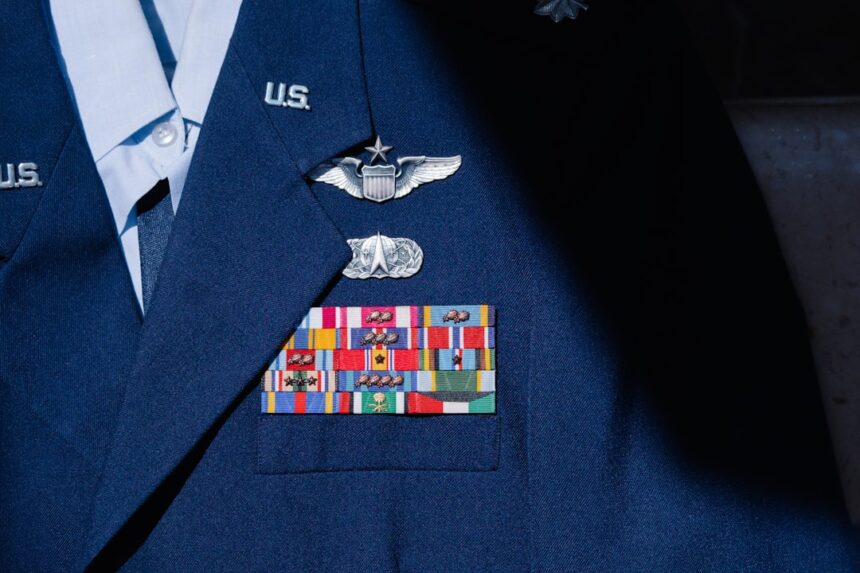
Preserving military institutional memory is a critical undertaking for any nation’s armed forces. It encompasses the collective knowledge, experiences, lessons learned, and cultural understanding that have been accumulated over time. This memory is not merely a passive repository of historical facts; it is a dynamic force that informs present-day decision-making, shapes future strategies, and ensures the continuity and effectiveness of the military institution. Without conscious and robust efforts to preserve it, this invaluable asset can erode, leading to repeated mistakes, inefficiency, and a diminished capacity to adapt and prevail in a constantly evolving global landscape.
The preservation of military institutional memory is built upon several fundamental pillars, each contributing to a comprehensive and accessible understanding of the institution’s past. These pillars are not isolated components but rather interconnected elements that reinforce each other.
Documenting Operational Experiences
The bedrock of military institutional memory lies in the meticulous documentation of operational experiences. Every mission, every deployment, and every engagement generates a wealth of information that, if properly captured, becomes a vital learning resource.
After-Action Reviews (AARs) and Lessons Learned Reports
The After-Action Review (AAR) process is perhaps the most widely recognized mechanism for capturing operational insights. Immediately following an operation, AARs bring together participants to discuss what went well, what could have been improved, and what was learned. These discussions are then formalized into Lessons Learned reports. These reports are not simply historical artifacts; they are intended to be living documents that inform future planning and training. The challenge lies in ensuring that these reports are not just filed away but actively analyzed, disseminated, and integrated into doctrine, training curricula, and strategic thinking. A robust system for categorizing, searching, and retrieving these lessons is essential to prevent them from becoming lost in an ever-growing archive.
Operational Logs and After-Action Summaries
Beyond formal AARs, operational logs and after-action summaries provide granular details of events as they unfolded. These documents, often maintained by units themselves, offer a ground-level perspective that can be invaluable for understanding the nuances of combat and non-combat operations. They capture the challenges faced, the innovative solutions devised, and the human element of military action. The accessibility and systematic collection of these more detailed records are crucial for a comprehensive understanding of operational realities.
Command and Staff Records
The decisions made by commanders and their staffs are pivotal to the success or failure of military operations. Command logs, staff meeting minutes, decision papers, and situational reports all contribute to a rich tapestry of the strategic and tactical considerations at play. Preserving these records allows for an examination of the rationale behind key decisions, providing insights into leadership styles, planning processes, and the evolution of strategic thinking.
Archiving and Historical Records
The formal archiving of military records is a cornerstone of preserving institutional memory. This involves the systematic collection, organization, and preservation of a vast array of documents, artifacts, and digital assets that chronicle the military’s history.
Official Histories and Publications
The production of official histories is a long-standing practice in many militaries. These comprehensive narratives, often written by dedicated historians, provide detailed accounts of campaigns, conflicts, and the evolution of military organizations. Beyond formal histories, other official publications, such as doctrinal manuals, training guides, and organizational histories, also contribute to the collective memory by codifying knowledge and practices. The challenge here is to ensure these histories are written with critical objectivity and are accessible to current and future generations of military personnel.
Unit Histories and Command Chronologies
Individual units and commands often maintain their own historical records, which can offer a more localized and detailed perspective. Unit histories and command chronologies document the specific experiences, achievements, and challenges of particular formations. These records can provide invaluable context for understanding the broader military narrative and can be a rich source for research and learning at the unit level.
Oral Histories and Personal Accounts
While written records are essential, the human element of military experience is often best captured through oral histories and personal accounts. Interviews with veterans, commanders, and personnel who served in various capacities provide invaluable firsthand perspectives on events, decision-making, and the human cost of conflict. These narratives offer emotional depth, anecdotal evidence, and insights that are often absent from official documents. Establishing robust programs for recording, transcribing, and archiving oral histories is a critical component of a comprehensive preservation strategy.
Digital Archives and Data Management
In the modern era, a significant portion of military information is generated and stored in digital formats. Preserving this digital heritage presents unique challenges, including data obsolescence, format compatibility, and the sheer volume of information. Establishing secure, accessible, and future-proof digital archives is paramount. This requires sophisticated data management systems, regular migration of data to new formats, and robust cybersecurity measures to protect this invaluable repository of institutional memory.
Military institutional memory plays a crucial role in shaping the effectiveness and resilience of armed forces, as it encompasses the lessons learned, experiences, and historical knowledge that are passed down through generations. For a deeper understanding of this concept and its implications for military operations, you can explore the article available at In the War Room. This resource provides valuable insights into how maintaining a robust institutional memory can enhance decision-making and strategic planning within military organizations.
The Cultural Imperative of Knowledge Transfer
Beyond the tangible records, the preservation of military institutional memory is deeply intertwined with its culture. Knowledge transfer is not solely about accessing documents; it is about fostering an environment where learning from the past is valued, encouraged, and actively practiced.
Formal Education and Training Programs
Military academies and professional military education institutions play a crucial role in transmitting institutional memory to successive generations of leaders and personnel.
Curriculum Development and Integration of Historical Case Studies
The curricula of military education programs should be designed to systematically integrate historical case studies, drawing lessons from past successes and failures. This ensures that future leaders are equipped with an understanding of the complexities of warfare, strategic principles, and the consequences of different approaches. Case studies should not be mere recitations of events but should involve critical analysis of decision-making, operational execution, and the broader geopolitical context.
Simulation and Wargaming
Simulation and wargaming provide immersive environments for future leaders to experience historical scenarios and test strategic concepts. By replicating past conflicts or exploring hypothetical future engagements based on historical precedents, these tools allow for practical application of learned lessons and an understanding of the dynamics of military operations without the cost of real-world experience. This fosters a deeper understanding of the challenges and decision-making processes that shaped past outcomes.
Mentorship and Senior Leader Development
The informal transmission of knowledge through mentorship is an age-old and highly effective method of preserving institutional memory. Experienced leaders pass on their wisdom, insights, and cultural understanding to junior officers and NCOs. Formal senior leader development programs can further institutionalize this process, encouraging the sharing of experiences and lessons learned among seasoned professionals.
Fostering a Learning Organization
A military institution that actively seeks to learn from its past is a learning organization. This requires a commitment to continuous improvement and a willingness to adapt based on historical insights.
Encouraging a Culture of Inquiry and Openness
A healthy institutional memory thrives in an environment where questions are encouraged, and open discussion is valued. Personnel at all levels should feel empowered to question established norms, analyze past decisions, and propose improvements based on historical understanding. This requires leadership that is receptive to feedback and willing to acknowledge past shortcomings.
Knowledge Sharing Platforms and Communities of Practice
The establishment of platforms for knowledge sharing, such as internal websites, discussion forums, and communities of practice, facilitates the dissemination of lessons learned and best practices. These platforms allow personnel to connect with colleagues, share experiences, and collectively address challenges, drawing upon the accumulated wisdom of the institution.
Recognizing and Rewarding Learning
Actively recognizing and rewarding individuals and units that demonstrate a commitment to learning from the past reinforces the importance of institutional memory. This can include awards for outstanding contributions to lessons learned processes or for innovative applications of historical knowledge.
Challenges and Threats to Military Institutional Memory

Despite the clear importance of preserving military institutional memory, numerous challenges and threats can undermine these efforts. Recognizing and addressing these obstacles is crucial for ensuring the long-term vitality of this intellectual asset.
The “Forward-Looking” Bias and Short-Termism
Modern military operations are often characterized by a strong emphasis on current and future threats. While necessary, this “forward-looking” bias can sometimes overshadow the importance of learning from the past. Decision-makers may prioritize immediate solutions over a deep understanding of historical precedents, leading to a form of institutional amnesia. This is exacerbated by short-term political cycles and operational demands that can divert attention from long-term knowledge preservation efforts.
Personnel Turnover and “Knowledge Drain”
The military is an inherently dynamic institution, with personnel constantly rotating through different assignments and leaving active service. This high turnover rate can lead to a significant “knowledge drain,” where valuable expertise and experience walk out the door if not systematically captured and transferred. New personnel may lack the context and understanding of past challenges, requiring them to “reinvent the wheel.”
Technological Obsolescence and Data Degradation
As mentioned previously, the rapid pace of technological change poses a significant threat to digital military records. Data formats become obsolete, storage media degrades, and systems are upgraded, risking the loss of invaluable digital information if not actively managed and migrated. The transition from analog to digital has presented ongoing challenges in ensuring the long-term preservation of historical data.
Budgetary Constraints and Resource Allocation
Preserving institutional memory requires dedicated resources, including personnel, technology, and funding for archival operations and historical research. In times of budget constraints, these often less visible but crucial functions can be among the first to face cuts, jeopardizing long-term preservation efforts. The perceived “non-essential” nature of historical archives can make them vulnerable.
Resistance to Change and “Not Invented Here” Syndrome
Sometimes, there can be institutional resistance to adopting lessons learned from the past, particularly if they challenge existing doctrines or practices. The “not invented here” syndrome can lead to a dismissal of external or past solutions, even if they have proven effective. This can stem from a lack of trust in historical analysis or a reluctance to admit that past mistakes have been made.
Strategies for Enhancing the Preservation of Military Institutional Memory
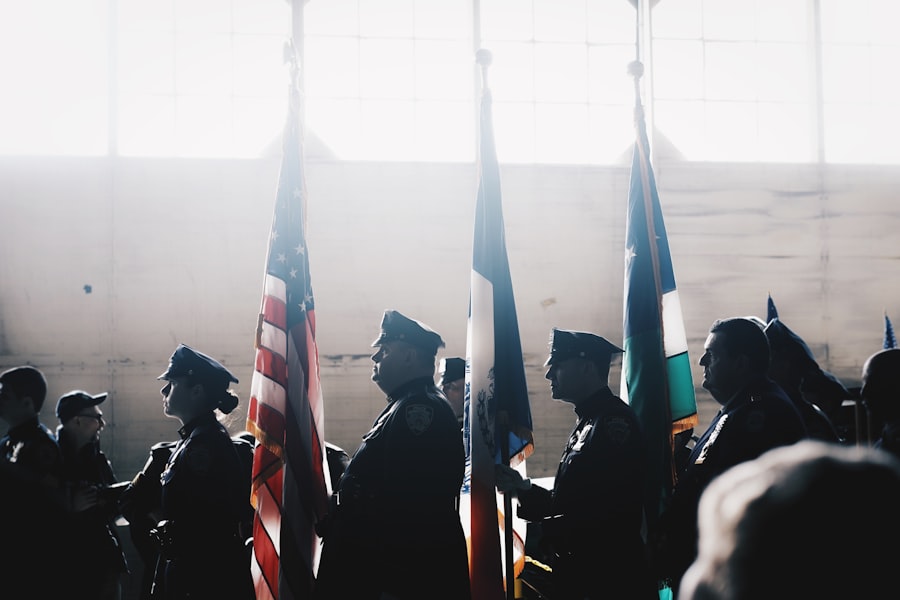
To effectively counter these challenges and threats, robust and proactive strategies are essential. These strategies focus on creating a sustainable system for capturing, storing, disseminating, and applying institutional memory.
Establishing a Centralized Knowledge Management Framework
A well-defined and centralized knowledge management framework is critical for organizing and disseminating institutional memory. This framework should provide clear guidelines, standardized processes, and accessible platforms for all aspects of knowledge preservation.
Integrated Information Systems and Databases
The development of integrated information systems and databases that can house diverse forms of military memory – operational reports, historical documents, oral histories, and digital assets – is crucial. These systems should incorporate advanced search capabilities, metadata tagging, and version control to ensure easy access and retrieval of information.
Dedicated Knowledge Management Personnel and Offices
Establishing dedicated offices and employing trained knowledge management professionals within military organizations ensures that the preservation and dissemination of institutional memory are treated as a core function, not an afterthought. These individuals can champion best practices, train personnel, and oversee the implementation of knowledge management strategies.
Standardized Protocols for Data Capture and Archiving
Developing and enforcing standardized protocols for data capture, documentation, and archiving across all levels of the military ensures consistency and quality. This includes guidelines for AARs, the creation of unit histories, the recording of oral histories, and the management of digital records.
Leveraging Technology for Accessibility and Dissemination
Technology plays a vital role in making institutional memory accessible and in disseminating it effectively to those who need it.
Digital Archiving Solutions and Cloud Storage
Investing in secure and scalable digital archiving solutions, including cloud storage options, is essential for preserving large volumes of digital information. These solutions should incorporate robust cybersecurity measures and disaster recovery plans to safeguard against data loss.
Online Repositories and Knowledge Portals
Creating user-friendly online repositories and knowledge portals that act as central hubs for accessing historical documents, lessons learned databases, and educational resources can significantly enhance dissemination. These platforms should be intuitive and easily searchable by personnel across different branches and ranks.
Artificial Intelligence and Data Analytics for Insight Extraction
Exploring the potential of artificial intelligence (AI) and data analytics to process and analyze vast archives of military data can unlock deeper insights and identify patterns that might otherwise be missed. AI can assist in categorizing documents, identifying trends, and even generating summaries of historical events, making the extracted knowledge more actionable.
Cultivating a Culture of Continuous Learning and Historical Awareness
Ultimately, the most effective preservation of military institutional memory is achieved through fostering a deep-seated culture of continuous learning and historical awareness.
Leadership Commitment and Advocacy
Leadership at all levels must consistently champion the importance of preserving and utilizing institutional memory. Their commitment will filter down through the ranks, signaling the value placed on learning from the past.
Integration into Professional Development and Recognition Programs
Incorporating the study and application of historical lessons into professional development programs and recognizing individuals and units for their contributions to knowledge preservation will reinforce its importance.
Regular Review and Update of Doctrines and Training
The findings from the analysis of institutional memory should be regularly reviewed and used to update military doctrines, training curricula, and operational procedures. This ensures that the lessons learned are not just recorded but actively influence current and future military practice.
Military institutional memory plays a crucial role in shaping strategies and decision-making processes within armed forces. Understanding how past experiences influence current operations can provide valuable insights into improving effectiveness and readiness. For a deeper exploration of this topic, you may find the article on military institutional memory particularly enlightening, as it discusses the importance of historical lessons in contemporary military contexts. To read more, visit this article for a comprehensive analysis.
The Enduring Significance of Military Institutional Memory
| Metrics | Data |
|---|---|
| Number of years of military experience | 10 years |
| Number of retired military personnel | 500,000 |
| Percentage of military history preserved | 75% |
| Number of military training manuals | 1,200 |
The preservation of military institutional memory is not a static endeavor; it is a continuous process that requires ongoing commitment, adaptation, and innovation. It is an investment in the future, ensuring that the sacrifices and experiences of the past are not in vain but serve as the bedrock upon which future successes are built. By diligently documenting, thoughtfully archiving, and actively disseminating its collective knowledge, a military institution can enhance its decision-making, refine its strategies, and ultimately, better serve the nation it is sworn to protect. The strength of a military is not solely measured by its present capabilities, but also by its ability to learn from its history, adapt to new challenges, and carry forward the wisdom of generations.

The Military Machine That Didn’t Need a Napoleon
FAQs
What is military institutional memory?
Military institutional memory refers to the collective knowledge, experiences, and lessons learned within a military organization. It includes the historical, operational, and strategic knowledge that is passed down through generations of military personnel.
Why is military institutional memory important?
Military institutional memory is important because it allows military organizations to learn from past successes and failures, avoid repeating mistakes, and adapt to changing circumstances. It also helps in preserving the traditions, values, and culture of the military.
How is military institutional memory preserved?
Military institutional memory is preserved through various means, including written records, oral traditions, training programs, and institutional structures. It is also passed down through mentorship, leadership development, and the incorporation of historical lessons into military doctrine.
What are the challenges in maintaining military institutional memory?
Challenges in maintaining military institutional memory include the turnover of personnel, technological advancements, the loss of historical records, and the need to balance tradition with innovation. Additionally, the changing nature of warfare and geopolitical dynamics can also impact the preservation of institutional memory.
How does military institutional memory impact decision-making?
Military institutional memory impacts decision-making by providing leaders with historical context, lessons learned, and best practices. It allows for informed decision-making, strategic planning, and the ability to anticipate and respond to future challenges based on past experiences.