The United States Navy is undertaking a significant strategic shift, allocating an estimated $30 billion over the next decade towards the development and procurement of non-acoustic sensors. This substantial investment signals a departure from its long-standing reliance on acoustic sensing technologies, particularly in its anti-submarine warfare (ASW) capabilities. The pivot is driven by evolving threats, advancements in adversary stealth technologies, and the recognition of the inherent limitations of acoustic detection in increasingly complex underwater environments. This article will explore the rationale behind this monumental investment, the types of non-acoustic sensors being prioritized, the challenges and opportunities associated with this transition, and the potential implications for future naval operations.
The primary driver for the Navy’s pivot to non-acoustic sensing lies in the perceived inadequacy of solely acoustic methods to counter advanced underwater threats. For decades, submarines have been the silent hunters of the deep, and acoustic sensors have been the primary tools for their detection. However, modern submarines, particularly those operated by potential adversaries, have made considerable strides in reducing their acoustic signatures.
Advancements in Submarine Stealth
Adversaries have invested heavily in technologies designed to minimize the noise generated by their submarines. This includes the development of quieter propulsion systems, improved hull designs that reduce hydrodynamic noise, and advanced anechoic coatings that absorb sonar pings. These advancements have made submarines progressively harder to detect using traditional active and passive sonar systems.
Propulsion System Innovations
The shift from propeller-driven systems to quieter alternatives like pump-jets or magnetohydrodynamic drives has significantly reduced the acoustic footprint of modern submarines. These technologies are designed to minimize the cavitation and turbulence that have long been telltale signs of submersible activity. The precise engineering and material science behind these systems contribute to their near-silent operation.
Hull Design and Anechoic Materials
The streamlining of submarine hulls to minimize water flow noise, coupled with the application of advanced anechoic coatings, further degrades the effectiveness of acoustic detection. These coatings are designed to absorb sonar signals, rendering them less likely to reflect back to the detecting source. The complexity of these materials and their application requires sophisticated manufacturing processes.
The Crowded and Complex Underwater Environment
Beyond the stealth capabilities of modern submarines, the operational environment itself presents significant challenges for acoustic sensing. The ocean is a natural cacophony, filled with a multitude of acoustic sources that can mask the faint sounds of a submarine.
Ambient Ocean Noise
Winds, waves, marine life, and geological activity all contribute to a constant background noise that can overwhelm acoustic detection systems. This ambient noise can fluctuate dramatically based on weather conditions and geographical location, making it difficult to establish a reliable baseline for identifying anomalous sounds.
Man-Made Acoustic Interference
The increasing volume of maritime traffic, including commercial shipping, fishing vessels, and other military assets, generates a significant amount of man-made acoustic interference. Distinguishing the sound of a stealthy submarine from that of a passing cargo ship or a sonar ping from a friendly vessel is a considerable challenge for even the most sophisticated acoustic systems.
Limited Range and Resolution
Acoustic detection is inherently limited by the physics of sound propagation in water. Factors such as temperature gradients, salinity variations, and the presence of underwater features can refract, reflect, and absorb sound waves, limiting the range and accuracy of sonar systems. This means that by the time an acoustic contact is made, the submarine may have already moved out of effective engagement range.
The recent $30 billion navy pivot to non-acoustic sensors marks a significant shift in naval strategy, emphasizing the importance of advanced technology in modern warfare. For a deeper understanding of this transition and its implications for naval operations, you can read a related article that explores the evolving landscape of military sensor technology and its impact on defense capabilities. Check it out here: In the War Room.
The Rationale for a Non-Acoustic Sensor Pivot
Recognizing these limitations, the Navy is investing in non-acoustic sensors to complement and, in some instances, potentially supersede acoustic systems. The goal is to create a more robust and versatile detection capability that is less susceptible to countermeasures and environmental noise.
Expanding the Sensor Spectrum
Non-acoustic sensors operate by detecting phenomena other than sound. This diversification of sensing modalities provides multiple avenues for detecting submerged objects, reducing the reliance on a single, potentially compromised, detection method.
Electromagnetic Spectrum Sensors
Submarines, even when submerged, can generate electromagnetic signatures. These can include emissions from radar, communication systems, and even the disturbance of the Earth’s magnetic field. Developing sensors capable of detecting these subtle electromagnetic emanations is a key area of research.
Magnetic Anomaly Detectors (MAD)
MAD systems detect disturbances in the Earth’s natural magnetic field caused by the metallic mass of a submarine. While traditionally used in aircraft, advancements are being made to adapt and improve these sensors for broader deployment. The sensitivity and range of MAD systems are critical factors in their effectiveness.
Radio Frequency (RF) and Radar Detection
Submarines may emit or inadvertently expose themselves to Radio Frequency (RF) signals, especially when using periscopes or attempting to communicate. Advanced RF sensors and specialized radar systems, potentially with extended range capabilities, are being explored to detect these emissions. The challenge lies in differentiating these signals from other RF sources.
Electro-Optical/Infrared (EO/IR) Sensors
While submarines are submerged, their presence can sometimes be detected through visual or thermal signatures at or near the surface. This could include the wake of a submarine close to the surface, or temperature anomalies caused by its hull disturbing the water.
Surface-Breaching Signatures
The detection of periscopes, snorkels, or even the subtle disturbance of the water surface by a submerged submarine presents an opportunity for EO/IR sensors. High-resolution cameras and advanced imaging techniques can be employed to identify these visual cues, particularly in clear visibility conditions.
Thermal Signatures
The thermal contrast between a submarine’s hull and the surrounding water, especially if the submarine is operating at different temperatures, can be detected by infrared sensors. This is particularly relevant in areas with significant temperature gradients in the ocean.
Gravity and Inertial Sensors
Changes in local gravity caused by the mass of a submerged submarine can be detected. While historically challenging to implement effectively, advancements in gravity gradiometers and inertial measurement units hold promise.
Gravity Gradiometry
These sensors measure minute variations in the gravitational field. A large metallic object like a submarine creates a localized gravitational anomaly that can, in theory, be detected. The practical application requires extreme sensitivity and the ability to filter out other gravitational influences.
Chemical and Biological Sensors
Submarines, during their operations, might release trace amounts of chemicals or generate biological byproducts. Detecting these subtle traces could provide another pathway for identification.
Wake Signatures and Trace Contamination
The passage of a submarine can disturb the water column and potentially release trace chemicals from its hull, exhaust systems, or even biological matter. Highly sensitive chemical sensors are being developed to detect these minute concentrations.
Addressing the Limitations of Acoustic Systems
The pivot is not necessarily about replacing acoustic sensors entirely, but rather about creating a more resilient and multi-layered detection architecture. Non-acoustic sensors are expected to overcome some of the inherent disadvantages of acoustics.
Overcoming Acoustic Countermeasures
Advanced stealth technologies, noise jamming, and decoys can significantly degrade the performance of acoustic sensors. Non-acoustic sensors, by detecting different physical phenomena, are inherently more resistant to these specific types of countermeasures.
Reduced Vulnerability to Environmental Conditions
Acoustic detection performance can be severely impacted by shallow water, complex seabed conditions, and the presence of thermoclines. Non-acoustic sensors are generally less affected by these environmental factors, offering more consistent detection capabilities across a wider range of operational scenarios.
Complementary Information Fusion
The true power of this pivot lies in the fusion of data from multiple sensor types. Combining information from acoustic, electromagnetic, EO/IR, and other sources can provide a more comprehensive and accurate picture of the underwater environment, leading to fewer false alarms and higher confidence in detections.
Key Technologies and Development Areas
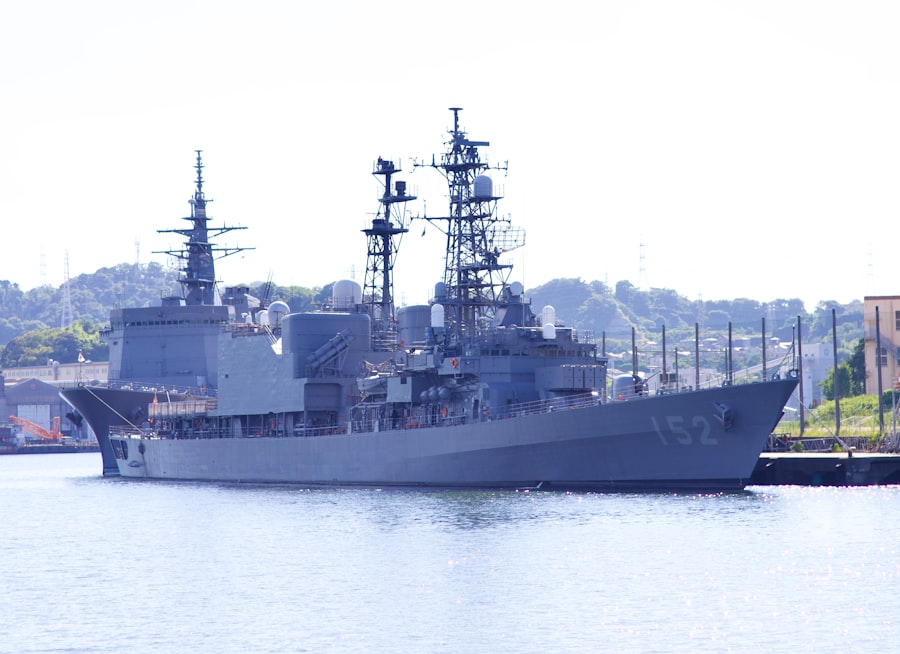
The Navy is investing in a range of technologies to realize its non-acoustic sensing vision. These include advancements in sensor hardware, sophisticated data processing algorithms, and novel deployment platforms.
Advanced Sensor Hardware
Significant research and development are focused on creating more sensitive, compact, and energy-efficient sensor platforms. The miniaturization of sophisticated sensor components is crucial for their integration into various naval systems.
Miniaturized and Swarming Sensors
The concept of deploying large numbers of small, expendable sensors, often referred to as “swarming sensors,” is gaining traction. These sensors, distributed across the operational area, could provide pervasive coverage and gather data from multiple vantage points, increasing the probability of detection.
Novel Material Science
The development of new materials with enhanced sensing properties is critical. This includes advanced semiconductors for electromagnetic sensors, specialized coatings for optical sensors, and materials with unique magnetic properties for MAD systems.
Data Processing and Artificial Intelligence
The sheer volume of data generated by these diverse sensor systems necessitates advanced processing capabilities. Artificial intelligence (AI) and machine learning (ML) are seen as crucial enablers for sifting through this data, identifying relevant signatures, and reducing operator workload.
Machine Learning for Signature Recognition
AI algorithms are being trained to recognize subtle patterns and anomalies in sensor data that might indicate the presence of a submarine. This includes identifying distinct electromagnetic emissions, thermal signatures, or chemical traces associated with underwater vehicles.
Sensor Fusion Algorithms
Developing robust algorithms that can effectively fuse data from multiple disparate sensor types is paramount. These algorithms must be able to correlate information, weigh the reliability of different sensor inputs, and generate a unified threat assessment.
Deployment Platforms and Architectures
The successful implementation of non-acoustic sensors requires appropriate deployment platforms. This includes integrating them into existing naval assets and exploring new concepts for sensor deployment.
Unmanned Systems Integration
Unmanned Underwater Vehicles (UUVs), Unmanned Surface Vehicles (USVs), and Unmanned Aerial Vehicles (UAVs) are ideal platforms for deploying a wide array of non-acoustic sensors. Their maneuverability, endurance, and reduced manning requirements make them particularly well-suited for persistent surveillance and data collection.
Networked Deployments
The concept of interconnected sensor networks, where deployed sensors communicate and share data, is a key aspect of the Navy’s strategy. This distributed approach enhances the overall sensor coverage and survivability of the detection system.
Challenges and Hurdles in the Pivot

Despite the significant investment and perceived benefits, the transition to a non-acoustic sensing paradigm is not without its challenges. Technical hurdles, cost considerations, and operational integration issues need to be addressed.
Technical Maturity and Performance Validation
Many of the non-acoustic sensor technologies are still in various stages of development and require further maturation. Demonstrating consistent performance across a wide range of operational conditions and validating their effectiveness against real-world threats is a significant undertaking.
Environmental Variability and Interference
While less susceptible to some acoustic issues, non-acoustic sensors can be affected by other forms of environmental interference or variability. For example, atmospheric conditions can impact EO/IR sensors, and geological formations can influence gravity sensors. Identifying and mitigating these interferences is crucial.
Signal-to-Noise Ratio in Complex Environments
Achieving an adequate signal-to-noise ratio for faint non-acoustic signatures in the presence of natural and man-made interference remains a significant technical challenge. The subtlety of many of these signatures requires extremely sensitive detection equipment and sophisticated processing techniques.
Cost and Procurement Realities
The $30 billion investment highlights the substantial financial commitment required. Ensuring the cost-effectiveness of these new sensor systems and managing the procurement process efficiently will be critical for program success.
Research and Development Costs
The extensive R&D required for cutting-edge sensor technology and AI development carries significant upfront costs. Balancing innovation with fiscal responsibility is a constant challenge.
Lifecycle Costs
Beyond the initial purchase price, the long-term costs associated with maintenance, upgrades, and training for these new systems need to be carefully considered. The obsolescence of technology is a continuous concern.
Operational Integration and Training
Integrating new sensor capabilities into existing naval operations and training personnel to effectively operate and interpret data from these diverse systems presents a complex challenge.
Doctrine and Tactics Development
Existing naval doctrine and tactical procedures are heavily influenced by acoustic sensing. Adapting these to incorporate and leverage the benefits of non-acoustic sensors will require significant doctrinal evolution.
Personnel Training and Skill Sets
Operators and analysts will need to develop new skill sets to effectively utilize and interpret the data from a wider range of sensors. This requires robust training programs and a focus on interdisciplinary knowledge.
The recent $30 billion navy pivot to non-acoustic sensors marks a significant shift in naval strategy, emphasizing the need for advanced technologies in modern warfare. This transition is crucial as it aligns with the growing importance of stealth and precision in military operations. For further insights into the implications of this strategic change, you can read a related article that explores the evolving landscape of naval capabilities and the role of innovative sensor technologies in enhancing operational effectiveness. To learn more, visit this article.
Implications for Future Naval Warfare
| Category | Data/Metrics |
|---|---|
| Investment Amount | 30 billion |
| Focus | Non-acoustic sensors |
This substantial pivot has far-reaching implications for how the U.S. Navy conducts anti-submarine warfare and operates in the maritime domain. It represents a fundamental shift in its approach to underwater domain awareness and command and control.
Enhanced Situational Awareness
The ability to detect submarines through multiple, independent sensor modalities will dramatically improve real-time situational awareness in the underwater battlespace. This will reduce the “fog of war” and enable more informed decision-making.
Persistent Surveillance Capabilities
The integration of non-acoustic sensors with unmanned systems promises capabilities for persistent surveillance over vast ocean areas, providing continuous monitoring and early warning of potential threats.
Reduced Reliance on Acoustic Propagation Forecasts
While acoustic systems remain important, the reduced reliance on their performance in specific conditions means that operational planning will be less constrained by factors like water temperature layers or seabed acoustics.
Increased Submarine Vulnerability (Potentially)
If these non-acoustic sensor technologies prove effective, they could significantly increase the vulnerability of submarines, even those employing advanced stealth features. This could alter the strategic balance in undersea warfare.
Countering Emerging Stealth Technologies
The development of non-acoustic sensors is directly aimed at negating the advantages gained by improved submarine stealth. Success in this area could force adversaries to reconsider their own technological investments.
Deterrence and Power Projection
The perceived ability to reliably detect and track even the most advanced submarines can serve as a powerful deterrent. It also enhances the Navy’s ability to project power and maintain freedom of navigation in contested waters.
A Multi-Domain Approach to Warfare
This pivot underscores the Navy’s broader move towards a more multi-domain approach to warfare, recognizing the interconnectedness of the surface, subsurface, air, and cyber domains. Non-acoustic sensors are a crucial component of this integrated strategy.
Information Dominance as a Warfighting Concept
The emphasis on diverse sensing and data fusion aligns with the concept of achieving information dominance, where the ability to collect, process, and exploit information provides a decisive advantage.
Adaptability and Resilience
The investment in diverse sensing technologies aims to create a more adaptable and resilient naval force, capable of responding to a wider range of threats and operating effectively in dynamic and challenging environments.
In conclusion, the U.S. Navy’s $30 billion pivot to non-acoustic sensors represents a strategic reorientation driven by a clear understanding of the limitations of traditional methods and the evolving nature of undersea threats. While significant technical, financial, and operational challenges lie ahead, the potential benefits in terms of enhanced situational awareness, increased threat detection, and a more resilient naval force are substantial. This investment is indicative of a broader shift towards a multi-domain, information-centric approach to warfare, aiming to secure American interests in an increasingly complex and contested maritime environment.
FAQs
What is the $30 billion navy pivot to non-acoustic sensors?
The $30 billion navy pivot to non-acoustic sensors refers to the United States Navy’s plan to invest $30 billion in developing and deploying non-acoustic sensors for detecting and tracking submarines. These sensors will complement traditional acoustic sensors and provide the navy with more comprehensive and reliable capabilities for anti-submarine warfare.
Why is the navy pivoting to non-acoustic sensors?
The navy is pivoting to non-acoustic sensors to address the increasing stealth capabilities of modern submarines, which make them harder to detect using traditional acoustic sensors. Non-acoustic sensors, such as magnetic, electro-magnetic, and laser-based technologies, offer alternative means of detecting and tracking submarines, enhancing the navy’s anti-submarine warfare capabilities.
What are some examples of non-acoustic sensors?
Examples of non-acoustic sensors include magnetic anomaly detection (MAD) systems, which detect disturbances in the Earth’s magnetic field caused by submarines, and electro-magnetic sensors, which detect the electrical signatures of submarines. Additionally, laser-based sensors can be used to detect disturbances in the water caused by submarines moving underwater.
How will the $30 billion investment impact the navy’s capabilities?
The $30 billion investment in non-acoustic sensors will significantly enhance the navy’s capabilities for detecting and tracking submarines. By diversifying its sensor technologies, the navy will be better equipped to counter the stealth capabilities of modern submarines, thereby strengthening its anti-submarine warfare capabilities and maintaining maritime superiority.
What are the potential challenges associated with the navy’s pivot to non-acoustic sensors?
Some potential challenges associated with the navy’s pivot to non-acoustic sensors include the development and integration of these new technologies into existing naval systems, as well as the need for training personnel to effectively utilize and interpret data from non-acoustic sensors. Additionally, there may be concerns about the reliability and effectiveness of these new sensor technologies in real-world operational environments.