Corporate military logistics and site stabilization are critical components of operations in complex and often volatile environments. These elements are not merely about the efficient movement of resources or the passive occupation of territory; they represent a proactive and strategic approach to ensuring mission success, personnel safety, and long-term viability. Successful execution demands a multifaceted understanding of the operational landscape, rigorous planning, and the agile application of specialized capabilities.
This article examines the key strategies involved in corporate military logistics and site stabilization, delving into the distinct yet interdependent aspects of each. It aims to provide a foundational understanding of the principles and practices that underpin effective operations in challenging geopolitical and operational contexts.
Effective logistics in a military or corporate security context is not an afterthought but an integrated element of operational design. It begins with a comprehensive understanding of mission requirements, threat assessments, and the operational environment. This foresight allows for the development of robust logistical plans that can adapt to changing circumstances and unforeseen challenges.
Threat Assessment and Environmental Analysis
The initial phase of any logistical undertaking in a complex environment necessitates a thorough assessment of potential threats. This includes analyzing the geopolitical stability of the region, identifying potential adversaries or hostile elements, and understanding the prevalence of threats such as terrorism, insurgency, or criminal activity. Beyond direct threats to personnel and assets, environmental factors such as terrain, climate, and infrastructure development (or lack thereof) must be meticulously evaluated. Understanding these variables informs decisions regarding transportation modes, security protocols, and storage requirements. For instance, operating in a desert environment presents different logistical challenges regarding water, fuel, and temperature control than operating in a dense jungle. Similarly, a region with poorly maintained roads or limited airfields will require different transport solutions and contingency planning.
Needs Assessment and Requirement Forecasting
Once the operational context is understood, a detailed needs assessment is paramount. This involves forecasting the quantities and types of resources required to sustain operations over a specified period. These resources span a broad spectrum, including personnel (specialist roles like mechanics, medical staff, security personnel), equipment (vehicles, communication systems, weapons), supplies (food, water, medical kits, fuel), and various services (maintenance, repair, medical support, security). Accurate forecasting is crucial to avoid both critical shortages and wasteful overstocking. This process often involves sophisticated modeling and simulation, drawing on historical data from similar operations and expert judgment. A failure to accurately forecast can lead to mission degradation, increased costs, and, in critical situations, compromised safety.
Supply Chain Design and Vulnerability Analysis
The design of the supply chain is a critical determinant of logistical success. This involves establishing reliable and resilient pathways for the procurement, transportation, and delivery of resources. Key considerations include the number and location of supply depots, the selection of transportation methods (airlift, sealift, land transport), and the establishment of secure transit routes. Each node and link in the supply chain must be analyzed for potential vulnerabilities. This includes assessing risks of interdiction, ambush, sabotage, or natural disaster disruptions. Redundant supply routes and prepositioned supplies are often necessary to mitigate these risks and ensure continuity of operations. The inverse relationship between supply chain complexity and resilience is a constant consideration; a simpler, more direct chain might be faster but less resilient to disruption, while a more complex, multi-tiered chain might offer greater redundancy but introduce its own logistical hurdles.
Technology Integration and Data Management
Modern corporate military logistics increasingly relies on advanced technologies for enhanced visibility, efficiency, and control. This includes the implementation of sophisticated inventory management systems, GPS tracking for assets, real-time communication networks, and predictive analytics for demand forecasting and maintenance scheduling. The ability to collect, process, and analyze vast amounts of logistical data in near real-time is a significant force multiplier. It allows for proactive decision-making, rapid response to emergent needs, and optimized resource allocation. Secure data management practices are equally critical, protecting sensitive operational information from unauthorized access or compromise. The effective integration of these technologies transforms logistics from a purely transactional function into a strategic enabler.
In the realm of corporate military logistics and site stabilization, understanding the complexities of supply chain management is crucial for operational success. A related article that delves into these intricacies is available at In the War Room, where experts discuss the strategic importance of logistics in military operations and the implications for corporate entities involved in defense contracting. This resource provides valuable insights into how effective logistics can enhance site stabilization efforts in conflict zones.
Site Stabilization: Ensuring Security and Operational Readiness
Site stabilization refers to the comprehensive process of securing and preparing an operational area to enable sustained activities, whether for military operations, humanitarian aid, or corporate ventures in challenging regions. It involves a blend of security measures, infrastructure development, and community engagement to create a stable and functional environment.
Establishing a Secure Perimeter and Access Control
The immediate priority in site stabilization is the establishment of a secure perimeter. This involves creating a defensible space that protects personnel, assets, and critical infrastructure from external threats. Physical barriers such as walls, fences, and berms are augmented by technological solutions like surveillance systems, sensors, and early warning mechanisms. Robust access control procedures are then implemented to regulate entry and exit, ensuring that only authorized individuals and vehicles are allowed within the secured area. This includes credential verification, search protocols, and adherence to strict security checkpoints. Maintaining the integrity of the perimeter and access control is an ongoing effort, requiring constant vigilance and adaptation to evolving threat profiles.
Force Protection and Threat Mitigation
Force protection measures are integrated into all aspects of site stabilization to safeguard personnel against a wide range of threats. This extends beyond the static perimeter to encompass proactive measures such as reconnaissance patrols, intelligence gathering, and defensive maneuvers. Threat mitigation strategies are developed based on intelligence assessments, identifying potential attack vectors and formulating appropriate responses. This can include counter-improvised explosive device (IED) operations, active defense measures, and sophisticated electronic warfare capabilities. The psychological aspect of force protection is also important, aiming to foster a sense of security and situational awareness among personnel.
Infrastructure Assessment and Development
Stabilizing a site often requires the assessment and, if necessary, development of essential infrastructure. This can include the establishment of temporary or semi-permanent living quarters, medical facilities, communication nodes, power generation capabilities, and sanitation systems. In underdeveloped areas, this may extend to the repair or construction of roads, bridges, and airstrips to facilitate logistical movement. The design and construction of such infrastructure must consider local environmental conditions, available resources, and long-term sustainability. The objective is to create a functional and self-sufficient operational base that minimizes reliance on external support over time.
Operational Deconfliction and Coordination
In complex operating environments, multiple actors may be present, including different military units, international organizations, non-governmental organizations (NGOs), and local authorities. Effective site stabilization necessitates robust mechanisms for operational deconfliction and coordination among these entities. This involves establishing clear lines of communication, sharing relevant intelligence, and developing coordinated operating procedures to avoid fratricide, friendly fire incidents, and mission interference. Establishing liaison officers and participating in regular coordination meetings are crucial for fostering mutual understanding and ensuring a cohesive approach to security and stability.
Integrating Logistics and Stabilization: Synergistic Operations
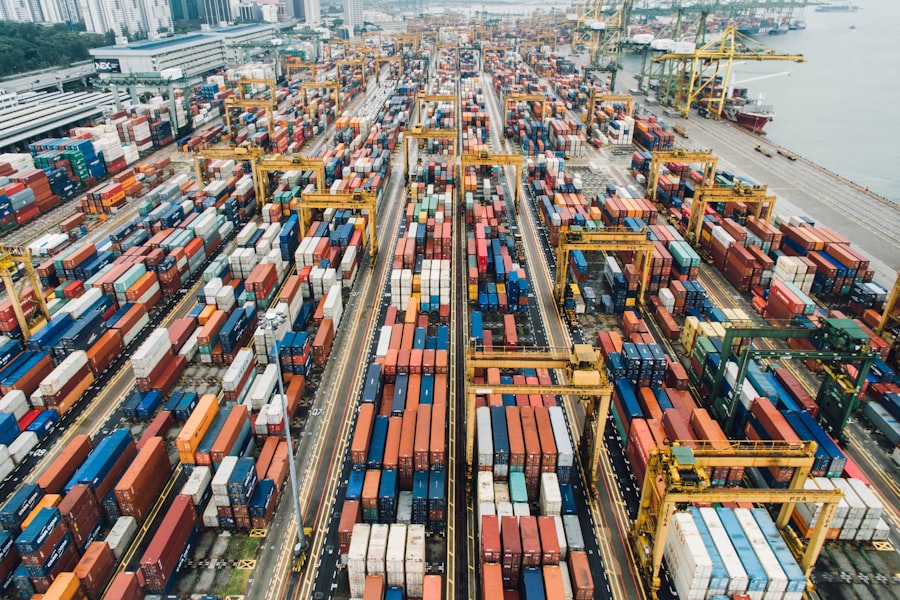
Logistics and site stabilization are not independent functions but are intrinsically linked. The effectiveness of one directly impacts the capability of the other, creating a synergistic relationship that is essential for sustained operations.
Enabling Operational Sustainment Through Logistics
Logistics is the backbone of any sustained operation, and site stabilization is fundamentally about creating the conditions for that sustainment. Reliable and timely delivery of supplies, equipment, and personnel, facilitated by robust logistics, enables the security forces to maintain their effectiveness within the stabilized site. Without adequate fuel, water, ammunition, or medical supplies, even the most fortified perimeter would eventually become untenable. The logistical flow directly supports the ability of personnel to conduct their duties, maintain equipment, and respond to emerging threats within the stabilized zone. This creates a virtuous cycle where effective logistics enable effective stabilization, which in turn provides a secure environment for continued logistical operations.
The Role of Stabilization in Logistical Security
Conversely, successful site stabilization directly enhances the security and efficiency of logistical operations. A secure operational area reduces the risks associated with transporting goods and personnel to and from the site. It allows for the establishment of more secure supply routes and staging areas, minimizing the likelihood of interdiction or attack. A stable environment can also facilitate local procurement and labor, reducing reliance on long and potentially vulnerable international supply chains. Furthermore, a well-stabilized site can serve as a safe haven for logistical hubs and repair facilities, ensuring that the operational assets are maintained and readily available. Therefore, the investment in site stabilization is not just about internal security but also about safeguarding the vital arteries of the logistical network.
Contingency Planning and Interdependence
The inherent interdependence of logistics and stabilization makes robust contingency planning absolutely critical. Plans must address scenarios where either function is compromised. For example, a disruption to the logistical supply chain might necessitate increased reliance on local resources or the rapid establishment of emergency supply depots within the stabilized area. Conversely, a security breach within the stabilized site could necessitate the urgent evacuation of personnel and assets, requiring pre-planned logistical support for such operations. Understanding this interdependence allows for the development of integrated contingency plans that can effectively address a range of potential disruptions, ensuring the resilience of the overall operation.
Personnel and Welfare: Sustaining the Human Element
Beyond matériel and infrastructure, the human element is central to both logistics and site stabilization. The well-being and effectiveness of personnel directly influence the success of these critical functions.
Training and Skill Development for Logisticians and Security Personnel
Both logistical and site stabilization roles require specialized training and continuous skill development. Logisticians need expertise in supply chain management, inventory control, transportation planning, and risk assessment. Site stabilization personnel require training in security protocols, force protection, threat detection, and situational awareness. This training must be practical, scenario-based, and tailored to the specific operational environment. Ongoing professional development, including refresher courses and advanced certifications, is essential to maintain a high level of operational readiness and adapt to evolving threats and best practices. A well-trained workforce is more efficient, more adaptable, and less prone to errors that can have significant operational consequences.
Morale, Welfare, and Retention
Maintaining high morale and ensuring the welfare of personnel operating in challenging environments is paramount. This includes providing adequate living conditions, recreational opportunities, access to communication with families, and robust mental health support. The physical and psychological toll of operating in high-stress, remote, or dangerous locations can be significant, and proactive measures to address these issues are crucial for retention. High turnover rates not only increase operational costs due to constant retraining but also can degrade the institutional knowledge and team cohesion that are vital for effective logistics and stabilization. Investing in personnel welfare is not a secondary concern but a strategic imperative for long-term operational success.
Cultural Awareness and Local Engagement
Operating in foreign environments necessitates a deep understanding of local cultures, customs, and societal norms. Logisticians and stabilization teams must be culturally sensitive in their interactions with local populations, suppliers, and authorities. This includes respecting local traditions, understanding local governance structures, and fostering positive relationships. Effective community engagement can provide valuable local intelligence, facilitate access to local resources, and contribute to a more stable and receptive operating environment. Neglecting cultural awareness can lead to misunderstandings, friction, and ultimately, operational impediments. Building trust and rapport with local communities is an often-overlooked but vital component of both successful logistics and effective site stabilization.
In the complex realm of corporate military logistics, effective site stabilization plays a crucial role in ensuring operational success. A recent article delves into the intricacies of this topic, highlighting strategies that can enhance efficiency and safety in challenging environments. For those interested in exploring this further, you can read more about these innovative approaches in the article available at this link. Understanding these dynamics is essential for organizations aiming to navigate the complexities of military operations while maintaining a focus on logistical excellence.
Future Trends and Adaptations
| Metrics | Corporate Military Logistics | Site Stabilization |
|---|---|---|
| Inventory Management | Efficient tracking and control of military supplies | Ensuring availability of necessary resources for stabilization efforts |
| Transportation | Timely and secure movement of military equipment and personnel | Facilitating movement of materials and personnel to and from stabilization sites |
| Supply Chain Optimization | Streamlining processes to minimize costs and maximize efficiency | Ensuring smooth flow of resources to support stabilization operations |
| Infrastructure Support | Providing infrastructure for military operations | Rebuilding and maintaining infrastructure in stabilization areas |
| Risk Management | Identifying and mitigating risks in military logistics operations | Assessing and addressing risks in stabilization efforts |
The landscape of corporate military logistics and site stabilization is dynamic, constantly evolving in response to technological advancements, geopolitical shifts, and emerging threats. Anticipating and adapting to these trends is crucial for maintaining operational effectiveness.
Technological Advancements and Automation
The ongoing integration of artificial intelligence (AI), robotics, and advanced automation will significantly impact future logistics and stabilization operations. AI can enhance predictive maintenance, optimize route planning, and improve threat detection capabilities. Autonomous vehicles and drones can revolutionize supply delivery in hazardous areas, reducing risk to human personnel. Robotic systems can be employed for tasks such as perimeter security and reconnaissance, providing situational awareness in complex environments. The challenge lies in effectively integrating these technologies, ensuring their reliability, and addressing the ethical and operational implications of increased automation.
Public-Private Partnerships and Interoperability
The increasing complexity of modern security challenges often necessitates collaboration between government agencies, private military and security companies (PMSCs), and international organizations. Public-private partnerships (PPPs) can leverage the specialized capabilities and agility of PMSCs to augment government resources, particularly in areas requiring niche expertise or rapid deployment. A key aspect of successful PPPs is ensuring interoperability between different organizational structures, communication systems, and operational doctrines. Establishing clear protocols and joint training exercises can facilitate seamless integration and maximize the collective effectiveness of these multi-actor operations.
Resilience and Agility in Response to Disruption
The increasing frequency and impact of global disruptions, from pandemics to geopolitical conflicts, highlight the need for enhanced resilience and agility in logistics and stabilization. This involves building more adaptable and robust supply chains that can withstand shocks and quickly reconfigure in response to unforeseen events. Emphasis will shift towards distributed logistics networks, diversified sourcing strategies, and the development of agile planning processes that can rapidly adjust to changing circumstances. The ability to maintain operational continuity despite significant disruption will be a defining characteristic of successful operations in the future.
In conclusion, corporate military logistics and site stabilization are complex, intertwined disciplines demanding a strategic, integrated, and adaptable approach. Success hinges on meticulous planning, rigorous execution, a deep understanding of the operational environment, and a constant focus on the well-being of personnel. As the global landscape continues to evolve, so too will the challenges and the methodologies required to meet them, underscoring the enduring importance of mastering these critical operational components.
FAQs
What is corporate military logistics?
Corporate military logistics refers to the process of planning, coordinating, and executing the movement and maintenance of military forces and materials by private corporations. This can include transportation, supply chain management, and site support services.
What is site stabilization in a military context?
Site stabilization in a military context refers to the process of establishing and maintaining a secure and functional environment for military operations. This can involve infrastructure development, security measures, and support services to ensure the safety and effectiveness of military personnel and equipment.
How do private corporations support military logistics and site stabilization?
Private corporations support military logistics and site stabilization by providing expertise in areas such as transportation, supply chain management, construction, security, and facility management. They may also offer specialized equipment and technology to enhance military operations.
What are the benefits of involving private corporations in military logistics and site stabilization?
Involving private corporations in military logistics and site stabilization can bring expertise, efficiency, and innovation to support military operations. It can also free up military resources for other critical tasks and provide access to specialized capabilities and technologies.
What are some examples of private corporations involved in corporate military logistics and site stabilization?
Examples of private corporations involved in corporate military logistics and site stabilization include defense contractors, logistics companies, construction firms, and security providers. These companies may work directly with military organizations or through government contracts to support military operations.