Setting the Stage for Deception: The Strategic Imperative of Operation Fortitude
The Allied invasion of Normandy on June 6, 1944, code-named Operation Overlord, was a monumental undertaking, demanding not only overwhelming military might but also an equally potent application of psychological warfare. Central to the success of Overlord was the elaborate deception plan known as Operation Fortitude. This multifaceted scheme aimed to mislead the German high command about the true timing, location, and strength of the Allied landings, thereby diverting crucial enemy reserves away from the real invasion beaches. Within this grand deception, the role of General George S. Patton Jr. was pivotal. Though not directly commanding troops on D-Day itself, Patton’s presence and the elaborate illusion surrounding him served as a potent, and indeed indispensable, element of Fortitude’s success. The very notion of Patton, the aggressive, larger-than-life commander, being poised to launch an offensive was enough to rivet German attention and create a convincing narrative of an impending attack at a location other than Normandy.
The strategic context of Fortitude was dictated by the immense German defenses along the Atlantic Wall. The Nazis anticipated an invasion and had heavily fortified the French coast. However, they were uncertain about the precise point of the Allied assault. This uncertainty was precisely what the Allies sought to exploit. Hitler and his generals believed that the invasion would occur at the narrowest point of the English Channel, which was the Pas-de-Calais, due to its strategic importance for controlling the waterway and its proximity to Germany. This fixed belief, ingrained through weeks of intelligence gathering and strategic assessment, was the primary target of Fortitude. The deception plan was designed to reinforce this belief, creating a phantom army poised to strike at the Pas-de-Calais, thereby drawing German forces away from Normandy.
Operation Fortitude was not a monolithic entity; it was comprised of several interconnected sub-operations, each designed to deceive the enemy in a specific way. There was Fortitude North, which aimed to convince the Germans that an invasion was imminent in Norway, and Fortitude South, the far more critical component, which focused on Pas-de-Calais. Patton, with his reputation for decisive action and his command of the newly formed First U.S. Army Group (FUSAG), became the linchpin of Fortitude South. FUSAG was an entirely fictitious formation, conjured from thin air by Allied intelligence and propaganda. Its purpose was to create the illusion of a massive Allied army massing in southeastern England, ready to cross the Channel at its narrowest point.
The Germans, hungry for any intel on Allied intentions, monitored British radio traffic, observed troop movements (or the lack thereof in Normandy), and intercepted communications. Fortitude meticulously crafted a narrative that played on these observations and German biases. This involved a vast network of double agents, dummy equipment, carefully orchestrated radio traffic, and, crucially, the strategic deployment of Patton’s persona and the phantom army he allegedly commanded. The success of Fortitude hinged on its ability to create a believable alternative threat that would absorb the attention and resources of the German military.
Operation Fortitude was a crucial component of the Allied deception strategy during World War II, aimed at misleading the German forces about the location of the D-Day invasion. One of the key figures in this operation was General George S. Patton, whose reputation and command of the fictitious First United States Army Group (FUSAG) played a significant role in diverting German attention away from Normandy. For a deeper understanding of the strategies employed in Operation Fortitude and the pivotal role Patton played, you can read more in this related article: here.
The Genesis of Phantom Armies: Patton’s Role in Fortitude South
The heart of Operation Fortitude’s deception lay in its ability to create tangible, albeit illusory, threats. For Fortitude South, the primary objective was to convince the German high command that a massive Allied force, the First U.S. Army Group (FUSAG), was poised to invade the Pas-de-Calais. General George S. Patton Jr., with his legendary aggressive reputation and his widely perceived eagerness to engage the enemy, was the perfect figurehead for this phantom army. His inclusion in the deception was not an afterthought; it was a calculated decision by Allied planners who understood the psychological impact of his presence.
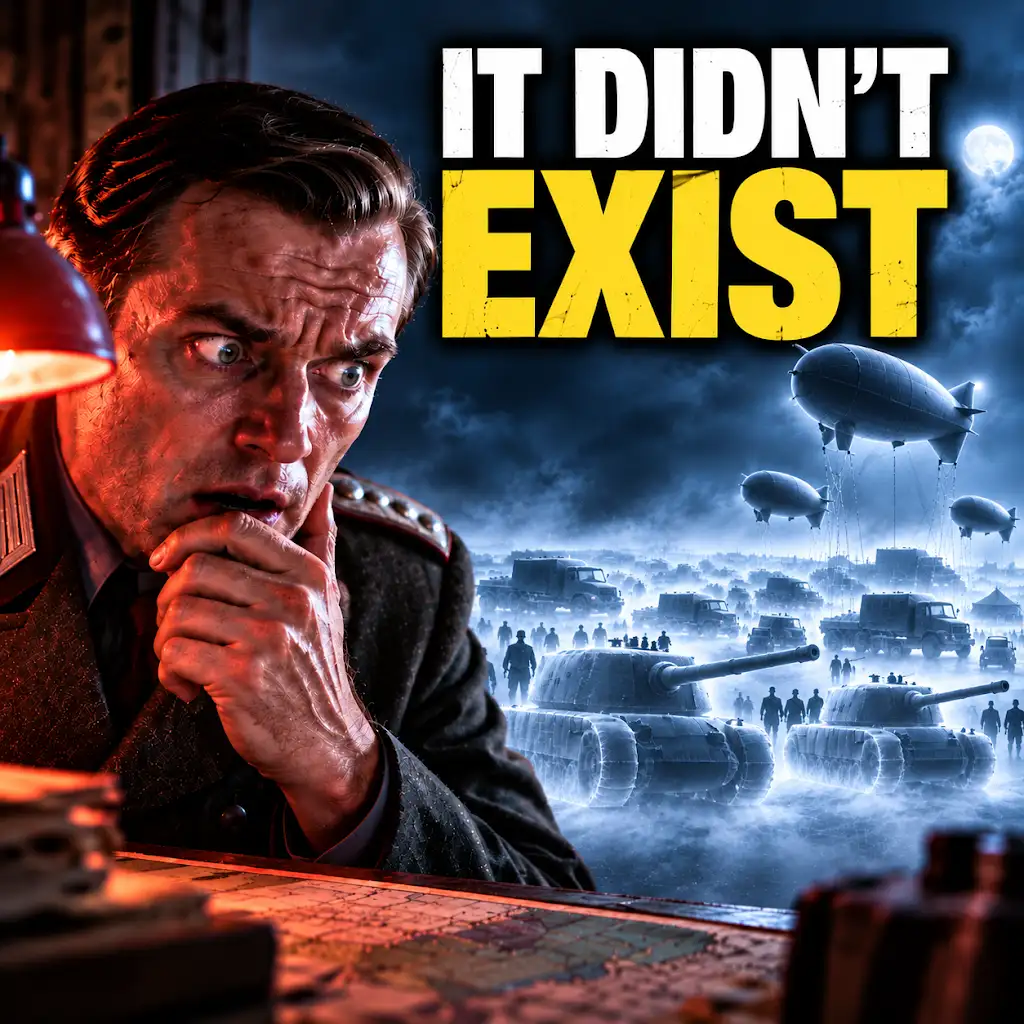
The creation of FUSAG was a masterpiece of misdirection. Allied intelligence meticulously crafted plans for an army that simply did not exist. This involved creating fake troop dispositions, manufacturing dummy equipment, and simulating extensive logistical preparations. Dummy tanks, landing craft, and even entire encampments were strategically placed in areas designed to be observed by German reconnaissance. These visual cues were crucial in reinforcing the narrative of an impending invasion. The sheer scale of these fabricated preparations, coupled with the perceived threat of Patton leading the charge, was intended to make the deception utterly convincing.
Patton himself was instrumental in projecting the image of FUSAG. While he was technically under the command of Lieutenant General Omar Bradley’s First U.S. Army for the actual Normandy invasion, he was deliberately kept out of sight and unavailable to the press in the weeks leading up to D-Day. This absence fueled speculation and allowed Allied propagandists to weave tales of his secret preparations for a grand offensive. His fame and his known predilection for aggressive action made him the ideal bogeyman for the Germans. If Patton was absent, the Germans reasoned, he must be preparing for something significant, and where else but the most obvious invasion point?
The radio traffic attributed to FUSAG was another crucial element. Allied radio operators generated vast amounts of fake signals, simulating troop movements, supply requests, and operational orders. This traffic was carefully designed to be intercepted by German listening posts, further bolstering the illusion of a real army preparing for battle. The sheer volume and complexity of this simulated radio activity were intended to overwhelm German intelligence, making it difficult for them to distinguish between genuine and fabricated communications. The objective was to create a constant hum of activity around FUSAG, making it appear a very real and immediate threat.
Furthermore, double agents played a vital role in feeding disinformation to the German intelligence network. These agents, working under Allied control, would relay fabricated reports about FUSAG’s troop strength, operational plans, and Patton’s imminent involvement. The information provided by these agents was carefully curated to reinforce the preconceived notions the Germans already held about the most likely invasion site. The confluence of visual deception, simulated radio traffic, and human intelligence, all centered around the formidable persona of General Patton, created a powerful and credible illusion that consumed the attention of the German high command.
The Art of Misdirection: Tactics and Techniques Employed
Operation Fortitude was not simply about creating a phantom army; it was a sophisticated tapestry of deception woven with a variety of cunning tactics and techniques. The Allies understood that to be truly effective, their deception needed to be multi-layered and address every possible avenue of German intelligence gathering. The goal was to create a convincing alternative reality that would draw German attention and resources away from the true invasion site in Normandy.
One of the most visually impactful aspects of Fortitude was the use of dummy equipment. Thousands of inflatable tanks, artillery pieces, and landing craft were strategically placed in FUSAG’s supposed assembly areas in southeastern England. These were positioned in such a way as to be visible to German reconnaissance flights and photographic intelligence. The sheer volume of this dummy materiel, combined with the carefully constructed encampments and fake infrastructure, created a powerful illusion of an enormous military force preparing for invasion. The sight of so much equipment, especially landing craft, would naturally suggest an amphibious assault.
Radio deception, as mentioned previously, was another cornerstone of Fortitude. Allied radio operators engaged in an elaborate game of make-believe, broadcasting a massive amount of simulated traffic. This traffic was designed to mimic the communications of a large, active army. It included messages related to troop movements, supply chain operations, and even troop morale. The objective was to create a constant stream of seemingly legitimate communications that the Germans would intercept and analyze. This sustained radio activity served to reinforce the illusion of FUSAG’s existence and its operational readiness, making it a persistent
How the Allies Built an Army for Germany to Discover
FAQs
1. Why was General Patton used in Operation Fortitude?
General Patton was used in Operation Fortitude to deceive the German forces about the location and timing of the Allied invasion of Normandy during World War II. His reputation as a skilled and aggressive military leader made him a convincing decoy for the Allies’ fake invasion plans.
2. How was General Patton utilized in Operation Fortitude?
As part of Operation Fortitude, General Patton was placed in command of the fictitious First United States Army Group (FUSAG), a phantom army that was created to mislead the Germans into believing that the main Allied invasion would take place at the Pas de Calais region instead of Normandy.
3. What role did General Patton play in the overall deception strategy of Operation Fortitude?
General Patton’s role in Operation Fortitude was crucial in convincing the German High Command that the Allied invasion would occur at Pas de Calais. By using Patton as a decoy, the Allies were able to divert German resources and attention away from the actual invasion site at Normandy.
4. How successful was the use of General Patton in Operation Fortitude?
The use of General Patton in Operation Fortitude was highly successful in deceiving the German forces. The Germans were convinced that Patton’s FUSAG was a real threat, leading them to keep significant military assets in the Pas de Calais region even after the Normandy landings had begun.
5. What impact did General Patton’s involvement in Operation Fortitude have on the outcome of the D-Day invasion?
General Patton’s involvement in Operation Fortitude played a significant role in the success of the D-Day invasion. By diverting German attention and resources away from Normandy, the Allies were able to gain a crucial strategic advantage and establish a foothold in Western Europe that ultimately led to the defeat of Nazi Germany.