Echoes Beneath the Ice: A Strategic Reappraisal of a Cold War Submarine Confrontation
The Cold War, a period defined by simmering tensions and the ever-present specter of nuclear annihilation, was punctuated by numerous close calls. Among the most chilling were the encounters between Soviet and American submarines in the depths of the world’s oceans. These silent, deadly balletic maneuvers, often occurring in the shadows of international waters, carried immense strategic weight. One such incident, though perhaps less publicized than some, offers a profound case study in the nature of deterrence, escalation control, and the psychological pressures faced by commanders on both sides. This analysis will delve into a specific Soviet submarine incident, dissecting its strategic context, the operational realities, the immediate aftermath, and the enduring lessons learned, providing a nuanced understanding of how such events shaped the global geopolitical landscape.
For a deeper understanding of the complexities surrounding Soviet submarine incidents during the Cold War, you may find the article titled “Navigating Tensions: Analyzing Soviet Submarine Incidents” particularly insightful. This piece delves into the strategic implications and the geopolitical context of these underwater confrontations. To read more, visit the full article at Navigating Tensions: Analyzing Soviet Submarine Incidents.
The Geopolitical Chessboard: Setting the Stage for Confrontation
The latter half of the Cold War was characterized by an escalating arms race and a sophisticated intelligence gathering apparatus. Both superpowers understood the critical role of their submarine fleets. For the Soviet Union, submarines represented a vital counterweight to American naval dominance, particularly its formidable aircraft carrier battle groups. They were the instruments of their “bastion strategy,” designed to protect their ballistic missile submarines (SSBNs) within fortified sea areas, and to project power globally, threatening Western shipping lanes and projecting a credible nuclear second-strike capability.
The United States, in turn, viewed Soviet submarines as a primary threat to its own SSBNs, its global logistics, and its ability to project power. The development of quieter, more capable Soviet submarines, coupled with advancements in Soviet anti-submarine warfare (ASW) capabilities, meant that the underwater domain was a constant theater of cat-and-mouse operations. Intelligence gathering was paramount, with both sides dedicating significant resources to tracking the movements of the other’s submarine fleet. This included the use of sonar arrays, aerial reconnaissance, and the deployment of specialized surveillance submarines.
The Strategic Imperative of Submarine Operations
Submarine operations during the Cold War were not merely about patrolling and demonstrating presence; they were deeply entwined with fundamental strategic doctrines. The concept of Mutually Assured Destruction (MAD) was predicated on the ability of both sides to withstand a first strike and retaliate with devastating force. SSBNs were the ultimate guarantors of this second-strike capability. Therefore, locating and tracking enemy SSBNs was a top priority for ASW forces, while the operating submarines themselves were tasked with protecting their own SSBNs and posing a constant threat to the adversary.
Beyond nuclear deterrence, conventional submarine operations played a crucial role in shaping the perceived balance of power. The ability to deny the enemy sea lanes, to interdict troop or supply movements, and to conduct reconnaissance in sensitive areas were all vital components of a broader strategic calculus. The constant shadow boxing beneath the waves served as a continuous, low-level test of each other’s technological prowess and operational discipline, a silent but potent indicator of potential military strength.
The Shadow of the Bear: Soviet Submarine Design and Doctrine
Soviet submarine design often prioritized raw firepower and speed over stealth, at least in the earlier generations. However, by the 1970s and 1980s, the Soviet Union had made significant strides in developing quieter submarines, particularly the Akula and Sierra-class attack submarines. These vessels were designed to hunt American SSBNs and attack carrier groups, posing a formidable challenge to the US Navy. Soviet submarine doctrine emphasized aggressive patrols, often operating closer to NATO shores than their American counterparts, and a willingness to engage in high-risk maneuvers. This was partly a reflection of the Soviet Union’s strategic inferiority in other naval domains and a desire to leverage its submarine force as a potent asymmetrical weapon. The inherent risks in this doctrine, however, were amplified by the inherent dangers of operating large, complex machines in the unforgiving underwater environment.
The Incident Unfolds: A Close Encounter in the North Atlantic

The specific incident in question involved a Soviet Project 671RTM “Shchuka” (NATO reporting name: Victor III) attack submarine operating in the North Atlantic. This submarine class was a significant advancement for the Soviet Navy, featuring improved quieting technology and a potent array of torpedoes and anti-ship missiles. The Victor III was tasked with a mission that likely involved intelligence gathering, shadowing NATO naval exercises, or potentially probing American defensive perimeters. The exact nature of the mission remains classified, but its proximity to a critical NATO sea lane suggests a high-stakes operational objective.
The encounter occurred during a period of heightened East-West tensions, perhaps exacerbated by a specific geopolitical event or ongoing naval exercises. The Soviet submarine, designated as “K-something” (historical records often obscure specific hull numbers in publicly available accounts), was detected by American ASW assets. This detection initiated a familiar and chilling game of cat and mouse.
The Dance of Sonar: Detection and Evasion
The initial detection likely occurred through a combination of passive and active sonar. American P-3 Orion maritime patrol aircraft, with their sophisticated sonobuoys, and surface escorts equipped with hull-mounted and towed-array sonar systems, would have been actively searching for Soviet submarines. The Victor III, while quieter than its predecessors, still presented a detectable acoustic signature. Once detected, the Soviet submarine would have initiated evasive maneuvers, seeking to break contact and potentially mask its true identity and intentions. This would involve complex depth changes, course alterations, and potentially the deployment of countermeasures.
The American ASW forces, in turn, would have intensified their efforts, attempting to reacquire and maintain a track on the Soviet submarine. This often involved a coordinated effort between air and surface assets, creating a dynamic and high-pressure environment. The limited visibility and the vastness of the ocean meant that maintaining a precise track was a significant challenge, and the possibility of losing the target was ever-present, a factor that often contributed to heightened alert levels.
The Brinkmanship of the Deep: Escalation and De-escalation
The defining characteristic of such encounters was the constant threat of escalation. The presence of nuclear-armed submarines on both sides meant that any miscalculation or perceived aggressive action could have catastrophic consequences. In this specific incident, the Soviet submarine may have been operating aggressively, perhaps attempting to close with a high-value target or to conduct close-in reconnaissance. This could have led to the American forces adopting a more assertive posture, potentially positioning themselves to prevent the Soviet submarine from achieving its objectives or to force it to break contact.
The psychological pressure on the commanders of both submarines would have been immense. They were operating in an environment of extreme isolation, with limited communication and the constant awareness of the potential for deadly engagement. Decisions had to be made in real-time, under immense stress, with the fate of their crews and potentially the world hanging in the balance. The “rules of engagement” for such encounters were often unwritten, based on past experiences and tacit understandings, but the possibility of a breakdown in these unwritten protocols was a constant source of anxiety.
The Immediate Aftermath: Diplomatic Ripples and Operational Repercussions
The immediate aftermath of such a close encounter, even if it did not result in overt hostilities, often involved a period of intense analysis and diplomatic signaling. The Soviets would have been keen to understand how thoroughly their submarine had been detected and tracked, and what operational insights the Americans had gained. The Americans, for their part, would have been analyzing the Soviet submarine’s performance, its tactics, and the potential implications for future operations.
The Cold War era was marked by numerous tense encounters between superpowers, particularly in the realm of naval warfare. A fascinating analysis of one such incident involving Soviet submarines can be found in a related article that delves into the intricacies of underwater confrontations during this period. For those interested in exploring the strategic implications and the geopolitical climate of the time, the article offers valuable insights into how these events shaped international relations. You can read more about this intriguing topic in the article available at In the War Room.
Intelligence Debriefing and Analysis
Following the incident, the crews of the involved submarines would have undergone extensive debriefings. For the Soviet submarine, this would have involved reporting on their actions, any evasive maneuvers, and their assessment of the American ASW efforts. The goal would be to identify any operational vulnerabilities or successes. For the American side, the intelligence gathered from tracking the Soviet submarine – its acoustic signature, its operational profile, and any electronic emissions – would have been meticulously analyzed. This information would be fed into ongoing ASW research and development, informing the design of future submarines and ASW systems.
Diplomatic Currents and Political Maneuvering
While the operational details of submarine encounters were often kept secret, the incidents themselves could sometimes create diplomatic ripples. If the encounter occurred in a disputed area or involved a particularly provocative maneuver, it might be raised through diplomatic channels, either directly or indirectly. These might be subtle signals, designed to convey a message of resolve or to probe
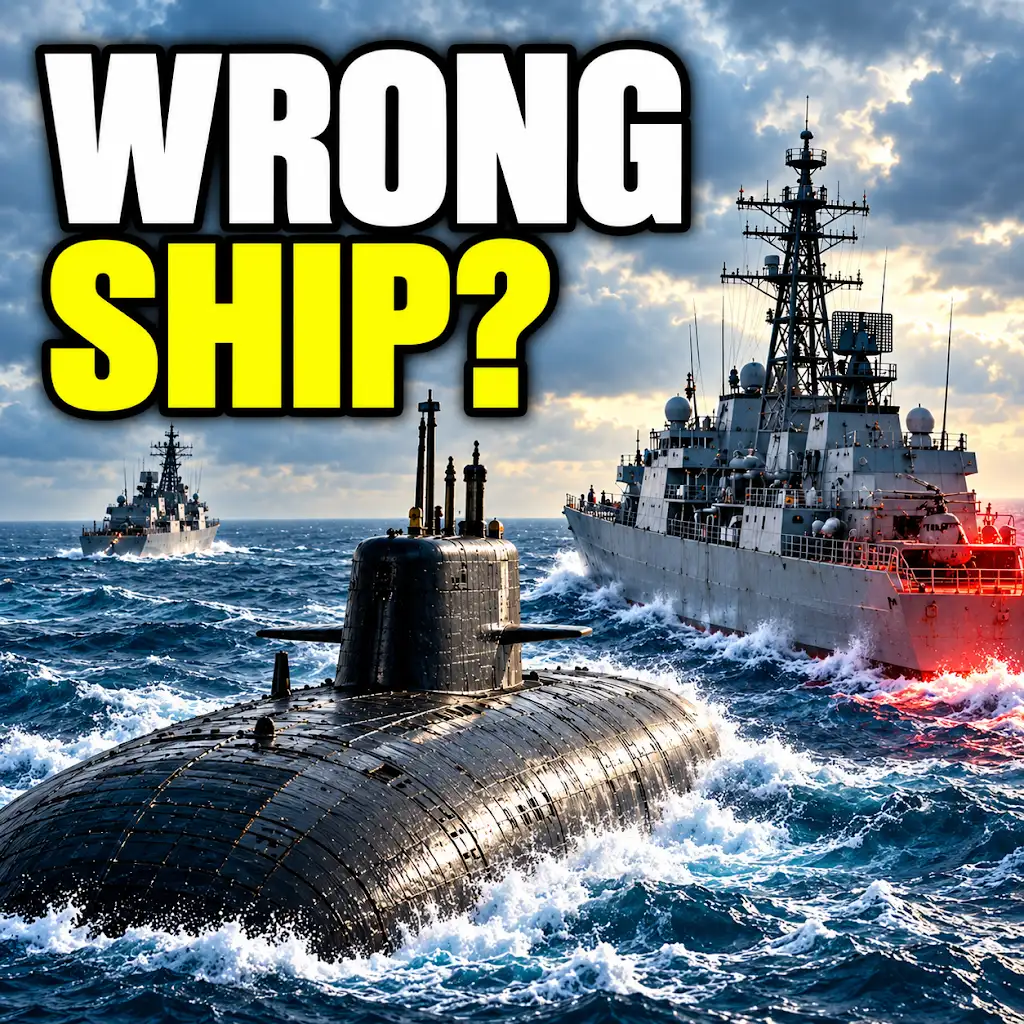
A Soviet Submarine Hit a U.S. Frigate. Was It the Wrong Ship?
FAQs
What was the Soviet submarine Cold War incident?
The Soviet submarine Cold War incident refers to an event in 1961 when a Soviet submarine carrying nuclear torpedoes accidentally sank in the North Atlantic Ocean.
What caused the sinking of the Soviet submarine during the Cold War incident?
The sinking of the Soviet submarine was caused by a malfunction in the submarine’s cooling system, which led to a reactor meltdown and subsequent explosion.
What were the consequences of the Soviet submarine Cold War incident?
The consequences of the incident included the loss of the submarine and its crew, as well as the risk of a nuclear disaster due to the presence of nuclear torpedoes on board.
How did the United States respond to the Soviet submarine Cold War incident?
The United States conducted a covert operation to locate and retrieve the sunken Soviet submarine, known as Project Azorian, in order to gather intelligence on Soviet naval technology.
What lessons were learned from the Soviet submarine Cold War incident?
The incident highlighted the dangers of nuclear submarines and the importance of proper maintenance and safety protocols to prevent similar accidents in the future.