Operation Paul Bunyan, a name that evokes images of lumberjacks and forest clearing, belies a far more complex and sensitive military undertaking. At its heart was the F-4 Phantom II, a formidable and iconic jet fighter, tasked with a mission that pushed the boundaries of aerial warfare and strategic diplomacy. This operation, shrouded in a veil of secrecy for decades, involved the deployment of specialized F-4 Phantoms in a role that was both defensive and demonstrative, aimed at deterring aggression and signaling unwavering commitment. Understanding Operation Paul Bunyan requires delving into the geopolitical climate of the era, the unique capabilities of the F-4 Phantom, and the specific strategic objectives it was designed to achieve.
The late 1960s and early 1970s were a period of heightened tension in the Cold War. The United States and the Soviet Union, along with their respective allies, were locked in a global struggle for ideological and geopolitical dominance. This rivalry manifested in proxy conflicts, an escalating arms race, and a constant undercurrent of potential escalation to nuclear war. In this environment, every military posture, every deployment, and every exercise held significant symbolic weight, capable of being interpreted as either a sign of resolve or a provocation.
The Korean Peninsula: A Perpetual Flashpoint
Among the many global hotspots, the Korean Peninsula stood out as a particularly volatile region. Divided in the aftermath of World War II, the peninsula remained a stark symbol of the ideological divide between the West and the Communist bloc. The armistice that ended the Korean War in 1953 was a fragile peace, with constant skirmishes and propaganda exchanges keeping the region on a knife’s edge. The presence of American forces in South Korea was a crucial deterrent against further aggression from the North, which was heavily supported by its communist allies, China and the Soviet Union.
The Threat of North Korean Belligerence
North Korea, under the leadership of Kim Il-sung, maintained a highly militarized posture and harbored ambitions of reunifying the peninsula under communist rule. This was often expressed through aggressive rhetoric, border provocations, and attempts to infiltrate the South. The United States, in partnership with its South Korean allies, needed to maintain a credible deterrent presence that could quickly and decisively respond to any overt acts of aggression. This required not only ground forces but also a robust air capability that could project power and provide immediate air support.
The Strategic Significance of Air Superiority
In any conflict scenario on the Korean Peninsula, air superiority would be a critical factor. The ability to control the skies would allow friendly ground forces to operate with greater freedom, deny enemy mobility, and strike at critical infrastructure and troop concentrations. The F-4 Phantom, with its advanced capabilities for its time, was seen as a crucial asset in achieving and maintaining this air superiority.
The F-4 Phantom’s role in Operation Paul Bunyan is a fascinating chapter in military history, showcasing the aircraft’s versatility and significance during the Cold War. For those interested in exploring more about the strategic implications and the operational details of this mission, I recommend reading a related article on the topic at this link: In the War Room. This article delves deeper into the context of the operation and the technological advancements that the F-4 Phantom represented during that era.
The F-4 Phantom II: A Workhorse of the Skies
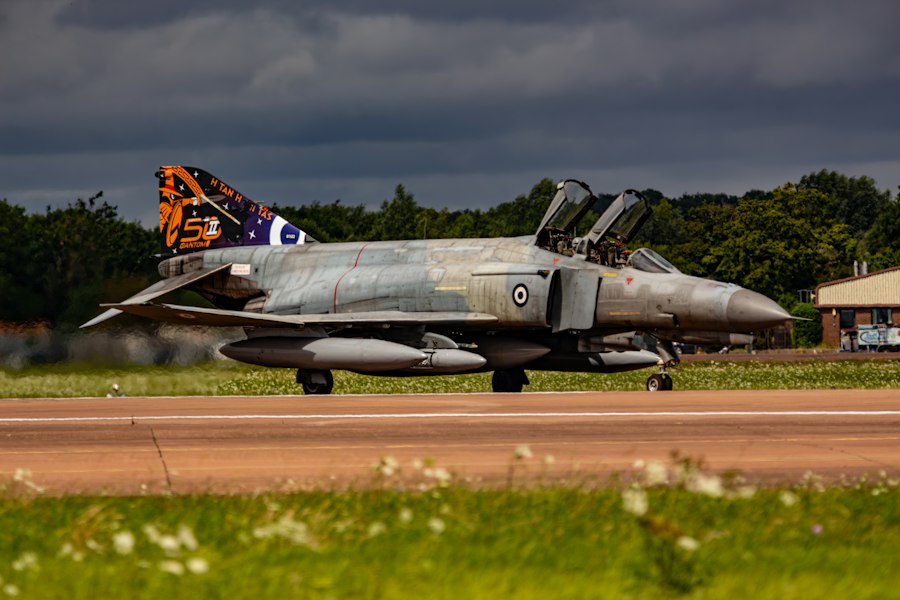
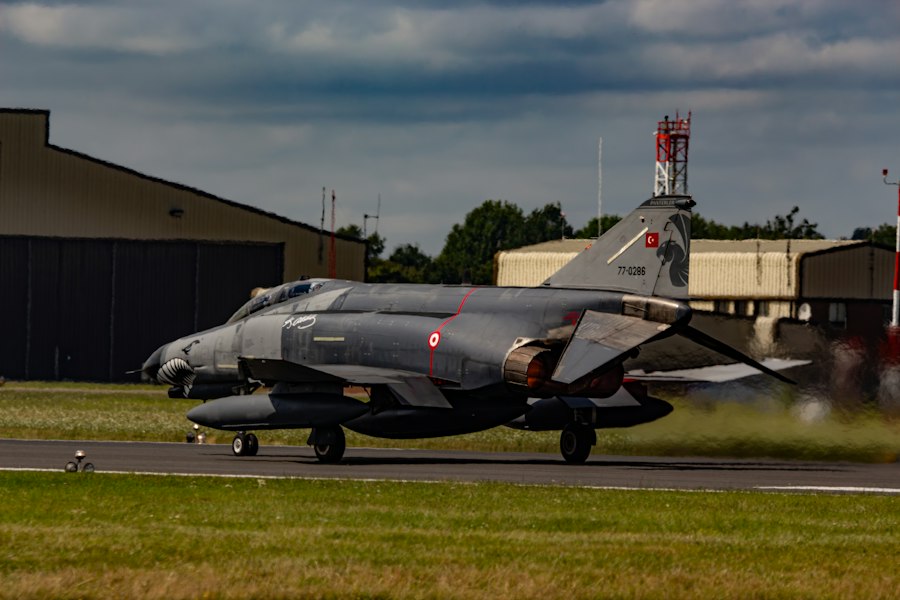
The McDonnell Douglas F-4 Phantom II was a supersonic, twin-engine, all-weather fighter-bomber that served with the United States Navy, Marine Corps, and Air Force, as well as the air forces of numerous allied nations. It was a testament to American engineering and a symbol of air power during the Cold War. Its versatility and robust design made it a ubiquitous presence in air forces around the globe.
Design Philosophy and Capabilities
The F-4 was not initially designed with air-to-air combat as its primary role. Its genesis lay in the Navy’s desire for a fleet defense interceptor. However, its potent engines, large payload capacity, and advanced radar made it exceptionally adaptable. The F-4 was characterized by its lack of an internal cannon, a decision made to maximize missile carriage and radar performance. Instead, it relied on a formidable array of air-to-air missiles.
Speed and Performance
The F-4 Phantom II was capable of supersonic speeds, reaching Mach 2.2. This speed, combined with its powerful twin General Electric J79 turbojet engines, allowed it to rapidly intercept enemy aircraft and cover vast distances. Its acceleration and climb rate were impressive, giving it a significant advantage in dogfights and pursuit scenarios.
Radar and Avionics
Early models of the F-4 were equipped with sophisticated radar systems for their time, such as the AN/APQ-72. This radar allowed the Phantom to detect and track enemy aircraft at considerable ranges, providing crucial early warning and enabling the launch of missiles from beyond visual range. The continuous evolution of its avionics suite throughout its service life ensured that the F-4 remained a potent platform even as threats evolved.
Payload and Versatility
The F-4 Phantom II boasted a significant payload capacity, with multiple hardpoints on its wings and fuselage. This allowed it to carry a diverse range of weapons, including air-to-air missiles like the AIM-7 Sparrow and AIM-9 Sidewinder, as well as a variety of bombs and rockets for ground attack missions. This inherent versatility meant that a single airframe could be adapted for different roles, making it a valuable asset for any air force.
Variants and Specialization
Over its long service life, numerous variants of the F-4 were developed, each with its own specific modifications and improvements. For Operation Paul Bunyan, it’s likely that specific variants or configurations were chosen for their particular strengths in reconnaissance, electronic warfare, or specialized interception roles.
Reconnaissance Variants
Some F-4 variants were specifically outfitted for reconnaissance missions, equipped with advanced camera systems and electronic intelligence gathering equipment. These aircraft played a crucial role in providing vital intelligence on enemy movements and capabilities.
Electronic Warfare Capabilities
The F-4 could also be configured for electronic warfare (EW) missions, equipped with jamming pods and electronic countermeasures. These aircraft were essential in disrupting enemy radar and communications, creating a more favorable environment for friendly forces.
The Genesis of Operation Paul Bunyan: A Response to Escalating Threats
Operation Paul Bunyan was not a standalone event but rather a strategic response to specific threats and a demonstration of American resolve. The exact triggers for the operation are often debated and were closely guarded secrets, but they undoubtedly stemmed from heightened tensions and a perceived need to reinforce deterrence.
The Role of Intelligence Gathering
Accurate and timely intelligence was paramount in the planning and execution of Operation Paul Bunyan. Understanding the capabilities and intentions of North Korea, as well as the potential reactions of its allies, was crucial for developing a successful strategy. The F-4 Phantom, with its advanced reconnaissance capabilities, would have played a vital role in this intelligence gathering process.
Aerial Reconnaissance Missions
Specialized F-4 variants, equipped with high-resolution cameras and other sensors, would have conducted extensive reconnaissance flights over North Korea and its surrounding areas. These missions aimed to map air defenses, identify troop movements, and assess the readiness of enemy forces.
Electronic Intelligence (ELINT)
The collection of electronic intelligence was also critical. F-4s configured for ELINT would have intercepted enemy radar emissions, communication signals, and other electronic emanations, providing valuable insights into their operational patterns and technological capabilities.
The Symbolic Importance of Air Power Demonstrations
Beyond intelligence gathering, Operation Paul Bunyan was intended as a potent demonstration of American air power. The deployment of advanced aircraft like the F-4 Phantom served as a clear message to potential adversaries that the United States possessed the capability and the will to respond decisively to any aggression.
High-Visibility Patrols and Exercises
The operation likely involved highly visible aerial patrols and exercises conducted in close proximity to North Korean airspace. These demonstrations were designed to be noticed, to signal American commitment to South Korea’s defense, and to deter any provocations.
Strategic Bombing Scenarios (Simulated)
While not necessarily involving actual bombing, exercises might have simulated strategic bombing scenarios, showcasing the F-4’s ability to strike deep into enemy territory. This served as a stark reminder of the potential consequences of hostile actions.
The Mission Profile: Tasks and Objectives of the F-4 Phantoms
The specific mission profile of the F-4 Phantoms involved in Operation Paul Bunyan would have been multifaceted, encompassing a range of roles tailored to the prevailing threat and strategic objectives. The operation was designed to be both a deterrent and a preparedness measure.
Air Defense Interception and Patrols
A primary objective would have been to provide immediate air defense against any potential incursions by North Korean aircraft. This involved maintaining a constant state of readiness and conducting patrols in strategic airspace.
Quick Reaction Alarms (QRA)
F-4 Phantoms would have been on Quick Reaction Alert (QRA) status, meaning they were fueled, armed, and ready to launch within minutes of an airborne threat being detected. This minimized response times and ensured the ability to intercept any hostile aircraft effectively.
Combat Air Patrols (CAP)
Extended Combat Air Patrols (CAP) would have been conducted over South Korea and in international waters adjacent to its airspace. These patrols aimed to deter enemy aircraft from entering South Korean territory and to provide immediate air cover for friendly forces.
Escort and Close Air Support (CAS)
In the event of hostilities, the F-4 Phantoms would have been crucial for escorting friendly bombers and reconnaissance aircraft, as well as providing Close Air Support (CAS) to ground troops.
Bomber and Reconnaissance Escort
The F-4’s speed and firepower made it an ideal escort platform for slower, more vulnerable aircraft. This ensured the safe completion of their missions, whether for bombing raids or intelligence gathering.
Direct Ground Support
In a ground conflict scenario, F-4s would have been called upon to provide direct air support to friendly ground forces. This could involve attacking enemy troop concentrations, artillery positions, or armored vehicles, thereby increasing the survivability of ground troops.
Electronic Warfare and Suppression of Enemy Air Defenses (SEAD)
The operation would have likely incorporated significant electronic warfare components to disrupt North Korean air defenses and to facilitate the penetration of their airspace by other friendly aircraft.
Jamming and Deception Tactics
F-4s equipped with electronic warfare pods would have actively jammed North Korean radar and communication systems, creating confusion and degrading their ability to detect and track friendly forces. Deception tactics, such as emitting false signals, could also have been employed.
Suppression of Enemy Air Defenses (SEAD)
The SEAD mission is critical in any modern conflict. F-4s would have been tasked with identifying and neutralizing North Korean surface-to-air missile (SAM) sites and anti-aircraft artillery (AAA) positions, thereby creating safe corridors for other friendly aircraft to operate.
The F-4 Phantom played a crucial role during Operation Paul Bunyan, a significant military operation aimed at demonstrating U.S. resolve in the Korean Peninsula. This operation was a response to the tensions surrounding the Korean Demilitarized Zone, and it showcased the strategic capabilities of the Phantom. For a deeper understanding of the historical context and implications of such military actions, you can read more about it in this insightful article on military operations. Check it out here.
The Legacy and Secrecy of Operation Paul Bunyan
| Metric | Details |
|---|---|
| Operation Name | Paul Bunyan |
| Aircraft Used | F-4 Phantom II |
| Date | August 1976 |
| Location | Demilitarized Zone (DMZ), Korean Peninsula |
| Purpose | Show of force and military readiness following the Axe Murder Incident |
| Number of F-4 Phantoms Deployed | Approximately 200 |
| Duration | Several weeks |
| Outcome | De-escalation of tensions and restoration of status quo in the DMZ |
The true extent and precise details of Operation Paul Bunyan remained classified for many years, reflecting the sensitive nature of the geopolitical situation and the desire to maintain strategic ambiguity. However, the operation served as a significant demonstration of American commitment and capability.
The Role of Secrecy in Cold War Diplomacy
During the Cold War, secrecy was a crucial tool in diplomacy and military strategy. Operations like Paul Bunyan were kept under wraps to avoid escalating tensions unnecessarily or to avoid revealing specific intelligence-gathering methods and capabilities. This allowed for greater flexibility and maneuverability on the international stage.
Maintaining Strategic Ambiguity
By keeping the specifics of the operation confidential, the United States maintained a degree of strategic ambiguity. This meant that potential adversaries could not be entirely certain of the full range of American capabilities or intentions, contributing to a more cautious approach on their part.
Protecting Sensitive Capabilities
The secrecy also served to protect the sensitive capabilities of the F-4 Phantom and the intelligence assets involved. Revealing these details could have allowed adversaries to develop countermeasures, diminishing the effectiveness of future operations.
The F-4 Phantom’s Enduring Symbolism
The F-4 Phantom II, through its extensive service and pivotal role in operations like Paul Bunyan, became an enduring symbol of American air power. It represented a generation of advanced fighter aircraft that played a crucial role in maintaining global stability during the Cold War. Its iconic silhouette and powerful performance are etched in the history of military aviation.
A Testament to Technological Advancement
The F-4 was a testament to the rapid technological advancements of the era, pushing the boundaries of speed, avionics, and weapon systems. Its success on numerous battlefields and in diverse operational environments solidified its reputation as one of the most successful combat aircraft ever built.
A Symbol of Deterrence and Resolve
Operations like Paul Bunyan, even if largely unknown to the public at the time, underscore the F-4 Phantom’s role not just as a weapon of war but as a potent symbol of deterrence and resolve. The presence of these formidable aircraft signaled a willingness to defend allies and to project power when necessary, a crucial element in preventing larger conflicts during the tense decades of the Cold War. The echoes of Operation Paul Bunyan, though quiet, resonate in the understanding of how strategic aviation shaped global security.

America Sent an Aircraft Carrier to Cut Down One Tree
FAQs
What was Operation Paul Bunyan?
Operation Paul Bunyan was a military operation conducted by the United States and South Korea in 1976 to cut down a tree in the Korean Demilitarized Zone (DMZ) that was obstructing the view of a United Nations Command checkpoint.
Why was the F-4 Phantom used in Operation Paul Bunyan?
The F-4 Phantom was chosen for Operation Paul Bunyan due to its versatility, speed, and ability to carry out precision strikes. It was used to provide air support and reconnaissance during the operation.
How did the F-4 Phantom contribute to the success of Operation Paul Bunyan?
The F-4 Phantom played a crucial role in Operation Paul Bunyan by providing air cover and reconnaissance support to ensure the safety of ground troops and equipment during the tree-cutting operation in the DMZ.
Were there any casualties during Operation Paul Bunyan involving the F-4 Phantom?
No, there were no casualties involving the F-4 Phantom during Operation Paul Bunyan. The operation was carried out successfully without any loss of life.
What was the significance of Operation Paul Bunyan in the history of the Korean Peninsula?
Operation Paul Bunyan was significant in demonstrating the resolve of the United States and South Korea to uphold the armistice agreement in the Korean Peninsula. It also highlighted the importance of maintaining peace and stability in the region.