
Operation Neptune Spear was a covert mission executed by a unit of the United States Navy SEALs, codenamed SEAL Team Six. The objective was to locate and eliminate or capture Osama bin Laden, the founder and leader of the terrorist organization al-Qaeda. The operation, which took place on May 2, 2011, in Abbottabad, Pakistan, was the culmination of years of intelligence gathering and planning.
The seeds of Operation Neptune Spear were sown in the aftermath of the September 11, 2001, terrorist attacks. Osama bin Laden, identified as the mastermind behind the attacks, became the primary target of the United States’ War on Terror. For nearly a decade, intelligence agencies worked tirelessly to track his whereabouts, piecing together fragments of information that hinted at his continued existence and operational influence.
The Long Shadow of al-Qaeda
Following the US-led invasion of Afghanistan in late 2001, al-Qaeda’s leadership, including bin Laden, dispersed. While the organization suffered significant blows, it continued to pose a threat, inspiring and coordinating terrorist activities globally. The elusive nature of bin Laden, combined with his ability to operate from various safe havens, made his capture or elimination a persistent and daunting challenge.
The Importance of Intelligence
The success of any operation of this magnitude hinges on the quality and currency of intelligence. Over the years, US intelligence agencies, through a combination of human intelligence, signals intelligence, and analysis, began to develop a more precise understanding of bin Laden’s patterns of life and potential locations. Key breakthroughs, particularly the identification of a heavily fortified compound in Abbottabad, Pakistan, began to solidify the possibility of a direct action mission.
The Abbottabad Compound
The compound, situated in a relatively affluent area of Abbottabad, raised suspicions due to its unusual construction, high walls, and lack of external communication lines. Intelligence indicated that it might be serving as a high-value location, possibly harboring key al-Qaeda figures. The painstaking analysis of satellite imagery, aerial reconnaissance, and human intelligence sources gradually built a case that this compound was the most likely sanctuary for Osama bin Laden.
The Decision to Act
With growing confidence in the intelligence, the decision was made to plan and execute a direct action mission. This was not a decision taken lightly. The inherent risks, including the potential for diplomatic fallout with Pakistan, the possibility of heavy casualties, and the failure of the mission itself, were all weighed carefully. Ultimately, the strategic imperative to neutralize bin Laden and the perceived window of opportunity led to the authorization of Operation Neptune Spear.
Operation Neptune Spear, the covert mission that led to the death of Osama bin Laden, was executed by the elite Navy SEAL Team Six. For a deeper understanding of the tactical decisions and the intricate planning that went into this historic operation, you can read a related article that provides insights into the challenges faced by the team. For more information, visit this article.
The SEAL Team Six Advantage
SEAL Team Six, officially known as the Naval Special Warfare Development Group (NSWDG), is a highly specialized and elite unit within the U.S. Navy SEALs. Their reputation for undertaking the most dangerous and sensitive missions is well-earned, and they were the unequivocal choice for Operation Neptune Spear.
Unrivaled Training and Selection
The selection and training process for SEAL Team Six operators are exceptionally rigorous, designed to identify and forge individuals with unparalleled physical and mental resilience, tactical acumen, and the ability to operate under extreme duress. They undergo advanced training in areas such as close-quarters combat, intelligence gathering, direct action, hostage rescue, and unconventional warfare.
The Professionals of Direct Action
SEAL Team Six is renowned for its expertise in direct action operations. This involves conducting offensive missions against specific targets, often in denied or hostile territory. Their proficiency in planning, execution, and exfiltration in high-stakes environments made them the ideal force for a mission involving a covert insertion into a fortified compound.
Innovation and Adaptability
The unit is also known for its innovative approach to operations and its ability to adapt to unforeseen circumstances. This includes the development and integration of cutting-edge technology, as well as the mental flexibility to adjust plans in real-time. This adaptability was crucial for a mission as complex and fraught with potential complications as Neptune Spear.
The ‘DevGru’ Ethos
The ethos of Naval Special Warfare Development Group emphasizes teamwork, trust, and a relentless pursuit of mission success, even at great personal risk. This shared commitment to a common objective, coupled with their individual skills, creates a cohesive and formidable fighting force.
A Proven Track Record
SEAL Team Six had already established a remarkable track record of successful operations prior to Neptune Spear. Their previous missions, though often classified, had demonstrated their capability to achieve seemingly impossible objectives, further solidifying their selection for this critical undertaking.
The Mission Profile: A High-Risk Assault
Operation Neptune Spear was meticulously planned to minimize risk while maximizing the probability of success. The chosen approach was a direct assault on the Abbottabad compound, utilizing specialized helicopters for insertion and extraction.
The Nocturnal Advantage
The operation was scheduled to take place under the cover of darkness, leveraging the element of surprise. Night operations are inherently more challenging, requiring specialized equipment and advanced night-vision capabilities, which were integral to the SEALs’ toolkit.
Specialized Aviation Assets
The mission relied on the use of specialized helicopters from the 160th Special Operations Aviation Regiment (SOAR), often referred to as the “Night Stalkers.” These aircraft are equipped with advanced navigation and stealth technologies, allowing for precise and covert insertions into hostile territory. Two MH-60 Black Hawk helicopters were designated for the primary assault, with an additional MH-47 Chinook helicopter providing support and a potential extraction platform if needed.
The ‘Hacksaw’ and ‘Hammer’ Plans
Two primary operational plans were developed: “Hacksaw,” which involved a nighttime helicopter insertion directly onto the compound, and “Hammer,” a ground-based approach in case the aerial insertion proved too risky. The decision to proceed with Hacksaw was made based on the assessment of the compound’s defenses and the speed required for the mission.
Overcoming Obstacles
The compound’s high walls and the presence of other structures presented significant challenges for helicopter insertion. The SEALs were trained to breach these barriers quickly and efficiently, neutralizing any immediate threats. The precise landing zones were carefully scouted and identified to ensure rapid deployment of the assault force.
The Stealthy Approach
Minimizing noise and light during the insertion was paramount to maintaining the element of surprise. The MH-60 helicopters were flown at low altitudes and with engines muffled to reduce their acoustic signature. The operators themselves were equipped with night vision goggles, allowing them to navigate and engage targets in complete darkness.
The Contingency for the Unexpected
While the plan was detailed, the SEALs were trained to expect the unexpected. Contingency plans were in place for various scenarios, including potential engagement with Pakistani forces, encountering unexpected resistance within the compound, or the need for rapid extraction due to unforeseen circumstances.
The D-Day: Execution and Engagement
The night of May 2, 2011, marked the culmination of years of effort. The SEAL Team Six operators launched into the darkness, their faces grim with determination, their minds focused on the mission objective.
The Helicopter Insertion
The MH-60 helicopters approached the Abbottabad compound under the cloak of darkness. The flight was tense, with every crew member acutely aware of the stakes. As they neared their target, the pilots executed precise maneuvers to land the helicopters as close to the compound walls as possible.
Breaching the Walls
Upon landing, the SEALs immediately began to breach the compound’s defenses. Explosives were used to create entry points through the outer walls, allowing the assault teams to gain access to the interior. This was a critical phase, as any delay or misstep could compromise the mission’s surprise element.
The Compound Cleared, Room by Room
Once inside, the SEALs moved methodically, clearing the compound room by room. They encountered resistance from some of the inhabitants, including Osama bin Laden’s personal guards and some of his family members. The SEALs were trained to neutralize threats with lethal force when necessary, while also attempting to minimize civilian casualties.
The Confrontation
The SEALs eventually located Osama bin Laden on the third floor of the main building. The confrontation was brief and decisive. Bin Laden, armed and posing a threat, was engaged by SEALs. The operation resulted in his death.
The Evidence and Identification
Following the engagement, the SEALs secured the compound and identified bin Laden. Photographic and video evidence was collected, and biological samples were taken to confirm his identity. The SEALs also secured any intelligence materials that might be of value.
The High-Stakes Extraction
With the primary objective achieved and the compound secured, the SEALs prepared for extraction. This phase was equally critical, as they were now in hostile territory and any delay could invite a response from local authorities. The helicopters returned to extract the SEAL Team Six operators, along with bin Laden’s remains and any gathered intelligence.
Operation Neptune Spear, the mission that led to the death of Osama bin Laden, showcased the exceptional capabilities of SEAL Team Six. The operation not only highlighted the team’s tactical prowess but also sparked discussions about the implications of such covert missions on international relations and counterterrorism strategies. For a deeper understanding of the broader context surrounding this operation, you can read a related article that explores the intricacies of special operations and their impact on global security. To learn more, visit this insightful piece.
The Aftermath: Global Impact and Legacy
| Metric | Details |
|---|---|
| Operation Name | Operation Neptune Spear |
| Date | May 2, 2011 |
| Location | Abbottabad, Pakistan |
| Primary Unit | SEAL Team Six (DEVGRU) |
| Objective | Capture or kill Osama bin Laden |
| Duration | Approximately 40 minutes |
| Number of Operators | Approximately 24 SEALs |
| Casualties | None reported among SEALs |
| Outcome | Osama bin Laden killed, intelligence gathered |
| Aircraft Used | Two modified Black Hawk helicopters |
The successful execution of Operation Neptune Spear sent shockwaves across the globe. The elimination of Osama bin Laden was a monumental victory in the fight against terrorism and had profound geopolitical implications.
A Global Reaction
News of bin Laden’s death was met with a mix of jubilation and solemn reflection worldwide. For many, it represented the end of an era of fear and a significant step towards achieving justice for the victims of 9/11.
Diplomatic Ramifications
The operation, conducted without the explicit prior knowledge or consent of the Pakistani government, created diplomatic friction between the United States and Pakistan. While Pakistan’s cooperation in the broader fight against terrorism was acknowledged, the covert nature of the raid raised questions of sovereignty and trust.
The Intelligence Dividend
The intelligence gathered from the Abbottabad compound was immense. It provided unprecedented insights into al-Qaeda’s operational planning, communications, and financial networks. This intelligence proved invaluable in subsequent counterterrorism efforts, disrupting planned attacks and dismantling the organization’s capabilities.
The End of a Terrorist Icon
Osama bin Laden’s death removed a central figurehead for global jihadist movements. While al-Qaeda and other extremist groups continued to exist and evolve, the symbolic blow of his demise was significant, undermining their morale and recruitment efforts.
The Legacy of Neptune Spear
Operation Neptune Spear stands as a testament to the capabilities of elite special operations forces and the unwavering commitment of intelligence agencies to pursuing elusive adversaries. It demonstrated that even the most sought-after terrorist leaders are not beyond reach. The mission also highlighted the complex ethical and political considerations that accompany such high-stakes operations, shaping future approaches to counterterrorism. The bravery, skill, and sacrifice of the SEAL Team Six operators involved continue to be recognized and honored, cementing the operation’s place in modern military history.
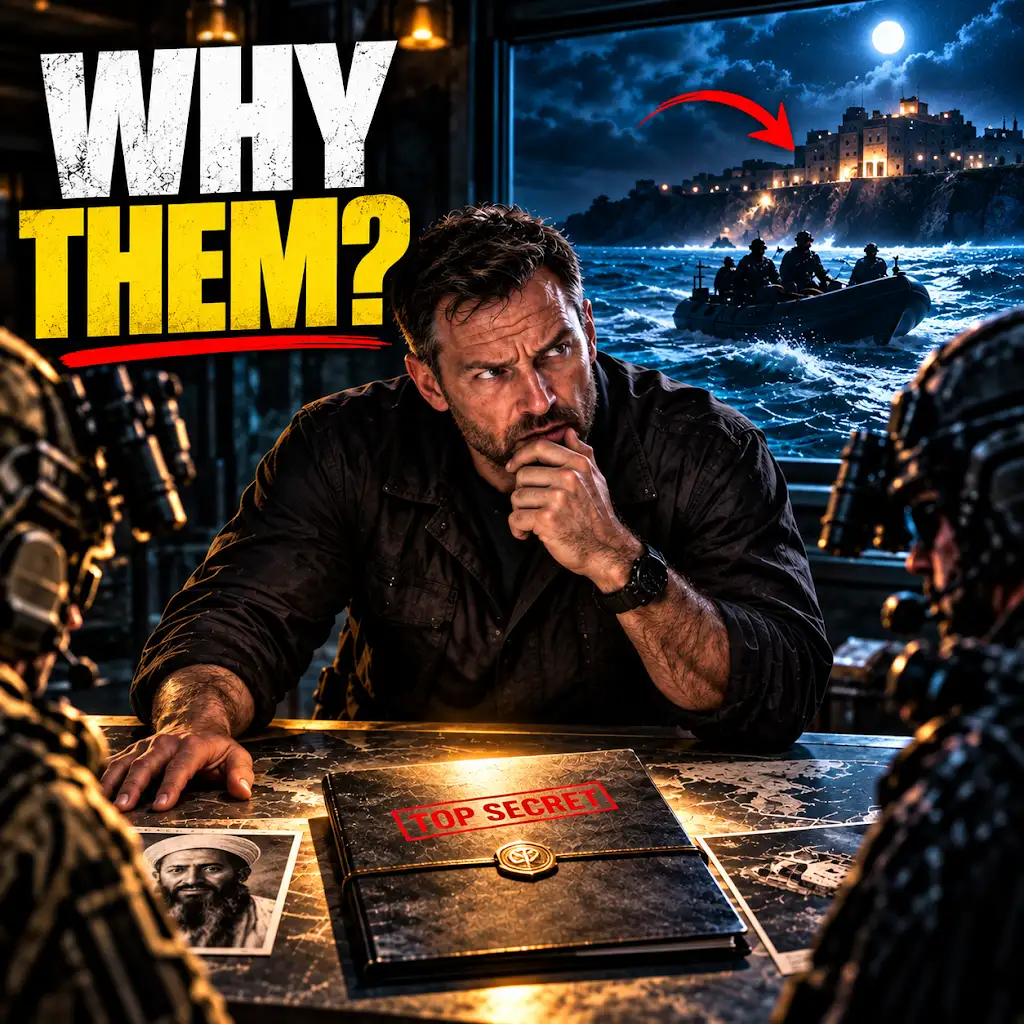
Why SEAL Team Six Got the Bin Laden Raid — Not Delta Force
FAQs
What is Operation Neptune Spear?
Operation Neptune Spear was the code name for the military operation that resulted in the death of Osama bin Laden, the leader of the terrorist group al-Qaeda, on May 2, 2011.
Who carried out Operation Neptune Spear?
Operation Neptune Spear was carried out by the United States Navy SEALs, specifically the elite counter-terrorism unit known as SEAL Team Six (officially designated as the Naval Special Warfare Development Group).
Where did Operation Neptune Spear take place?
Operation Neptune Spear took place in Abbottabad, Pakistan, where Osama bin Laden was hiding in a compound. The operation was conducted by SEAL Team Six with the support of other U.S. military and intelligence agencies.
How long did Operation Neptune Spear last?
Operation Neptune Spear lasted approximately 40 minutes from the time the SEALs landed in the compound to the time they departed with bin Laden’s body. The operation was meticulously planned and executed with precision.
What was the significance of Operation Neptune Spear?
Operation Neptune Spear was a significant milestone in the global fight against terrorism, as it resulted in the death of one of the most wanted terrorists in the world, Osama bin Laden. The successful operation demonstrated the capabilities of U.S. special operations forces and their ability to conduct high-risk missions with precision and effectiveness.