The Shadow Warriors: Inside Delta Force Tier One
Delta Force, officially known as the 1st Special Forces Operational Detachment-Delta (1st SFOD-D), is the United States Army’s premier counter-terrorism unit and a crucial component of the Joint Special Operations Command (JSOC). Operating in the deepest shadows, Delta Force is renowned for its ability to execute the most sensitive, complex, and dangerous missions, often in environments where conventional forces cannot or will not tread. This elite unit, shrouded in secrecy, represents the pinnacle of military special operations, a testament to rigorous selection, unparalleled training, and an unwavering commitment to mission success. Understanding Delta Force requires delving beyond the headlines and into the intricate workings of a Tier One unit, where every operator is a master of their craft, dedicated to protecting national interests at the highest level.
The need for a dedicated, highly specialized unit capable of handling unconventional threats and hostage situations became increasingly apparent during the Cold War era. The rise of international terrorism, coupled with the perceived inadequacies of existing special operations forces to address these emerging challenges, spurred the creation of a new kind of operator.
The Munich Olympics and the Birth of a Concept
The horrific events of the 1972 Munich Olympics, where Israeli athletes were taken hostage and ultimately killed by Palestinian terrorists, served as a brutal wake-up call for the United States. The perceived slow and ineffectual response by Western security forces highlighted a critical gap in capabilities. This tragedy directly influenced the development of a specialized counter-terrorism unit, one that could react with speed, precision, and overwhelming force.
Colonel Charles Beckwith and the Vision for Delta
Colonel Charles Beckwith, a highly decorated Special Forces veteran, is widely credited as the driving force behind the establishment of Delta Force. Having studied similar units in Britain, specifically the Special Air Service (SAS), Beckwith envisioned an American counterpart that would embody the same level of operational excellence and clandestine capability. His vision was not simply to create another special operations unit, but to forge an organization that could handle threats that were beyond the scope of traditional military and law enforcement agencies.
Official Establishment and Early Operations
Delta Force was officially established in November 1977. Its early years were characterized by intensive development, refinement of tactics, and the meticulous selection of its initial cadre. The unit’s existence was a closely guarded secret, and its operational history remained largely classified for many years. Early missions, though rarely publicly acknowledged, laid the groundwork for the unit’s formidable reputation in hostage rescue, direct action, and counter-terrorism operations.
For those interested in a deeper understanding of the elite Delta Force Tier One unit, a related article can be found at In The War Room. This resource provides comprehensive insights into the training, operations, and history of this specialized military group, shedding light on their critical role in national security and counter-terrorism efforts. Whether you’re a military enthusiast or simply curious about special operations forces, this article offers valuable information that complements the discussion on Delta Force.
The Tier One Difference: What Sets Delta Apart
The designation “Tier One” is not merely a label; it signifies a select group of special operations units within the U.S. military that are entrusted with the nation’s most critical and clandestine missions. Delta Force stands at the apex of this hierarchy, characterized by its unique operational mandate, stringent selection process, and the extraordinary caliber of its personnel.
Beyond Conventional Warfare: The Mandate of a Tier One Unit
Tier One units like Delta Force are designed to operate in the grey areas, where direct military engagement might be politically untenable or strategically unwise. Their missions often involve intelligence gathering in hostile territory, the apprehension or elimination of high-value targets, counter-terrorism operations, and the rescue of personnel in extremis. The key differentiator is their ability to execute these operations with an extremely high degree of stealth, precision, and deniability.
The Pillars of Tier One Excellence: Selection, Training, and Culture
The relentless pursuit of excellence is the bedrock of Delta Force. This excellence is not accidental; it is meticulously cultivated through a multi-faceted approach that begins with an exceptionally demanding selection process and continues through continuous, cutting-edge training and an ingrained culture of perfection.
The Crucible of Selection: Finding the Finest of the Finest
The path to becoming a Delta Force operator is one of the most arduous and unforgiving in the military. The unit draws its personnel from experienced soldiers within the U.S. Army, primarily from other Special Operations units, but also from conventional infantry and other branches. The selection process is intentionally brutal, designed to push candidates to their absolute physical and psychological limits.
Physical and Mental Fortitude: The Ultimate Test
Candidates undergo a grueling assessment that includes extreme physical conditioning, long-distance rucksacks, survival training, and a series of psychologically taxing exercises. Failure is not an option, and the standards are incredibly high. Those who falter are immediately sent back to their parent units. The goal is to identify individuals who possess not only exceptional physical prowess but also unwavering mental resilience, the ability to perform under immense pressure, and the capacity for independent decision-making in chaotic environments.
The “Spirit” of the Operator: Beyond Raw Talent
While technical skills and physical ability are paramount, Delta Force also seeks a certain intangible quality, often referred to as “spirit.” This encompasses traits like courage, adaptability, initiative, humility, and the absolute dedication to the team. The selection process aims to uncover individuals who can not only execute orders flawlessly but also think critically, solve unforeseen problems, and foster a cohesive unit dynamic.
Relentless Training: Mastering Every Contingency
Upon successfully completing selection, candidates enter a period of intensive training that is unparalleled in its scope and realism. This training is not a one-time event; it is a continuous process that ensures operators remain at the forefront of their fields.
Tactical Proficiency: From Small Arms to Complex Operations
Delta operators are masters of a vast array of tactical disciplines. This includes advanced marksmanship with a multitude of firearms, close-quarters combat (CQC), small unit tactics, infiltration and exfiltration techniques (both overt and covert), explosives handling, advanced driving skills, and proficiency in various forms of airborne and waterborne insertion. They train for every conceivable scenario, from urban warfare to jungle environments, and from desert landscapes to arctic conditions.
Specialized Skills: Diversifying the Toolkit
Beyond general combat skills, Delta operators often specialize in specific areas. This can include advanced intelligence gathering, surveillance and reconnaissance (ISR), electronic warfare, combat medic skills, demolitions expertise, and foreign language proficiency. This diversification ensures the unit possesses the capability to address a wide spectrum of mission requirements.
Realistic Simulations: Practicing for the Unthinkable
A cornerstone of Delta Force training is the use of highly realistic simulations. These exercises meticulously replicate real-world mission scenarios, often involving live-fire exercises in complex environments, mock hostage situations, and simulated counter-terrorism operations. The goal is to create muscle memory and hone decision-making processes under the most authentic conditions possible, ensuring operators react instinctively and effectively when facing real threats.
The Culture of Perfection: Mission Accomplished, No Matter the Cost
The culture within Delta Force is one of absolute professionalism, unwavering discipline, and an obsessive pursuit of perfection. Every operator understands the gravity of their missions and the potential consequences of failure.
The Importance of the Team: A Band of Brothers
While individual skill is essential, the strength of Delta Force lies in its cohesive teamwork. Operators rely implicitly on each other, understanding that their survival and the success of the mission depend on the collective effort. This fosters a profound sense of camaraderie and mutual trust, built through shared hardship and a commitment to the unit’s objectives.
Secrecy and Deniability: Operating in the Shadows
The very nature of Delta Force’s missions necessitates a high degree of secrecy. The unit operates with extreme discretion, often leaving no trace of its presence. This is crucial for both operational effectiveness and for maintaining strategic ambiguity, allowing the United States to achieve its objectives without overt attribution.
Mission Profiles: The Spectrum of Delta’s Operations
Delta Force is not a one-trick pony. Its versatility allows it to be deployed across a wide spectrum of operations, each demanding a unique blend of skills and strategic considerations. The unit’s ability to adapt and excel in diverse scenarios is a testament to its rigorous training and the caliber of its personnel.
Direct Action: Swift and Decisive Intervention
Direct action missions are the most commonly associated with Delta Force, involving swift, precise, and often violent interventions to achieve specific military objectives. These operations are typically characterized by a rapid assault, neutralization of threats, and extraction of personnel or assets.
Hostage Rescue: The Ultimate Test of Nerve and Skill
Hostage rescue operations are a hallmark of Delta Force’s capabilities. These missions require an extraordinary level of planning, coordination, and execution under extreme duress. Operators must be able to infiltrate hostile environments, neutralize armed captors, and safely extract hostages, often with minimal collateral damage and in incredibly short timeframes. The high stakes demand absolute precision and an unwavering focus on minimizing risk to the hostages.
High-Value Target (HVT) Apprehension or Elimination
Delta Force is frequently tasked with locating, apprehending, or eliminating individuals deemed a significant threat to national security. These operations often involve clandestine infiltration into heavily guarded or denied areas, requiring sophisticated intelligence gathering, advanced tactical skills, and the ability to operate with absolute stealth. The objective is to remove the threat with minimal disruption and maximum deniability.
Special Reconnaissance: Unveiling the Enemy’s Secrets
Beyond direct action, Delta Force excels in special reconnaissance missions, which involve the clandestine gathering of intelligence in denied or hostile territories. This intelligence is often critical for shaping future operations, understanding enemy capabilities, and preventing attacks.
Intelligence Gathering in Hostile Environments
Operators are trained to conduct surveillance and reconnaissance in some of the world’s most challenging environments. This can involve long-duration stays behind enemy lines, employing advanced techniques to gather information on enemy forces, infrastructure, and intentions. The emphasis is on subtlety and the ability to blend into the local environment.
Counter-Terrorism Intelligence: Disrupting Plots Before They Unfold
A significant portion of Delta’s reconnaissance efforts is dedicated to counter-terrorism intelligence. This involves identifying terrorist cells, tracking their movements, understanding their operational plans, and gathering evidence to disrupt attacks before they can be launched. This proactive approach is vital in safeguarding national interests.
Counter-Terrorism Operations: Proactive and Reactive Measures
Delta Force plays a critical role in both the proactive and reactive elements of counter-terrorism efforts, designed to degrade, disrupt, and ultimately defeat terrorist organizations.
Disrupting Terrorist Networks: Hitting Them Where It Hurts
Through a combination of direct action and intelligence gathering, Delta Force actively works to dismantle terrorist networks. This can involve targeting key leaders, disrupting their funding streams, and interdicting their logistical support. The goal is to systematically weaken and incapacitate these organizations.
Responding to Emerging Threats: Rapid Deployment and Crisis Aversion
When new and emerging terrorist threats arise, Delta Force is often among the first responders. Their ability to rapidly deploy to any location and execute tailored operations makes them invaluable in averting crises and mitigating potential damage. This rapid response capability is a cornerstone of their counter-terrorism mandate.
The Tools of the Trade: Advanced Equipment and Technology
Delta Force operates with a suite of advanced weaponry, equipment, and technological assets that are cutting-edge and often custom-designed to meet the unique demands of their missions. The unit’s reliance on superior technology amplifies the capabilities of its highly skilled operators.
Weaponry: Precision and Versatility
The operators of Delta Force are proficient with a wide array of firearms, meticulously selected for their reliability, accuracy, and suitability for various operational environments.
Customized Firearms: Tailored for Mission Specificity
While standard issue firearms are utilized, Delta Force often employs customized versions or specialized weapons. This can include highly accurate sniper rifles, suppressed submachine guns for close-quarters operations, and adaptable assault rifles configured for specific mission profiles. The emphasis is on precision, reliability, and effectiveness in all conditions.
Non-Lethal Options: When De-escalation is Key
In certain situations, the use of non-lethal force is paramount. Delta Force operators are trained in the use of specialized non-lethal weapons and incapacitation techniques, allowing them to apprehend targets or control situations without resorting to lethal force when appropriate.
Technology Integration: Enhancing Situational Awareness
Technology plays a pivotal role in enhancing Delta Force’s operational effectiveness, providing operators with superior situational awareness and communication capabilities.
Advanced Communication Systems: Secure and Reliable Links
Secure and reliable communication is non-negotiable for Delta Force operations. They utilize advanced encrypted communication systems that allow for real-time coordination and information sharing, even in environments with significant electronic interference.
Surveillance and Reconnaissance Gear: Eyes and Ears in the Dark
From miniaturized drones to advanced thermal imaging devices and night vision optics, Delta Force operators are equipped with state-of-the-art surveillance and reconnaissance gear. This technology allows them to gather intelligence discreetly and maintain constant awareness of their surroundings, day or night.
Specialized Vehicles and Aircraft: Mobility and Insertion Capabilities
Delta Force utilizes a range of specialized vehicles and aircraft designed for covert insertion, rapid deployment, and operation in diverse terrain. This can include modified helicopters, specialized ground vehicles capable of traversing difficult landscapes, and high-speed watercraft for maritime operations.
The Delta Force Tier One unit, known for its elite status and specialized training, has been the subject of much intrigue and analysis. For those looking to delve deeper into the operations and history of this formidable group, a related article can provide valuable insights. You can explore more about their missions and capabilities in this informative piece found here. Understanding the complexities of such units sheds light on their critical role in national security and counter-terrorism efforts.
The Future of Delta Force: Evolving Threats and Enduring Excellence
| Aspect | Description | Details / Metrics |
|---|---|---|
| Unit Name | Delta Force (1st Special Forces Operational Detachment-Delta) | Also known as Combat Applications Group (CAG) |
| Type | Tier One Special Operations Force | Counter-terrorism, hostage rescue, direct action |
| Established | 1977 | Formed under the U.S. Army |
| Selection Process | Highly secretive and rigorous | Includes physical endurance, marksmanship, psychological testing |
| Personnel | Highly trained operators | Estimated 1,000+ members (exact numbers classified) |
| Primary Missions | Counter-terrorism, hostage rescue, reconnaissance | Direct action raids, intelligence gathering |
| Training | Advanced combat, weapons, tactics | Includes close quarters battle, parachuting, survival skills |
| Equipment | Specialized weapons and gear | Custom firearms, night vision, communication devices |
| Command Structure | Under U.S. Army Special Operations Command | Reports to Joint Special Operations Command (JSOC) |
| Notable Operations | Operation Eagle Claw, Operation Gothic Serpent | Rescue missions, high-value target capture |
As the global security landscape continues to evolve, Delta Force remains at the forefront of counter-terrorism and special operations. The unit is constantly adapting its training, tactics, and equipment to confront emerging threats and maintain its unparalleled capability.
Adapting to New Challenges: Cyber Warfare and Asymmetric Threats
The rise of cyber warfare and increasingly sophisticated asymmetric threats presents new challenges for Delta Force. The unit is continuously integrating cyber capabilities into its operations and developing strategies to counter evolving forms of terrorism and unconventional warfare.
Technological Advancement: Staying Ahead of the Curve
The relentless pace of technological advancement ensures that Delta Force will continue to invest in and adopt new technologies. From artificial intelligence and advanced robotics to next-generation surveillance and communication systems, the unit will leverage innovation to maintain its operational edge.
The Enduring Legacy: A Shield in the Shadows
Delta Force, as a Tier One unit, represents the apex of American special operations. Its enduring legacy is built on a foundation of unwavering dedication, rigorous training, and the ability to execute the most challenging missions with precision and courage. Operating in the shadows, Delta Force remains a critical shield against the most insidious threats, a testament to the extraordinary capabilities of its operators and their commitment to safeguarding national security. The shadow warriors of Delta Force will continue to stand ready, a silent, formidable force in the defense of the free world.
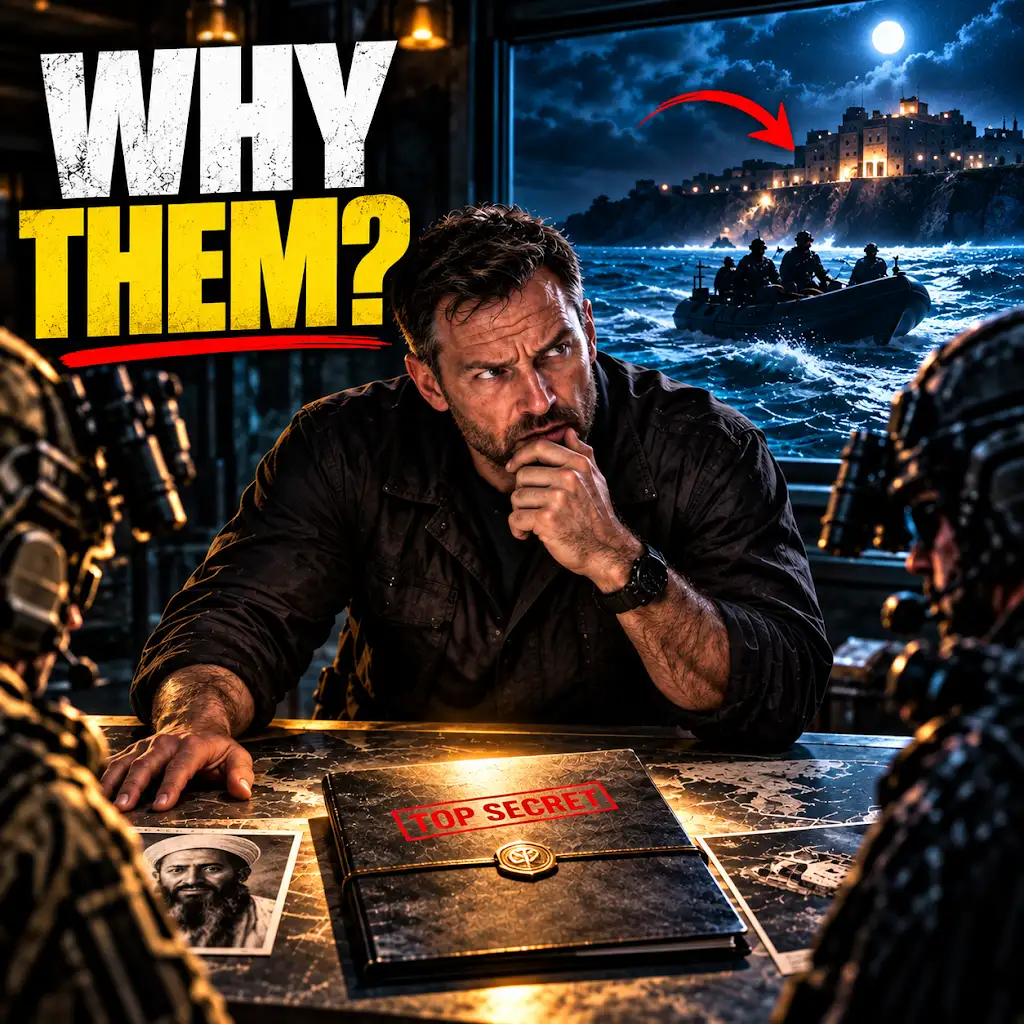
Why SEAL Team Six Got the Bin Laden Raid — Not Delta Force
FAQs
What is Delta Force?
Delta Force is a secretive special operations unit within the United States Army, officially known as 1st Special Forces Operational Detachment-Delta (1st SFOD-D). It is a Tier One unit tasked with counterterrorism and other high-risk missions.
How is Delta Force different from Navy SEALs?
While both Delta Force and Navy SEALs are elite special operations units, they have different areas of focus. Delta Force primarily specializes in counterterrorism and hostage rescue missions, while Navy SEALs are known for their expertise in maritime operations, such as underwater demolition and reconnaissance.
How are Delta Force operators selected?
Delta Force operators are selected from the Army’s Special Forces, Rangers, and other special operations units. Candidates undergo a rigorous selection process that includes physical fitness tests, psychological evaluations, and specialized training to assess their skills and abilities for Tier One operations.
What kind of missions does Delta Force undertake?
Delta Force is primarily tasked with conducting counterterrorism operations, hostage rescues, and other high-risk missions that require precision and stealth. They are often deployed in support of national security objectives and work closely with other special operations units and intelligence agencies.
Is Delta Force a secretive unit?
Yes, Delta Force is known for its secretive nature and operates under a veil of secrecy to protect its missions, tactics, and personnel. The unit’s existence was not officially acknowledged by the U.S. government until the 1990s, and much of its operations remain classified.