The shadowy world of special operations is populated by elite units, each honed to perfection for the most critical and dangerous missions. Among the most renowned are Delta Force and SEAL Team Six. While both are capable of executing a wide spectrum of clandestine operations, their distinct origins, training methodologies, and primary operational focus lead to nuanced differences in the types of missions they are typically tasked with. This article delves into a comparative analysis of Delta Force and SEAL Team Six, examining their respective strengths and the unique challenges they address.
Understanding the foundational purpose of these units is crucial to appreciating their operational distinctions.
Delta Force: The Unconventional Warfare Specialists
Delta Force, officially known as 1st Special Forces Operational Detachment-Delta (1st SFOD-D), emerged from the need for a dedicated counter-terrorism unit in the aftermath of the failed Iranian hostage rescue mission in 1980. Its primary mandate revolves around direct action, hostage rescue, and counter-terrorism operations, often in highly sensitive and politically charged environments.
Counter-Terrorism as a Core Competency
The very inception of Delta Force was driven by the shortcomings exposed in existing capabilities to effectively counter terrorist threats. This experience ingrained a profound understanding of the psychological and tactical complexities of hostage situations, demanding meticulous planning, precision execution, and an ability to operate with extreme discretion. Their training emphasizes scenario-based simulations that mirror real-world terrorist tactics, including complex assaults, intelligence gathering in hostile territory, and the psychological manipulation inherent in hostage negotiations.
Unconventional Warfare and Direct Action
Beyond counter-terrorism, Delta Force is a master of unconventional warfare. This involves operating behind enemy lines, conducting reconnaissance, sabotage, and often, direct action against high-value targets. Their operators are highly skilled in a wide array of combat disciplines, including close-quarters combat, sniping, explosives, and intelligence gathering. The emphasis is on surgical strikes, minimizing collateral damage, and achieving mission objectives with maximum surprise and minimal traceability.
SEAL Team Six: Maritime Dominance and Beyond
SEAL Team Six, officially known as the Naval Special Warfare Development Group (NSWDG), was also born out of the failures of Operation Eagle Claw. Initially conceived as a specialized maritime counter-terrorism unit, its remit has expanded significantly over the years. While its maritime heritage remains a core strength, SEAL Team Six is now a versatile force capable of conducting a broad spectrum of special operations missions worldwide.
Maritime Interdiction and Counter-Piracy
Given their origins within the U.S. Navy, SEAL Team Six possesses unparalleled expertise in maritime operations. This includes boarding vessels, conducting underwater demolitions, and engaging in combat in littoral environments. Counter-piracy operations, particularly in areas like the Horn of Africa, have become a prominent aspect of their workload, showcasing their ability to tackle threats emanating from the sea.
Special Reconnaissance and Direct Action in Maritime Environments
SEAL Team Six excels in special reconnaissance missions, often involving clandestine insertion into enemy territory via water. They are adept at gathering intelligence on enemy movements, fortifications, and capabilities in coastal and oceanic regions. This intelligence then informs direct action operations, where they might engage enemy forces, disable critical infrastructure, or rescue personnel in maritime or coastal settings.
For an in-depth analysis of the missions and operational differences between Delta Force and SEAL Team Six, you can explore the article available at In The War Room. This resource provides valuable insights into the unique training, tactics, and historical missions of these elite units, shedding light on their roles in various high-stakes scenarios around the globe.
Mission Profiles: Where They Excel
While there is overlap, certain mission types showcase the distinct strengths of each unit.
Hostage Rescue Operations: Precision Under Fire
Both units are trained for hostage rescue, but their approaches and environments can differ.
Delta Force: The Hostage Scenario Specialists
Delta Force is arguably the premier unit for hostage rescue on land. Their rigorous training in urban warfare, building assaults, and hostage negotiation simulations prepares them for the incredibly high-stakes scenarios that often unfold in populated areas. The infamous rescue of American nurse Brenda Lafferty from a terrorist-held building in Pakistan is a testament to their capabilities. They are trained to act with overwhelming speed and precision, often neutralizing threats before the hostages are even aware of the operation.
SEAL Team Six: Maritime Hostage Scenarios
SEAL Team Six is the go-to unit for hostage rescue situations involving maritime elements. The rescue of the Maersk Alabama crew from Somali pirates in 2009 is a prime example of their prowess. Operating from helicopters and small boats, they demonstrated their ability to assault a moving vessel, neutralize armed pirates, and secure the hostages in a dynamic and perilous maritime environment. Their expertise in small boat operations and close-quarters combat aboard ships is unparalleled.
Counter-Terrorism Operations: The Frontline Defense
Both Delta Force and SEAL Team Six are crucial assets in the global fight against terrorism.
Delta Force: Unmasking and Neutralizing Terrorist Networks
Delta Force’s counter-terrorism operations often involve in-depth intelligence gathering, infiltration of terrorist cells, and direct action against high-value terrorist leaders and operatives. Their ability to operate covertly and gather actionable intelligence from within hostile territories makes them invaluable for disrupting terrorist plots before they can materialize. They are adept at working with local intelligence agencies and conducting operations in countries where U.S. military presence is politically sensitive.
SEAL Team Six: Disrupting Maritime Terrorist Threats
SEAL Team Six plays a vital role in combating terrorism that utilizes maritime routes or targets maritime assets. This includes interdicting illegal arms shipments, dismantling terrorist training camps located in coastal regions, and responding to attacks on shipping lanes. Their presence in key maritime choke points acts as a significant deterrent to terrorist organizations seeking to exploit the sea for their nefarious purposes.
Direct Action and Special Reconnaissance: Unveiling and Eliminating Threats
These mission types often involve reconnaissance and subsequent offensive action.
Delta Force: High-Value Target Neutralization
Delta Force is renowned for its ability to execute direct action missions against high-value targets (HVTs) in complex and dangerous environments. This could involve assassinating or capturing enemy commanders, destroying critical enemy infrastructure, or conducting raids on enemy strongholds. Their extensive training in small unit tactics, combined with sophisticated intelligence and surveillance capabilities, allows them to achieve objectives with surgical precision.
SEAL Team Six: Reconnaissance in Littoral and Maritime Zones
SEAL Team Six excels in special reconnaissance missions, particularly in littoral and maritime areas. They can conduct covert insertions by submarine, helicopter, or small boat to gather intelligence on enemy positions, weapons systems, and operational plans. This intelligence is often critical for planning larger military operations or for informing direct action missions against enemy forces in these challenging environments. Their ability to operate undetected for extended periods in austere maritime settings is a key differentiator.
Training and Specialization: Forging Elite Operators
The rigorous and specialized training regimens of both units are central to their success.
Delta Force: The Master of All Trades
Delta Force’s training emphasizes a broad spectrum of skills, preparing operators for a wide range of scenarios.
Intensive Selection and Basic Skills
The selection process for Delta Force is notoriously difficult, attracting operators from across the U.S. Special Operations Command. Candidates must demonstrate exceptional physical and mental resilience, problem-solving skills, and leadership potential. Once selected, they undergo an extensive training pipeline that covers advanced marksmanship, close-quarters combat, demolitions, survival, and tactical medicine.
Advanced Skills and Scenario-Based Training
Beyond the fundamentals, Delta Force operators hone specialized skills such as long-range sniping, vehicle operations, advanced intelligence gathering, and unconventional warfare techniques. A significant portion of their training involves realistic scenario-based exercises that simulate actual operational conditions, allowing them to practice complex assaults, hostage rescues, and direct action missions under extreme pressure.
SEAL Team Six: Maritime Prowess and Beyond
SEAL Team Six’s training is rooted in its maritime origins but has evolved to encompass a broader range of special operations capabilities.
Core Maritime Competencies and Advanced Diving
SEAL Team Six operators begin with the foundational training of the U.S. Navy SEALs, which includes extensive instruction in SCUBA diving, amphibious operations, and maritime interdiction. This is further enhanced with advanced diving techniques, including underwater demolition and reconnaissance, as well as specialized training in operating various maritime craft.
Airborne Operations and Specialized Combat Skills
While their heritage is maritime, SEAL Team Six operators are also highly proficient in airborne operations, including HALO (High Altitude-Low Opening) and HAHO (High Altitude-High Opening) jumps. Their training also includes advanced small unit tactics, sniper operations, and the use of specialized equipment for both overt and covert operations in a variety of environments, from deserts to mountains and urban landscapes.
Operational Environments: Where They Deploy
The geographical and environmental factors influencing their deployment are key to understanding their mission sets.
Land-Based Operations: Delta’s Domain
While both units can operate on land, Delta Force is primarily structured for land-based operations.
Urban Warfare and Counter-Insurgency
Delta Force operators are extensively trained in urban warfare, including building clearing, ambushing, and counter-insurgency tactics. Their ability to navigate complex urban environments, gather intelligence on local populations, and conduct precise operations with minimal collateral damage makes them ideal for missions in densely populated areas.
Desert and Mountain Warfare
Their training also encompasses operations in extreme terrestrial environments such as deserts and mountains. This includes survival techniques, navigation in arid or high-altitude terrain, and tactics for engaging enemy forces in these challenging landscapes.
Maritime and Littoral Operations: SEAL Team Six’s Stronghold
SEAL Team Six’s expertise is most pronounced in maritime and coastal environments.
Coastal Infiltration and Exfiltration
Their ability to conduct covert insertions and exfiltrations by sea, often using specialized submersible vehicles or small boats, gives them a unique advantage in coastal operations. This allows them to penetrate enemy defenses without being detected by conventional forces.
Ship Boarding and Anti-Piracy Operations
SEAL Team Six is the undisputed leader in ship boarding operations. Their training focuses on rapid assault, neutralization of armed threats, and securing vessels in dynamic and often hostile maritime conditions, making them the primary force for counter-piracy missions and the protection of maritime trade.
The elite units of Delta Force and SEAL Team Six have long been the subject of fascination due to their high-stakes missions and rigorous training. Both teams have played crucial roles in counter-terrorism operations, often working in tandem to achieve strategic objectives. For those interested in exploring the intricacies of these operations further, a related article provides an in-depth look at their unique approaches and notable missions. You can read more about it here. Understanding the differences and similarities between these two formidable forces can shed light on their effectiveness in various combat scenarios.
Conclusion: Complementary Strengths in a Complex World
| Metric | Delta Force | SEAL Team Six (DEVGRU) |
|---|---|---|
| Primary Mission Type | Counter-terrorism, hostage rescue, direct action | Counter-terrorism, hostage rescue, special reconnaissance |
| Established | 1977 | 1980 (as SEAL Team Six) |
| Branch | U.S. Army | U.S. Navy |
| Known High-Profile Missions | Operation Eagle Claw, Operation Gothic Serpent, capture of Saddam Hussein | Operation Neptune Spear (Osama bin Laden raid), Maersk Alabama rescue |
| Typical Team Size | 12-15 operators per squad | 16-20 operators per squad |
| Selection Process | Highly secretive, includes physical and psychological tests | Extremely rigorous, includes BUD/S and advanced selection phases |
| Operational Scope | Global, often in hostile environments | Global, often maritime and urban environments |
| Training Focus | Close quarters combat, marksmanship, explosives, intelligence gathering | Diving, parachuting, close quarters combat, advanced marksmanship |
| Notable Differences | Army Special Operations, more land-based operations | Navy Special Operations, strong maritime capabilities |
In conclusion, while Delta Force and SEAL Team Six are both elite special operations units capable of extraordinary feats, their distinct origins and specialized training lead to a natural divergence in their primary mission focuses.
Delta Force, with its roots in counter-terrorism and unconventional warfare, excels in direct action operations, hostage rescue on land, and intelligence gathering in high-risk terrestrial environments. Their emphasis is on precision, discretion, and the surgical elimination of threats.
SEAL Team Six, born from maritime counter-terrorism, retains an unparalleled mastery of naval and littoral operations. They are the premier force for maritime interdiction, ship-based hostage rescue, and reconnaissance in coastal and oceanic regions.
However, it is crucial to recognize that their capabilities are not mutually exclusive. The lines between their operational theaters have blurred considerably over the years, and both units are capable of deploying and operating effectively in a wide range of environments. In many high-stakes operations, they may even work in tandem, leveraging their complementary strengths to achieve overarching strategic objectives. Ultimately, both Delta Force and SEAL Team Six represent the pinnacle of military special operations, providing the United States with indispensable tools to address the most complex and dangerous threats facing the nation. Their continued evolution and adaptation ensure they remain at the forefront of global security for years to come.
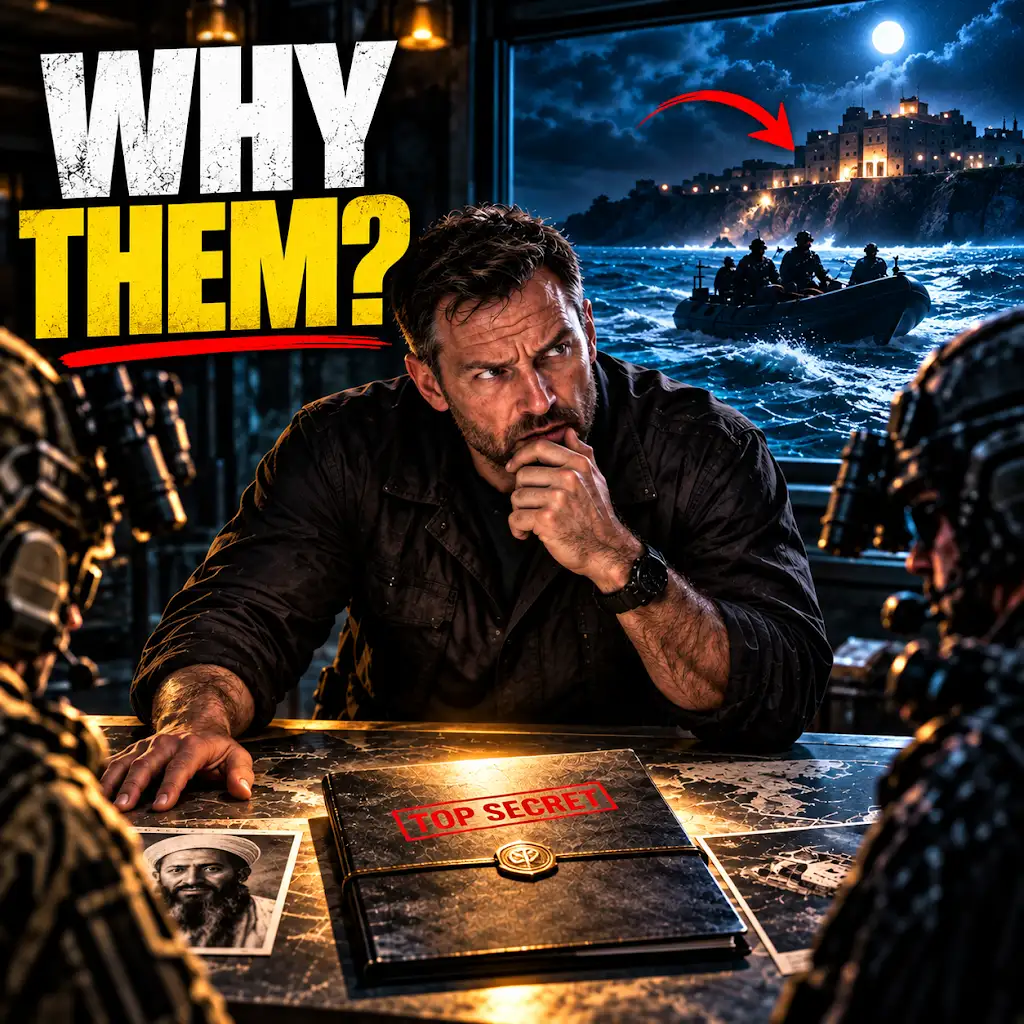
Why SEAL Team Six Got the Bin Laden Raid — Not Delta Force
FAQs
1. What are Delta Force and SEAL Team Six?
Delta Force and SEAL Team Six are elite special operations forces within the United States military. Delta Force is officially known as 1st Special Forces Operational Detachment-Delta, while SEAL Team Six is officially known as the Naval Special Warfare Development Group (DEVGRU).
2. What types of missions do Delta Force and SEAL Team Six typically undertake?
Both Delta Force and SEAL Team Six are tasked with conducting high-risk, specialized missions such as counterterrorism operations, hostage rescues, and intelligence gathering. They are often called upon to carry out missions that require precision, stealth, and advanced combat skills.
3. How do the missions of Delta Force and SEAL Team Six differ?
While both units are highly trained and capable of carrying out a wide range of missions, Delta Force is primarily focused on counterterrorism and direct action missions, while SEAL Team Six specializes in maritime operations, such as hostage rescues at sea and underwater demolitions.
4. What are some notable missions that Delta Force and SEAL Team Six have undertaken?
Both Delta Force and SEAL Team Six have been involved in numerous high-profile missions, including the capture of Saddam Hussein, the raid on Osama bin Laden’s compound in Pakistan, and the rescue of Captain Richard Phillips from Somali pirates.
5. How do Delta Force and SEAL Team Six compare in terms of training and selection process?
Both Delta Force and SEAL Team Six have rigorous selection processes and training programs designed to identify and develop the most elite operators. Delta Force recruits primarily from within the U.S. Army Special Forces, while SEAL Team Six draws its operators from the Navy SEALs.