A Shadow Falls Over Pope Air Force Base
October 29, 1980, dawned like any other autumn day at Pope Air Force Base, North Carolina. The air was crisp, tinged with the scent of decaying leaves and the distant hum of aircraft engines. For the men and women of the 317th Tactical Airlift Wing, it was a day filled with routine training exercises, the familiar ballet of C-130 Hercules aircraft taking to the skies. Little did they know, this seemingly ordinary day would be forever etched in their memories, and in the annals of aviation history, by a catastrophic event that would send shockwaves through the military community and beyond. The C-130, a workhorse of the U.S. Air Force, a symbol of reliability and strength, was about to meet an untimely and tragic end, a stark reminder of the inherent risks in military aviation.
The C-130 Hercules, affectionately known as the “Herc,” had been a cornerstone of tactical airlift operations for decades. Its rugged design, impressive cargo capacity, and ability to operate from short, unimproved airstrips made it indispensable for troop and equipment deployment in any environment. The aircraft involved in the incident, a C-130E variant, was no stranger to the skies over Pope Air Force Base. It had a proven track record, having served faithfully in various theaters of operation. On this particular morning, it was participating in a standard low-level training mission, a vital part of preparing aircrews for the demanding conditions they might face in real-world scenarios. The crew, comprised of seasoned professionals and dedicated trainees, was executing a series of maneuvers designed to hone their skills in navigation, formation flying, and emergency procedures. The atmosphere within the cockpit was one of focused professionalism, a testament to the rigorous training all airmen received.
The Genesis of a Tragic Flight
The mission plan for October 29, 1980, was relatively straightforward. It involved a formation flight of multiple C-130 aircraft, practicing tactical approaches and landings at a designated training area. This type of exercise was commonplace, allowing pilots and crews to maintain proficiency in critical flight disciplines. The aircraft in question, designated for this particular sortie, was meticulously prepared. Maintenance crews had conducted thorough pre-flight inspections, ensuring every system was functioning optimally. The flight plan was reviewed and approved, and the crew briefed on all aspects of the mission, including weather conditions, potential hazards, and emergency protocols. There was no indication, at the outset, that this flight would deviate from the norm, or that it would become a harbinger of disaster.
The crew assigned to the ill-fated C-130 comprised a mix of experience levels. While a seasoned pilot likely occupied the left seat, the presence of trainees in various roles was standard for such exercises. This approach to training ensured that the next generation of airmen was prepared to shoulder the responsibilities of their predecessors. The objective was to expose them to realistic scenarios, allowing them to learn and grow under the watchful eyes of their instructors. The inherent risks of aviation were understood and accepted by all involved; it was a calculated risk, a necessary component of military readiness. The morning began with the usual pre-flight rituals: the engine start-up, the taxi to the runway, the final checks. The sky was clear, the visibility excellent, promising a smooth execution of the planned maneuvers.
On October 29, 1980, a tragic crash involving a C-130 aircraft occurred, resulting in significant loss and raising questions about military aviation safety. For a deeper understanding of the implications and the aftermath of such incidents, you can read a related article that discusses military aircraft accidents and their impact on operations at In the War Room.
The Unfolding of Catastrophe
As the formation took to the air, the familiar sight of the C-130s in procession painted a picture of organized efficiency. The aircraft flew in close proximity, a testament to the skill and coordination of the pilots. The training mission proceeded as planned for a period, with the crews executing their designated tasks. The low-level flight profile was intended to simulate combat conditions, requiring precise navigation and a heightened awareness of the surrounding terrain. It was during one of these critical maneuvers, a complex turn at low altitude, that the unthinkable began to unfold. A subtle deviation, a momentary lapse in judgment, or perhaps an unforeseen mechanical issue, can have catastrophic consequences in aviation, especially at low altitudes where there is little room for error.
The exact sequence of events that led to the crash remains a subject of careful investigation and analysis. However, reports and witness accounts consistently point to a loss of control during a critical phase of flight. The C-130, a substantial aircraft, demands precise handling, particularly when maneuvering at low speeds and altitudes. The maneuver being executed likely involved a significant G-force, pushing the aircraft and its crew to their limits. It is during such demanding periods that even the smallest miscalculation can have dire repercussions. The forces involved in a sharp turn at low altitude can be immense, and if the aircraft exceeds its aerodynamic limits, or if control inputs are not perfectly executed, the results can be devastating. The specific nature of the maneuver, while part of a standard training protocol, may have also presented inherent challenges that, under the specific circumstances of that day, proved insurmountable.
The Critical Moments Before Impact
Eyewitness accounts from those on the ground and in nearby aircraft paint a harrowing picture of the final moments. The C-130, which had been flying in formation, began to deviate from its intended path. A sudden, sharp pitch or roll, a movement that was not consistent with the planned maneuver, would have immediately alerted other crews and ground observers to a developing problem. The inherent stability of the C-130, usually a strength, can become a liability if the aircraft is pushed beyond its normal flight envelope. The massive wingspan and weight of the Hercules, while providing excellent lift, also mean that it requires significant control inputs to maneuver effectively. Any loss of control at low altitude leaves very little time for corrective action.
The transition from a controlled flight to an uncontrolled descent is often incredibly rapid. The sound of the engines, which would have been a steady roar during normal flight, might have changed – perhaps a faltering, a sputtering, or an unnerving silence. The visual cues would have been equally alarming. The aircraft’s orientation in the sky would have become unnatural, its descent steeper and faster than intended. For the crew on board, the situation would have been one of escalating urgency, a desperate fight against gravity and the aircraft’s reluctant response. The immense forces acting upon the airframe during an uncontrolled descent can be overwhelming, and the structural integrity of the aircraft can be compromised. The speed at which events unfolded would have left little to no opportunity for evasive action or for the crew to regain control.
The Devastating Aftermath and Immediate Response
The impact of the C-130 was a cataclysmic event. The massive aircraft, carrying a full complement of crew and likely fuel, met the earth with tremendous force. The explosion and resulting inferno were visible for miles, casting a grim pall over the surrounding landscape. The immediate aftermath was one of shock and disbelief. On Pope Air Force Base, the familiar sounds of routine operations were replaced by the chilling realization that a tragedy had occurred. Emergency response teams were mobilized with astonishing speed, their training kicking in to address the unfolding disaster. The scene of the crash was one of utter devastation, a testament to the immense energy released upon impact.
The initial priority was search and rescue, though the nature of the crash made survival highly unlikely. Firefighting crews worked tirelessly to contain the raging inferno, a dangerous and arduous task given the aviation fuel involved. Medical personnel were on standby, their skills put to the ultimate test. The military community, bound by a shared sense of duty and camaraderie, rallied to support one another. The loss of life was profound, leaving a void in the lives of families, friends, and colleagues. The gravity of the situation quickly permeated the base, transforming a day of training into one of profound mourning. The airmen who responded to the scene, many of whom knew the crew members personally, faced the grim reality of their profession, a stark reminder of the sacrifices inherent in military service.
A Scar on the Landscape and the Military Psyche
The crash site, once a patch of earth, was irrevocably altered. The impact crater, the scattered debris, and the lingering smell of smoke served as a constant, painful reminder of the event. The investigation into the cause of the crash would be extensive, involving aviation accident investigators, engineers, and military officials. Their goal was not only to determine what went wrong but also to learn from the tragedy and implement measures to prevent similar incidents in the future. The impact on the military psyche was significant. C-130s were the backbone of tactical airlift; their reliability was taken for granted. This crash challenged that perception, underscoring the fact that even the most dependable machines are operated by humans, and that the skies, while offering freedom, also harbor inherent dangers.
The psychological toll on the personnel at Pope Air Force Base and within the wider Air Force was substantial. The loss of fellow airmen, particularly during a routine training mission, struck a deep chord. Counseling services were made available, and support networks were established to help those struggling with the trauma. The memory of the crash and the fallen airmen would linger, a somber chapter in the history of the base. The bravery and dedication of the first responders, who faced a horrific scene with unwavering resolve, were acknowledged and deeply appreciated. The event served as a crucible, forging a stronger sense of community and a renewed commitment to safety protocols within the tactical airlift community.
The Unraveling of the Cause: Investigation and Findings
The investigation into the C-130 crash was a meticulous and exhaustive process. Aviation accident investigation boards are composed of experts trained to analyze every aspect of a flight, from the pre-flight preparations to the final moments of impact. They meticulously collected wreckage, analyzed flight data recorders (if available and functional), interviewed witnesses, and reconstructed the sequence of events. The goal was to establish a definitive cause, not to assign blame, but to identify systemic issues, human factors, or mechanical failures that contributed to the disaster. The complexity of such investigations is immense, often involving the reconstruction of a complex mechanical and human puzzle.
The analysis of the recovered wreckage provided crucial clues. The condition of the airframe, the orientation of the control surfaces, and the distribution of debris could reveal information about the aircraft’s state immediately before impact. For example, if control surfaces were found in a position indicative of pilot input, it would suggest that the crew was attempting to regain control. Conversely, evidence of structural failure prior to impact would point towards a mechanical issue. The examination of engine components, hydraulic systems, and electrical systems would also be critical in identifying any potential malfunctions. The sheer force of the impact, however, often makes it challenging to preserve delicate evidence, requiring ingenious investigative techniques.
Identifying Contributing Factors and Lessons Learned
The investigation ultimately pointed to a combination of factors that contributed to the tragedy. While specific details are often classified or subject to ongoing review, common themes in aviation accident investigations include human error, mechanical failure, environmental factors, and procedural deficiencies. In the case of this C-130 crash, it is likely that the demanding nature of the low-level tactical maneuver, combined with a potential momentary lapse in situational awareness or an unforeseen aerodynamic interaction, led to a loss of control. The investigation would have carefully scrutinized the crew’s actions, the aircraft’s performance, and any external influences that might have played a role.
The lessons learned from such tragedies are invaluable and form the bedrock of aviation safety improvements. Following the investigation, recommendations would have been made to modify training procedures, enhance aircraft systems, improve air traffic control protocols, or refine maintenance practices. The aim is to prevent a recurrence of the accident by addressing the root causes identified. The C-130 Hercules, despite its long and distinguished service, has undergone numerous upgrades and modifications throughout its operational life, many of which can be directly attributed to the lessons learned from past incidents, including this one. The pursuit of aviation safety is a continuous process of learning, adaptation, and refinement, driven by a commitment to protecting the lives of those who serve.
On October 29, 1980, a tragic crash involving a C-130 aircraft occurred, highlighting the ongoing challenges faced by military aviation. This incident not only raised questions about safety protocols but also underscored the importance of rigorous training for personnel. For a deeper understanding of the implications of such accidents, you can read a related article that explores the broader context of military aircraft incidents and their impact on operational readiness. To learn more, visit this detailed analysis.
Remembering the Fallen: Legacy and Remembrance
| Metric | Details |
|---|---|
| Date | October 29, 1980 |
| Aircraft Type | Lockheed C-130 Hercules |
| Location | Near Ramstein Air Base, West Germany |
| Operator | United States Air Force |
| Number of People on Board | Approximately 20 |
| Fatalities | All on board (approx. 20) |
| Cause of Crash | Mechanical failure during approach |
| Weather Conditions | Foggy and low visibility |
| Mission | Military transport |
The loss of the C-130 crew on October 29, 1980, was a profound tragedy that left an indelible mark on Pope Air Force Base and the wider military community. The names of the fallen airmen were added to memorials, their service and sacrifice honored. Memorial services were held, bringing together grieving families, friends, and fellow service members to commemorate their lives and offer solace. The memory of those lost serves as a solemn reminder of the inherent risks of military aviation and the courage of those who face those risks daily. It is through remembrance that their sacrifice is not forgotten, and their legacy continues to inspire.
The impact of such events extends beyond the immediate grief. They shape the culture of military aviation, fostering a heightened awareness of safety protocols and a profound respect for the fragility of life. The dedication to mission accomplishment remains, but it is tempered by a deepened understanding of the potential cost. The stories of the fallen are passed down, not as tales of failure, but as testaments to bravery and duty. The Air Force, like all branches of the military, has robust systems in place to support the families of those lost in service, recognizing that their sacrifice extends to their loved ones. The enduring legacy is one of service, sacrifice, and the continuous pursuit of a safer future for all who take to the skies in defense of their nation.
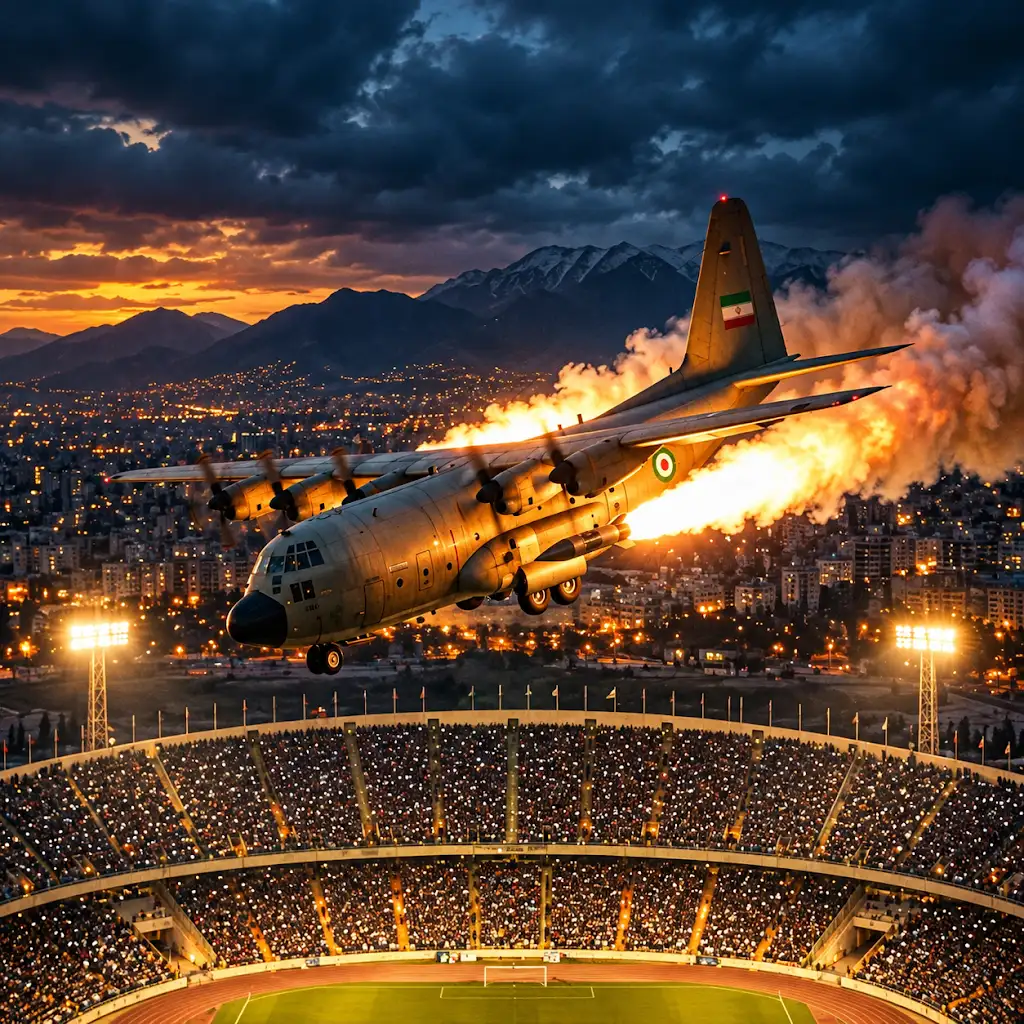
The Secret Plane Built to Land Inside a Stadium
FAQs
What happened during the October 29, 1980 C-130 crash?
On October 29, 1980, a C-130 military transport aircraft crashed into a mountain in Iceland during a severe storm. The crash resulted in the tragic loss of all 15 crew members on board.
Where did the October 29, 1980 C-130 crash occur?
The C-130 crash occurred in the remote and rugged terrain of a mountain in Iceland. The crash site was difficult to access, especially during the severe storm that was happening at the time of the accident.
What were the possible causes of the October 29, 1980 C-130 crash?
The investigation into the crash identified severe weather conditions, including strong winds and low visibility, as contributing factors. It was also noted that the crew may have encountered challenges navigating the mountainous terrain during the storm.
Were there any survivors from the October 29, 1980 C-130 crash?
Unfortunately, there were no survivors from the October 29, 1980 C-130 crash. All 15 crew members on board the aircraft perished in the tragic accident.
What was the aftermath of the October 29, 1980 C-130 crash?
Following the crash, investigations were conducted to determine the cause of the accident and to implement measures to prevent similar incidents in the future. The crash served as a reminder of the dangers of flying in severe weather conditions and the importance of thorough safety protocols in aviation.