Helmuth von Moltke, affectionately known as Moltke the Elder, stands as one of history’s most influential military strategists, a figure whose visionary reforms fundamentally reshaped the Prussian, and subsequently German, military machine. His tenure as Chief of the Prussian General Staff, from 1857 to 1888, was a period of profound transformation, moving Prussia from a competent but somewhat traditional force to a finely tuned instrument of war, capable of achieving decisive victories against formidable adversaries. These reforms were not merely about acquiring new weaponry or increasing troop numbers; they represented a comprehensive strategic overhaul, touching upon every facet of military organization, training, doctrine, and planning.
Moltke’s rise to the pinnacle of Prussian military leadership did not occur in a vacuum. He inherited a military that, while victorious in the Napoleonic era, had begun to stagnate. The lessons of the past were often adhered to rigidly, and the dynamism required for modern warfare was slowly eroding. Moltke, a keen observer of history and a voracious reader, understood that military effectiveness was a moving target, constantly demanding adaptation and innovation. His own early experiences, both in military service and in a brief period as a military advisor to the Ottoman Empire, provided him with invaluable insights into the practicalities of warfare and the shortcomings of outdated systems.
A Career Forged in Observation and Learning
Moltke’s early military career was marked by a deep commitment to study and analysis. He served in the Schleswig-Holstein campaigns and later spent several years as a staff officer in various capacities, including a significant period as a military advisor to Sultan Mahmud II of the Ottoman Empire. This latter experience, in particular, exposed him to the challenges of modernizing a vast, unwieldy military apparatus in a complex geopolitical environment. He witnessed firsthand the difficulties of command and control, the importance of logistics, and the impact of technological advancements. These experiences, coupled with his extensive reading of military history, from Clausewitz to past campaigns, instilled in him a nuanced understanding of the art of war.
The Shadow of Past Victories and Future Challenges
Prussia’s glorious past, epitomized by Frederick the Great, cast a long shadow. While inspiring, it also bred a certain complacency. Moltke recognized that the nature of warfare was evolving rapidly. The rise of industrialization meant that nations could field larger armies, equipped with more destructive weaponry, and move them with unprecedented speed. The centralized, autocratic command structures of the past were becoming increasingly ill-suited to the demands of a modern, mobile battlefield. Moltke’s vision was to create a military that was not only disciplined and courageous but also intellectually agile and capable of independent action at all levels.
Moltke the Elder’s military reforms significantly transformed the Prussian Army, emphasizing the importance of flexibility and rapid mobilization in warfare. For a deeper understanding of the impact of these reforms on modern military strategies, you can explore the related article available at this link. This article delves into the historical context and the lasting legacy of Moltke’s innovations in military command and organization.
The Professionalization of the General Staff: The Brain of the Army
Perhaps the most profound and enduring of Moltke’s reforms was the radical restructuring and elevation of the Prussian General Staff. Previously, the General Staff had been a relatively small body, primarily focused on administrative tasks and the execution of direct orders. Moltke transformed it into the intellectual powerhouse of the army, responsible for strategic planning, operational art, and the continuous development of military doctrine.
From Administrative Body to Strategic Think Tank
Under Moltke’s leadership, the General Staff became the primary organ for thinking about war at the highest level. Its members were selected not just for their bravery or experience in battle, but for their intellectual capacity, analytical skills, and their ability to grasp complex strategic situations. The “Great General Staff,” as it became known, was organized into departments responsible for intelligence, operations, logistics, and troop training. This division of labor allowed for specialized expertise and a more systematic approach to military planning.
The Prussian War Academy: Cultivating Strategic Minds
A crucial element in the professionalization of the General Staff was the emphasis placed on the Prussian War Academy (Kriegsakademie). Moltke saw the academy as the crucible where future staff officers would be forged. The curriculum was rigorous, focusing not only on tactical instruction but also on the study of history, geography, economics, and political science – all essential components of understanding the broader context of warfare. Graduates of the War Academy were expected to possess a deep understanding of military principles, an ability to think creatively, and a capacity for independent decision-making. This intellectual grounding was vital for the decentralized command system that Moltke would later champion.
The Art of “Auftragstaktik” and the Empowered Commander
Central to Moltke’s strategic vision was the concept of “Auftragstaktik,” or mission-type tactics. This doctrine empowered subordinate commanders to act with considerable autonomy in achieving their assigned objectives, even if the original plan needed to be adapted due to unforeseen circumstances. Instead of receiving detailed, rigid orders, commanders were given a clear mission, the available resources, and the overall strategic intent. They were then trusted to assess the situation on the ground and make the best possible decisions to fulfill their part of the overall plan. This fostered initiative, adaptability, and resilience in the face of the fog of war.
Revolutionizing Operational Planning: The Power of Decentralization
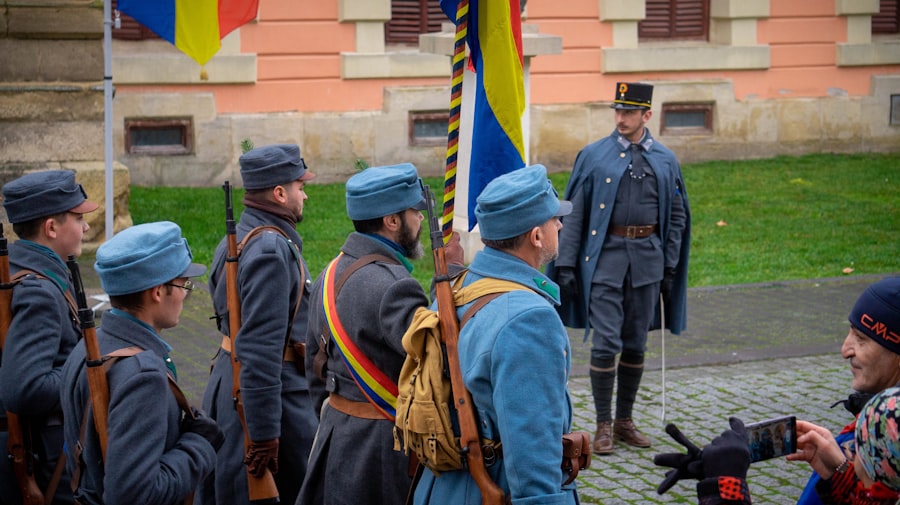
Moltke’s operational planning was characterized by its meticulous detail and its embrace of decentralization. He understood that in the chaos of war, rigid, top-down directives were often impractical. His approach empowered commanders at lower levels to make crucial decisions, leading to a more dynamic and responsive military.
The Importance of Detailed Reconnaissance and Intelligence
Moltke placed an immense premium on accurate and comprehensive intelligence. His staff would meticulously gather information on enemy strengths, dispositions, terrain, and political conditions. This intelligence was then used to develop detailed operational plans, but with a crucial understanding that these plans were merely a framework, subject to change based on evolving battlefield realities. The emphasis was on understanding the enemy and the operational environment, not on simply dictating troop movements.
The “Kriegs-Disposition” and the Flexible Framework
The “Kriegs-Disposition,” or war disposition, was the term Moltke used to describe his operational plans. These were not static blueprints but rather flexible frameworks designed to guide the army towards victory. They often involved multiple contingencies and allowed for significant adaptation by corps and divisional commanders. The goal was to create a situation where the Prussian army could maneuver and engage the enemy on its own terms, exploiting weaknesses and achieving decisive concentrations of force.
The Role of the Railways and Modern Logistics
Moltke was a visionary in recognizing the transformative potential of railways for military logistics and troop deployment. He understood that the ability to rapidly move large numbers of troops and supplies over long distances was a decisive advantage in modern warfare. His staff meticulously planned railway mobilization schedules, ensuring that the Prussian army could be concentrated on the front lines with unprecedented speed. This logistical superiority played a critical role in Prussia’s victories in the Second Schleswig War, the Austro-Prussian War, and the Franco-Prussian War.
Transforming Training and Education: The Rise of the Professional Soldier
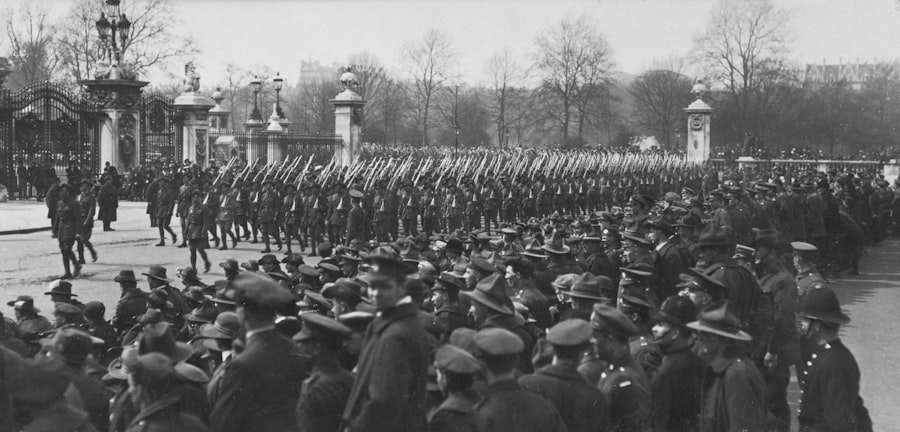
Beyond the strategic and operational realms, Moltke also revolutionized the training and education of the Prussian soldier. He understood that the effectiveness of any military doctrine or strategy depended on the quality of the men and officers who executed it.
The Emphasis on Initiative and Independent Action
As mentioned, “Auftragstaktik” was not just a planning doctrine; it was deeply embedded in the training of officers and NCOs. Soldiers were encouraged to think for themselves, to understand the broader mission, and to take initiative when opportunities arose. This fostered a sense of responsibility and empowerment, transforming soldiers from mere automatons into thinking participants in the war effort.
Realistic Maneuver Warfare and War Games
Moltke recognized the limitations of purely theoretical training. He championed the use of realistic maneuver warfare exercises and war games to simulate battlefield conditions. These exercises allowed commanders and staff to practice planning, decision-making, and the coordination of large formations under pressure. The lessons learned from these simulations were invaluable in refining tactics and identifying potential problems before they arose in actual combat.
The Role of the Non-Commissioned Officer (NCO)
Moltke also elevated the role of the Non-Commissioned Officer (NCO). He understood that in a decentralized command system, NCOs would often be the ones directly leading platoons and squads. Therefore, they needed to be well-trained, knowledgeable, and capable of making sound decisions in the absence of immediate officer supervision. This focus on NCO development created a more robust and adaptable fighting force.
Moltke the Elder’s military reforms significantly transformed the Prussian army, emphasizing the importance of flexibility and rapid mobilization in warfare. His innovative strategies laid the groundwork for modern military tactics, which can be further explored in a related article on the evolution of military leadership. For a deeper understanding of how these changes influenced contemporary military practices, you can read more about it here.
The Impact of Moltke’s Reforms: A Legacy of Victory
| Aspect | Details |
|---|---|
| Year | Mid-19th century |
| Objective | Modernize and professionalize the Prussian army |
| Key Changes | Introduction of universal conscription, reorganization of the army structure, emphasis on training and discipline |
| Impact | Transformed the Prussian army into one of the most formidable military forces in Europe |
| Legacy | Influenced military reforms in other European countries and set the stage for the unification of Germany |
The enduring legacy of Moltke the Elder’s military reforms is best measured by Prussia’s subsequent military successes. His strategic overhaul was not theoretical; it was tested and proven on the battlefield, fundamentally altering the balance of power in Europe and setting the standard for military organization and strategy for decades to come.
The Wars of Unification: Proving the Reforms in Practice
The three wars of German unification – the Second Schleswig War (1864), the Austro-Prussian War (1866), and the Franco-Prussian War (1870-1871) – served as a powerful testament to the efficacy of Moltke’s reforms. In each conflict, Prussia, and later the unified German Empire, achieved swift and decisive victories against numerically superior or otherwise formidable opponents. The speed of mobilization, the effectiveness of operational planning, the adaptability of commanders, and the professionalism of the troops all demonstrated the success of Moltke’s strategic overhaul.
Influence on Global Military Thought
Moltke’s influence extended far beyond Germany. His emphasis on a professional General Staff, the importance of intelligence, the concept of “Auftragstaktik,” and the integration of modern technology into warfare became cornerstones of military doctrine for armies around the world. His writings and the example of the Prussian military machine were studied and emulated by military leaders in numerous countries, shaping the course of military history for generations. The German General Staff, born from Moltke’s vision, became the gold standard for military planning and professional development.
A Foundation for Future Warfare
Moltke the Elder did not simply reform the Prussian army; he laid the foundation for modern warfare. His understanding of the interplay between strategy, operations, logistics, and human factors, combined with his embrace of technological advancements and intellectual agility, created a military machine that was both formidable and adaptable. The principles he espoused continued to influence military thinking well into the 20th century, a testament to the enduring power of his strategic vision. His reforms represented a paradigm shift, moving military thinking from a rigid, hierarchical model to one that valued initiative, adaptability, and intellectual rigor – principles that remain essential in the complex landscape of modern conflict.
The Military Machine That Didn’t Need a Napoleon
FAQs
1. Who was Moltke the Elder and what were his military reforms?
Moltke the Elder, also known as Helmuth von Moltke, was a Prussian military strategist and the Chief of the Prussian General Staff from 1857 to 1888. He is credited with modernizing the Prussian army through a series of military reforms, including the adoption of the breech-loading rifle, the reorganization of the army into corps, and the implementation of a centralized system of command and control.
2. What impact did Moltke the Elder’s military reforms have on the Prussian army?
Moltke’s military reforms transformed the Prussian army into one of the most formidable military forces in Europe. The adoption of the breech-loading rifle and the reorganization of the army into corps improved its firepower and mobility, while the centralized command and control system enhanced its effectiveness in battle.
3. How did Moltke the Elder’s military reforms influence military strategy and tactics?
Moltke’s military reforms emphasized the importance of strategic planning, operational flexibility, and the use of combined arms tactics. His emphasis on rapid mobilization and concentration of forces allowed the Prussian army to achieve decisive victories in the Austro-Prussian War of 1866 and the Franco-Prussian War of 1870-1871.
4. What was the legacy of Moltke the Elder’s military reforms?
Moltke’s military reforms had a lasting impact on the development of modern warfare. His emphasis on strategic planning, operational flexibility, and centralized command and control influenced military thinking and practice well into the 20th century. The Prussian army’s successes under Moltke’s leadership also contributed to the rise of Prussia as a dominant military power in Europe.
5. How did Moltke the Elder’s military reforms contribute to the unification of Germany?
Moltke’s military reforms played a crucial role in the unification of Germany. The Prussian army’s victories in the Austro-Prussian War and the Franco-Prussian War, made possible by Moltke’s reforms, weakened Austria and France and paved the way for the unification of Germany under Prussian leadership in 1871.