Collision at Depth Raises Alarms
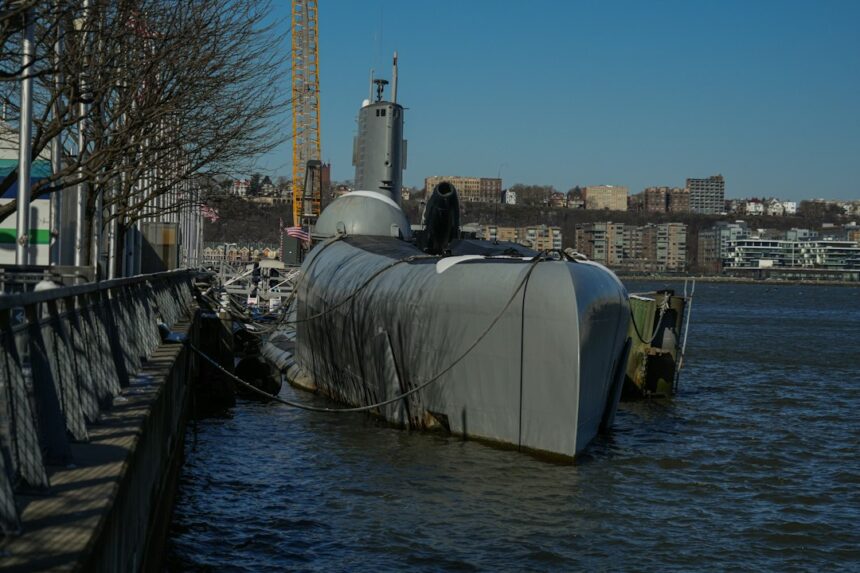
The deep, dark waters of the ocean, often considered a vast and empty expanse, are in reality a complex and increasingly crowded domain. For naval forces worldwide, the underwater realm is a critical theater of operations, a silent battlefield where stealth and sophisticated technology are paramount. It is within this environment that a recent incident involving a Soviet-era submarine has sent ripples of concern through naval safety circles. The collision, occurring at a significant speed of approximately 17 knots, highlights the inherent risks associated with operating heavily armed and technologically complex vessels in close proximity, and raises crucial questions about training, vigilance, and the protocols governing underwater encounters. The details of the incident, though partially obscured by the inherent secrecy of submarine operations, paint a stark picture of the potential consequences when even routine maneuvers go awry at speed.
The Soviet Union, for decades, operated one of the largest and most formidable submarine fleets in the world. While many of these vessels have since been retired or are operated by successor states, a significant number still remain in service, albeit often with aging technology and crews who may not have received the same level of intensive, modern training as their counterparts in more resource-rich navies. This incident, therefore, serves as a potent reminder of the ongoing challenges associated with maintaining operational readiness and ensuring the highest safety standards across a diverse range of naval assets, some of which are inherited from a bygone era of geopolitical rivalry. The speed at which the collision occurred is particularly noteworthy. Submarine operations at such velocities are typically conducted when there is a high degree of confidence in the surrounding environment and a clear understanding of potential hazards. A collision at 17 knots suggests a catastrophic lapse in situational awareness or a failure in established safety procedures, underscoring the gravity of the event.
The incident involving the Soviet submarine that collided while traveling at 17 knots is a significant event in naval history, highlighting the complexities and dangers of underwater operations during the Cold War. For a deeper understanding of the implications of such maritime incidents and their impact on international relations, you can read a related article at this link. This article provides insights into the strategic considerations and technological challenges faced by submarines during that era.
Unpacking the Incident’s Dynamics
The specifics of how a submarine, a vessel designed for stealth and careful navigation, could collide with another object at a speed of 17 knots remain a subject of intense scrutiny. While the exact nature of the colliding objects – whether another submarine, a surface vessel, or even a submerged obstacle – has not been definitively disclosed, the speed itself is indicative of a serious deviation from standard underwater operating procedures. Navigating at such speeds requires a high degree of certainty regarding the absence of other maritime traffic or submerged hazards. The fact that a collision occurred suggests a failure at multiple levels, from individual watchstander awareness to potentially systemic issues within the submarine’s command and control structure.
Factors Contributing to High-Speed Encounters
Several factors could have contributed to a scenario where a submarine found itself operating at 17 knots and subsequently involved in a collision. One primary consideration is the operational tempo and mission profile. Some tactical situations might necessitate higher speeds, such as evading a perceived threat or rapidly repositioning to a new tactical area. However, even in such high-stakes scenarios, the responsibility for maintaining situational awareness and avoiding collisions rests squarely with the submarine’s command team. Another factor could be the inherent limitations of sonar technology, particularly in certain underwater conditions. While advanced sonar systems are crucial for detecting other vessels, their effectiveness can be diminished by factors such as thermoclines, the presence of marine life, or the acoustic characteristics of the seabed. A misinterpretation or failure to detect an approaching object at speed could have devastating consequences.
The Role of Human Error and Training
Human error, often cited as a contributing factor in many accidents, cannot be ruled out. This could encompass a range of issues, from fatigue and complacency among watchstanders to a lack of rigorous training in collision avoidance procedures. The complexity of submarine operations demands highly skilled and disciplined crews. The ability to interpret sonar data, maintain a constant understanding of the vessel’s position and the surrounding environment, and to react swiftly and appropriately to unexpected situations are all critical skills that require continuous training and reinforcement. In an era of potentially reduced military budgets and evolving geopolitical landscapes, the maintenance of such rigorous training standards is a perpetual challenge for any navy, and particularly for those operating aging fleets. The incident may therefore point to a broader concern about the current state of crew proficiency and the effectiveness of training regimes for submarines operating at such speeds.
Broader Implications for Naval Safety
This collision, regardless of the specific identities of the vessels involved, serves as a stark and potent reminder of the inherent dangers and complexities of underwater warfare and naval operations. The silent, unseen world beneath the waves is one where the margin for error is infinitesimally small, and where a single misjudgment can have catastrophic consequences, not only for the crews involved but potentially for international maritime stability. The incident compels a re-evaluation of existing safety protocols, training methodologies, and technological capabilities across navies globally.
The Imperative of Robust Collision Avoidance Systems
Modern naval operations rely heavily on sophisticated sensor systems, particularly sonar, to detect and track other vessels and underwater obstacles. However, as mentioned previously, these systems are not infallible. Environmental conditions, the stealth capabilities of modern submarines, and the sheer complexity of the underwater acoustic environment can all conspire to reduce the effectiveness of even the most advanced detection equipment. The collision at 17 knots strongly suggests a failure in the chain of detection, interpretation, and response. This necessitates a rigorous examination of the limitations of current sonar technology and a concerted effort to develop and implement even more advanced and reliable collision avoidance systems. This could involve integrating multiple sensor types, employing artificial intelligence for data analysis, and developing predictive algorithms to anticipate potential collision courses.
The Criticality of Crew Training and Vigilance
The human element remains an indispensable component of naval safety. Even the most advanced technology is only as effective as the crew operating it. The incident underscores the paramount importance of comprehensive and recurrent training for all submarine personnel, with a particular emphasis on collision avoidance, situational awareness, and emergency procedures. This training must extend beyond theoretical knowledge to include realistic simulations and practical exercises that prepare crews for a wide range of scenarios, including those involving high speeds and unexpected encounters. Vigilance among watchstanders is also crucial. Complacency can be a silent killer in any high-risk profession, and in the enclosed, demanding environment of a submarine, maintaining unwavering attention to detail is an absolute necessity. The incident may prompt a review of watch rotation schedules, crew fatigue management, and the psychological factors that can impact performance.
Addressing the Legacy of Soviet-Era Submarines
The involvement of a Soviet-era submarine in this collision brings to the forefront a significant geopolitical and operational consideration: the ongoing service life of vessels inherited from a bygone era. The Soviet Union possessed an immense submarine force, and many of these vessels continue to operate under the flags of successor states or even in the inventories of other nations that acquired them. While these submarines may have been technologically advanced in their time, many are now decades old, presenting unique challenges in terms of maintenance, modernization, and crew training.
Modernization and Maintenance Challenges
Operating aging platforms presents a consistent set of difficulties. Components may be obsolete, spare parts harder to procure, and the overall systems architecture may not be as integrated or user-friendly as modern designs. This can lead to increased maintenance requirements, higher operational costs, and a greater susceptibility to system failures. The collision could be a symptom of underlying technical issues that have not been adequately addressed due to resource constraints or the inherent difficulty of modernizing legacy systems. Furthermore, the effectiveness of modern sensors and communication systems may be limited when integrated with older submarine platforms.
The Training Gap for Older Vessels
Perhaps more critically, the training and doctrinal approaches that were prevalent during the Soviet era may not fully align with contemporary naval warfare concepts and safety standards. Navies operating these legacy vessels face the challenge of ensuring their crews are trained to the highest modern standards, often in the absence of the latest simulation technologies or a deep understanding of the original design philosophies. This can create a training gap, where crews may possess a certain level of operational proficiency but lack the nuanced understanding or the advanced skills required to navigate the complexities of modern underwater environments and to operate safely at higher speeds. The incident may therefore highlight a broader need for international cooperation and knowledge sharing to ensure that all naval forces, regardless of the age of their equipment, adhere to the most stringent safety protocols.
The incident involving the Soviet submarine that collided at 17 knots has raised numerous questions about naval safety and operational protocols during the Cold War. For a deeper understanding of the implications of such incidents on military strategy and submarine warfare, you can explore a related article on this topic. This analysis sheds light on the broader context of underwater confrontations and their impact on international relations. To read more, visit this article.
The Future of Underwater Maritime Safety
| Metric | Details |
|---|---|
| Incident | Soviet Submarine Collision at 17 knots |
| Date | Unknown (Cold War Era) |
| Submarine Type | Likely Soviet Nuclear or Diesel-Electric Submarine |
| Speed at Collision | 17 knots (approx. 31.5 km/h) |
| Collision Impact | Hull damage, potential system failures |
| Casualties | Not publicly disclosed |
| Location | Undisclosed or classified |
| Aftermath | Submarine repairs, increased safety protocols |
The collision at 17 knots, while a specific event, serves as a crucial case study for the future of underwater maritime safety. As maritime traffic density increases, both on the surface and submerged, and as naval capabilities continue to advance, the potential for such incidents grows. This necessitates a proactive and multifaceted approach to ensuring that the underwater domain remains as safe and predictable as possible. The lessons learned from this incident must translate into concrete actions that enhance operational safety across all naval forces.
Technological Advancements and Interoperability
The future of underwater safety will undoubtedly be shaped by technological innovation. Beyond improved sonar and collision avoidance systems, advancements in underwater navigation, communication, and surveillance will play a vital role. The development of autonomous underwater vehicles (AUVs) and unmanned surface vessels (USVs) could provide valuable real-time data on the underwater environment, augmenting the situational awareness of manned submarines. Furthermore, fostering greater interoperability between the systems of different navies, where appropriate and strategically permissible, could enhance the collective understanding of the underwater operating environment and facilitate coordinated safety efforts during multinational exercises or in shared operational areas.
International Cooperation and Information Sharing
While the inherently secretive nature of submarine operations can pose challenges, a degree of international cooperation and information sharing on best practices for underwater safety is essential. This could involve joint working groups, the exchange of research and development in safety technologies, and the establishment of common protocols for reporting and investigating underwater incidents. While the specifics of a collision may remain classified, the broader lessons regarding training, technology, and operational procedures can be shared to the benefit of all maritime nations. Ultimately, ensuring safety in the underwater realm is a shared responsibility, and a collaborative approach, grounded in a commitment to learning from incidents like the one at 17 knots, is the most effective path forward. The ongoing commitment to rigorous training, continuous technological improvement, and open dialogue about safety concerns will be critical in preventing future tragedies and ensuring the responsible stewardship of the world’s oceans.
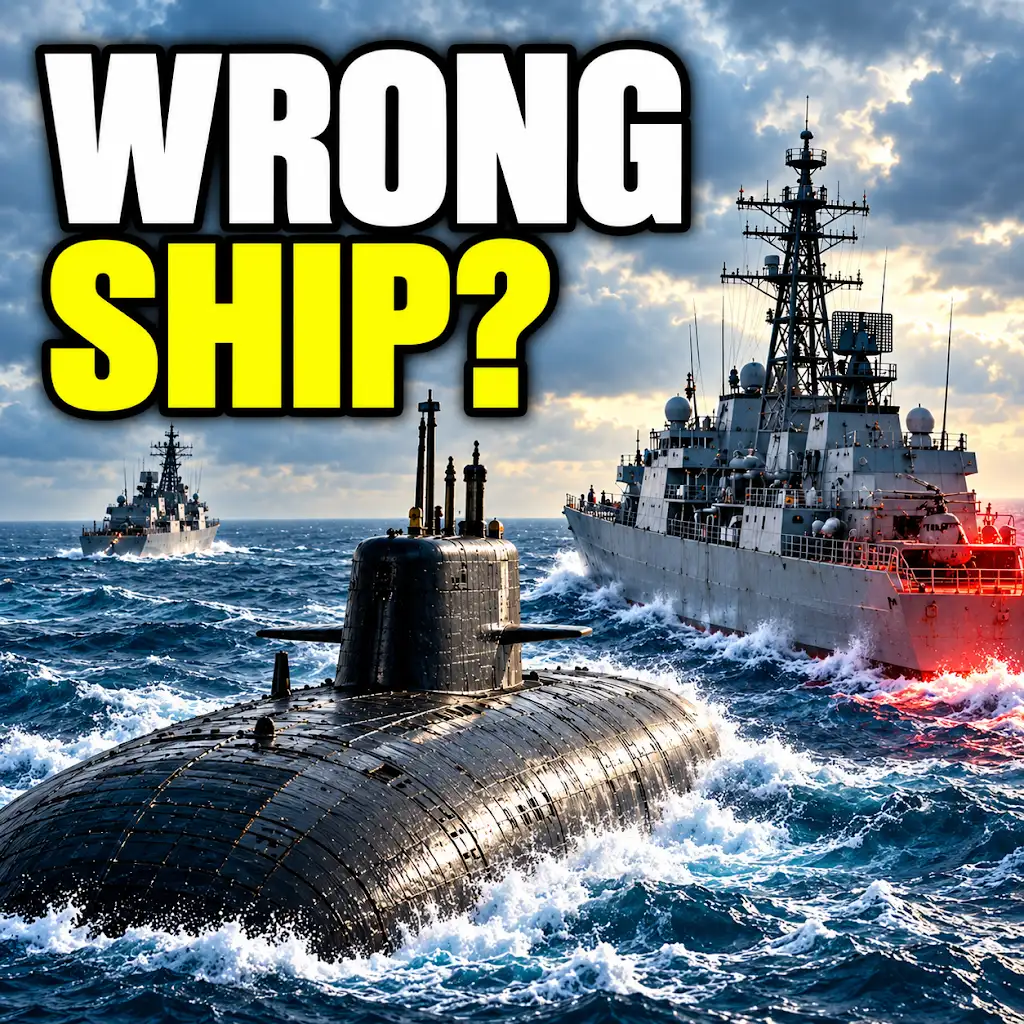
A Soviet Submarine Hit a U.S. Frigate. Was It the Wrong Ship?
FAQs
What is the Soviet submarine 17 knot collision incident?
The Soviet submarine 17 knot collision incident refers to a collision that occurred on February 11, 1992, between two Soviet submarines in the Barents Sea. The collision involved the K-276 Kostroma and the K-373, resulting in significant damage to both vessels.
How did the Soviet submarine collision happen?
The collision between the K-276 Kostroma and the K-373 occurred during a training exercise in the Barents Sea. The submarines were conducting maneuvers when they collided at a speed of approximately 17 knots, causing damage to their hulls and onboard systems.
What were the consequences of the Soviet submarine collision?
The collision between the Soviet submarines resulted in damage to both vessels, with the K-276 Kostroma suffering more severe damage than the K-373. Several crew members were injured in the incident, and both submarines had to return to port for repairs and assessment.
Were there any casualties in the Soviet submarine collision?
Fortunately, there were no casualties reported as a result of the Soviet submarine collision. However, several crew members sustained injuries during the incident, and both submarines required extensive repairs before they could return to service.
What impact did the Soviet submarine collision have on naval operations?
The Soviet submarine collision raised concerns about safety protocols and training procedures within the Soviet Navy. It also highlighted the risks associated with conducting complex maneuvers at high speeds in close proximity to other vessels. The incident led to a review of naval procedures to prevent similar accidents in the future.