
The MD 160 Ekranoplan, a name that evokes images of swift, low-flying craft skimming over water, represents a compelling vision for the future of high-speed transportation. This remarkable vehicle, a product of Soviet ingenuity, occupies a unique niche between conventional aircraft and marine vessels, leveraging the principles of ground effect to achieve incredible speeds and efficiency. Its development and potential applications offer a glimpse into a transportation paradigm that could revolutionize logistics, military operations, and even passenger travel in specific environments. The story of the MD 160 is not merely one of engineering achievement; it is also a testament to innovation born from specific geopolitical and environmental needs, and its legacy continues to inspire exploration into the realm of ground effect vehicles (GEVs).
The Dawn of Ground Effect Technology
The concept of ground effect, the aerodynamic phenomenon where a wing flying close to a surface experiences a significant increase in lift and a decrease in drag, has been understood for decades. However, it was in the Soviet Union, particularly during the Cold War era, that this principle was rigorously explored and applied to the development of large-scale vehicles. The Soviet Union’s vast coastline and its need for rapid deployment of military assets in coastal regions provided a powerful impetus for investing in GEV technology. Unlike traditional ships, GEVs could bypass port infrastructure and navigate shallow waters, while unlike aircraft, they did not require the same level of runway support and could operate in a wider range of weather conditions. This created a fertile ground for pioneers like Rostislav Alexeyev, who spearheaded the development of many groundbreaking GEV designs.
Early Soviet Ground Effect Experiments
The journey towards the MD 160 began with smaller, experimental craft. Early GEVs, often referred to as “wing-in-ground-effect” (WIG) vehicles or “sea-skimmers,” were built and tested throughout the 1950s and 1960s. These initial designs, while demonstrating the viability of the ground effect principle, were often plagued by limitations in stability, control, and payload capacity. However, each iteration provided invaluable data and refined the understanding of how to best harness this unique aerodynamic advantage. The Soviets were particularly adept at developing powerful lift systems and sophisticated control surfaces to manage these large, low-flying machines. The “Kaspian Sea Monster,” an experimental GEV developed in the late 1960s, was a monumental step, showcasing the potential for larger, more capable designs. Its sheer size and the awe it inspired among Western observers hinted at the advanced stage of Soviet GEV development.
The Lun-Class and the MD 160’s Ancestry
The MD 160 Ekranoplan is a direct descendant of the highly successful Lun-class ekranoplans, most notably the Project 903 Lun. The Lun-class was a military-focused design, primarily intended for anti-ship warfare and troop transport. These colossal machines were armed with surface-to-surface missiles and were capable of operating at high speeds over water, making them formidable threats. The MD 160, while sharing the fundamental design principles of the Lun-class, was developed as a multi-purpose variant, with a focus on cargo transport and potentially other civilian applications. The lessons learned from the operational deployment and testing of the Lun-class, including its strengths and weaknesses, directly informed the design and engineering of the MD 160, aiming for enhanced versatility and operational efficiency.
The MD 160 ekranoplan, a fascinating blend of aviation and marine engineering, has captured the interest of many enthusiasts and researchers alike. For those looking to delve deeper into the history and technology behind this unique vehicle, a related article can be found at In the War Room, which explores its design, capabilities, and the strategic implications of such innovations in military and civilian applications.
Engineering the MD 160 Ekranoplan

The MD 160 Ekranoplan is a marvel of engineering, characterized by its distinctive design and the sophisticated technology that enables its unique mode of operation. Its immense size, powerful propulsion systems, and aerodynamic configuration are all tailored to exploit ground effect to its fullest. The vehicle’s construction and the materials used were also critical factors in its success, allowing for the creation of a robust and capable platform. Understanding these engineering aspects is key to appreciating the MD 160’s capabilities and its potential for future development.
Aerodynamic Design and Ground Effect Exploitation
The defining feature of the MD 160 is its aerodynamic profile, specifically engineered to maximize the benefits of ground effect. It typically features a delta wing or a similar swept-wing configuration, designed to generate significant lift when flying close to a surface. The close proximity to the water creates a cushion of high-pressure air beneath the wings, effectively reducing induced drag and allowing for higher speeds and greater fuel efficiency compared to conventional aircraft. The vehicle’s large wing area relative to its weight is crucial for generating the necessary lift at low altitudes. The design also incorporates specialized features like wingtip devices or spray suppressors to manage the interaction with the water surface, particularly in rougher conditions. The inherent stability at low altitudes is a key advantage, as the ground effect itself acts as a stabilizing force.
Propulsion and Powerplant Considerations
To achieve its impressive speeds, the MD 160 is equipped with a formidable propulsion system. It typically utilizes a battery of powerful turbofan engines, often mounted in pods above the wing or on the tail section. These engines provide the thrust necessary to overcome the drag and lift the massive airframe into its ground-effect “flight” mode. The strategic placement of these engines is crucial for managing airflow and maintaining stability. The sheer power required to lift and propel such a large vehicle at hundreds of kilometers per hour necessitates robust and reliable engines, often derived from military aircraft designs. The fuel efficiency, while significantly better than a comparable aircraft at lower altitudes, still represents a considerable demand due to the vehicle’s size and speed.
Structural Integrity and Materials
The construction of the MD 160 Ekranoplan demands exceptionally strong yet lightweight materials to withstand the stresses of high-speed operation near the water. Advanced aluminum alloys, titanium, and composites are employed throughout the airframe. The fuselage is designed to be highly buoyant and resistant to water ingress, crucial for its maritime operations. The wings and control surfaces are engineered to handle the significant aerodynamic loads. The structural integrity is paramount, especially considering the potential for impacts with waves or debris, and the stresses associated with operating in a dynamic environment. The robust nature of its construction is a testament to the Soviet focus on creating durable and reliable military and heavy-lift vehicles.
Operational Capabilities and Applications
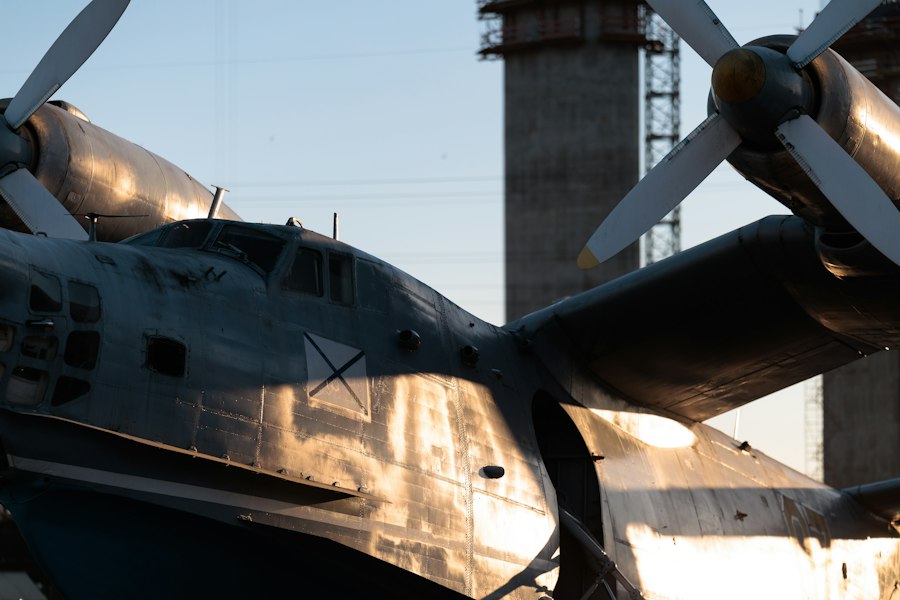
The MD 160 Ekranoplan, with its unique blend of speed and payload capacity, offers a compelling set of operational capabilities that transcend traditional transportation methods. Its ability to operate at high speeds over water, bypassing many of the limitations of both aircraft and ships, opens up a wide range of potential applications. The future envisioning of this technology centers on its ability to address specific logistical and strategic challenges.
High-Speed Cargo Transport
One of the most significant applications for the MD 160 is high-speed cargo transport. Its large cargo bay and impressive speed allow for rapid delivery of goods over long distances, particularly across vast bodies of water like oceans and seas. This could revolutionize global logistics, enabling faster delivery times for time-sensitive goods, reducing inventory costs, and facilitating trade in regions with underdeveloped maritime or air infrastructure. Imagine critical supplies reaching remote island nations or vital equipment being transported between continents in a fraction of the time required by conventional shipping. Its ability to operate from simple, unimproved coastal areas further enhances its logistical flexibility.
Military and Maritime Patrol Roles
The MD 160’s origins are deeply intertwined with military applications, and its capabilities remain highly relevant in this domain. Its speed and low-altitude operation make it an ideal platform for maritime patrol, anti-submarine warfare, and reconnaissance. It can rapidly deploy to distant operational areas, conduct surveillance, and engage targets with its formidable missile armament (as seen in the Lun-class). Furthermore, its ability to transport troops and equipment quickly and directly to coastal areas offers significant strategic advantages in amphibious operations or rapid deployment scenarios. The stealth inherent in its low-altitude flight profile also adds to its tactical value.
Potential for Passenger and Specialized Transport
Beyond cargo and military uses, the MD 160 holds promise for specialized passenger transport and other unique applications. Its speed could enable swift ferry services across large lakes or coastal regions, connecting disparate communities or providing rapid transit for tourism. It could also be adapted for search and rescue operations, search operations, or even as a mobile command center in disaster zones, offering a stable platform with rapid deployment capabilities. The possibility of creating a comfortable and swift passenger experience, skimming over the water’s surface, presents an intriguing vision for future luxury travel or executive transport in coastal areas.
Challenges and Limitations of Ekranoplan Technology
Despite its impressive capabilities, the MD 160 Ekranoplan, like any advanced technology, faces a number of challenges and limitations that have historically hindered its widespread adoption. These issues span engineering, operational, and economic spheres, requiring careful consideration for any future development or deployment. Addressing these hurdles is crucial for unlocking the full potential of this unique mode of transport.
Operational Environment and Weather Dependency
While ground effect vehicles are designed to operate over water, their performance is still significantly influenced by environmental conditions. Rough seas, high waves, and strong crosswinds can pose significant challenges to safe and efficient operation. The MD 160, like its predecessors, is most effective in relatively calm waters. Operating in strong storms or choppy seas can increase the risk of damage, reduce stability, and necessitate a transition to higher altitudes or even landing, negating its primary advantage. Therefore, precise weather forecasting and careful operational planning are essential for its deployment.
Landing and Takeoff Infrastructure
Although GEVs can operate from unimproved coastal areas, they still require relatively clear and sufficiently large spaces for takeoff and landing. Unlike aircraft that need runways, ekranoplans need a smooth, flat surface, ideally water or a specially prepared land strip near the water. For large cargo operations, the availability of suitable docking or transfer facilities at both ends of the route is also a critical consideration. Developing the necessary infrastructure, such as specialized ports or reinforced landing zones, could represent a significant investment.
Economic Viability and Maintenance Costs
The development and operation of large, complex vehicles like the MD 160 Ekranoplan are inherently expensive. The initial manufacturing costs, coupled with the specialized maintenance requirements for high-performance engines and airframes, can lead to high operational expenses. The economic viability of using ekranoplans for commercial purposes depends heavily on comparing their total cost of ownership against existing transportation methods, considering factors like speed, capacity, and fuel consumption. While they offer speed, the initial investment and ongoing maintenance might make them less competitive for certain routes or cargo types compared to slower but cheaper alternatives.
The MD 160 ekranoplan, a fascinating example of Soviet engineering, has captured the interest of many aviation enthusiasts and historians alike. Its unique design and capabilities set it apart from traditional aircraft, making it a subject of intrigue in the realm of military technology. For those looking to delve deeper into the history and specifications of this remarkable vehicle, a related article can be found here, providing insights into its development and operational use.
The Future of Ground Effect Vehicles and the MD 160 Legacy
| Parameter | Specification |
|---|---|
| Model | MD 160 Ekranoplan |
| Type | Ground Effect Vehicle (Ekranoplan) |
| Length | 16 meters |
| Wingspan | 12 meters |
| Maximum Takeoff Weight | 5,000 kg |
| Payload Capacity | 1,000 kg |
| Maximum Speed | 250 km/h |
| Range | 500 km |
| Engine Type | Turbojet |
| Crew | 2 persons |
The MD 160 Ekranoplan, though perhaps not widely deployed in its original intended roles, represents a significant milestone in the evolution of ground effect technology. Its legacy continues to inspire and inform the ongoing research and development in this fascinating field, suggesting that the future of high-speed ground effect vehicles is far from over. The lessons learned from its design and operation are paving the way for new generations of GEVs.
Modern Reinterpretations and Innovations
Today, a renewed interest in GEVs is emerging, driven by a desire for more sustainable and efficient transportation solutions. Researchers and engineers are exploring new designs, materials, and propulsion systems that build upon the foundational principles demonstrated by the MD 160 and its Soviet predecessors. Innovations in areas like hybrid-electric propulsion, advanced control systems, and modular designs are being investigated to overcome the limitations of earlier models. The focus is often on creating smaller, more agile, and more economically viable GEVs for a wider range of applications.
Potential for Commercial and Environmental Benefits
The potential benefits of modern GEVs, drawing inspiration from the MD 160’s capabilities, are substantial. Their ability to travel at high speeds with significantly lower energy consumption than aircraft, especially over water, offers the promise of reduced carbon emissions and a smaller environmental footprint. For cargo transport, this could translate to faster, greener supply chains. For passenger transport, it could offer a novel and environmentally conscious way to travel along coastlines and over large bodies of water. The reduced noise pollution compared to conventional aircraft also presents a considerable advantage.
The Enduring Appeal of Ekranoplan Technology
The MD 160 Ekranoplan remains a symbol of audacious engineering and visionary thinking. Its unique ability to “fly” low and fast over the surface of the water captures the imagination and hints at a future where transportation is faster, more efficient, and more in tune with its environment. While the specific configurations and applications may evolve, the fundamental principles that made the MD 160 so remarkable continue to hold immense promise. The journey of the ekranoplan, from its Soviet origins to its potential future applications, is a compelling testament to human ingenuity in pushing the boundaries of what is possible in transportation. The legacy of the MD 160 serves as a powerful reminder that innovation can emerge from unexpected places and that the exploration of unconventional ideas can lead to groundbreaking advancements.

The Soviet Warship That Learned to Fly
FAQs
What is an MD 160 ekranoplan?
The MD 160 ekranoplan is a type of ground effect vehicle that is designed to fly just above the surface of the water, utilizing the aerodynamic ground effect to achieve high speeds and fuel efficiency.
How fast can the MD 160 ekranoplan travel?
The MD 160 ekranoplan is capable of reaching speeds of up to 550 kilometers per hour (342 miles per hour), making it a very fast and efficient mode of transportation.
What is the purpose of the MD 160 ekranoplan?
The MD 160 ekranoplan was designed for military purposes, such as troop transport, missile launch platform, and maritime patrol. It can also be used for civilian applications like search and rescue operations or cargo transportation.
How does the MD 160 ekranoplan differ from a traditional aircraft?
The MD 160 ekranoplan differs from traditional aircraft in that it operates in ground effect, which means it flies close to the surface of the water to take advantage of increased lift and reduced drag, resulting in higher speeds and lower fuel consumption compared to airplanes.
Is the MD 160 ekranoplan currently in use?
As of now, the MD 160 ekranoplan is still in the testing and development phase. It has not yet been deployed for active military or civilian operations, but there is ongoing interest in its potential capabilities and applications.