The morning of December 7, 1941, dawned deceptively peaceful over the Hawaiian island of Oahu. The United States Pacific Fleet, a formidable symbol of American power, lay at anchor in the serene waters of Pearl Harbor. Unbeknownst to the sailors and officers enjoying a Sunday respite, a storm of unprecedented fury was about to break. The Empire of Japan, driven by a complex web of ambition, resource scarcity, and a perceived existential threat from the United States, had meticulously planned and executed a surprise aerial attack that would irrevocably alter the course of history, shattering the illusion of American invincibility and propelling the United States into the Second World War. The destruction of the US naval fleet, while devastating, would ultimately ignite a fiery resolve that would see the Allied powers emerge victorious.
The relationship between Japan and the United States in the years leading up to 1941 was a slow-burning fuse leading to an explosive confrontation. Decades of growing imperial ambitions on Japan’s part, coupled with American concerns over regional stability and its own economic interests, had created a climate of deep suspicion and animosity.
Japan’s Imperial Ambitions and the Greater East Asia Co-Prosperity Sphere
Following its victory in the Sino-Japanese War (1894-1895) and the Russo-Japanese War (1904-1905), Japan had emerged as a significant power in East Asia. This success fueled a potent nationalist ideology that championed the idea of Japanese leadership in Asia, encapsulated by the concept of the “Greater East Asia Co-Prosperity Sphere.” This vision, while publicly presented as a means of liberating Asian nations from Western colonial rule, was in reality a thinly veiled justification for Japanese expansionism and the exploitation of regional resources.
The Invasion of Manchuria and China
The 1930s saw Japan embark on increasingly aggressive military actions. The invasion of Manchuria in 1931, followed by the full-scale invasion of China in 1937, marked a significant escalation of these ambitions. These campaigns, characterized by brutal warfare and immense human suffering, drew increasing international condemnation, particularly from the United States.
American Economic Sanctions and the Oil Embargo
As Japan’s expansionist policies continued unabated, the United States, alongside other Western powers, began to impose economic sanctions. These measures, initially aimed at curbing Japan’s military aggression, gradually escalated in severity. The most crippling blow came in July 1941 when the United States, in response to Japan’s occupation of French Indochina, imposed a full oil embargo.
The Strategic Importance of Oil for Japan
Japan, an island nation with limited domestic oil reserves, was heavily reliant on imports, primarily from the United States. The oil embargo was a strategic masterstroke designed to cripple Japan’s war machine and force a change in its foreign policy. However, rather than yielding, Japan viewed the embargo as an existential threat, pushing its leadership to consider drastic measures to secure its own resources.
The Diplomatic Stalemate and the Decision for War
Despite intense diplomatic negotiations, the gulf between the United States and Japan proved too wide to bridge. The Japanese government, facing internal pressure from military factions and a perceived lack of viable alternatives to secure its future, ultimately concluded that war was the only path forward. The attack on Pearl Harbor was thus conceived not as an act of unprovoked aggression, but as a desperate gamble to neutralize the perceived threat posed by the American Pacific Fleet and gain time to secure vital resources in Southeast Asia before American retaliation could materialize.
On December 7, 1941, Japan launched a surprise attack on Pearl Harbor, which led to significant destruction of the U.S. Pacific Fleet and marked the United States’ entry into World War II. This pivotal moment in history is explored in detail in a related article that provides insights into the strategic motivations behind the attack and its far-reaching consequences. For more information, you can read the article here: Japan’s Attack on Pearl Harbor: A Turning Point in History.
Operation Z: The Daring Japanese Plan for Surprise
The decision to attack Pearl Harbor was not an impulsive one. It was the culmination of months of meticulous planning, innovative thinking, and extensive reconnaissance by the Imperial Japanese Navy. The operation, code-named “Operation Z,” was a high-risk, high-reward endeavor designed to cripple the United States’ ability to project power in the Pacific.
Admiral Yamamoto’s Vision and the “Kido Butai”
The mastermind behind the audacious plan was Admiral Isoroku Yamamoto, Commander-in-Chief of the Combined Fleet. Yamamoto, a graduate of Harvard University and a seasoned naval strategist, understood the immense industrial might of the United States. He believed that a swift, decisive blow to the American Pacific Fleet at its home base was the only way to prevent the U.S. from intervening in Japan’s expansionist plans in Southeast Asia. To achieve this, he championed the development of a powerful carrier strike force, known as the Kido Butai (Mobile Force).
The Rise of Naval Aviation
The concept of using aircraft carriers as the primary striking arm of a navy was relatively new. While the United States also possessed aircraft carriers, the Japanese had pioneered the concept of concentrating multiple carriers into a single, powerful task force capable of delivering a devastating blow. The Kido Butai was designed to be precisely that, a fleet within a fleet, focused entirely on offensive carrier operations.
Intelligence Gathering and Reconnaissance
The success of Operation Z hinged on surprise, and achieving that required impeccable intelligence. Japanese naval intelligence worked tirelessly to gather information about the disposition and strength of the US Pacific Fleet.
Aerial and Submarine Reconnaissance
Japanese submarines patrolled the waters around Hawaii, relaying information about ship movements. More importantly, specialized reconnaissance flights were conducted over Oahu. These missions, often flown by experienced pilots, mapped out the base, identified key targets, and determined the best approach vectors for the attacking aircraft. The seemingly casual nature of life at Pearl Harbor on a Sunday morning, with many ships moored close together, proved to be a crucial piece of information.
The Development of New Tactics and Weaponry
The attack on Pearl Harbor was not merely an application of existing naval doctrine; it also involved the development and refinement of new tactics and weaponry.
The Specialized “Type 91” Torpedo
Standard naval torpedoes were designed to be launched from ships or submarines and often had difficulty functioning in the shallow waters of Pearl Harbor. To overcome this, the Japanese developed a modified torpedo, the “Type 91,” which was fitted with wooden fins to prevent it from diving too deep. This seemingly minor modification was crucial for ensuring that torpedoes could effectively reach their targets in the harbor.
Armor-Piercing Bombs for Ship Attack
Similarly, conventional bombs were not always effective against the heavily armored decks of battleships. The Japanese adapted armor-piercing shells from their naval guns into aerial bombs, allowing them to penetrate the decks and inflict significant damage.
The Devastating Morning of December 7, 1941
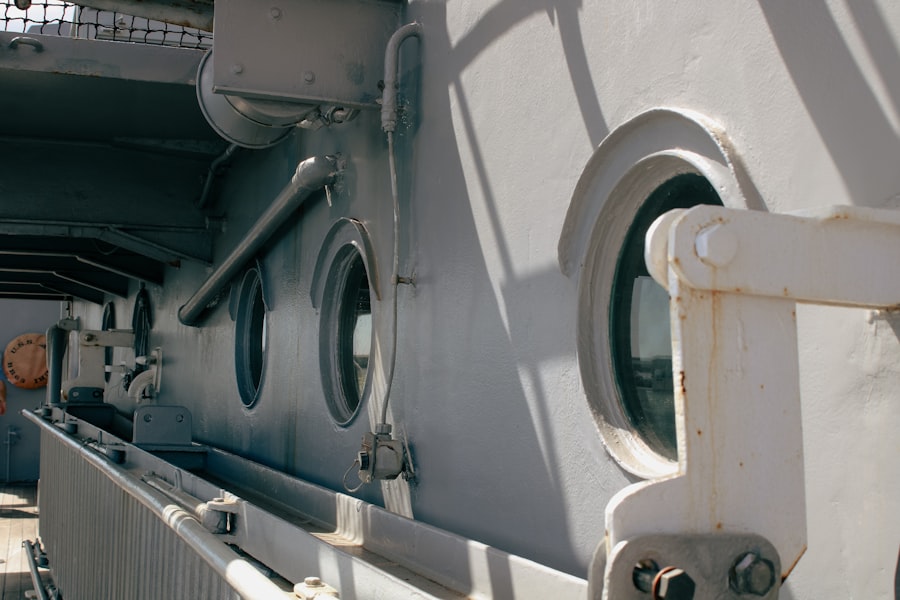
The attack commenced just before 8:00 AM local time. Waves of Japanese aircraft, launched from six aircraft carriers hundreds of miles to the north, descended upon the unsuspecting base. The surprise was absolute.
The First Wave: Targeting Battleships and Airfields
The initial assault focused on the battleships lined up along “Battleship Row” and the airfields on the island. The objective was to cripple the Pacific Fleet’s capital ships and destroy American air power on the ground before it could offer any meaningful resistance.
The “Tora! Tora! Tora!” Signal
The legendary code phrase “Tora! Tora! Tora!” (“Tiger! Tiger! Tiger!”) was transmitted by Japanese pilots to signal that complete surprise had been achieved. This phrase, chosen to signify a decisive victory, was heard by Japanese ships and submarines, relaying the success of the opening moments of the attack.
The Sinking of the USS Arizona
Perhaps the most iconic and tragic loss of the day was the USS Arizona. Hit by bombs that detonated its forward magazine, the battleship exploded in a cataclysmic inferno, sinking within minutes and killing 1,177 of its crew. The Arizona became a symbol of the attack’s ferocity and the devastating loss of life.
The Second Wave: Further Destruction and Secondary Explosions
The second wave of Japanese attackers, arriving shortly after the first, continued the onslaught. While the element of surprise was diminished, the American defenses were still largely disorganized and ineffective.
The Attack on the USS Oklahoma
The USS Oklahoma, a relatively modern battleship, was struck by multiple torpedoes and capsized, trapping many sailors inside. Efforts to rescue survivors were hampered by the precarious angle of the listing ship and the ongoing attack.
Damage to Other Vessels and Infrastructure
Beyond the major losses, numerous other ships sustained damage, including cruisers, destroyers, and auxiliary vessels. The attack also targeted hangars, aircraft, fuel storage facilities, and repair yards, aiming to inflict long-term damage on the base’s operational capacity.
The Limited American Response
The response from the American forces was valiant but ultimately overwhelmed. Sailors scrambled to man anti-aircraft guns, and a few aircraft managed to get airborne, but the coordinated defense that could have mitigated the damage was absent.
The Heroism of Ordinary Sailors
Despite the chaos and terror, stories of immense bravery emerged. Sailors, under heavy fire, fought to extinguish fires, rescue comrades, and man their stations. Petty Officer Second Class Doris Miller, a mess attendant on the USS West Virginia, famously manned an anti-aircraft gun after his assigned gun was destroyed and his captain was mortally wounded, earning the Navy Cross.
The Failure to Launch Counter-Attacks
Crucially, the American naval command was unable to mount any effective counter-attacks during the raid. The lack of preparedness and the devastating surprise meant that the few operational aircraft were largely unable to launch meaningful strikes against the departing Japanese carrier force.
The Aftermath: The Immediate Impact and Long-Term Consequences
The dust had barely settled when the full scale of the devastation became apparent. Pearl Harbor was a scene of carnage and destruction, a stark testament to the success of Japan’s surprise attack. The immediate aftermath was characterized by shock, grief, and a burning desire for retribution.
The Human Cost: Casualties and Injured
The attack resulted in the deaths of 2,403 American servicemen and civilians, and injured another 1,178. The loss of life was deeply felt across the nation, igniting a somber resolve.
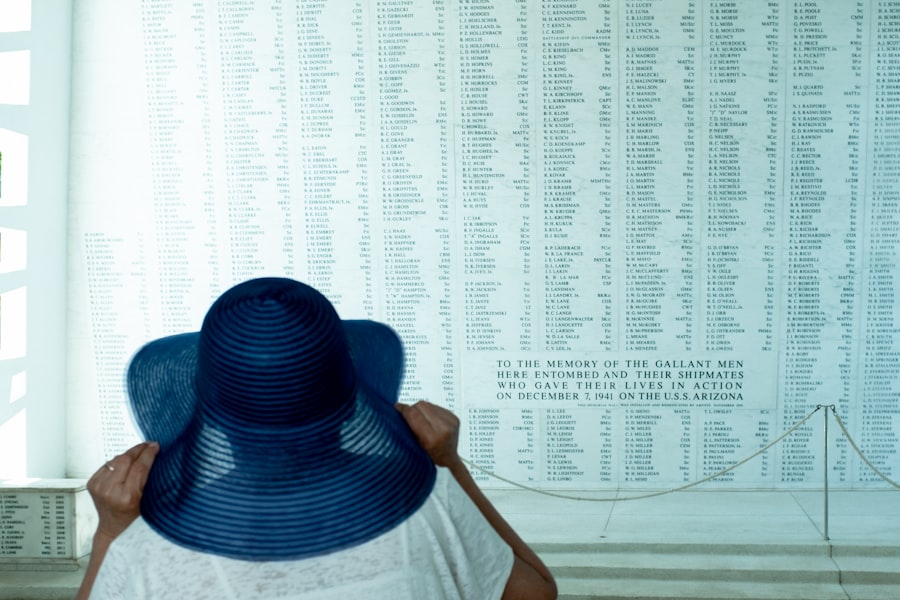
The USS Arizona Memorial
The USS Arizona, a tomb for over a thousand men, became a potent symbol of the attack. Today, the USS Arizona Memorial stands as a somber monument, a place of remembrance and reflection for the sacrifices made on that fateful day.
The Physical Destruction of the US Pacific Fleet
While the Japanese failed to sink all of the American battleships, the damage was substantial. Seven battleships were sunk or heavily damaged, and numerous other vessels were lost or rendered inoperable. The attack effectively neutralized the US Pacific Fleet, at least temporarily.
The Fate of the Aircraft Carriers
Ironically, the primary targets of the Japanese attack – the battleships – were not the most crucial naval assets in the long run. The US Navy’s three aircraft carriers were at sea during the attack and thus avoided destruction. This fortunate circumstance would prove to be a critical factor in the subsequent course of the war.
The Declaration of War and the United States Enters WWII
The attack on Pearl Harbor served as the catalyst that irrevocably drew the United States into the Second World War. The day after the attack, President Franklin D. Roosevelt famously declared December 7, 1941, “a date which will live in infamy.” Congress promptly declared war on Japan, and Germany and Italy, as Japan’s allies, declared war on the United States shortly thereafter, officially bringing America into the global conflict.
The “Day of Infamy” Speech
President Roosevelt’s address to Congress was a masterful piece of rhetoric, galvanizing the nation and solidifying public support for the war effort. The speech evoked outrage and a sense of national unity that would propel the United States towards victory.
The Strategic Implications of the Attack
While a tactical victory for Japan, the attack on Pearl Harbor proved to be a strategic blunder of monumental proportions. By attacking the United States, Japan had awakened a sleeping giant, unleashing the full might of American industrial and military power.
A Prolonged War and eventual Allied Victory
The war that ensued was long and brutal, spanning four years and continents. However, the destruction of the US Pacific Fleet, though devastating in the short term, ultimately failed to cripple the United States’ long-term war-making capabilities. Instead, it galvanized American resolve, fueled an unprecedented surge in industrial production, and ultimately contributed to the Allied victory in both the Pacific and European theaters.
On December 7, 1941, Japan launched a surprise attack on Pearl Harbor, leading to significant destruction of the U.S. Pacific Fleet. This pivotal moment in history not only marked the entry of the United States into World War II but also changed the course of the conflict. For those interested in exploring the broader implications of this event, a related article can be found at In The War Room, which delves into the strategic decisions made by both Japan and the United States during this critical period.
Lessons Learned and the Legacy of Pearl Harbor
| Target | Damage |
|---|---|
| Battleships | 4 sunk, 4 damaged |
| Aircraft | 188 destroyed |
| Hangars | 3 destroyed |
| Shipyards | 1 damaged |
The attack on Pearl Harbor remains one of the most significant events of the 20th century, offering profound lessons for military strategy, intelligence gathering, and international relations. Its legacy continues to resonate, shaping our understanding of warfare and the consequences of unchecked aggression.
The Importance of Intelligence and Preparedness
The events of December 7, 1941, serve as a stark reminder of the critical importance of robust intelligence gathering and maintaining a state of readiness. The element of surprise was a key factor in Japan’s initial success, highlighting the dangers of complacency and underestimating potential adversaries.
The Failures of Intelligence
Numerous studies and inquiries have pointed to a series of intelligence failures on the American side that contributed to the success of the attack. These included a lack of adequate reconnaissance, misinterpretation of intelligence, and internal bureaucratic rivalries that hindered the dissemination of vital information.
The Evolution of Naval Warfare
Pearl Harbor dramatically accelerated the transition of naval warfare from a battleship-centric paradigm to one dominated by aircraft carriers and naval aviation. The attack demonstrated the vulnerability of even the most powerful battleships to air attack and underscored the strategic importance of carrier-based air power.
The Rise of the Aircraft Carrier
The survival of the American aircraft carriers allowed them to play a pivotal role in subsequent Pacific battles, such as the Battle of Midway, which is widely considered the turning point of the war in the Pacific. This battle effectively crippled the Japanese carrier force and shifted the strategic initiative to the Allies.
The Enduring Symbolism of Pearl Harbor
The attack on Pearl Harbor has become an enduring symbol of American resilience and the cost of freedom. It represents a moment of profound national trauma that ultimately forged a stronger and more unified America.
The Call for Unity and Sacrifice
The attack served to unite a previously divided nation, fostering a sense of shared purpose and a willingness to make sacrifices for the greater good. The war effort saw an unprecedented mobilization of American resources and manpower, demonstrating the nation’s capacity for collective action.
A Warning Against Isolationism and the Dangers of Aggression
Pearl Harbor stands as a powerful testament to the dangers of isolationism and the devastating consequences of unchecked aggression. It demonstrated that no nation can remain truly insulated from global conflicts when fundamental principles of international order are violated. The attack spurred a new era of American engagement in international affairs, shaping the post-war global landscape. The events of that day continue to serve as a crucial historical lesson, reminding future generations of the fragility of peace and the constant need for vigilance and a commitment to diplomacy.
Japan Won Pearl Harbor—So Why Did It Lose the War?
FAQs
What did Japan destroy at Pearl Harbor?
Japan destroyed a significant portion of the United States Pacific Fleet at Pearl Harbor on December 7, 1941. This included battleships, aircraft, and other military infrastructure.
How many ships were destroyed at Pearl Harbor?
During the attack on Pearl Harbor, Japan destroyed or damaged a total of 19 ships, including eight battleships. The USS Arizona, USS Oklahoma, USS West Virginia, and USS California were among the battleships that suffered significant damage.
How many aircraft were destroyed at Pearl Harbor?
The Japanese attack on Pearl Harbor resulted in the destruction of 188 U.S. aircraft, with another 159 damaged. This severely crippled the U.S. military’s air capabilities in the Pacific.
What was the impact of the attack on Pearl Harbor?
The attack on Pearl Harbor led to the United States’ entry into World War II. It also resulted in the deaths of over 2,400 Americans and the destruction of a significant portion of the U.S. Pacific Fleet.
What was the significance of Japan’s attack on Pearl Harbor?
The attack on Pearl Harbor was a turning point in World War II, leading to a shift in global alliances and the eventual defeat of the Axis powers. It also had a lasting impact on U.S.-Japan relations and the course of the war in the Pacific.