The smoke still hung heavy over Pearl Harbor, a grim testament to the dawn raid. But for many Japanese strategists, the initial devastating strikes were merely the prelude. The plan, meticulously crafted by Admiral Isoroku Yamamoto and executed by Vice Admiral Chuichi Nagumo, was not about a single, decisive blow, but a series of calculated assaults designed to cripple the American Pacific Fleet and neutralize its ability to interfere with Japanese expansion. While the first and second waves of the attack are etched into historical consciousness, the lesser-known – and ultimately unrealized – third strike at Pearl Harbor represents a pivotal moment of strategic debate and missed opportunity, a phantom blow that could have irrevocably altered the course of the Pacific War.
The immediate aftermath of the first two waves of the Kido Butai’s attack was one of stunned disbelief and frantic damage assessment, both for the Americans and the Japanese. The initial assault, launched with breathtaking speed and ferocity, had achieved its objectives with devastating success. Battleships lay burning or sinking, aircraft were shattered on the tarmac, and vital infrastructure was in ruins. For the Japanese, the victory was intoxicating, a testament to their superior training, aircraft, and daring strategy.
The Scale of Destruction: A Devastating Opening Salvo
The sheer scale of the destruction wrought by the first two waves was unprecedented. The Kido Butai, comprising six aircraft carriers, had launched waves of bombers, torpedo planes, and fighters that descended upon Pearl Harbor with chilling precision. The concentration of American capital ships, moored in neat rows, presented a prime target for torpedo attacks, while the airfields were systematically strafed and bombed, neutralizing the threat of American air power. The loss of so many battleships, the pride of the U.S. Pacific Fleet, was a catastrophic blow. The USS Arizona, the USS Oklahoma, the USS California, the USS West Virginia, the USS Utah, and the USS Illinois were all sunk or severely damaged, taking with them thousands of American lives. The immediate impact was a profound sense of vulnerability and a stark realization of the ferocity of the Japanese offensive.
Nagumo’s Perspective: The Commander’s Dilemma
From Vice Admiral Nagumo’s vantage point aboard the carrier Akagi, the situation was complex. The initial attacks had been remarkably successful, exceeding expectations in terms of damage inflicted and American air defenses neutralized. However, the nature of carrier warfare, with its reliance on surprise and the rapid expenditure of precious resources, presented a unique set of challenges. Nagumo was a cautious commander, deeply aware of the risks involved in prolonged operations. His primary objective was to launch these devastating strikes and then withdraw before the Americans could mount a significant counterattack. He was not equipped for a prolonged siege or a protracted battle for control of the Hawaiian Islands.
The Critical Decision Point: To Strike Again?
The question of a third strike was not an abstract debate; it was a very real and immediate tactical and strategic decision that Nagumo faced in the hours following the second wave. His aircrews, though successful, were fatigued, and their aircraft had sustained some damage. Ammunition, particularly torpedoes and bombs specifically designed for the types of targets encountered, was a finite resource. Furthermore, the risk of American carrier forces, or even land-based bombers, locating and attacking the Kido Butai increased with every passing minute the Japanese fleet remained in Hawaiian waters.
Intelligence Gaps and Uncertainties: The Fog of War
Compounding Nagumo’s decision-making was the prevailing intelligence, or lack thereof. While the Japanese had gained a significant tactical surprise, their understanding of the broader strategic situation remained incomplete. They knew they had inflicted immense damage, but they did not have a clear picture of the remaining American naval strength, nor of the disposition of any American carriers that might have been at sea. The possibility of a retaliatory strike by American carrier-based aircraft, or even land-based bombers from the continental United States, was a significant concern. The fog of war, a persistent companion in military operations, loomed large over Nagumo’s command.
The Nagumo third strike at Pearl Harbor remains a pivotal moment in World War II history, highlighting the strategic decisions made by Japanese forces during the attack. For a deeper understanding of the implications and outcomes of this critical event, you can explore a related article that discusses the broader context of the attack and its consequences. Check it out here: related article.
The Strategic Imperative: Why a Third Wave Mattered
The initial success of the Pearl Harbor attack was undeniable, but for many Japanese strategists, particularly those who had advocated for a more aggressive approach, the job was far from complete. The argument for a third wave centered on maximizing the strategic gains of the surprise attack and ensuring the long-term crippling of American naval power in the Pacific.
Crippling Infrastructure: Beyond the Battleships
While the sinking of battleships was a visually dramatic and psychologically impactful outcome, the infrastructure of Pearl Harbor represented a more enduring threat. Naval bases, fuel depots, repair facilities, and dry docks were crucial for maintaining and projecting naval power. Destroying these elements, it was argued, would significantly hamper the American ability to quickly repair their damaged fleet and project power across the vast Pacific. The Japanese bomb and torpedo attacks had targeted some of these, but a more systematic and comprehensive assault could have had a far more lasting effect.
The Importance of Oil Tank Farms
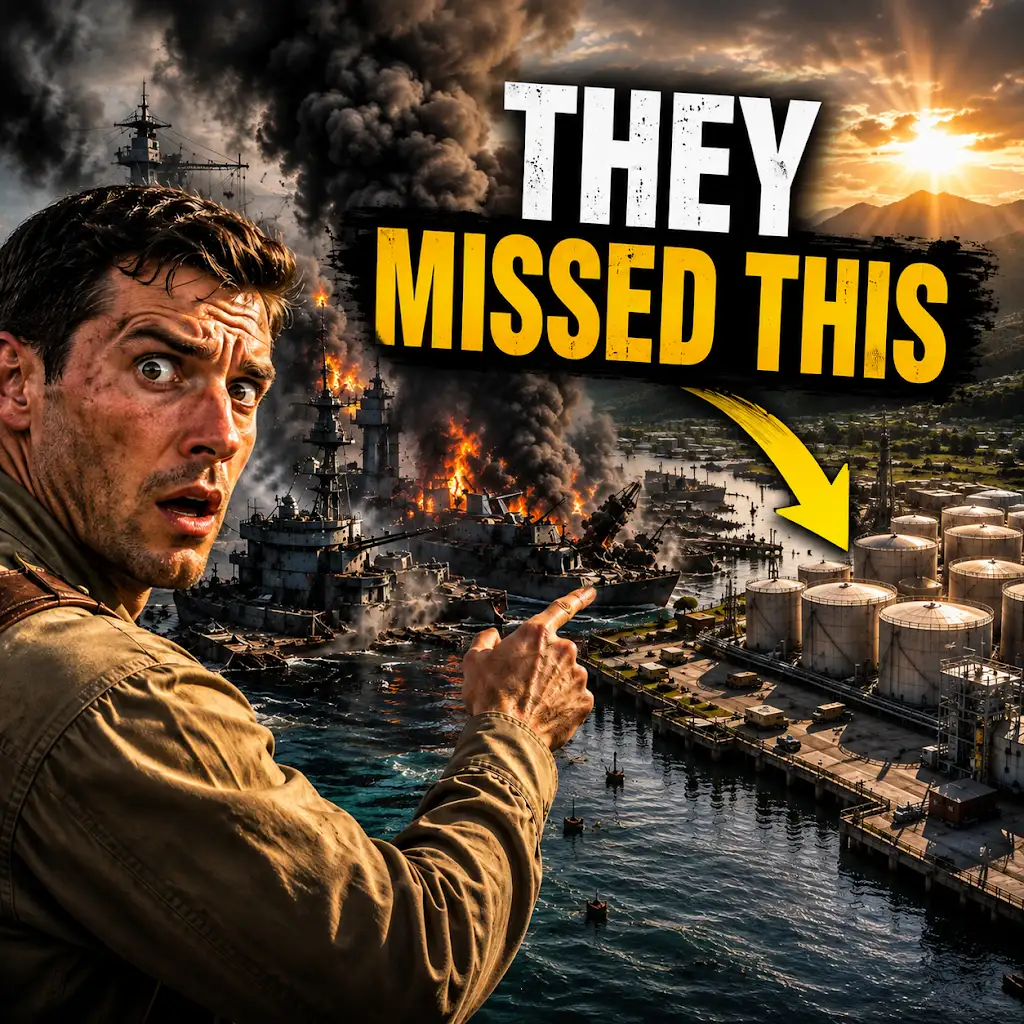
The fuel oil reserves at Pearl Harbor were a particularly tantalizing target. The American Pacific Fleet’s operational range was heavily reliant on these reserves. If destroyed, it would have been incredibly difficult and time-consuming for the Americans to replenish them, potentially grounding the remaining fleet for an extended period. This delay would have provided Japan with a crucial window of opportunity to solidify its gains in Southeast Asia and the Pacific.
Denying Repair and Reinforcement: A Prolonged Setback
A sustained attack on Pearl Harbor’s repair facilities and dry docks would have significantly extended the time it took for the damaged American ships to return to service. This would have not only reduced the immediate naval threat but also created a significant logistical bottleneck for the Americans. Reinforcements, both in terms of naval assets and supplies, would have been delayed, allowing Japan to press its advantage elsewhere. The argument was that a few more hours of focused attack could have turned a severe setback for America into a potentially war-altering cripple.
The Psychological Impact: Further Erosion of Morale
Beyond the physical destruction, a continued assault could have had a profound psychological impact on the American populace and military. The initial attack had already shattered the illusion of American invincibility. A prolonged and sustained onslaught, demonstrating the Japanese military’s ability to not only strike but to also dismantle the very foundations of American naval power, could have further eroded morale and potentially fostered a greater willingness to negotiate or even sue for peace.
Nagumo’s Hesitation: The Weight of Responsibility and Risk
Vice Admiral Nagumo’s decision not to launch a third wave was a complex one, born from a confluence of factors that weighed heavily on his command. His inherent caution, the operational realities of carrier warfare, and the intelligence available to him all played significant roles in shaping his judgment.
The Carrier Doctrine: Hit and Run, Not Occupation
The core of Japanese carrier doctrine at the time was based on the concept of a decisive, surprise strike followed by a swift withdrawal. The Kido Butai was designed to inflict maximum damage and then evade retaliation, not to engage in protracted ground operations or prolonged sieges. Nagumo was operating within the established parameters of this doctrine. Launching a third wave would have meant deviating from this fundamental strategy and embracing a level of risk that went beyond his established operational comfort zone.
The Fuel and Ammunition Dilemma
Each strike mission consumed vital resources. Aircraft had to be refueled, rearmed, and repaired. Bombs and torpedoes were a finite commodity. Nagumo knew that continuing the attack would deplete his stores, leaving him vulnerable if the American fleet were to be located. The carriers themselves also required fuel, and remaining in Hawaiian waters for an extended period increased the risk of their discovery and attack. The logistical strain of a third wave was a significant consideration.
The Absence of the American Carriers: A Strategic Uncertainty
A crucial element in Nagumo’s decision was the intelligence, or rather the lack of it, regarding the whereabouts of the American aircraft carriers. While the Japanese had successfully targeted the battleships at Pearl Harbor, they knew that the carriers were their most significant threat. The fact that they had not been found in port on December 7th, 1941, was a cause for concern. Nagumo could not risk a third wave if it meant potentially drawing his carriers into an engagement with the elusive American carriers, a battle that could prove disastrous for the Kido Butai.
The “What Ifs” of American Carriers
The American carriers Lexington, Enterprise, and Saratoga were at sea during the attack. Their absence from Pearl Harbor was a stroke of luck for the United States and a significant unknown for Nagumo. If a third wave had been launched, and the American carriers had been present, the outcome could have been drastically different. Nagumo’s caution was, in part, a prudent response to this unknown variable.
The Threat of Retaliation: Counterattack Fears
Nagumo was acutely aware of the potential for American retaliation. The longer his fleet remained in Hawaiian waters, the greater the chance of detection by American reconnaissance aircraft or ships. Furthermore, the possibility of land-based bombers from the American mainland reaching his fleet, though less likely given the distance, was not entirely discounted. A third wave would have prolonged his exposure to this risk.
The Limited Bombing Capacity of the Third Wave
Even if a third wave were launched, its effectiveness would have been limited by the available aircraft and ordnance. The damage inflicted by a smaller, less prepared wave might not have been as strategically significant as the first two. Nagumo was not dealing with an endless supply of aircraft and munitions.
The Third Wave: Plans, Debates, and Missed Opportunities
While Nagumo ultimately decided against a full-scale third attack, the idea was indeed discussed and debated among his staff. The specific targets for this potential wave and the rationale behind its consideration reveal the depth of strategic thinking, as well as the potential for a more devastating outcome.
The Reconnaissance and Target Selection
Following the second wave, reconnaissance aircraft were launched to assess the damage and identify any remaining high-value targets. The consensus among many of Nagumo’s officers, particularly those with offensive-minded inclinations, was that a third strike should focus on the remaining infrastructure and, importantly, the fuel reserves. The airfields, though damaged, still held potential targets, and the oil storage tanks were seen as a critical weak point.
The “Scorched Earth” Mentality
The concept of a “scorched earth” approach, aimed at rendering Pearl Harbor unusable for an extended period, gained traction among some. This would have involved a more systematic destruction of dry docks, repair facilities, and any remaining operational aircraft, coupled with a concerted effort to ignite the fuel reserves. The goal was not just to damage, but to obliterate the American capacity to recover quickly.
The Arguments for a Third Wave: A Chorus of Concerns
Several key figures within Nagumo’s command argued vehemently for a third wave. They believed that the initial success should be capitalized upon, and that a more comprehensive attack was necessary to achieve the strategic objectives of the operation. Their arguments often centered on the idea that a partially crippled fleet and an operational base, even if damaged, could still pose a threat.
Commander Takahashi’s Perspective
While not a direct participant in the decision-making on the flagship, the sentiment of some torpedo squadron commanders, like Lieutenant Commander Kakuichi Takahashi, reflected a desire to press the advantage. Though the exact details of his opinions on a third wave are debated, the general sentiment among many pilots was that they could have continued the attack and inflicted further damage.
The Counterarguments: Prudence and Preservation
Nagumo’s decision, however, was ultimately one of prudence and preservation of his forces. He was acutely aware of the risks associated with prolonging the engagement. His staff, while acknowledging the potential benefits of a third strike, also recognized the significant costs and the unknown variables.
The Risk of Being Discovered
The primary concern for Nagumo and his advisors was the increasing risk of discovery by American forces. The longer the Kido Butai remained in the vicinity of Hawaii, the greater the chance of detection by radar, reconnaissance aircraft, or even stray vessels. This discovery would have put the fleet at risk of a counterattack, potentially from American carriers or land-based aircraft.
The Unused Ordnance and Aircraft: A Tantalizing Prospect
The fact that a significant number of aircraft and ordnance remained available after the second wave fueled the debate. It represented a tangible capacity for further action, a resource that, if left unused, could be seen as a missed opportunity. The pilots and crews who had performed so effectively in the first two waves were eager to continue their mission.
The “What If” Scenario: A Different Outcome?
Historians continue to debate the potential impact of a third wave. Had Nagumo launched it, and had it focused on the fuel reserves and repair facilities, it is highly probable that the American Pacific Fleet’s recovery would have been significantly delayed. This delay could have allowed Japan to consolidate its gains in the Philippines, Malaya, and the Dutch East Indies, potentially altering the strategic balance of the early Pacific War.
The events surrounding Nagumo’s third strike on Pearl Harbor have been the subject of extensive analysis, shedding light on the strategic decisions made during the attack. For a deeper understanding of the implications of this pivotal moment in history, you can explore a related article that discusses the broader context of the attack and its aftermath. This insightful piece can be found here, offering valuable perspectives on the military strategies employed and their long-term effects on World War II.
The “Ghosts” of Pearl Harbor: What Might Have Been
| Event | Date | Casualties | Damage |
|---|---|---|---|
| Nagumo third strike Pearl Harbor | December 7, 1941 | 2,403 killed, 1,178 wounded | 8 battleships, 3 cruisers, 4 destroyers, 188 aircraft destroyed |
The decision not to launch a third wave at Pearl Harbor remains a subject of intense historical scrutiny and speculation. The “ghosts” of what might have been haunt the narrative of the attack, representing a tangible missed opportunity that could have had profound implications for the war.
The Strategic Landscape Altered: A Prolonged American Weakness
A successful third wave, particularly one that destroyed the fuel reserves and severely damaged repair facilities, would have left the American Pacific Fleet in a state of even greater disarray. This prolonged weakness would have given Japan a significant strategic advantage, allowing them to further expand their empire and consolidate their gains with less immediate threat of American interference.
The Philippines and Singapore: Easier Conquests?
With a crippled American fleet unable to project power effectively, the Japanese might have faced less resistance in their campaigns to conquer the Philippines and Singapore. The swift fall of these territories was already a testament to Japanese military prowess, but a further delay in American naval response could have accelerated these victories and solidified Japan’s control over vital resources and strategic locations.
The Battle of Midway: A Different Prelude?
The Battle of Midway, a decisive turning point in the Pacific War, occurred six months after Pearl Harbor. It is conceivable that a more severely crippled American fleet, still struggling to recover from the impacts of a more thorough Pearl Harbor assault, might have been even less prepared for the Midway offensive. The outcome of Midway, and by extension the entire war, could have been drastically altered.
The Naval Balance of Power: A Shift in Momentum
The Battle of Midway was a brutal clash that saw the destruction of four Japanese aircraft carriers. If the American carriers had been less battle-ready, or if the Japanese had been able to commit more resources to the Midway operation due to a less immediate threat from Pearl Harbor, the outcome could have favored Japan, significantly shifting the naval balance of power in the Pacific.
The Morale Factor: A Lingering Psychological Scar
The psychological impact of a prolonged and devastating attack on Pearl Harbor cannot be overstated. While the initial raid galvanized American resolve, a more systematic dismantling of its naval capabilities could have had a demoralizing effect, potentially delaying the American war effort and impacting public support for a protracted conflict.
The “Unbroken” Myth: Shattered Further
The myth of American invincibility, already severely dented by the initial attack, could have been further shattered by a sustained Japanese assault. This could have created a period of profound doubt and introspection within the United States, potentially influencing its strategic decisions and its willingness to commit to a long and costly war.
The Legacy of the Unseen Strike: A Cautionary Tale
The third wave at Pearl Harbor, though never launched, serves as a powerful cautionary tale in military history. It highlights the complexities of strategic decision-making in the heat of battle, the delicate balance between aggression and caution, and the enduring impact of missed opportunities.
The Perils of Underestimating an Adversary
Nagumo’s decision, while understandable given the circumstances, ultimately allowed the Americans to retain a significant portion of their naval fighting capacity, including their crucial aircraft carriers. This underscores the danger of underestimating an adversary’s resilience and their ability to adapt and recover.
The Importance of Strategic Objectives
The Japanese objective was to cripple the Pacific Fleet. While the first two waves achieved a significant measure of this, a more comprehensive assault could have rendered the fleet incapable of effective action for a much longer period, thereby achieving the strategic objective more fully.
The Unforeseen Consequences of Restraint
While Nagumo’s caution preserved his fleet, it also allowed the United States to eventually recover and mount a devastating counteroffensive. This raises questions about whether a bolder, more aggressive approach, despite the inherent risks, might have ultimately been more strategically beneficial for Japan in the long run.
The “Decisive Battle” Fallacy
The concept of a single “decisive battle” or a single overwhelming strike, while appealing in theory, can be a dangerous fallacy in prolonged warfare. The Japanese, by not pressing their advantage at Pearl Harbor, arguably missed an opportunity to impose a more lasting and crippling blow.
The Enduring Debate: A Constant Reminder
The debate over the third wave continues to this day, a testament to its significance. It serves as a constant reminder that in war, the path not taken can be as impactful as the path chosen, and that the pursuit of decisive victory often demands a willingness to embrace calculated risks. The phantom third strike at Pearl Harbor, though unseen, remains a potent symbol of strategic indecision and the enduring power of “what if.”
Japan Won Pearl Harbor—So Why Did It Lose the War?
FAQs
What was the Nagumo third strike at Pearl Harbor?
The Nagumo third strike at Pearl Harbor refers to the third wave of Japanese attacks on the morning of December 7, 1941, during the surprise military strike on the United States naval base at Pearl Harbor, Hawaii. This third wave targeted the remaining ships and facilities that had not been destroyed in the initial two waves of attacks.
What were the objectives of the Nagumo third strike?
The objectives of the Nagumo third strike were to inflict further damage on the remaining ships and facilities at Pearl Harbor, particularly targeting any ships that had managed to survive the initial waves of attacks. The Japanese aimed to cripple the US Pacific Fleet and prevent it from mounting an effective defense or counterattack.
What were the results of the Nagumo third strike?
The Nagumo third strike caused additional damage to the US naval forces at Pearl Harbor, further crippling the fleet and infrastructure. However, the third wave did not achieve the same level of success as the initial two waves, as many of the primary targets had already been heavily damaged or destroyed.
How did the Nagumo third strike impact the overall outcome of the Pearl Harbor attack?
The Nagumo third strike contributed to the overall success of the Pearl Harbor attack by inflicting additional damage on the US Pacific Fleet and further disrupting its operations. However, despite the devastation caused by the three waves of attacks, the US naval and air power in the Pacific was not completely destroyed, and the attack ultimately galvanized American resolve to enter World War II.
What is the historical significance of the Nagumo third strike at Pearl Harbor?
The Nagumo third strike at Pearl Harbor is historically significant as part of the larger attack that brought the United States into World War II. The surprise attack on Pearl Harbor had a profound impact on American public opinion and led to the US declaration of war against Japan the following day, marking the country’s entry into the global conflict.