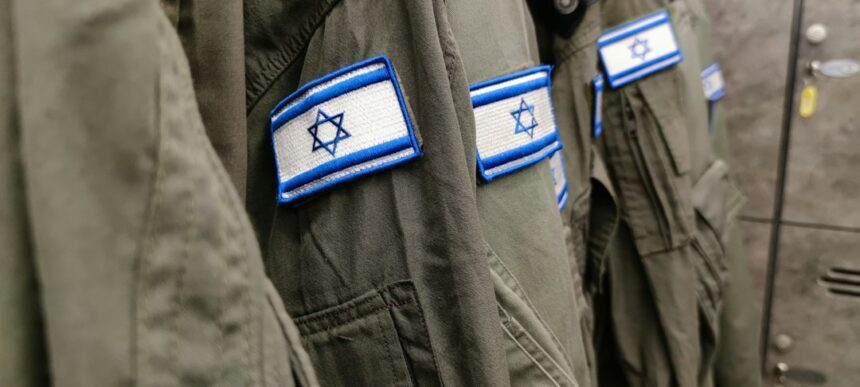
The rugged landscapes and geopolitical complexities of the Middle East have long demanded a sophisticated and highly capable defense force for Israel. Central to this capability are the elite special units of the Israel Defense Forces (IDF). These units, often shrouded in secrecy, represent the tip of the spear, tasked with missions that require unparalleled bravery, ingenuity, and a level of training that pushes the boundaries of human endurance and skill. Understanding these forces offers a crucial insight into Israel’s strategic thinking, its technological prowess, and the immense sacrifices made by its soldiers.
The Genesis and Evolution of Israeli Special Forces
The roots of Israel’s specialized military units are deeply intertwined with the nation’s history of conflict and the pressing need for asymmetrical warfare capabilities. From the early days of Haganah and Palmach, precursors to the IDF, there was an understanding that small, highly trained groups could achieve disproportionate results. The Six-Day War in 1967 and subsequent conflicts further underscored the necessity for units that could conduct deep penetration raids, hostage rescue operations, and counter-terrorism missions with precision and speed. This led to the formalization and expansion of specialized units, each designed to address specific threats and operational requirements. The emphasis was always on quality over quantity, fostering a culture of rigorous selection and relentless training that continues to define these elite formations. The evolution has been driven by a constant assessment of the threat landscape, incorporating lessons learned from both Israeli and international conflicts, and embracing technological advancements.
Early Formations and Their Defining Missions
The initial development of Israeli special forces was a pragmatic response to immediate security needs. Units like Unit 101, formed in the early 1950s, were established to conduct retaliatory strikes and border raids against Arab irregulars and regular forces. Under the command of Ariel Sharon, Unit 101 became legendary for its audacious operations, often characterized by swift, decisive action and a willingness to take calculated risks. While controversial at times, its effectiveness in deterring attacks and signaling Israel’s resolve was undeniable. The lessons learned from Unit 101’s experiences heavily influenced the doctrine and structure of subsequent special operations units. These early units were not just military formations; they were incubators of a warrior ethos that prioritized initiative, adaptability, and absolute commitment to the mission. Their operational tempo was high, and the stakes were always exceptionally elevated, shaping the very DNA of Israeli special warfare.
The Rise of Modern Special Operations Command
As the nature of warfare evolved, so too did Israel’s special operations capabilities. The late 20th century saw a significant expansion and professionalization of these units, culminating in the establishment of more cohesive command structures. Units became increasingly specialized, with distinct roles ranging from intelligence gathering and reconnaissance to direct action and counter-terrorism. This era also marked a greater emphasis on technological integration, with units incorporating advanced communication systems, night vision equipment, and specialized weaponry. The creation of the Israel Special Operations Forces (ISOF) Command provided a unified framework for planning, training, and deploying these diverse units, ensuring a coordinated and effective response to the multifaceted security challenges facing Israel. This consolidation of expertise and resources allowed for a more strategic allocation of forces and a greater synergy between different specialized units.
The Israeli Defense Forces (IDF) are renowned for their elite special units, which play a crucial role in national security and counter-terrorism operations. These units, such as Sayeret Matkal and Shayetet 13, are known for their rigorous training and operational effectiveness. For a deeper understanding of the strategies and missions undertaken by these special forces, you can read a related article that explores their history and impact on modern warfare at this link.
Sayeret Matkal: The Crown Jewel of Israeli Special Operations

Perhaps the most renowned of Israel’s special units, Sayeret Matkal, operating under the Military Intelligence Directorate (Aman), is synonymous with daring rescues and covert operations. Its members are drawn from the cream of the crop, undergoing an arduous selection process that tests physical and mental resilience to the extreme. The unit is known for its ability to operate behind enemy lines, gather critical intelligence, and execute high-stakes missions with unparalleled precision. Their operations are often highly classified, with details only emerging years later, if at all. Sayeret Matkal’s reputation is built on a foundation of meticulous planning, cutting-edge training, and an unwavering commitment to mission success, regardless of the personal risk involved. The unit’s very existence is a deterrent, a testament to Israel’s resolve to protect its citizens and interests.
The Enigma of Sayeret Matkal’s Operations
The operational scope of Sayeret Matkal is vast and varied, encompassing a range of sensitive missions. These have included hostage rescue operations, such as the iconic Entebbe raid in 1976, which remains a benchmark for special operations worldwide. The unit has also been involved in deep reconnaissance behind enemy lines, sabotage, and the elimination of high-value targets. The success of these operations hinges on a combination of factors: exceptional individual skills, seamless teamwork, and a deep understanding of enemy territory and tactics. The members of Sayeret Matkal are not only physically adept but also possess superior intelligence, analytical capabilities, and the psychological fortitude to operate under immense pressure. Their training incorporates a broad spectrum of combat skills, survival techniques, and advanced tactical methodologies. The secrecy surrounding their missions is not merely for operational security; it is an integral part of their mystique and effectiveness, creating an aura of unpredictability for adversaries.
The Rigorous Selection and Training Regimen
The path to becoming a Sayeret Matkal operator is exceptionally demanding. Potential recruits undergo a grueling selection process known as “Gibbush,” which tests their physical strength, mental fortitude, leadership potential, and ability to work under extreme stress and fatigue. This multi-day ordeal is designed to identify individuals who possess the inherent qualities required for elite special operations. Upon successful completion of Gibbush, recruits enter a prolonged and intensive training program. This training covers a comprehensive range of disciplines, including advanced combat techniques, small unit tactics, parachuting, diving, demolitions, intelligence gathering, and survival in diverse environments. A significant emphasis is placed on psychological resilience, problem-solving under duress, and the development of an independent, proactive mindset. The training is constantly updated to reflect the evolving threat landscape and incorporate the latest advancements in military technology and tactics. The attrition rate is extremely high, ensuring that only the most capable and committed individuals earn the right to wear the Sayeret Matkal beret.
Specialized Units Across the IDF Branches

Beyond Sayeret Matkal, the IDF boasts a constellation of highly capable special units, each tailored to specific operational environments and threats. These units are integrated across the various branches of the military, from the ground forces to the navy and air force, ensuring a comprehensive and multi-domain special operations capability. Their specialized training and equipment allow them to conduct operations in diverse settings, from urban environments and rugged terrain to maritime and airborne insertions. This decentralization of elite capabilities ensures a rapid and adaptable response to a wide spectrum of security challenges, from counter-terrorism to unconventional warfare.
The Naval Commandos: Shayetet 13
Shayetet 13, the elite naval commando unit of the Israeli Navy, is renowned for its prowess in maritime operations. Trained for the most challenging amphibious assaults, counter-terrorism at sea, and intelligence gathering in hostile waters, its operators are masters of stealth and precision. Shayetet 13 operators undergo some of the most demanding training in the IDF, focusing on underwater combat, close-quarters battle, and insertion/extraction techniques using a variety of maritime platforms. Their missions often involve securing maritime assets, conducting raids on enemy vessels, and neutralizing threats in coastal areas. The unit’s operational flexibility allows it to seamlessly transition from deep-sea operations to land-based assaults, making it a critical component of Israel’s coastal defense and power projection capabilities. The psychological conditioning of Shayetet 13 operators is as crucial as their physical prowess, enabling them to endure prolonged deployments in harsh maritime conditions and execute missions with unwavering resolve.
The Air Force’s Specialized Wings
The Israeli Air Force (IAF) also maintains elite units with specialized roles in special operations. While not always as publicly visible as ground or naval units, their contributions are vital. These units are involved in critical missions such as special reconnaissance, direct action from the air, and support for ground special forces. They leverage the IAF’s advanced technological capabilities, including specialized aircraft and sophisticated electronic warfare systems, to execute missions that require aerial superiority and precise targeting. The operators in these units are highly skilled pilots, navigators, and support personnel who undergo rigorous training in low-level flight, airborne insertion and extraction, and close air support for special operations teams. Their ability to operate in contested airspace and deliver precision strikes makes them indispensable assets in any complex military operation. The integration of these air assets with ground and naval special forces is a hallmark of modern combined arms warfare, maximizing operational effectiveness and minimizing risk.
Ground Forces Elite Units: Beyond Sayeret Matkal
The IDF ground forces are home to a variety of highly specialized reconnaissance and commando units, each with its unique designation and operational focus. These units are integral to intelligence gathering, conducting deep reconnaissance behind enemy lines, and executing direct action missions in complex terrains. Examples include Sayeret Tzanhanim (Paratrooper Reconnaissance Unit), Sayeret Golani (Golani Brigade Reconnaissance Unit), and Sayeret Givati (Givati Brigade Reconnaissance Unit), each drawn from the ranks of their respective elite infantry brigades. These units undergo specialized training that complements their brigade’s primary role, equipping them with advanced combat skills, navigation techniques, and survival expertise tailored to their operational areas. Their ability to operate autonomously and gather real-time intelligence on enemy movements and capabilities is crucial for informing ground force operations and ensuring the safety of larger formations. The intense rivalry and esprit de corps within these units foster a culture of excellence and a relentless pursuit of mission accomplishment.
The Psychological and Physical Demands of Elite Service
The life of an elite soldier in an IDF special unit is one of constant challenge, pushing the boundaries of human potential. The training is designed not only to hone combat skills but also to forge an unbreakable mental fortitude. Soldiers are subjected to situations that test their decision-making abilities under extreme pressure, their resilience in the face of adversity, and their capacity for unwavering loyalty to their comrades and their mission. The physical demands are equally immense, requiring peak physical conditioning and endurance to operate effectively in any environment, at any time. This relentless pursuit of excellence cultivates a unique psychological profile, characterized by discipline, initiative, courage, and a profound sense of responsibility.
The Unseen Toll: Mental Fortitude and Resilience
The psychological toll of service in IDF special units is significant and often underestimated. Operators are routinely exposed to high-stress environments, the constant threat of danger, and the weight of critical decision-making. The training emphasizes developing coping mechanisms for stress, managing fear, and maintaining clarity of thought under duress. This includes extensive psychological conditioning, team-building exercises designed to foster deep trust and camaraderie, and debriefing protocols that help operators process traumatic experiences. The psychological resilience cultivated within these units is not just about enduring hardship; it is about thriving in it, about maintaining focus and effectiveness when facing overwhelming odds. This mental toughness is as vital as any physical skill, enabling soldiers to execute their missions with unwavering resolve and to return home, often carrying the invisible scars of their service. The emphasis on mental well-being and support structures within these units is a critical, albeit often unacknowledged, component of their operational effectiveness and the long-term health of their personnel.
Peak Physical Conditioning: Pushing the Limits
The physical demands placed upon soldiers in IDF special units are extraordinary. Training regimens are designed to achieve and maintain peak physical conditioning, enabling operators to endure extreme exertion, carry heavy loads over long distances, and perform complex tasks in arduous environments. This includes rigorous strength training, cardiovascular endurance exercises, and specialized conditioning programs tailored to the unit’s operational requirements, such as long-distance running, swimming, and obstacle course navigation. Soldiers are expected to operate for extended periods with minimal rest and sustenance, often while carrying substantial combat loads. The selection process itself is a brutal physical test, and the ongoing training ensures that operators remain at the forefront of physical capability. This dedication to physical excellence is not merely about brute strength; it is about developing the functional fitness and stamina necessary to execute demanding missions effectively and to survive in situations where physical preparedness can mean the difference between success and failure.
The Israeli Defense Forces (IDF) are renowned for their elite special units, which play a crucial role in national security and counter-terrorism operations. These units, such as Sayeret Matkal and Shayetet 13, undergo rigorous training and are often involved in high-stakes missions that require exceptional skill and precision. For those interested in learning more about the strategies and operations of these special forces, a related article can be found at In The War Room, where the complexities of modern military tactics are explored in depth.
Technology and Innovation: The Force Multiplier
| Unit Name | Primary Role | Established | Approximate Size | Notable Operations |
|---|---|---|---|---|
| Sayeret Matkal | Counter-terrorism, Reconnaissance | 1957 | ~200 operators | Operation Entebbe, Operation Wrath of God |
| Shayetet 13 | Naval Commando, Maritime Counter-terrorism | 1948 | ~250 operators | Operation Spring of Youth, Gaza flotilla raid |
| Shaldag | Air Force Commando, Forward Air Control | 1974 | ~150 operators | Various reconnaissance and direct action missions |
| Oketz | K9 Unit, Special Operations Support | 1995 | ~100 operators and dogs | Counter-terrorism, Search and Rescue |
| Maglan | Special Reconnaissance, Anti-armor | 1986 | ~200 operators | Operations in Lebanon and Gaza |
In the dynamic landscape of modern warfare, technology and innovation are indispensable force multipliers for Israel’s elite units. The IDF is renowned for its ability to integrate cutting-edge technology into its operations, enhancing the effectiveness and survivability of its special forces. From advanced surveillance and reconnaissance systems to sophisticated weaponry and communication networks, these technological advancements allow elite units to operate with unprecedented precision and reach. The constant pursuit of innovation ensures that these units remain at the forefront of military capability, adapting to new threats and evolving operational paradigms.
Advanced Intelligence, Surveillance, and Reconnaissance (ISR)
The effectiveness of IDF special units is heavily reliant on superior intelligence, surveillance, and reconnaissance (ISR) capabilities. These units are equipped with state-
A 3-Year Drought Hit the Hittite Empire. Did It Cause the Collapse?
FAQs
What are the Israeli Defense Forces Special Units?
The Israeli Defense Forces Special Units are elite military units within the IDF that are specially trained and equipped to carry out high-risk operations, such as counter-terrorism, hostage rescue, and intelligence gathering.
How are soldiers selected for the Israeli Defense Forces Special Units?
Soldiers for the Israeli Defense Forces Special Units are selected through a rigorous selection process that includes physical fitness tests, psychological evaluations, and specialized training courses. Only the most highly skilled and motivated soldiers are chosen for these elite units.
What are some of the most well-known Israeli Defense Forces Special Units?
Some of the most well-known Israeli Defense Forces Special Units include Sayeret Matkal, Shayetet 13, and Unit 669. These units have gained international recognition for their successful operations and specialized skills.
What types of missions do the Israeli Defense Forces Special Units typically undertake?
The Israeli Defense Forces Special Units are trained to undertake a wide range of missions, including hostage rescue, counter-terrorism operations, reconnaissance missions, and intelligence gathering. These units are often called upon to carry out high-risk operations that require precision and expertise.
How do the Israeli Defense Forces Special Units contribute to Israel’s national security?
The Israeli Defense Forces Special Units play a crucial role in safeguarding Israel’s national security by carrying out specialized operations that require advanced training and skills. These units are at the forefront of protecting Israel from external threats and ensuring the safety of its citizens.