The skies above Iraq thundered with a fury unseen in modern warfare as the world watched Operation Desert Storm unfold. This wasn’t a ground war fought solely with tanks and infantry; it was a meticulously planned and executed aerial campaign that aimed to cripple Iraq’s military machine from above. The Air Campaign Against Iraq, the cornerstone of Desert Storm, was a testament to technological prowess, strategic brilliance, and the devastating effectiveness of air power when unleashed with precision and overwhelming force. It was an endeavor that redefined the role of air superiority in contemporary conflict, setting new benchmarks for what air forces could achieve.
The air campaign against Iraq was not a hastily conceived reaction but the product of extensive strategic deliberation. The invasion of Kuwait by Saddam Hussein’s forces in August 1990 triggered a swift international response, culminating in the formation of a United Nations-sanctioned coalition. Central to the liberation of Kuwait and the deterrence of further Iraqi aggression was the belief that air power, applied decisively, could achieve key military and political objectives without requiring a protracted and bloody ground invasion. The planning for this aerial onslaught was a monumental undertaking, involving hundreds of thousands of personnel, countless hours of intelligence analysis, and the coordination of diverse air assets from numerous allied nations.
Pre-War Intelligence Gathering and Analysis
Before a single bomb was dropped, a massive intelligence apparatus was mobilized. Years of espionage, satellite imagery, signals intelligence, and human intelligence provided a granular understanding of Iraq’s military infrastructure, command and control nodes, air defenses, and troop dispositions.
Satellite Reconnaissance and Surveillance
The eyes in the sky were indispensable. Satellites meticulously mapped targets, tracked movements, and assessed damage. They provided real-time intelligence that allowed for dynamic adjustments to targeting priorities.
Electronic Intelligence (ELINT) and Signals Intelligence (SIGINT)
Listening to the enemy proved crucial. ELINT and SIGINT gathered information on Iraqi radar frequencies, communication protocols, and command traffic, offering insights into their operational tempo and vulnerabilities.
Human Intelligence (HUMINT) and Covert Operations
While less prominent in the public narrative, human sources operating within Iraq provided invaluable ground-level information and confirmed intelligence gathered through other means. Covert operations also played a role in probing defenses and gathering specific data.
Defining the Air Campaign’s Goals
The air campaign’s objectives were multifaceted, designed to degrade Iraq’s ability to wage war and to create favorable conditions for ground forces. It was envisioned as a phased operation, building momentum and achieving escalating levels of disruption.
Achieving Air Superiority
The immediate and paramount objective was to gain complete control of the skies over Iraq and Kuwait. This meant neutralizing Iraqi air defenses, destroying their air force, and eliminating any potential threats to coalition aircraft.
Severing Command and Control
Disrupting Iraq’s ability to communicate and command its forces was a critical aim. Targeting communication hubs, leadership bunkers, and infrastructure essential for central command was key to isolating units and creating confusion.
Degenerating Military Infrastructure and War-Fighting Capability
The campaign aimed to systematically dismantle Iraq’s offensive capabilities. This included targeting its ballistic missile sites, Scud launchers, artillery, armored formations, and logistics networks, particularly those supporting its occupation of Kuwait.
Undermining Morale and Public Support
While primarily a military operation, the psychological impact on the Iraqi population and military was also a consideration. Targeted strikes on symbolic infrastructure and propaganda outlets aimed to erode support for Saddam Hussein’s regime.
The Desert Storm air campaign against Iraq marked a significant turning point in modern warfare, showcasing the effectiveness of precision airstrikes and advanced military technology. For a deeper understanding of the strategies and outcomes of this pivotal operation, you can read a related article that explores the key tactics employed during the campaign. To learn more, visit this article.
Phase One: Strategic Bombing and Air Supremacy
The initial phase of the air campaign, commencing on January 17, 1991, was characterized by a relentless and overwhelming application of air power. The goal was to shock and awe the Iraqi military, demonstrating the coalition’s technological and operational superiority. This phase focused on deep strikes into Iraq, targeting critical infrastructure and command and control nodes, while simultaneously working to achieve uncontested air superiority.
The Suppression of Iraqi Air Defenses (SEAD)
Iraq possessed a layered air defense system, including surface-to-air missiles (SAMs), anti-aircraft artillery (AAA), and early warning radars. Neutralizing these defenses was a prerequisite for safe coalition air operations.
HARM Missiles and Anti-Radiation Warfare
The AGM-88 HARM (High-speed Anti-Radiation Missile) became a symbol of the SEAD effort. These missiles sought out and destroyed active radar emitters, effectively silencing Iraqi air defense systems and creating corridors of safety for attacking aircraft.
Electronic Warfare and Jamming
Coalition aircraft employed sophisticated electronic warfare suites to jam Iraqi radar and communication systems, blinding and deafening them. This rendered their air defenses largely ineffective and prevented them from effectively tracking and engaging coalition aircraft.
Precision Strikes on Radar Sites and SAM Batteries
Dedicated SEAD aircraft, often flying ahead of strike packages, conducted precision attacks on known radar sites and SAM launch positions, further degrading Iraq’s ability to contest the airspace.
The “Highway of Death” and the Neutralization of the Iraqi Air Force
Beyond air defenses, the coalition’s air power was tasked with destroying the Iraqi Air Force on the ground and interdicting its movement.
Attacks on Airfields and Aircraft on the Ground
Coalition aircraft conducted devastating attacks on Iraqi air bases, destroying aircraft on the tarmac and in hangars. This effectively neutralized the vast majority of the Iraqi Air Force before it could pose a significant threat.
The Interdiction of Ground Movements
As the campaign progressed, air power shifted to interdicting Iraqi ground forces, particularly their retreat from Kuwait. The infamous “Highway of Death” saw a relentless bombing campaign targeting convoys attempting to withdraw, severely disrupting their escape and inflicting heavy casualties.
The Role of Stealth Technology
Operation Desert Storm marked the operational debut of stealth aircraft like the F-117 Nighthawk. These aircraft, designed to evade radar detection, were crucial for striking high-value, heavily defended targets with impunity, demonstrating a significant technological leap in air warfare.
F-117 Nighthawk: The Invisible Hammer
The F-117 played a pivotal role in striking hardened targets, command centers, and critical infrastructure deep within Iraq. Its ability to penetrate defenses undetected allowed for precision attacks that would have been far riskier for conventional aircraft.
B-52 Bombers and Strategic Target Strikes
The venerable B-52 Stratofortress also played a role, delivering large payloads of precision-guided munitions against hardened infrastructure, fuel depots, and troop concentrations, demonstrating the continued relevance of heavy bombers in modern warfare.
Phase Two: Interdiction and Deep Strike Operations
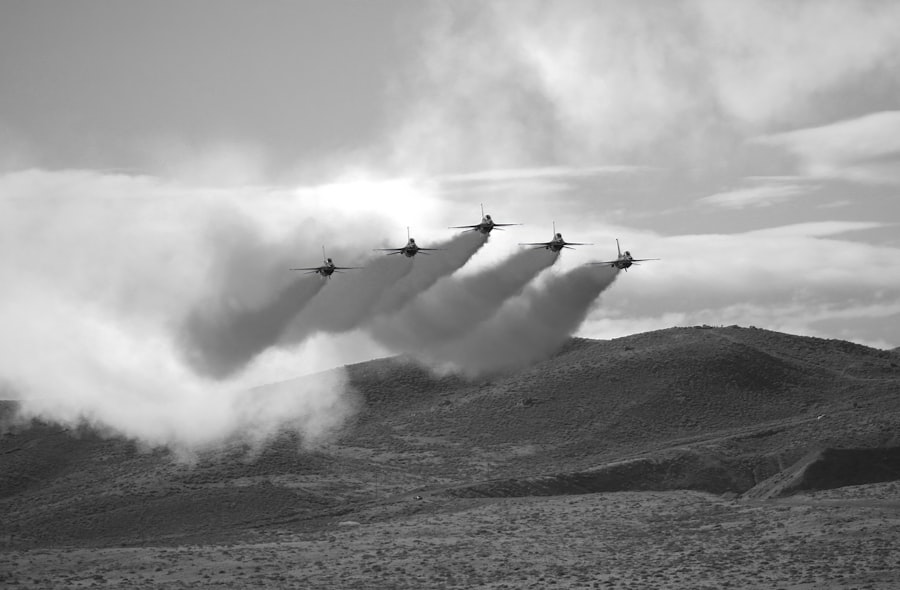
With air superiority firmly established, the second phase of the air campaign focused on systematically dismantling Iraq’s ability to wage war through continuous interdiction of its logistical lifelines and deep strikes against its remaining military assets. This phase was about attrition, designed to wear down the Iraqi military and break its will to fight.
Targeting Iraq’s Ballistic Missile Capability
A significant threat posed by Iraq was its Scud missile program, capable of striking targets deep within coalition territory and allied nations like Israel and Saudi Arabia. Neutralizing these mobile launchers was a top priority.
Scud Hunting Operations
Specialized units and aircraft were tasked with “Scud hunting,” locating and destroying mobile Scud launchers. This was a challenging task due to the mobility of the launchers and the limited intelligence on their exact locations.
Patriot Missile Defense System
While not an offensive measure, the Patriot missile defense system played a crucial role in defending against incoming Scud attacks, intercepting a number of these missiles and preventing potentially devastating strikes.
The Interdiction of Logistics and Transportation Networks
Depriving Iraqi forces of fuel, ammunition, and reinforcements was a key objective. Air power was used to sever the arteries that sustained their military operations.
Attacks on Bridges, Roads, and Rail Lines
Coalition aircraft relentlessly targeted Iraq’s transportation infrastructure, destroying bridges, bombing roads, and disrupting rail lines to isolate Iraqi units in Kuwait and prevent reinforcements from reaching the front.
Fuel and Ammunition Depots Strikes
Strategic strikes on fuel and ammunition storage facilities were designed to cripple the logistical support for Iraqi ground forces, leaving them vulnerable and immobile.
###attrition Warfare Against Ground Forces
As the ground offensive loomed, the air campaign intensified its efforts to degrade Iraqi ground forces, reducing their fighting effectiveness and morale.
Precision Bombing of Armored Formations
Air power was used to seek out and destroy Iraqi tanks, artillery pieces, and armored personnel carriers, often using laser-guided bombs and Maverick missiles.
Attacks on Troop Concentrations and Barracks
Bombing of troop concentrations and barracks aimed to inflict casualties and demoralize Iraqi soldiers, making them less inclined to resist the impending ground assault.
Phase Three: Close Air Support and Shaping the Battlefield for Ground Assault

As the coalition ground forces prepared for their offensive, the air campaign shifted its focus to providing direct support for these ground operations. This phase was about creating a favorable battlefield environment, softening enemy defenses, and actively assisting advancing ground troops.
Air Superiority Over the Battlefield
Maintaining absolute air superiority over the immediate combat zone was paramount. This ensured that coalition ground troops could operate without fear of enemy air attack and that air assets could be deployed rapidly to support ground units.
Armed Reconnaissance and Battlefield Interdiction
Aircraft conducted armed reconnaissance missions, identifying and attacking enemy positions in real-time, providing crucial intelligence and direct fire support to ground units engaged in combat.
CAS Platforms and Coordination
A variety of aircraft, including attack helicopters, A-10 Warthogs, and fighter-bombers, provided close air support (CAS). Meticulous coordination between aircrews and ground commanders was essential to ensure that air strikes were accurate and did not endanger friendly forces.
Softening Iraqi Defenses
Before and during the ground offensive, air power was used to systematically degrade Iraqi defenses, making it easier for ground troops to advance.
Bombardment of Fortifications and Trench Lines
Coalition aircraft pounded Iraqi defensive positions, including trenches, bunkers, and artillery emplacements, weakening their resistance and creating breaches for ground forces to exploit.
Suppression of Enemy Air Defenses and Artillery
Ongoing SEAD efforts continued to suppress any lingering Iraqi air defenses, while artillery observation aircraft and direct bombing missions targeted Iraqi artillery batteries to reduce their effectiveness.
The Role of Helicopters in Ground Warfare
Attack helicopters, like the AH-64 Apache, played a vital role in directly supporting ground troops, engaging enemy armor and infantry with their potent armament. They provided a flexible and responsive fire support capability.
Apache Operations Against Iraqi Armor
The Apache helicopters were highly effective in destroying Iraqi tanks and armored vehicles, often operating in coordination with ground maneuvers.
Utility and Transport Helicopters
Beyond attack roles, transport helicopters ferried troops and supplies, and evacuated wounded, demonstrating the integral role of rotary-wing aircraft in the overall ground operation.
The Desert Storm air campaign against Iraq marked a significant turning point in modern warfare, showcasing the effectiveness of air power in achieving military objectives. For a deeper understanding of the strategies employed during this operation, you can explore a related article that delves into the intricacies of air operations and their impact on the conflict. This insightful piece can be found here, providing valuable context and analysis of the events that unfolded during this pivotal moment in history.
The Enduring Legacy and Lessons Learned
| Metrics | Statistics |
|---|---|
| Duration of the air campaign | January 17, 1991 – February 28, 1991 |
| Number of coalition aircraft involved | Over 2,000 |
| Number of sorties flown | Over 100,000 |
| Number of targets hit | Over 28,000 |
| Casualties | Estimated 1,000-2,000 Iraqi military personnel killed |
The air campaign of Operation Desert Storm was a watershed moment in military history, demonstrating the transformative power of air superiority and precision-guided munitions. It provided invaluable lessons that continue to shape modern air warfare doctrine and practice.
The Vindication of Air Power Theory
The campaign provided a powerful real-world validation of air power theories that had been debated for decades. The ability to achieve strategic objectives through air power alone, or at least as a primary instrument, was a significant paradigm shift.
Strategic Bombing Effectiveness
The sustained strategic bombing campaign demonstrated that it was possible to degrade an enemy’s war-making capacity and cripple its economy through aerial bombardment, albeit with significant ethical considerations.
The Importance of Joint Operations
Desert Storm highlighted the critical need for seamless integration and coordination between different branches of the military, particularly between air and ground forces. This jointness was essential for success.
Technological Advancements and Their Impact
The campaign showcased the leap in military technology, particularly in areas like stealth, precision-guided munitions, and electronic warfare. These advancements fundamentally altered the conduct of warfare.
Precision-Guided Munitions (PGMs)
The widespread use of PGMs dramatically increased the accuracy and effectiveness of air strikes, reducing collateral damage and minimizing the expenditure of ordnance.
The Dawn of the Information Age in Warfare
The extensive use of networked communication, real-time intelligence sharing, and sophisticated command and control systems marked the beginning of the information age in warfare, emphasizing situational awareness and rapid decision-making.
Ethical Considerations and Civilian Casualties
While the air campaign was lauded for its precision, the reality of war always brings with it the tragic specter of civilian casualties. The coalition faced scrutiny over alleged instances of civilian deaths, prompting ongoing discussions about the ethics of aerial warfare and the challenges of minimizing collateral damage.
The “Smart Bomb” Debate
The effectiveness of “smart bombs” was undeniable, but the debate over their use and the responsibility for unintended civilian harm continued.
The Repercussions of Infrastructure Targeting
Targeting critical infrastructure, while militarily justified by some, had long-term humanitarian consequences that were a subject of intense debate and international concern.
The Air Campaign Against Iraq in Operation Desert Storm was not merely a series of bomb runs; it was a complex, multi-phased strategic endeavor that redefined the role of air power. It showcased the devastating potential of modern aviation when combined with meticulous planning, advanced technology, and the unwavering resolve of a determined coalition. The lessons learned from those thunderous skies continue to resonate, shaping the way nations prepare for and conduct air warfare today.
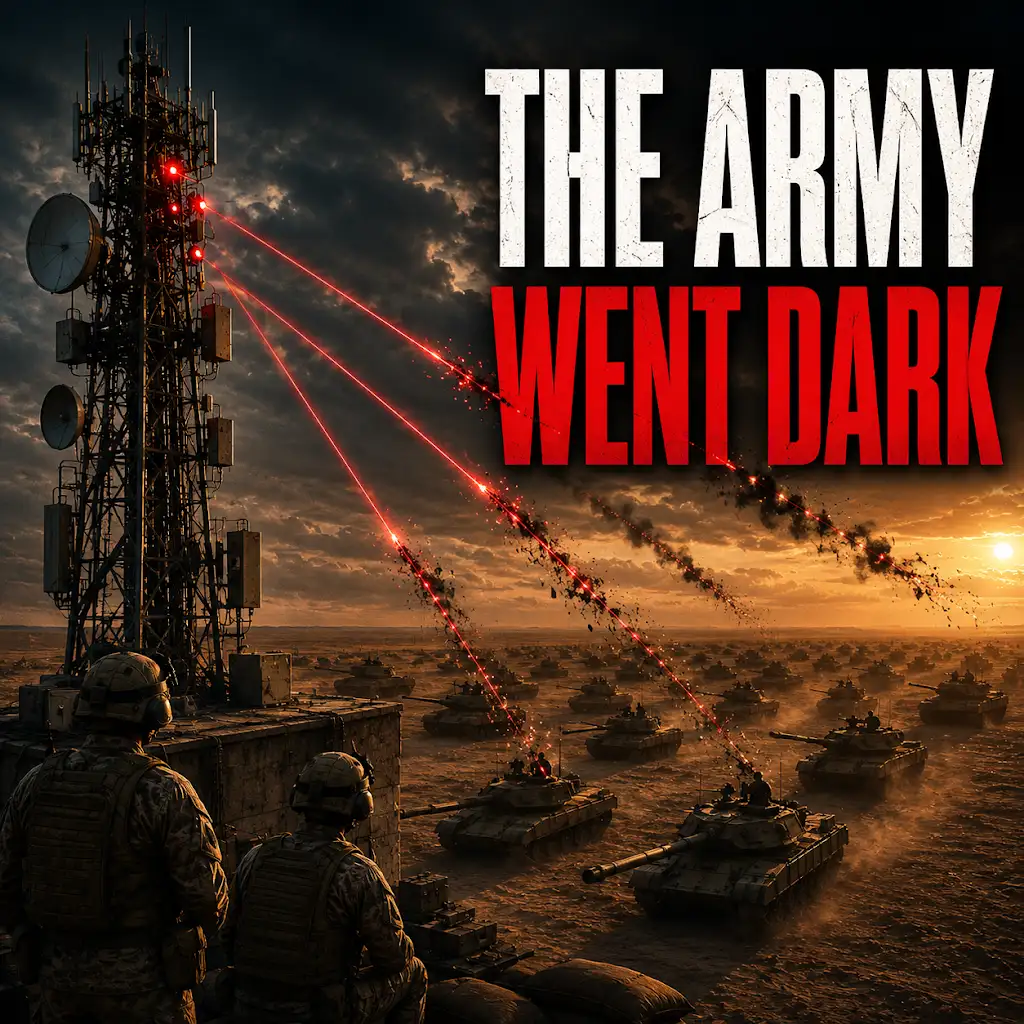
The Invisible Attack That Crippled Iraq’s Army | Desert Storm Documentary
FAQs
What was the Desert Storm air campaign against Iraq?
The Desert Storm air campaign was a military operation conducted by the United States and its allies during the Gulf War in 1991. It aimed to degrade Iraq’s military capabilities and force the withdrawal of Iraqi forces from Kuwait.
How long did the Desert Storm air campaign last?
The Desert Storm air campaign lasted for 42 days, from January 17 to February 28, 1991.
What were the main objectives of the Desert Storm air campaign?
The main objectives of the Desert Storm air campaign were to destroy Iraq’s air defenses, command and control centers, and military infrastructure, as well as to degrade Iraq’s ability to wage war and project power in the region.
What were the key tactics used in the Desert Storm air campaign?
The Desert Storm air campaign employed a combination of precision airstrikes, strategic bombing, and electronic warfare to target key military and infrastructure assets in Iraq.
What were the outcomes of the Desert Storm air campaign?
The Desert Storm air campaign achieved its objectives, significantly degrading Iraq’s military capabilities and paving the way for a ground offensive that ultimately led to the liberation of Kuwait.