The edifice of Saddam Hussein’s military might was not a spontaneous creation but a meticulously crafted structure, with its apex resting firmly upon a centralized command system. This system, a defining characteristic of the Ba’athist regime, was designed to concentrate power, ensure unwavering loyalty, and project an image of absolute control over the armed forces. Understanding its intricacies is crucial to comprehending Iraq’s military operations, its internal dynamics, and its disastrous external ventures.
At the heart of Saddam Hussein’s centralized military command lay Saddam himself. He was not merely the nominal head of state; he was the ultimate decision-maker, deeply involved in strategic planning, operational directives, and even the minutiae of military appointments. His personal authority permeated every level of the armed forces, creating a pyramid of power where his will was the ultimate law. This personal imprinting of command had profound implications for the military’s effectiveness and its susceptibility to his often impulsive and politically motivated decisions.
The Supreme Commander’s Mandate
As President and Commander-in-Chief, Saddam Hussein held absolute authority. This was codified in the Iraqi constitution and reinforced by the pervasive cult of personality that surrounded him. His pronouncements were treated as gospel, and dissent was not tolerated. This unchecked power allowed him to direct military actions based on his personal vision, often divorced from military realities or strategic considerations.
The Cult of Personality and Military Loyalty
The Ba’ath Party, under Saddam’s leadership, meticulously cultivated a cult of personality that extended to the military. Soldiers were indoctrinated to view Saddam as a divinely appointed leader, the protector of Iraq and the Arab nation. Portraits of Saddam adorned barracks, military academies, and command centers. His speeches were broadcast regularly, reinforcing themes of national pride, unwavering resolve, and the necessity of sacrificing for him and the state. This pervasive propaganda aimed to foster an intense personal loyalty that transcended professional military ethics and created a bond of unquestioning obedience. This was not just about loyalty to the state; it was loyalty to Saddam the individual.
Personal Appointments and Patronage
Saddam Hussein’s personal involvement extended to the selection of key military leaders. He often favored individuals with strong tribal or family ties, or those who demonstrated unquestioning personal loyalty, rather than purely professional merit. This system of patronage, while ensuring his direct control, could also lead to the promotion of less competent officers who were skilled in political maneuvering and sycophancy. The potential for incompetence to rise through the ranks due to personal connections rather than battlefield prowess was a significant inherent weakness.
Directives and Operational Control
Saddam Hussein was not content to merely set broad strategic goals. He frequently issued direct operational orders, sometimes even to lower-level units. This micro-management could stifle initiative, lead to confusion, and undermine the authority of subordinate commanders. The constant expectation of direct orders meant that officers were less likely to develop independent strategic thinking or the ability to adapt to changing battlefield conditions without explicit guidance from the top. This dependence on Baghdad’s directives became a critical vulnerability, particularly in extended conflicts where communication lines could be disrupted or where the speed of modern warfare demanded rapid, decentralized decision-making.
The Role of the Presidential Palace in Military Operations
The Presidential Palace in Baghdad was not just a seat of government; it functioned as the de facto military command center. Intelligence reports, operational plans, and battlefield updates flowed directly to Saddam and his inner circle. This concentration of information, while seemingly efficient, also created bottlenecks and limited the flow of critical data to the front lines. The palace’s insulation from the realities of the battlefield meant that decisions were often made in a vacuum, with potentially disastrous consequences.
Saddam Hussein’s centralized military command played a crucial role in shaping Iraq’s military strategies and operations during his regime. For a deeper understanding of the implications of this command structure, you can explore the article titled “The Impact of Centralized Military Command in Iraq” which provides insights into how Hussein’s leadership style influenced military effectiveness and decision-making. You can read the article here: The Impact of Centralized Military Command in Iraq.
The Layered Structure: The Chain of Command and its Contradictions
Beneath Saddam Hussein, the military command structure was a multi-layered hierarchy designed to translate his will into action. However, this chain of command was often complicated by overlapping authorities, the presence of political commissars, and the pervasive influence of Saddam’s inner circle, creating a system that was both rigid and prone to internal conflict.
The Ministry of Defense and the General Staff
The Ministry of Defense and the General Staff were theoretically responsible for the day-to-day management of the armed forces, including planning, training, and logistics. However, their autonomy was severely curtailed by Saddam’s direct involvement and the parallel structures of power. The General Staff often found itself executing directives rather than formulating them, and its recommendations could be overruled by presidential decree.
The Ambiguity of Authority
The lines of authority between the Ministry of Defense, the General Staff, and Saddam’s personal military office were often blurred. This ambiguity created opportunities for political maneuvering and personal ambition, as officers sought to gain favor with those closest to the President. The result was a system where institutional authority could be easily subverted by personal connections and political expediency, undermining the professionalism of the military.
The Burden of Implementation
The General Staff bore the immense burden of translating Saddam’s often ambitious and ideologically driven objectives into actionable military plans. This frequently involved wrestling with unrealistic expectations, limited resources, and the constant pressure to satisfy the President’s demands, even when they were militarily unsound. The weight of this responsibility, coupled with the fear of reprisal for failure, could lead to flawed planning and a reluctance to offer dissenting opinions.
The Republican Guard: A Praetorian Guard for the Regime
The Republican Guard, an elite formation directly responsible to Saddam Hussein, played a critical role in his centralized military command. It served as his personal army, tasked with protecting the regime and carrying out its most sensitive operations. Its privileged status and direct loyalty to Saddam often placed it above other branches of the military, creating internal resentments and logistical complexities.
Elite Status and Special Privileges
The Republican Guard enjoyed superior equipment, better training, and higher pay than regular army units. This was a deliberate strategy to ensure their unwavering loyalty and combat effectiveness. Their existence as a separate, elite force, however, created a degree of separation from the broader military, potentially hindering inter-branch cooperation and fostering a sense of exclusivity.
The Role in Internal Security and Political Purges
Beyond its external combat role, the Republican Guard was also a crucial instrument for internal security and the suppression of dissent. It was often deployed to quell uprisings, carry out political arrests, and enforce the regime’s will within the armed forces themselves. This dual role solidified its position as the ultimate guarantor of Saddam’s power, but also meant it was deeply entwined with the regime’s repressive apparatus.
The Security Apparatus: Intelligence and Control Mechanisms

Underpinning Saddam Hussein’s centralized military command was a vast and pervasive security apparatus. Intelligence agencies, internal security forces, and political commissars acted as eyes and ears for the regime, ensuring loyalty, monitoring potential threats, and enforcing Saddam’s will within the military ranks.
The Mukhabarat: The Eyes and Ears of the Regime
Iraq’s intelligence agencies, most notably the Mukhabarat (General Intelligence Directorate), were deeply integrated into the military command structure. They were responsible for gathering information on potential threats, both internal and external, and for identifying and neutralizing individuals deemed disloyal to the regime.
Espionage and Surveillance Within the Ranks
The Mukhabarat maintained a network of informants and agents within the military itself. Soldiers and officers were encouraged to report on their comrades, creating an atmosphere of suspicion and fear. This pervasive surveillance aimed to prevent any form of organized opposition or dissent from forming within the armed forces, ensuring a climate of absolute obedience.
Counter-Intelligence and Internal Purges
A significant function of the Mukhabarat was counter-intelligence, identifying and neutralizing foreign espionage efforts. However, their mandate also extended to identifying and eliminating internal threats. This often resulted in the arbitrary arrest, torture, and execution of military personnel suspected of disloyalty, regardless of actual evidence. These purges served as a brutal reminder of the consequences of challenging the regime.
Political Commissars: Ideological Guardianship
Political commissars, embedded within military units at various levels, served as ideological guardians and enforcers of Ba’athist principles. They were responsible for political indoctrination, ensuring ideological purity, and monitoring the morale and loyalty of the troops.
Indoctrination and Propaganda Dissemination
Commissars conducted regular political education sessions, reinforcing Ba’athist ideology and promoting the cult of Saddam Hussein. They were tasked with ensuring that soldiers understood the “justice” of the regime’s goals and the necessity of sacrificing for the nation. Their role was to mold the soldiers’ minds as much as to prepare them for combat.
Monitoring Morale and Loyalty
Commissars also acted as informal security agents, observing troop sentiment and reporting any signs of discontent or wavering loyalty to the intelligence services. Their presence, while intended to bolster morale and loyalty, often contributed to an atmosphere of fear and mistrust, as soldiers knew they were constantly being watched.
The Impact on Military Effectiveness: Strengths and Fatal Flaws
Saddam Hussein’s centralized military command, while designed to ensure absolute control, ultimately proved to be a double-edged sword. It possessed certain strengths, particularly in projecting an image of unified power, but its inherent rigidity and susceptibility to political interference led to critical strategic and operational failures.
The Illusion of Unity and Decisive Action
The centralized command structure created an illusion of monolithic power and decisive action. In the early stages of conflicts or for specific, well-defined operations where Saddam’s vision was clear, this system could achieve remarkable results. The ability to quickly mobilize resources and direct forces from a single point of authority could be a formidable initial advantage.
Rapid Mobilization and Resource Allocation
When Saddam’s will was unswerving and resources were available, the centralized system could facilitate rapid mobilization of troops and the swift allocation of critical supplies. This was particularly evident in the initial phases of the Iran-Iraq War, where Iraq was able to mount significant offensives.
Enforcing a Unified Vision
The centralized command ensured that a singular vision, dictated by Saddam, was theoretically implemented across the armed forces. This eliminated the possibility of conflicting objectives or rival military factions undermining strategic goals, at least on paper.
The Paralysis of Rigidity and Political Interference
However, the very strengths of centralization became fatal weaknesses in the face of complex and evolving conflicts. The rigidity of the command structure, the fear of reprisal, and the constant political interference stifled initiative, led to poor decision-making, and ultimately contributed to significant military defeats.
Stifled Initiative and Risk Aversion
The fear of displeasing Saddam or of making a mistake that could lead to severe punishment created a culture of risk aversion among officers. They were reluctant to take initiative or deviate from established plans without explicit approval from the highest levels, even when battlefield realities demanded it. This paralysis of action was a significant handicap.
Misallocation of Resources and Strategic Blunders
Saddam Hussein’s personal involvement, often driven by political considerations rather than military logic, led to disastrous strategic blunders and the misallocation of resources. His grandiose visions and personal vendettas frequently overrode sound military advice, leading to campaigns that were doomed from the outset. The invasion of Kuwait and the protracted Iran-Iraq War are prime examples of such strategic miscalculations.
The Downfall of Competence: The Triumph of Loyalty Over Merit
The emphasis on personal loyalty over professional competence meant that many critical positions were filled by individuals who were loyal but not necessarily capable. This compromised the effectiveness of military planning, training, and execution, creating a leadership vacuum at crucial junctures.
Saddam Hussein’s centralized military command played a crucial role in shaping Iraq’s military strategies and operations during his regime. This approach allowed him to maintain tight control over the armed forces, ensuring that decisions were made swiftly and aligned with his vision. For a deeper understanding of the implications of such a command structure, you can read more in this insightful article on military leadership and strategy at In the War Room. The analysis provided highlights the challenges and consequences of centralized military authority in times of conflict.
The Legacy of Centralization: A Blueprint for Failure
| Metrics | Data |
|---|---|
| Number of military personnel under centralized command | 1 million |
| Number of tanks in the centralized military command | 5,500 |
| Number of aircraft in the centralized military command | 700 |
| Number of artillery pieces in the centralized military command | 3,700 |
The legacy of Saddam Hussein’s centralized military command is one of significant military failures, deeply intertwined with the nature of authoritarian rule. While it served to consolidate power and project an image of strength, its inherent flaws ultimately contributed to the regime’s downfall and left the Iraqi military in a state of disarray.
The Impact on the Iran-Iraq War
The Iran-Iraq War, a brutal eight-year conflict, showcased both the potential and the profound limitations of Saddam’s centralized military. While initial offensives were launched with considerable force, the war devolved into a bloody stalemate, exacerbated by Saddam’s unwillingness to adapt his strategies and his relentless pursuit of victory at any cost, regardless of the human or material toll. The centralized command, in this context, became a mechanism for perpetuating a costly and ultimately unwinnable conflict.
The Cost in Human Lives and Resources
The protracted nature of the Iran-Iraq War, fueled by Saddam’s unwavering resolve and the inflexible command structure, resulted in hundreds of thousands of casualties and the depletion of Iraq’s economic resources. The centralized system, designed for decisive action, became an instrument for prolonging a war of attrition.
The Erosion of Military Effectiveness
The constant demands of the war, coupled with the internal pressures of the command structure, began to erode the overall effectiveness of the Iraqi military. Units were overstretched, equipment was worn out, and morale, despite propaganda efforts, began to suffer.
The Gulf War and the Collapse of Command
The 1991 Gulf War exposed the terminal weaknesses of Saddam’s centralized military command. The overwhelming technological superiority of the coalition forces, combined with the Iraqi military’s rigid command structure, led to a rapid and devastating collapse. The inability to adapt to the coalition’s sophisticated tactics and the dependence on outdated operational doctrines, dictated from Baghdad, proved to be fatal.
The Defeat in Kuwait
The invasion and subsequent defense of Kuwait were a testament to the regime’s overconfidence and the disconnect between Saddam’s ambitions and the military’s actual capabilities. The centralized command, unable to effectively coordinate a defense against a technologically advanced foe, saw its forces rapidly overwhelmed and routed.
The Ground War and the Highway of Death
The ground war phase of the conflict saw the complete disintegration of Iraqi defenses. The centralized command’s inability to orchestrate a coherent retreat or effective resistance resulted in widespread surrender and the horrific scenes of the “Highway of Death,” where retreating Iraqi forces were systematically annihilated. This event starkly illustrated the failure of the command system to provide for the safety and strategic withdrawal of its troops.
The Legacy of a Failed System
The centralized military command under Saddam Hussein serves as a cautionary tale about the dangers of unchecked power and the detrimental impact of political interference on military effectiveness. While it may have appeared to be a tool of absolute control, it ultimately bred inefficiency, fostered a culture of fear, and led to strategic blunders that had catastrophic consequences for Iraq. The remnants of this system, and the deep-seated issues it created, would continue to shape the Iraqi military landscape for years to come, long after Saddam Hussein’s reign ended.
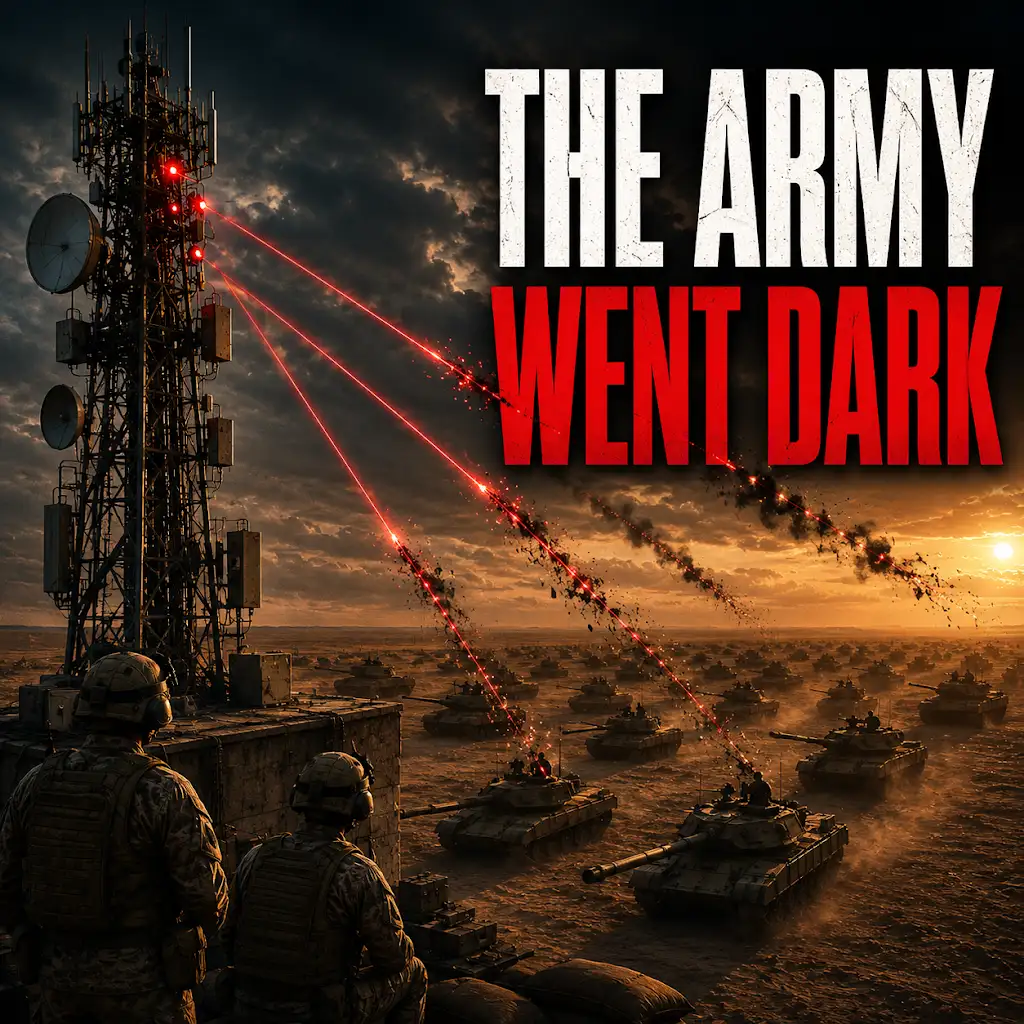
The Invisible Attack That Crippled Iraq’s Army | Desert Storm Documentary
FAQs
What is the significance of Saddam Hussein centralizing military command?
Centralizing military command under Saddam Hussein allowed for greater control and coordination of military operations. It also consolidated power within the regime, enabling Hussein to exert greater influence over the armed forces.
How did Saddam Hussein centralize military command?
Saddam Hussein centralized military command by restructuring the military hierarchy, placing loyalists in key positions, and implementing a system of surveillance and control to ensure obedience and loyalty.
What were the implications of centralizing military command under Saddam Hussein?
Centralizing military command under Saddam Hussein led to a more efficient and disciplined military, but it also resulted in a lack of independent decision-making and stifled dissent within the armed forces. This concentration of power also contributed to the regime’s ability to suppress opposition and maintain control.
Did centralizing military command under Saddam Hussein contribute to his regime’s longevity?
Yes, centralizing military command under Saddam Hussein played a significant role in the longevity of his regime. It allowed for swift and decisive action against internal and external threats, as well as the suppression of dissent and opposition.
What were the drawbacks of centralizing military command under Saddam Hussein?
Centralizing military command under Saddam Hussein led to a lack of flexibility and innovation within the armed forces, as well as a culture of fear and mistrust. It also contributed to the regime’s isolation and eventual downfall.