Holding Private Military Contractors Accountable
The pervasive presence of Private Military Contractors (PMCs) in contemporary conflict zones has fundamentally reshaped the landscape of warfare and security. These private entities, offering a spectrum of services ranging from logistical support and security detail to direct combat operations, have become indispensable actors in the operations of many states and international organizations. However, their increasing reliance has outpaced the development of robust accountability mechanisms, leading to a critical challenge: how to hold these powerful private entities and their personnel responsible for their actions. This article delves into the complex issue of PMC accountability, exploring the legal, ethical, and practical challenges, and examining potential pathways towards ensuring greater oversight and responsibility.
The modern PMC industry is a far cry from its historical antecedents. While mercenaries have existed for millennia, today’s PMCs are often sophisticated organizations with specialized expertise, advanced training, and significant financial backing. They operate in a gray area between state militaries and civilian enterprises, blurring traditional lines of warfare and international humanitarian law.
Defining the Modern PMC Landscape
The term “Private Military Contractor” itself encompasses a broad range of services. It is crucial to distinguish between different types of private security and military companies and the roles they fulfill.
Security and Protection Services
Many PMCs are primarily engaged in providing protective services for diplomats, aid workers, and critical infrastructure. This often involves armed guards, threat assessment, and convoy security, particularly in high-risk environments.
Training and Advisory Roles
A significant segment of the PMC industry focuses on training and advising national security forces of host nations. This can range from basic infantry tactics to specialized skills like intelligence analysis or counter-terrorism operations.
Logistics and Support Functions
The provision of logistical support is another core function of PMCs. This includes transporting personnel and equipment, maintaining vehicles and aircraft, and managing complex supply chains in remote and challenging locations.
Direct Combat and Operational Support
While often a more contentious area, some PMCs are contracted to perform tasks that directly involve kinetic operations, including offensive actions, intelligence gathering, and even direct participation in combat alongside state forces. This is where the accountability debate becomes most acute.
The issue of private military contractor accountability has gained significant attention in recent years, particularly in light of various incidents involving these entities in conflict zones. A related article that delves deeper into this topic can be found at this link, which explores the legal and ethical implications of employing private military contractors and the challenges in holding them accountable for their actions. This discussion is crucial for understanding the broader impact of privatized military operations on international law and human rights.
The Accountability Gap: Challenges and Complexities
The nature of PMC operations inherently creates a complex accountability gap, making it difficult to assign responsibility for wrongful acts. This gap stems from several intertwined factors, including their private status, the transnational nature of their operations, and the often-unclear legal frameworks governing their deployment.
The Legal Labyrinth
Navigating the legal status of PMCs and their personnel is a significant hurdle. Unlike state soldiers who operate under military justice systems and the laws of armed conflict, PMCs exist in a legal twilight zone.
Jurisdiction and Applicable Law
Determining which jurisdiction’s laws apply to PMC actions in a foreign land is a persistent problem. This involves questions of territorial jurisdiction, the nationality of the contractor, the nationality of the victim, and the contract’s governing law.
Status of Personnel: Combatants or Civilians?
The legal status of PMC personnel is often ambiguous. Are they considered lawful combatants under international humanitarian law, or are they civilians who may be subject to the domestic criminal law of the host nation? This distinction has profound implications for their rights and responsibilities.
Lack of a Dedicated International Framework
Unlike state armed forces, there is no universally recognized international legal framework specifically designed to regulate PMCs and establish clear accountability mechanisms for their conduct.
Operational Realities and Contractual Complications
The operational environment in which PMCs often function, coupled with the specifics of their contractual agreements, further complicates accountability.
Distance from State Control
PMCs operate at a degree of remove from the direct command and control structures of the states that hire them. This can make it challenging for states to effectively oversee their actions and enforce disciplinary measures.
Contractual Loopholes and Waivers
Contracts with PMCs can sometimes contain clauses that limit the liability of the company or its personnel, or that obscure lines of responsibility in the event of misconduct.
Secrecy and Confidentiality
The often-classified nature of PMC contracts and operations can hinder transparency and make it difficult for external bodies to investigate alleged wrongdoings.
The Difficulty of Investigation and Prosecution
Even when jurisdiction can be established and wrongful acts are identified, the practicalities of investigating and prosecuting PMC personnel can be daunting.
Limited Access to Evidence and Witnesses
Investigations may be hampered by limited access to incident sites, evidence, and witnesses, especially in active conflict zones.
Protection of Contractors
There can be reluctance on the part of hiring states to prosecute contractors from their own nations, fearing negative publicity or a desire to protect national interests.
Resource Constraints
Investigative and prosecutorial bodies may lack the resources, expertise, and specialized training required to effectively handle complex cases involving private military operations.
Existing Mechanisms for Accountability: Strengths and Weaknesses
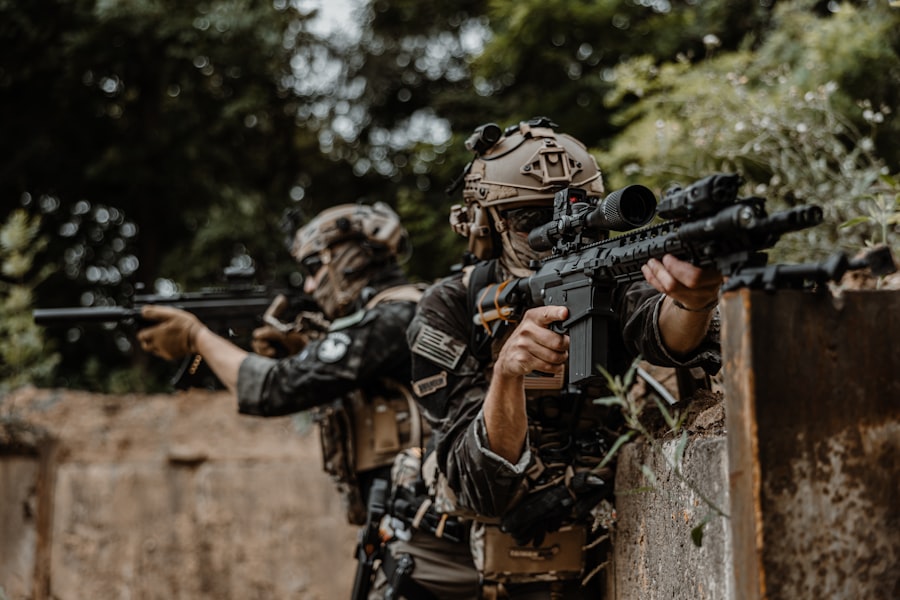
While the challenges are significant, various mechanisms, both domestic and international, are in place or being developed to address PMC accountability. However, these often have limitations.
National Legal Systems
The primary avenue for accountability often lies within the domestic legal systems of the states that hire PMCs, as well as the states from which the contractors originate.
Criminal Prosecutions
In some cases, individual PMC personnel have been prosecuted under the domestic criminal laws of their home countries for offenses committed abroad, such as assault, murder, or war crimes.
Civil Litigation
Civil lawsuits can be brought against PMCs or their hiring states by victims seeking damages for harm caused by the contractors’ actions.
Military Justice Systems (for seconded personnel)
When PMCs are contracted by a nation’s military, and their personnel are integrated into military operations, there can be instances where they are subject to the military justice system of that nation.
Regulatory Oversight and Licensing
Some states have implemented licensing and regulatory frameworks for PMCs operating within their borders or originating from their territory.
International Law and Norms
While not always directly applicable to private entities, international law provides a framework of principles that can be used to assess and condemn the actions of PMCs.
International Humanitarian Law (IHL)
IHL, also known as the laws of war, governs the conduct of armed conflict. While primarily applicable to states and their armed forces, its principles can be used to judge the conduct of PMC personnel. For example, violations of IHL can constitute war crimes.
Human Rights Law
In non-conflict situations or when PMCs are engaged in activities beyond the scope of armed conflict, human rights law can provide a basis for accountability for abuses.
Soft Law and Voluntary Codes of Conduct
Various industry initiatives and voluntary codes of conduct have emerged, aiming to promote ethical behavior and accountability within the PMC sector. However, their enforcement mechanisms are often weak.
Oversight by Hiring States and International Organizations
The states and organizations that contract PMCs have a responsibility to ensure the contractors adhere to contractual obligations and relevant legal standards.
Contractual Clauses and Performance Monitoring
Contracts can include clauses requiring adherence to specific codes of conduct, international law, and the prohibition of certain actions. Performance monitoring mechanisms are crucial.
Independent Review and Auditing
Some hiring states have established mechanisms for independent review or auditing of PMC operations, though their scope and effectiveness vary.
United Nations and Other International Bodies
International organizations, particularly the UN, have played a role in raising awareness about PMC accountability and in advocating for stronger international norms and legal frameworks.
Pathways Towards Enhanced Accountability
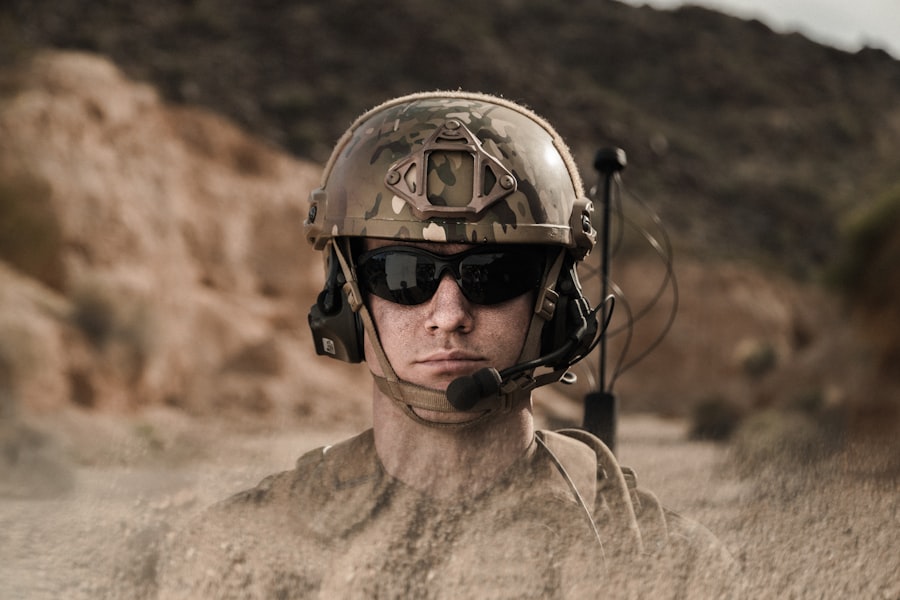
Addressing the PMC accountability gap requires a multi-faceted approach that strengthens existing mechanisms and develops new ones. This involves a combination of legal reform, operational oversight, and increased transparency.
Strengthening National Legal Frameworks
National legislation is crucial for providing clear legal avenues for holding PMCs and their personnel accountable.
Universal Jurisdiction and Extraterritorial Prosecution
States should consider enacting legislation that allows for the extraterritorial prosecution of their nationals and companies involved in serious international crimes, regardless of where the offense occurred.
Enhanced Criminal Liability for Corporate Entities
Expanding the scope of corporate criminal liability to include offenses committed by PMC employees abroad could incentivize companies to implement more robust oversight and compliance programs.
Clearer Definitions and Regulations
National laws should provide clear definitions of PMCs and the services they offer, along with specific regulations governing their licensing, operations, and accountability.
Developing Robust International Norms and Legal Instruments
A more comprehensive international approach is needed to standardize regulations and enforcement.
A Dedicated International Convention
The development of a dedicated international convention, similar to those governing mercenaries, could establish clear legal obligations for states regarding the regulation and accountability of PMCs. This convention would define the status of PMC personnel, outline prohibited acts, and establish mechanisms for international cooperation in investigation and prosecution.
Incorporating PMC Accountability into Existing Legal Frameworks
Efforts should be made to ensure that existing international legal instruments, such as those related to war crimes and human rights abuses, are interpreted and applied in a manner that effectively covers the actions of PMCs.
Standardized Reporting and Monitoring Mechanisms
International bodies could facilitate the development of standardized reporting and monitoring mechanisms for PMC activities, promoting greater transparency and enabling early detection of potential abuses.
Improving Oversight and Transparency
Effective oversight and increased transparency are essential for preventing abuses and ensuring accountability.
Independent Oversight Bodies
The establishment of independent oversight bodies at national and international levels, tasked with monitoring PMC operations, investigating allegations of misconduct, and recommending corrective actions, would significantly enhance accountability.
Mandatory Reporting and Auditing
Hiring states should mandate that PMCs provide regular and comprehensive reports on their activities and undergo independent audits to ensure compliance with contractual obligations and legal standards.
Whistleblower Protection
Robust protection for whistleblowers within PMC companies and among those who interact with them is crucial for uncovering wrongdoing and facilitating investigations.
Promoting Industry Self-Regulation and Best Practices
While not a substitute for legal accountability, industry-led initiatives can play a supporting role.
Strengthening Industry Codes of Conduct
Encouraging the development and rigorous enforcement of industry-wide codes of conduct, with clear ethical guidelines and accountability mechanisms, can foster a culture of responsibility.
Training and Professionalization
Investing in comprehensive training programs for PMC personnel that emphasize international humanitarian law, human rights, and ethical conduct is paramount.
Increased Transparency in Contracting
Making PMC contracts more transparent, with clear definitions of roles, responsibilities, and accountability measures, can help prevent exploitative practices and facilitate oversight.
The issue of private military contractor accountability has gained significant attention in recent years, particularly as conflicts around the globe have increasingly involved these entities. A related article that delves into the complexities of this topic can be found at In the War Room, where it explores the legal and ethical implications of employing private forces in warfare. Understanding the nuances of contractor behavior and the challenges in holding them accountable is crucial for shaping future policies and ensuring justice in military operations.
The Ethical Imperative for Accountability
| Company | Number of Allegations | Number of Convictions | Number of Lawsuits |
|---|---|---|---|
| Blackwater | 15 | 3 | 10 |
| G4S | 12 | 1 | 8 |
| Academi | 8 | 2 | 5 |
Beyond the legal and practical considerations, there is a profound ethical imperative to hold PMCs accountable. Their involvement in conflict zones often means they operate where states have a sovereign responsibility to protect their citizens and uphold human rights. Allowing private actors to operate with impunity undermines the rule of law, erodes trust in state authority, and can lead to a further cycle of violence and injustice. Ensuring accountability is not just about punishing wrongdoers; it is about reinforcing the principles of justice, upholding human dignity, and striving for a more humane approach to conflict resolution and security provision. The challenge of holding private military contractors accountable is ongoing, but through concerted effort and a commitment to these principles, progress can be made towards a future where those who operate in the shadow of conflict are brought firmly into the light of responsibility.

Blackwater Disappeared. America’s Private Army Didn’t.
FAQs
What is a private military contractor (PMC)?
A private military contractor (PMC) is a private company that provides military and security services to governments, corporations, and other organizations. PMCs often employ former military personnel and operate in conflict zones and other high-risk environments.
What is the role of private military contractors in modern conflicts?
Private military contractors play a variety of roles in modern conflicts, including providing security for government officials and facilities, training local military and police forces, conducting intelligence gathering and analysis, and participating in combat operations.
How are private military contractors held accountable for their actions?
Private military contractors are subject to a variety of legal and regulatory frameworks, including international humanitarian law, domestic laws in the countries where they operate, and contractual obligations with their clients. Additionally, some PMCs are members of industry associations that have established codes of conduct and standards for accountability.
What are some challenges in holding private military contractors accountable?
Challenges in holding private military contractors accountable include issues of jurisdiction and legal immunity, lack of transparency and oversight, and the complex nature of international conflicts. Additionally, some PMCs may operate in environments where the rule of law is weak or non-existent.
What are some recent developments in private military contractor accountability?
Recent developments in private military contractor accountability include efforts to strengthen international legal frameworks, increased scrutiny and regulation of the industry by governments and international organizations, and the establishment of mechanisms for reporting and investigating alleged misconduct by PMCs.