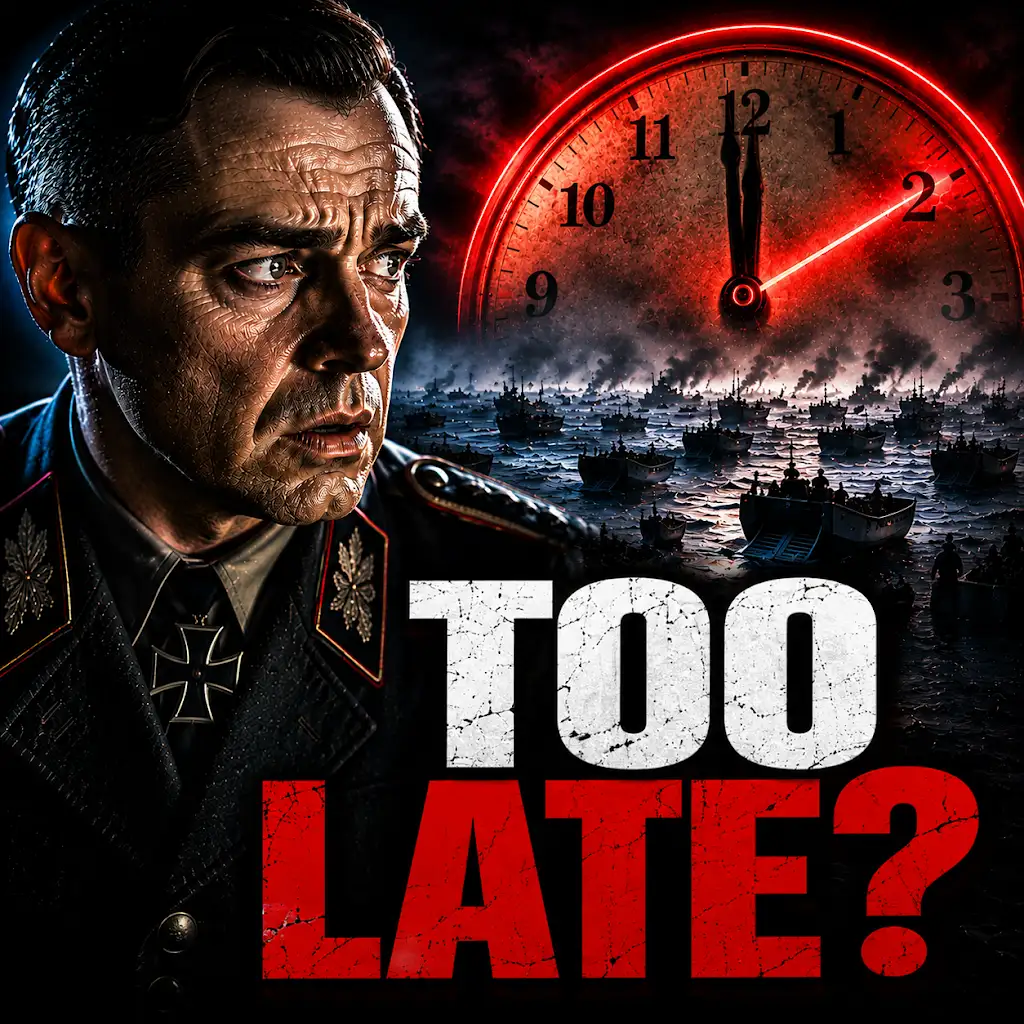
The meticulously planned invasion of Normandy on D-Day, June 6, 1944, hinged on the Allies’ overwhelming superiority in manpower and materiel. Yet, the defense of Fortress Europe was not solely reliant on the troops already stationed in France. Behind the initial lines of defense, German armored reserves stood as a formidable, albeit ultimately insufficient, counterpunch. Their story is one of strategic miscalculation, logistical nightmares, and the desperate, often heroic, efforts to stem the Allied tide.
The German High Command understood that the Atlantic Wall, a network of fortifications and defensive positions stretching from Denmark to the Spanish border, was not impenetrable. Its true strength lay in its depth and the ability to deploy mobile reserves to exploit any Allied breakthroughs. The crucial element was the availability of armored and mechanized formations capable of rapid reinforcement and decisive counterattacks. These units, drawn from Germany’s elite Panzer divisions, were the strategic hammer intended to shatter the invasion force before it could establish a solid foothold.
The Theory of the Counterstroke
The core German doctrine revolved around identifying the primary landing zones and then committing their mobile reserves to push the invaders back into the sea. This was a dangerous gamble, requiring precise intelligence on Allied intentions and rapid deployment capabilities. The Atlantic Wall itself was designed to channel the initial assault into areas where German defenses were strongest, while creating opportunities for armored units to envelop and destroy the landed forces. The success of this strategy was critically dependent on the speed and effectiveness of these counterstrokes.
Intelligence Failures and Misdirection
A significant hurdle for the German command was the sheer difficulty of discerning the true invasion point. Allied deception operations, code-named “Operation Fortitude,” were remarkably successful in creating a plausible threat in the Pas-de-Calais, the narrowest point of the English Channel. This led the German leadership to believe that the main landing would occur there, diverting crucial reserves away from Normandy. The actual landing on June 6th was therefore met with an initial confusion and a delayed response from many of the powerful armored formations positioned further inland.
The Panzer Divisions on Standby: Deployment and Readiness
By early 1944, Germany possessed a significant number of Panzer and Panzergrenadier divisions. However, their deployment and operational readiness on D-Day were far from ideal. Many of these elite units were either stationed far from the invasion front, undergoing refits, or had been significantly depleted in combat on other fronts, particularly on the Eastern Front. This left a critical shortage of battle-hardened, fully equipped formations in the immediate vicinity of Normandy.
Elite Formations: The Waffen-SS and Heer Panzer Divisions
The backbone of German armored strength comprised both the Heer (Army) Panzer divisions and the Waffen-SS Panzer divisions. The Waffen-SS units, in particular, were often seen as more fanatically loyal and better equipped, having been fostered as an elite force. However, even these divisions faced immense challenges. Many were concentrated in areas considered strategically important by Hitler, rather than necessarily where the Allied invasion was most likely. The Allies, aware of this, deliberately targeted key transportation networks to hinder their movement.
The State of Equipment and Manpower
Even the best-equipped Panzer divisions were not immune to the chronic shortages plaguing the German war machine. While they boasted formidable tanks like the Panther and Tiger, these were complex machines that required significant maintenance and specialized logistics. Ammunition, fuel, and spare parts were increasingly difficult to obtain due to Allied bombing campaigns and naval blockades. Furthermore, experienced crews had been lost in previous campaigns, and the training of new personnel, while intense, could not always compensate for the depth of experience lost.
The D-Day Offensive: The Allies Land
The morning of June 6, 1944, saw the Allied invasion forces storming the beaches of Normandy. The initial landings were met with determined, but ultimately overwhelmed, German defenses. As the scale of the invasion became clear, the wheels of German mobilization began to turn, but they turned slowly, hampered by the very factors that would ultimately decide the fate of the Normandy campaign.
The Initial Assault and German Reactions
The German defenders on the beaches, primarily infantry and lightly armored units, fought with ferocity. However, they were outnumbered and outgunned. News of the landings reached the German command, but the confirmation of the true landing zones was delayed. This hesitation and the lingering belief in a Pas-de-Calais deception meant that the immediate deployment of significant armored forces was not initiated.
The Crucial Hours: Delay and Hesitation
The critical hours following the initial landings were characterized by intense debate and a lack of decisive action at the highest levels of German command. Field Marshal Gerd von Rundstedt, the overall commander in the West, requested permission to commit the strategic reserves, including the II SS Panzer Corps. However, Hitler, at his headquarters in Rastenburg, was hesitant. He insisted on confirming the Pas-de-Calais threat and was reluctant to release the Panzer divisions without absolute certainty. This indecision proved to be a fatal blow to Germany’s defensive strategy.
The Race Against Time: German Armored Reinforcements Mobilize
Once the decision was finally made, the German armored reserves began their arduous journey towards the front lines. This was a race against time, and the Allied air superiority proved to be a decisive factor in dictating the pace and effectiveness of these movements.
The Journey Westward: Allied Air Power Strikes
The Allied air forces had established complete dominance of the skies over France. Their primary objective in the days following D-Day was to interdict German reinforcements. Panzer columns, massive and vulnerable on the open roads, became prime targets. Allied fighter-bombers relentlessly attacked these formations, destroying tanks, disrupting supply lines, and causing immense casualties. The journey for many Panzer divisions became a brutal gauntlet of aerial assault, significantly reducing their combat effectiveness before they even reached the front.
Roadblocks and Diversions: Logistical Nightmares
Beyond the constant threat of air attack, German logistics were already stretched to breaking point. Fuel shortages, damaged rail lines, and blocked roads forced many armored units to take circuitous routes, further delaying their arrival. Ammunition and supplies were also difficult to replenish, meaning that even units that did reach the front were often not at full fighting strength. The carefully planned operational mobility of the Panzer divisions was severely compromised.
The Battlefield: Armored Engagements in Normandy
Despite the overwhelming challenges, German armored formations did eventually reach the Normandy front. What followed were a series of brutal, often desperate, engagements where the superior firepower and tactical skill of the Panzer crews clashed with the sheer weight of Allied numbers and logistical support.
The Battles of Carentan and Villers-Bocage
Key engagements illustrate the impact of the German armored reserves. The desperate defense of Carentan, a strategically vital road junction, saw elements of the 17th SS Panzergrenadier Division and the 6th Panzer Division engage in fierce fighting against American paratroopers and infantry. Further west, the 12th SS Panzer Division “Hitlerjugend” and the Panzer Lehr Division launched a localized counterattack at Villers-Bocage, achieving a stunning initial success against British forces under Michael Wittmann. These battles demonstrated the formidable capabilities of the German tanks and their crews, even when outnumbered.
The Panzer Lehr Division: A Case Study in Devastation
The Panzer Lehr Division, formed from the amalgamation of various training and demonstration units, was considered one of the best-equipped Panzer divisions available. However, its journey to the front was plagued by Allied air attacks, and it suffered heavy losses before even engaging the enemy in significant numbers. By the time it reached the Normandy front, it was significantly weakened and its impact on the overall battle was diminished.
The Waffen-SS Divisions: Fanaticism and Fading Strength
The Waffen-SS Panzer divisions, such as the 12th SS Panzer Division “Hitlerjugend” and the 1st SS Panzer Division “Leibstandarte SS Adolf Hitler,” fought with characteristic ferocity and a willingness to endure immense casualties. They inflicted heavy losses on Allied armor, particularly during the early stages of the Normandy campaign. However, even their fanatical resolve and superior equipment could not overcome the relentless attrition of the Allied forces and the crippling logistical constraints.
The Long-Term Consequences: The Slow Bleeding of German Armor
The failure of the German armored reserves to decisively counter the D-Day landings had profound and lasting consequences for the remainder of the war. The loss of experienced crews, the destruction of vital equipment, and the continuous commitment of these formations to a defensive struggle in Normandy significantly weakened Germany’s ability to resist Allied advances on all fronts.
The Normandy Campaign: A Forge of Destruction
The battles in Normandy proved to be a brutal and costly affair for the German armored forces. The relentless pressure from the Allies, combined with the strategic blunders of the German command, led to the gradual destruction and absorption of these once-powerful formations. The Falaise Pocket, where large numbers of German troops and vehicles were encircled, represented a catastrophic loss of men and materiel, including significant numbers of tanks.
The Impact on Future Operations
The depletion of German armored reserves in Normandy meant that their capacity to launch offensive operations elsewhere was severely curtailed. The subsequent Allied offensives, including the liberation of France and the advance into Germany, faced less formidable armored opposition than they might have otherwise. The Eastern Front, already a grinding war of attrition, also suffered from the diversion of these crucial mobile forces.
A Strategic Defeat Rooted in Planning and Execution
The story of the German armored reserves on D-Day is a stark illustration of how strategic miscalculation, logistical deficiencies, and the overwhelming power of Allied air and sea superiority could negate even the most formidable military assets. While individual German tank crews and units fought with bravery and skill, their efforts were ultimately insufficient to overcome the systemic weaknesses that had developed within the German war machine. The promise of a decisive armored counterstroke on D-Day remained unfulfilled, a testament to the Allies’ successful invasion and the beginning of the end for Nazi Germany.