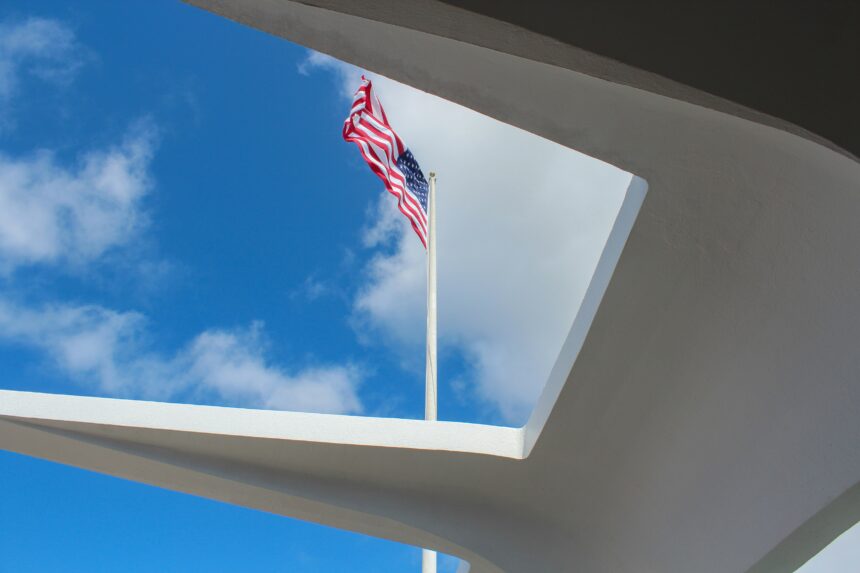
The calm waters of Pearl Harbor on December 7, 1941, held a profound stillness that belied the seismic shift about to occur. The air, usually alive with the hum of naval activity and the cries of seabirds, was imbued with a pre-dawn tranquility. Yet, beneath this placid surface, a critical absence simmered, an absence that would shape the course of the ensuing global conflict and redefine naval strategy for generations to come. The American aircraft carriers, the very vanguard of modern naval power, were conspicuously absent from the harbor that fateful Sunday morning. This absence, a product of a confluence of strategic decisions, logistical realities, and sheer historical happenstance, would prove to be a defining, albeit unintentional, element of the attack and its immediate aftermath.
The United States Navy, even in the years leading up to World War II, recognized the transformative potential of the aircraft carrier. However, its integration into the fleet was a gradual process, a stark contrast to the established might of battleships. The early days of carrier aviation were characterized by experimentation and a steep learning curve. The very concept of launching and recovering aircraft from a moving vessel was revolutionary, and the doctrine governing its use was still very much in its infancy.
Early Carrier Development and Skepticism
The commissioning of the USS Langley (CV-1) in 1922 marked the birth of the US Navy’s aircraft carrier fleet. Converted from a collier, it was a far cry from the sophisticated behemoths that would later grace the Pacific. The initial decades were a period of intense development, with naval strategists grappling with fundamental questions: What was the optimal role of a carrier? How should it be employed in conjunction with existing naval assets? The powerful battleship lobby, deeply entrenched and steeped in the traditions of Mahanian naval theory, viewed carriers with a degree of skepticism, if not outright disdain. They saw these floating airfields as auxiliaries, a niche asset rather than a primary warfighting platform. This ingrained bias would contribute to the perceived secondary status of carriers within the broader naval hierarchy for years to come.
The Washington Naval Treaty and Its Constraints
The international arms limitation treaties of the interwar period, particularly the Washington Naval Treaty of 1922, also played a significant role in shaping the early development of naval aviation and carrier construction. While these treaties aimed to prevent a naval arms race, they also imposed restrictions on the size and number of capital ships, including battleships and aircraft carriers. These limitations, while intended to foster peace, inadvertently spurred innovation within the allowed categories. The US Navy, for instance, was forced to be creative in its carrier design within the treaty’s constraints, leading to the development of more capable vessels like the Lexington and Saratoga classes, which were converted from battlecruiser hulls to circumvent some of the treaty’s limitations. This period of adaptation and circumvention, while fostering ingenuity, also meant that the carrier force was still a relatively young and evolving entity, not yet possessing the overwhelming dominance it would later achieve.
Strategic Doctrine: Offensive Power Projection
Despite the battleship’s traditional dominance, forward-thinking naval officers like Admiral William A. Moffett recognized the immense offensive potential of naval air power. Moffett, a staunch advocate for naval aviation, championed the development of carrier-based aircraft and tactics. He envisioned carriers as mobile air bases capable of projecting power deep into enemy territory, striking at enemy fleets and shore installations before they could pose a threat. This doctrine of offensive power projection, however, was still being refined and tested. The fleet exercises of the 1930s, particularly those conducted by Admiral Ernest J. King’s scout-bombing squadrons, provided valuable insights into carrier operations and the potential for carrier-versus-carrier engagements. These exercises, while illuminating, also highlighted the learning curve involved in coordinating large carrier formations and the crucial importance of reconnaissance.
The events surrounding the American carriers missing the attack on Pearl Harbor have been the subject of extensive analysis and discussion. A related article that delves deeper into the strategic decisions and miscommunications leading up to that fateful day can be found at In the War Room. This piece offers valuable insights into the naval tactics of the time and the implications of the carriers’ absence during the attack, shedding light on a pivotal moment in American military history.
The Crucial Deployments: A Cascade of Circumstances
The absence of the American aircraft carriers from Pearl Harbor on December 7, 1941, was not a singular event but rather the culmination of a series of deployments and strategic decisions made in the months and weeks leading up to the attack. These movements, driven by the escalating tensions in the Pacific and the perceived threats to American interests, inadvertently placed the carriers out of harm’s way at the most critical juncture.
The Enterprise and the Reinforcement of Wake Island
The USS Enterprise (CV-6), a veteran of numerous fleet exercises and a symbol of American naval might, was one of the carriers notably absent. In late November 1941, she had been tasked with delivering aircraft and personnel to Wake Island, a crucial forward outpost in the Pacific. This deployment, seemingly routine, became a pivotal moment. The Enterprise was en route back to Pearl Harbor from this mission when the Japanese attack commenced. Her return journey was delayed due to unfavorable weather, adding another layer of chance to her presence or absence. The Enterprise‘s mission to Wake Island underscored the Navy’s efforts to reinforce its scattered Pacific defenses in the face of mounting Japanese aggression, inadvertently positioning her away from the primary target.
The Lexington and the Delivery of Marine Aircraft
Another major carrier, the USS Lexington (CV-2), was also not at Pearl Harbor. The Lexington had been engaged in delivering a shipment of Marine Corps aircraft to the island of Midway. Midway Atoll, like Wake Island, was a strategically important refueling and air base in the central Pacific, and its reinforcement was deemed a priority. The Lexington‘s mission, therefore, was a part of a broader strategy to bolster American defenses across the vast Pacific theater. The ongoing need to ferry aircraft and supplies to these distant outposts meant that the carriers were frequently on the move, often far from their home ports.
The Saratoga and Her Repair Downtime
The third American carrier, the USS Saratoga (CV-3), was also absent, but for a different reason. The Saratoga had been operating off the coast of San Diego, California, and was undergoing an overhaul and modernization in the naval shipyard. This period of maintenance, while essential for the long-term operational readiness of the ship, meant she was not available for deployment in the Pacific. Her presence in a US port, rather than a forward operating area, further contributed to the fact that all operational American carriers were at sea or undergoing repairs during the attack.
The Strategic Miss: Missed Opportunities and Faulty Intelligence
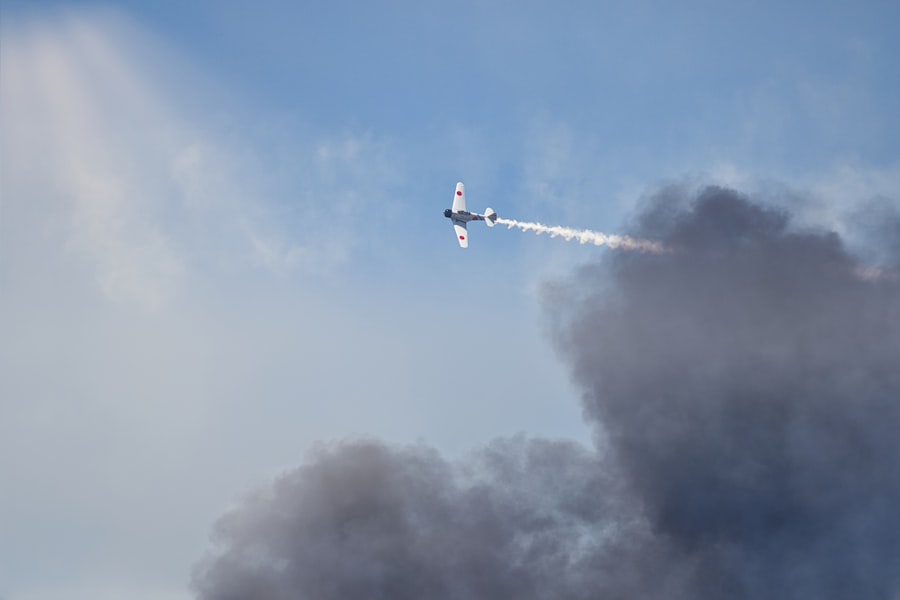
The absence of the carriers, while a matter of logistical movement, also highlighted a more profound failure: the inability of American intelligence to accurately predict or prepare for the Japanese attack on Pearl Harbor itself. This failure, intertwined with strategic assumptions, left the naval base vulnerable.
Misplaced Focus on the Philippine Islands
American military planning in the Pacific had largely focused on the potential threat to the Philippine Islands. This belief, fueled by intelligence reports and strategic doctrine, led to the concentration of naval and air assets in the Philippines and surrounding areas. The idea was that an offensive by Japan would likely begin with an assault on the Philippines, a U.S. territory. This strategic miscalculation meant that the bulk of the Pacific Fleet, including its most vital offensive assets – the aircraft carriers – were not positioned to defend Hawaii.
Underestimation of Japanese Naval Capabilities
There was a significant underestimation of the Japanese Imperial Navy’s offensive capabilities and its willingness to undertake such a bold, pre-emptive strike far from its home waters. While Japanese naval power was acknowledged, the audacious nature of a carrier-borne strike force operating across thousands of miles of ocean was not fully appreciated. This underestimation contributed to a sense of complacency, despite increasing diplomatic tensions.
The “Battleship Navy” Mentality
The lingering influence of the “battleship navy” mentality continued to shape strategic thinking. While carriers were becoming increasingly important, the battleship remained the symbolic and doctrinal centerpiece of naval power for many. This meant that resources and attention were often prioritized towards the construction and maintenance of battleships, potentially at the expense of fully integrating and rapidly deploying carrier forces. The perceived invulnerability of Pearl Harbor, protected by its geographical location and the presence of a powerful battleship fleet, also contributed to the lack of urgency in positioning the carriers for its defense.
The Immediate Aftermath: A Fleet Crippled, But Not Defeated

The immediate aftermath of the Japanese attack on Pearl Harbor was one of shock, devastation, and a desperate effort to assess the damage and mount a response. The absence of the carriers, while a stroke of luck for the attackers in terms of neutralizing American air power at the outset, would prove to be a critical factor in the ensuing naval battles.
The Devastation of the Battleship Line
The Japanese attack was devastatingly effective against the battleships moored at Battleship Row. The torpedoes and bombs rained down on the stationary, tightly packed vessels, resulting in the loss of eight battleships and severe damage to others. This loss represented the backbone of the Pacific Fleet’s traditional power projection capability. The sight of the burning hulks and the oil slicks on the water was a grim testament to the effectiveness of the Japanese aerial assault.
The Carriers as the Remaining Offensive Punch
In the midst of this carnage, the surviving American aircraft carriers – the Enterprise, Lexington, and Saratoga – represented the sole remaining offensive punch of the Pacific Fleet. Their absence from the harbor meant they were intact and ready for immediate deployment. This was a critical advantage that would soon be tested. The Japanese, having succeeded in neutralizing the battleships, now faced a more elusive and potent threat in the form of the American carrier task forces.
The Psychological Impact and the Call for Retribution
The attack had a profound psychological impact on the American public and military. The element of surprise and the scale of the destruction fueled a burning desire for retribution. The fact that the carriers were at sea, ready to fight, provided a glimmer of hope and a tangible means for the United States to strike back at Japan. The narrative of the surviving carriers, poised to exact revenge, would become a powerful rallying cry in the dark days following the attack.
The surprise attack on Pearl Harbor on December 7, 1941, marked a pivotal moment in American history, as it propelled the United States into World War II. Interestingly, many American carriers were not present during the attack, which has led to extensive analysis and speculation about the strategic decisions made prior to that fateful day. For a deeper understanding of the implications of this absence, you can explore a related article that delves into the factors surrounding the American carriers’ deployment and the subsequent impact on naval strategy by visiting this link.
The Long-Term Consequences: Reshaping Naval Warfare
| Carrier Name | Date of Arrival at Pearl Harbor | Status |
|---|---|---|
| USS Enterprise | December 8, 1941 | Not present during the attack |
| USS Lexington | December 10, 1941 | Not present during the attack |
| USS Saratoga | December 15, 1941 | Not present during the attack |
The absence of American carriers at Pearl Harbor, and their subsequent survival, had profound and lasting consequences, fundamentally reshaping naval warfare and the strategic landscape of the Pacific theater. The attack, while a tactical victory for Japan, inadvertently set the stage for American naval dominance in the years to come.
The Rise of the Carrier as the Capital Ship
The destruction of the battleships at Pearl Harbor, coupled with the survival and subsequent combat prowess of the aircraft carriers, decisively shifted the paradigm of naval warfare. The carrier, once a secondary asset, ascended to the position of the ultimate capital ship. Its ability to project air power across vast distances, deliver devastating strikes, and engage enemy fleets from afar, proved far more decisive than the heavy guns of a battleship. The era of the battleship as the dominant warship was effectively over.
The Battle of Midway: A Turning Point
The pivotal Battle of Midway in June 1942, fought just six months after Pearl Harbor, stands as a testament to the strategic importance of the surviving carriers. In this decisive engagement, American carrier aircraft sank four Japanese aircraft carriers, crippling their naval air arm and marking a major turning point in the Pacific War. The Enterprise, Hornet, and Yorktown (which was later lost in the battle) formed the core of the American force that achieved this monumental victory. The lessons learned from Pearl Harbor, coupled with the strategic employment of carrier task forces, proved instrumental.
The Evolution of Carrier Doctrine and Technology
The experiences of the early Pacific War, including the events of Pearl Harbor, spurred rapid advancements in carrier doctrine and technology. The need for faster aircraft, more effective anti-aircraft defenses, improved radar, and sophisticated carrier strike group coordination became paramount. The US Navy, unburdened by the loss of its battleship fleet, was able to fully embrace and rapidly develop the aircraft carrier as its primary offensive weapon system, leading to the development of larger, more powerful carriers and more devastating air wings.
In conclusion, the absence of American aircraft carriers from Pearl Harbor on December 7, 1941, was a complex interplay of strategic foresight, logistical realities, and sheer historical fortune. While the Japanese achieved a devastating tactical victory in crippling the battleship fleet, their failure to eliminate the carriers inadvertently paved the way for the United States’ eventual naval supremacy in the Pacific. The war that followed would be fought and won not on the decks of mighty battleships, but in the skies above the vast Pacific, orchestrated by the very naval assets that were so conspicuously absent on that fateful Sunday morning. The quiet waters of Pearl Harbor, on that day of profound loss, also bore witness to the dawn of a new era in naval warfare, an era defined by the power and reach of the aircraft carrier.

Japan Won Pearl Harbor—So Why Did It Lose the War?
FAQs
What happened to the American carriers during the attack on Pearl Harbor?
During the attack on Pearl Harbor on December 7, 1941, the American aircraft carriers were not present at the base. They were out at sea on training exercises and were not targeted by the Japanese attackers.
Why were the American carriers not at Pearl Harbor during the attack?
The American carriers were not at Pearl Harbor during the attack because they had been sent out on training exercises as part of a strategic decision to disperse the fleet and reduce the risk of a surprise attack.
How did the absence of the American carriers impact the outcome of the attack on Pearl Harbor?
The absence of the American carriers at Pearl Harbor meant that the Japanese attackers were unable to target and destroy these crucial naval assets. This allowed the carriers to play a significant role in the subsequent Pacific War, as they were able to launch counterattacks and support Allied operations.
What role did the American carriers play in the Pacific War following the attack on Pearl Harbor?
The American carriers played a crucial role in the Pacific War following the attack on Pearl Harbor. They were instrumental in the Battle of Midway, where they inflicted a decisive defeat on the Japanese fleet, turning the tide of the war in the Pacific.
How did the absence of the American carriers at Pearl Harbor impact the overall war effort?
The absence of the American carriers at Pearl Harbor allowed them to survive the attack and play a pivotal role in the subsequent Pacific War. Their presence and strategic importance in subsequent battles and operations significantly impacted the overall war effort and contributed to the eventual Allied victory.