The roar of engines, the thunderous percussion of treads on soil, and the acrid scent of diesel fuel have long been synonymous with the power of armored warfare. In Iraq, the tank remains a formidable instrument of state power, a symbol of its military might, and a crucial component in its ongoing struggle against various threats. However, the effective employment of these heavily armored vehicles is far from a simple endeavor. The challenges faced by Iraqi tank coordination are multifaceted, encompassing issues of training, equipment, doctrine, operational environments, and the persistent shadow of insecurity. Achieving seamless synergy between tank units and other elements of the Iraqi Security Forces (ISF) is a continuous and complex undertaking, demanding constant adaptation and a deep understanding of the unique circumstances on the ground.
The efficacy of any military force, particularly one relying on complex and costly equipment like tanks, hinges on the quality and consistency of its training. For Iraqi tank crews, the path to operational readiness is fraught with a distinct set of hurdles. Years of conflict, internal instability, and fluctuating resources have impacted the continuity and standardization of training programs. The acquisition of new tank platforms, while essential, necessitates a parallel investment in training that can be challenging to sustain.
Building Core Competencies: From Basic Operation to Complex Maneuvers
The initial phase of tank crew training focuses on the fundamental skills required for operating and maintaining the vehicles. This includes mastering the driver’s controls, understanding the gunner’s systems, and ensuring the loader can effectively keep the weapon systems supplied. However, moving beyond these basics to encompass complex maneuvers, such as coordinated assaults, tactical disengagements, and operating in conjunction with supporting infantry and artillery, presents a significant challenge. The Iraqi military has made strides in this area, often with the assistance of international partners, but the sheer scale of its armored forces and the diversity of its platforms require a constant and robust training infrastructure. The ability to conduct realistic combined arms exercises, where tanks operate alongside other branches, is critical for developing the intuitive understanding and trust necessary for effective coordination.
Specialized Roles and Crew Integration
Modern tank warfare is not solely about individual vehicle prowess; it’s about the seamless integration of a crew working as a single, highly effective unit. This includes the commander’s ability to direct the battlefield, the gunner’s precision, the loader’s speed, and the driver’s tactical positioning. Challenges arise when personnel turnover is high, leading to a loss of experienced crews. Furthermore, ensuring that all members of the crew are proficient in their roles and understand the operational context is paramount. In environments where resources may be stretched, the availability of advanced simulators or dedicated training facilities for specialized roles can be limited, impacting the depth of crew integration.
Maintaining Proficiency in a Dynamic Threat Landscape
The nature of threats faced by Iraqi armor is constantly evolving. From asymmetric warfare and improvised explosive devices (IEDs) to potential conventional engagements, tank crews must be adaptable and prepared for a wide range of scenarios. This requires continuous training that incorporates lessons learned from recent engagements. The ability to effectively identify and neutralize threats, whether they are enemy armor, infantry, or hidden explosive devices, demands constant practice and a proactive approach to intelligence gathering and dissemination. Static training regimes are insufficient; training must mirror the dynamic and unpredictable nature of combat operations.
The challenges faced by Iraqi tanks in coordinating their movements during combat operations can be attributed to a variety of factors, including inadequate training, poor communication systems, and a lack of cohesive command structure. For a deeper understanding of the complexities surrounding this issue, you can read a related article that explores the operational difficulties faced by Iraqi armored units. This article provides insights into the historical context and tactical shortcomings that hindered effective coordination. To learn more, visit this link.
The Steel Backbone: Equipment Modernization and Maintenance
The Iraqi Army’s armored fleet is a diverse and evolving entity. While recent acquisitions of advanced tanks like the M1 Abrams have significantly boosted its capabilities, the legacy of older Soviet-era tanks and other Western platforms presents unique challenges for maintenance, logistics, and interoperability. Ensuring these machines are combat-ready and effectively integrated into coordinated operations requires a robust and sustainable equipment management strategy.
Interoperability: Bridging the Gap Between Diverse Platforms
The presence of multiple tank types, each with its own logistical requirements, communication systems, and operational characteristics, creates a significant interoperability challenge. Coordinating operations between M1 Abrams tanks and older T-72s, for instance, requires careful consideration of their respective capabilities, ranges, and ammunition types. This can complicate battlefield communication, targeting, and even the planning of combined arms maneuvers. Establishing common operational pictures, standardized communication protocols, and effective joint training across these diverse platforms are crucial to overcoming this hurdle. The logistical footprint for each platform also needs to be considered; maintaining a supply chain for multiple ammunition types, spare parts, and specialized maintenance equipment adds layers of complexity.
Logistics and Sustainment: The Unseen Engine of Armored Power
The most advanced tank is rendered useless without a robust logistics and sustainment network. For Iraqi tank units, this involves ensuring a consistent supply of fuel, ammunition, spare parts, and maintenance personnel. The vastness of the Iraqi operational theater, coupled with the ongoing threat of attacks on supply convoys, makes this a particularly challenging aspect of coordination. Ammunition shortages can cripple offensive operations, and a lack of spare parts can lead to significant downtime for valuable armored assets. Developing resilient supply chains, employing advanced inventory management systems, and ensuring the security of logistical routes are critical for sustained operational effectiveness. The effectiveness of maintenance crews and their access to specialized tools and diagnostic equipment are also key factors.
The Impact of Wear and Tear: Balancing Readiness and Operational Demands
Tanks are complex machines that endure immense stress during operations. The harsh Iraqi environment, characterized by sand, dust, and extreme temperatures, exacerbates wear and tear on vital components. The constant demand for armored support in various operational theaters can strain maintenance capabilities, as units may have to operate for extended periods without the opportunity for thorough servicing. Prioritizing maintenance schedules, ensuring access to essential repair facilities, and developing a proactive approach to identifying and addressing potential mechanical issues are vital for maintaining the operational readiness of the armored fleet. The ability to perform field repairs and have readily available replacement parts can significantly reduce downtime and maintain the momentum of operations.
Doctrine and Employment: Integrating Armor into the Modern Battlefield

The effectiveness of Iraqi tanks is not solely determined by their hardware and the training of their crews; it also hinges on the doctrinal framework that guides their employment. Modern warfare demands a nuanced approach to armored operations, moving beyond the traditional reliance on massed armor to a more integrated and flexible application.
Combined Arms Warfare: The Synergistic Power of Integrated Units
The true strength of armor lies in its ability to operate as part of a cohesive combined arms team. This means tanks must be coordinated with infantry for close protection, artillery for fire support, air power for reconnaissance and attack, and engineers for obstacle breaching. Challenges arise when these different branches do not operate with a shared understanding of objectives, capabilities, and limitations. Effective coordination requires clear lines of command and control, pre-established communication protocols, and regular joint training exercises to build trust and mutual understanding. The Iraqi security forces, composed of diverse units with varying levels of experience and equipment, face an ongoing challenge in achieving true synergy across all branches.
Adapting to Asymmetric Threats: Beyond the Conventional Tank Battle
While tanks are designed to dominate conventional battlefields, their employment in Iraq has often been in counter-insurgency and counter-terrorism operations. This necessitates an adaptation of traditional armored doctrine. The threat of IEDs, anti-tank guided missiles (ATGMs), and ambushes requires tanks to operate in a more dispersed manner, with enhanced situational awareness and a greater reliance on supporting elements for reconnaissance and threat neutralization. The challenge lies in balancing the need for armored firepower with the imperative to minimize collateral damage and civilian casualties, while also protecting the tanks themselves from these asymmetric threats. This may involve employing tanks in more defensive roles, providing mobile protected firepower, or acting as a deterrent.
The Role of Armor in Urban Warfare: Navigating Complex Environments
Urban environments present a unique set of challenges for tank operations. The confined spaces, the presence of civilians, and the potential for hidden enemy positions make urban warfare a complex and dangerous undertaking for armored vehicles. Coordination in urban settings requires meticulous planning, close integration with infantry, and the effective use of sensors and intelligence to identify threats. The risk of becoming a static target for ambush or close-quarters anti-tank attacks is significantly higher. Iraqi tank units must be trained in urban maneuver tactics, including operating in built-up areas, providing direct fire support for infantry clearing operations, and using their armor to breach obstacles and create entry points for friendly forces. The psychological impact of operating in densely populated areas also needs to be considered.
Operational Environment: The Iraqi Landscape and Its Demands

The physical terrain and the ongoing security situation in Iraq profoundly influence how tank units are deployed and coordinated. The vast, often arid landscapes, punctuated by urban centers and complex infrastructure, present unique tactical considerations.
The Influence of Terrain: From Open Plains to Urban Mazes
The diverse Iraqi landscape dictates different tactical approaches for tank operations. In open desert plains, tanks can exploit their speed and maneuverability to flank enemy positions and engage at longer ranges. However, these environments also offer limited cover and can make tanks more vulnerable to long-range anti-tank fire. In contrast, urban areas offer cover and concealment for enemy forces, but also restrict the maneuverability of tanks and increase the risk of close-quarters engagements. The coordination of tank units must adapt to these terrain variations, with careful consideration of observation arcs, fields of fire, and potential ambush sites. The movement of tanks across different terrain types, especially softer ground, requires an understanding of their weight and maneuverability limitations.
The Shadow of Insecurity: Continuous Threat and Operational Tempo
The persistent threat of insurgent activity, terrorism, and inter-factional violence means that Iraqi tank units are frequently called upon for immediate deployment. This can disrupt training schedules, lead to extended operational tempos, and place significant strain on maintenance and logistical support. The need for constant vigilance and the potential for unexpected engagements mean that coordination must be agile and adaptable, with clear communication channels and pre-defined contingency plans. The unpredictability of the operational environment demands a flexible approach to command and control, allowing for rapid adjustments to mission parameters and force dispositions.
Information Warfare and Deception: The Invisible Battlefield
Beyond the physical battlefield, the informational landscape is also a critical domain where coordination can be challenged. Misinformation, propaganda, and efforts to sow division can impact troop morale, civilian support, and the overall effectiveness of operations. Iraqi tank units, like all elements of the ISF, must be aware of and actively counter these efforts. This involves maintaining clear and consistent messaging, ensuring transparency where possible, and fostering trust with the local population. The ability to control the narrative and deny adversaries the opportunity to exploit information vulnerabilities is an integral part of effective operational coordination.
The inability of Iraqi tanks to coordinate effectively during conflicts has been a topic of extensive analysis, shedding light on the complexities of military operations in challenging environments. A related article explores the various factors contributing to this lack of coordination, including communication breakdowns and logistical challenges. For a deeper understanding of these issues, you can read more about it in this insightful piece on military strategy and operations. To find out more, visit this article.
Command, Control, and Communications: The Nervous System of Armored Operations
| Reasons | Metrics |
|---|---|
| Lack of communication | Low frequency of radio communication |
| Technical issues | Outdated or malfunctioning communication equipment |
| Command and control problems | Unclear orders and lack of centralized command |
| Training deficiencies | Insufficient training in tactical coordination |
The ability of Iraqi tank units to operate cohesively and effectively is critically dependent on a robust and reliable command, control, and communications (C3) network. Without seamless communication and clear lines of authority, even the most well-trained crews and the most advanced tanks can falter.
Ensuring Interoperable Communication Systems
A significant challenge for Iraqi tank coordination lies in ensuring that diverse platforms and units can communicate effectively with each other and with higher headquarters. The presence of legacy Soviet-era radio systems alongside newer Western-standard communications equipment can create interoperability gaps. This necessitates the development of robust translation capabilities, the use of secure communication gateways, and ongoing efforts to standardize communication platforms across the ISF. The ability to transmit voice, data, and imagery in real-time is crucial for maintaining situational awareness and enabling rapid decision-making.
Effective Command and Control Structures
The effectiveness of command and control structures is paramount for coordinating tank operations. This involves clearly defined roles and responsibilities, efficient information flow, and the ability to delegate authority appropriately. Challenges can arise from bureaucratic hurdles, communication breakdowns, or a lack of clear operational directives. Developing agile and responsive command structures that can adapt to the rapidly changing battlefield is essential. The training of commanders at all levels in effective leadership and decision-making, particularly under pressure, is a continuous requirement.
Real-time Situational Awareness: The Eyes and Ears of the Commander
For tank commanders, understanding the battlefield in real-time is critical for making informed decisions. This requires a reliable flow of intelligence, reconnaissance data, and information from other friendly units. Challenges in achieving this can stem from limitations in sensor technology, unreliable communication links, or the sheer volume of information that needs to be processed. Investing in advanced battlefield management systems, integrating unmanned aerial vehicles (UAVs) for reconnaissance, and fostering strong relationships with intelligence agencies are crucial for enhancing real-time situational awareness for tank units. The ability to project a common operational picture to all relevant units is a significant force multiplier.
The Human Element: Trust and Communication Among Crew and Units
Ultimately, the success of any military operation, including tank coordination, relies on the human element. Building trust between tank crews, between tank units and supporting infantry, and between different branches of the ISF is fundamental. Effective communication goes beyond technical systems; it involves clear articulation of intent, active listening, and a shared commitment to mission success. The Iraqi security forces, having undergone significant evolution and facing persistent operational demands, must continually invest in fostering a culture of trust and open communication at all levels. This includes robust debriefing processes after operations, regular joint planning sessions, and leadership that prioritizes collaboration and mutual respect. The resilience and determination of the Iraqi tanker, combined with a commitment to overcoming these multifaceted challenges, will ultimately shape the future of armored warfare in the nation.
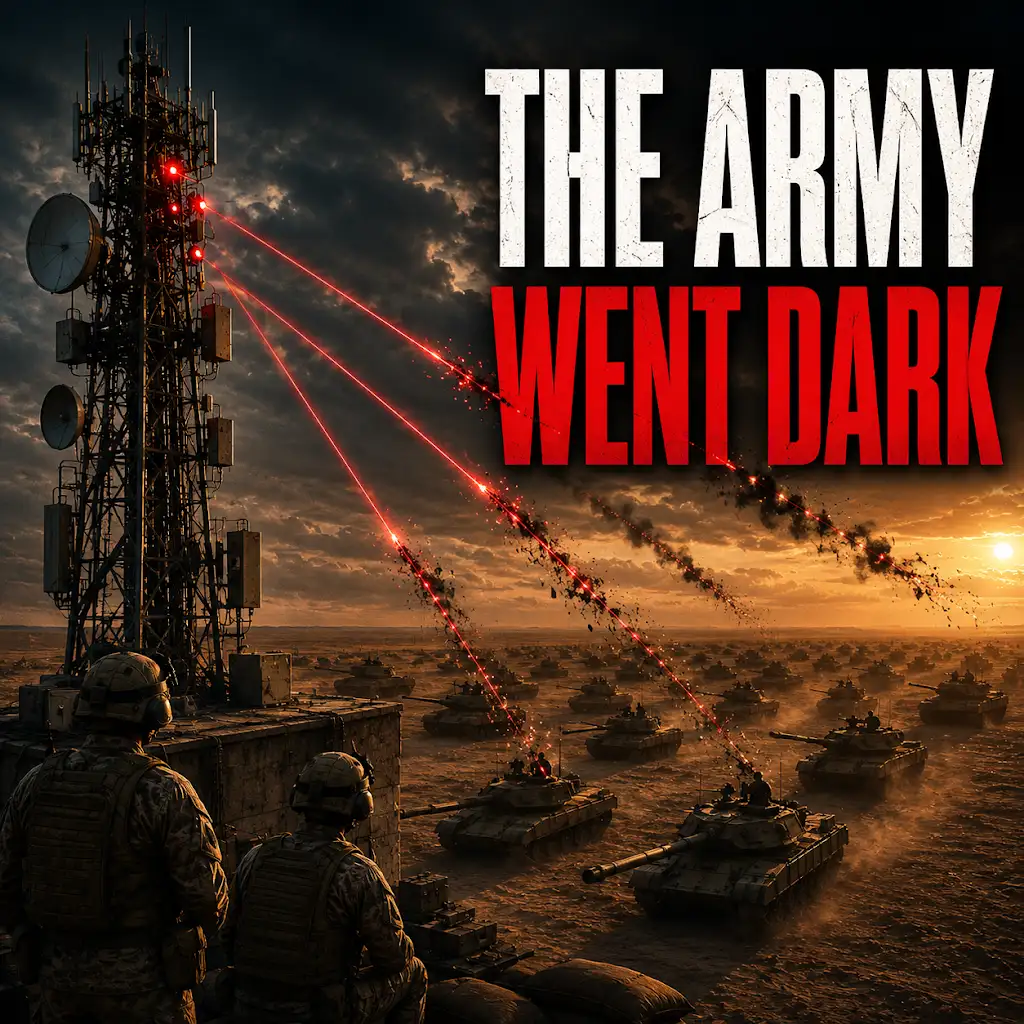
The Invisible Attack That Crippled Iraq’s Army | Desert Storm Documentary
FAQs
1. Why were Iraqi tanks unable to coordinate effectively?
Iraqi tanks were unable to coordinate effectively due to a lack of modern communication and command systems. This hindered their ability to communicate and synchronize their movements on the battlefield.
2. What impact did this lack of coordination have on Iraqi military operations?
The lack of coordination among Iraqi tanks led to disorganized and disjointed military operations. This made it difficult for them to effectively engage enemy forces and respond to changing battlefield conditions.
3. Were there any other factors that contributed to the inability of Iraqi tanks to coordinate?
In addition to communication and command system limitations, Iraqi tanks also faced challenges related to outdated equipment, inadequate training, and poor leadership, all of which further hindered their ability to coordinate effectively.
4. How did the lack of coordination affect the overall effectiveness of the Iraqi military during conflicts?
The lack of coordination among Iraqi tanks and the broader military had a significant impact on their overall effectiveness during conflicts. It made them more vulnerable to enemy attacks and less capable of executing strategic maneuvers.
5. What steps could have been taken to improve coordination among Iraqi tanks?
To improve coordination among Iraqi tanks, modernizing communication and command systems, providing better training for tank crews, and implementing more effective leadership and organizational structures could have been beneficial.