Finland’s security landscape has undergone a dramatic and rapid transformation in recent years, driven by evolving geopolitical realities and a renewed focus on its own defensive posture. For decades, Finland maintained a careful policy of neutrality, a legacy of its Cold War past and its unique relationship with its powerful neighbor, Russia. However, the full-scale invasion of Ukraine in February 2022 shattered this equilibrium, prompting a fundamental reassessment of Finland’s security strategy. The most significant manifestation of this shift has been Finland’s decision to join the North Atlantic Treaty Organization (NATO), a move that has fundamentally altered its relationship with Russia and brought its own security concerns into sharper relief, particularly in relation to the strategically vital Kola Peninsula.
The Legacy of the Winter War and Continuation War
Finland’s post-World War II security policy was profoundly shaped by its experiences in the Winter War (1939-1940) and the Continuation War (1941-1944) against the Soviet Union. These conflicts, while demonstrating Finnish resilience and determination, also highlighted the immense military and demographic asymmetry between Finland and its much larger neighbor. The outcome of these wars, and the subsequent peace treaties, left Finland with a deep understanding of the need to avoid direct confrontation with the Soviet Union.
The Finno-Soviet Treaty of Friendship, Cooperation, and Mutual Assistance (1948)
The 1948 treaty, often referred to as the “Pact of Friendship,” was a cornerstone of Finland’s post-war foreign policy. While ostensibly framed as a mutual defense agreement, its practical effect was to obligate Finland to defend its territory against attacks on the Soviet Union through Finnish territory. This effectively enshrined a form of neutrality that was heavily influenced by Soviet geopolitical interests. Finland was free to maintain its own political and economic system, but its foreign and security policy was carefully calibrated to avoid provoking Moscow.
The “Finlandization” Phenomenon
The term “Finlandization” emerged to describe this unique political and diplomatic posture. It implied a degree of deference to Soviet interests, a careful avoidance of actions that could be perceived as hostile by Moscow, and a pragmatic approach to foreign policy that prioritized national survival and sovereignty within the constraints of its geopolitical reality. While it allowed Finland to maintain its independence and develop a prosperous society, it also placed inherent limitations on its strategic autonomy.
Shifting Perceptions and the Post-Cold War Era
The collapse of the Soviet Union in 1991 offered Finland an opportunity to redefine its security. However, the ingrained habits of decades and the proximity of a still-significant Russia meant that a complete break from the established policy was not immediate. Finland embraced closer ties with the European Union, becoming a member in 1995, and participated in various international peacekeeping operations. Nevertheless, the underlying strategic calculus remained one of maintaining a delicate balance.
Gradual Integration into European Security Structures
Finland, while not a member of NATO, progressively deepened its engagement with the Alliance. This included participation in NATO’s Partnership for Peace program, joint military exercises, and contributing to NATO-led operations. This engagement served to enhance Finland’s military capabilities, foster interoperability with NATO forces, and signal a growing alignment with Western security norms without formally joining the Alliance.
The ongoing discussions surrounding Finland’s NATO membership have significant implications for security in the Kola Peninsula, a strategically vital region for both Russia and NATO. As Finland strengthens its ties with the alliance, the dynamics of military presence and defense strategies in the Arctic are evolving. For a deeper understanding of these developments and their potential impact on regional security, you can read a related article at this link.
The Catalyst for Change: Russia’s Aggression in Ukraine
The 2014 Annexation of Crimea and the War in Donbas
The initial stages of Russian aggression against Ukraine in 2014, with the annexation of Crimea and the instigation of conflict in the Donbas region, served as a significant warning sign for Finland. While not directly threatening Finnish territory, these events demonstrated a clear willingness on the part of the Russian leadership to use military force to achieve its geopolitical objectives and to disregard international law and established norms. This fueled a growing sense of unease within Finland.
Intensified Military Activity along the Border
Following the 2014 events, Finland observed a significant increase in Russian military activity in its vicinity, including on the Kola Peninsula. This included more frequent and larger-scale military exercises, increased air and naval patrols, and the modernization of Russian military infrastructure. This heightened activity contributed to a perception of increased risk.
The Full-Scale Invasion of Ukraine in 2022
The unprovoked and full-scale invasion of Ukraine by Russia in February 2022 was the watershed moment that irrevocably altered Finland’s security calculus. The scale and brutality of the invasion, the blatant disregard for Ukrainian sovereignty, and the clear threat posed to European security sent shockwaves through Finnish society and its political leadership. The invasion shattered any remaining illusions about the predictability of Russian foreign policy and the effectiveness of its existing security arrangements.
The Erosion of Trust in International Security Guarantees
Finland, like many other European nations, had come to rely on a system of international law and established security arrangements to maintain peace. The Russian invasion exposed the fragility of these guarantees and the inadequacy of existing security architecture to deter such blatant aggression. This led to a fundamental re-evaluation of what was necessary to ensure Finland’s own security and survival.
The Decision to Join NATO: A Strategic Imperative

Overcoming Decades of Neutrality
The decision to abandon Finland’s long-held policy of military non-alignment was not taken lightly. It represented a profound societal and political consensus that had been building for years, but was ultimately catalyzed by the events in Ukraine. The Finnish parliament, the Eduskunta, overwhelmingly supported the application for NATO membership.
Public Opinion Shifts Dramatically
Historically, public support for NATO membership in Finland had been lukewarm at best, often hovering around 20-30%. However, following the invasion of Ukraine, public opinion shifted dramatically. Polls consistently showed a significant majority of Finns in favor of joining the Alliance, reflecting a deep-seated concern for national security and a desire for collective defense.
The Guarantee of Collective Defense
The core attraction of NATO membership for Finland lies in the principle of collective defense enshrined in Article 5 of the North Atlantic Treaty. This commitment means that an attack against one member is considered an attack against all, triggering a coordinated response from the entire Alliance. For Finland, this represented a significant upgrade in its security guarantees, moving from relying solely on its own defense capabilities and the hope of deterrence to the concrete promise of mutual support from some of the world’s most powerful militaries.
Enhanced Deterrence Capabilities
By becoming a NATO member, Finland instantly integrated into a larger and more potent military alliance. This enhances its deterrence posture against any potential aggressor. The presence of NATO forces, combined with the prospect of a unified response, significantly raises the cost and risk for any nation contemplating aggression against Finland.
Strategic Alignment with European Security Architecture
Finland’s NATO membership also signifies a definitive strategic alignment with the broader European security architecture. It reinforces its commitment to democratic values and its integration into the Western security community, moving away from the ambiguous position of military non-alignment.
The Strategic Significance of the Kola Peninsula

Russia’s Northern Military Stronghold
The Kola Peninsula, situated in northwestern Russia and bordering Norway and Finland, is a region of immense strategic importance for Russia. It serves as a crucial hub for Russia’s Northern Fleet, one of its four major fleets, and hosts a significant concentration of its strategic nuclear forces, including ballistic missile submarines.
The Barents Sea as a Geopolitical Chessboard
The Barents Sea, bordering the Kola Peninsula, is a vital maritime area for Russia, providing access to the Arctic Ocean and serving as a transit route for its naval assets. Its strategic significance is amplified by the presence of valuable natural resources and its role in global shipping routes, particularly as climate change opens up new Arctic passages.
Military Infrastructure and Capabilities
The Kola Peninsula is home to several major military bases, including the naval base at Severomorsk, the headquarters of the Northern Fleet. These facilities are equipped with advanced military hardware, including nuclear-powered submarines, surface warships, and a substantial air force presence. The region also plays a critical role in Russia’s early warning and air defense systems.
The Arctic as a Contested Domain
As the Arctic becomes increasingly accessible due to melting ice, its strategic importance is growing. Russia has been actively militarizing its Arctic territories, including the Kola Peninsula, to assert its sovereignty and protect its interests. This includes building new military bases, deploying advanced weaponry, and conducting extensive military exercises in the region.
Finland’s Direct Proximity and Vulnerabilities
Finland shares a substantial land border with Russia, and a significant portion of this border is in close proximity to the Kola Peninsula. This geographical reality means that any significant escalation of military activity or conflict in the Kola region has direct implications for Finnish security.
The Potential for Escalation and Spillover Effects
A crisis or conflict in the Kola Peninsula could easily spill over into Finnish territory, either through direct military action, accidental escalation, or the displacement of populations. Finland’s former neutral status meant it had limited formal security guarantees in such scenarios.
The Importance of Border Security and Surveillance
With its NATO membership, Finland’s border security and surveillance capabilities are now integrated into a broader Alliance framework. This means enhanced intelligence sharing and coordinated responses with NATO allies, particularly regarding activities in the Kola region.
The ongoing discussions surrounding Finland’s NATO membership have significant implications for security in the Kola Peninsula, an area of strategic importance in the Arctic region. As Finland strengthens its ties with NATO, the balance of power in northern Europe is shifting, raising concerns about military posturing and potential conflicts. For a deeper understanding of these dynamics, you can read more in the article on In The War Room, which explores the geopolitical ramifications of Finland’s NATO accession and its impact on regional security.
Finland’s Enhanced Security Posture within NATO
| Category | Data/Metric |
|---|---|
| Defense Spending | Finland’s defense spending as a percentage of GDP |
| Military Personnel | Number of active military personnel in Finland |
| Strategic Assets | Number of strategic assets deployed in the Kola Peninsula region |
| Alliance Participation | Level of participation in NATO security initiatives related to the Kola Peninsula |
Strengthening its Own Defense Capabilities
Even with the security blanket of NATO, Finland has not neglected its own robust defense capabilities. The Finnish Defence Forces are renowned for their professionalism, high level of training, and comprehensive territorial defense strategy. Finland maintains a well-equipped and trained reserve force, a cornerstone of its defense.
Maintaining a Credible National Defense
Finland’s commitment to maintaining a credible national defense is crucial. It ensures that Finland can contribute meaningfully to NATO’s collective defense and that it can effectively defend its own territory in the initial stages of any conflict, buying time for NATO reinforcements.
Interoperability and Joint Exercises with NATO Allies
A key aspect of Finland’s NATO membership is the enhanced interoperability with other Alliance members. This is achieved through regular joint military exercises, training programs, and the standardization of equipment and procedures.
Enhancing Readiness and Response Times
These exercises are vital for honing the ability of Finnish forces to operate seamlessly with their NATO counterparts, improving readiness and response times in the event of a crisis. The lessons learned from these collaborations are invaluable for strengthening overall Alliance capabilities.
The Role of Article 5 in Deterrence
The accession of Finland, and its significant military capabilities, strengthens NATO’s deterrence posture in the Baltic Sea region and along its northeastern flank. This is particularly relevant in the context of the Kola Peninsula, where increased Russian military activity has been observed.
A More United and Resilient Alliance
Finland’s membership adds a strategic depth and a seasoned military force to NATO, making the Alliance more united and resilient. This enhanced collective strength is a deterrent in itself, signaling to any potential adversary that aggression would be met with a formidable and unified response.
The Future of Security in the Nordic Region
Finland’s membership in NATO, alongside Sweden’s accession, has fundamentally reshaped the security landscape of the Nordic region. The entire region now stands united under the NATO umbrella, creating a more cohesive and robust defense posture. This new configuration has direct implications for the strategic balance in the Arctic and the Baltic Sea, and importantly, for the security considerations surrounding Russia’s heavily militarized Kola Peninsula. The era of military non-alignment is definitively over for Finland, replaced by a clear and strategic commitment to collective security within the world’s most powerful military alliance.
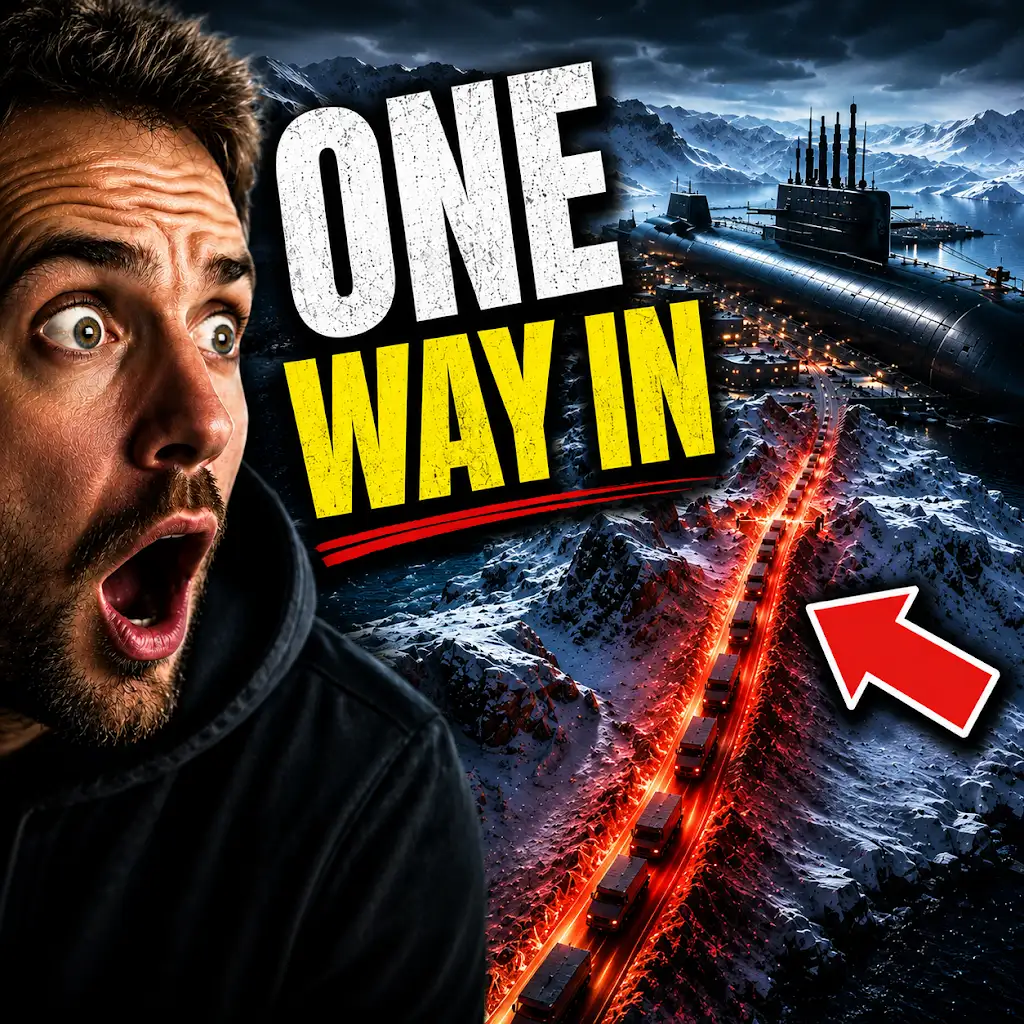
Russia’s Nuclear Submarines Depend on This Arctic Lifeline
FAQs
What is the Kola Peninsula and why is it important for security?
The Kola Peninsula is a region in northwest Russia that is home to the Russian Northern Fleet and several military bases. It is strategically important for security due to its proximity to NATO member states and its role in Russia’s military capabilities.
What is Finland’s relationship with NATO?
Finland is not a member of NATO, but it has a partnership with the alliance through the Partnership for Peace program. Finland has also signed a host nation support agreement with NATO, allowing for cooperation in areas such as training and exercises.
How does Finland’s proximity to the Kola Peninsula impact its security?
Finland shares a border with Russia, and the Kola Peninsula is located just across the border. This proximity means that developments in the region, such as military activities or infrastructure build-up, can have direct implications for Finland’s security.
What are the security concerns related to the Kola Peninsula for Finland and NATO?
Security concerns related to the Kola Peninsula include Russia’s military build-up, modernization of its forces, and potential for increased military activities in the region. These developments have the potential to affect the security situation in the Baltic Sea region and beyond.
What measures are being taken to address security challenges related to the Kola Peninsula?
NATO and its member states, including Finland, are closely monitoring developments in the Kola Peninsula and the broader Baltic Sea region. This includes conducting joint exercises, enhancing situational awareness, and maintaining a dialogue with Russia to promote transparency and reduce the risk of miscalculation.