Birth of a Silent Hunter: Genesis of the Echo II Class
The Echo II class submarines, designated Project 651 by the Soviet Union, represented a significant leap forward in their naval capabilities during the Cold War. Designed in the late 1950s and entering service in the early 1960s, these vessels were conceived as potent offensive platforms, intended to counter the burgeoning threat of NATO carrier strike groups and to project Soviet power across the globe. The Echo II class was not a singular design but rather an evolution of earlier submarine concepts, drawing lessons from their predecessors while incorporating new technologies and strategic imperatives. The primary driver behind their development was the Soviet Union’s desire for a submarine force that could not only defend its own coastlines but also pose a credible threat to the vital sea lanes and naval assets of the West. This ambition led to the creation of a submarine that was larger, more heavily armed, and more capable than anything the Soviets had previously fielded in its class. The development process was characterized by intense research and engineering, aiming to balance speed, stealth, armament, and endurance.
The Strategic Imperative
The geopolitical landscape of the Cold War demanded a robust and adaptable naval deterrent. The United States Navy, with its globally deployed carrier battle groups, represented a significant challenge to Soviet strategic objectives. These carrier groups were mobile power projection platforms, capable of delivering nuclear and conventional strikes far from U.S. shores. The Echo II class was specifically designed to neutralize this threat. Their primary mission was to hunt and sink these aircraft carriers, a task for which they were equipped with a formidable arsenal of anti-ship cruise missiles. Beyond this direct counter-carrier role, the Echo IIs were also envisioned for reconnaissance missions, intelligence gathering, and the interdiction of Western shipping. The ability to operate at considerable distances from Soviet bases and to maintain a sustained presence in strategically important waters was a key design consideration. The vastness of the world’s oceans offered both a sanctuary and a hunting ground for these silent predators, and the Echo II class was built to exploit this duality.
Design Philosophy and Evolution
The Echo II class, officially known as the Project 651 K-22, was a progression from the earlier Echo I class (Project 644). While the Echo I was primarily a torpedo-armed submarine with missile capability, the Echo II was conceived as a dedicated missile submarine. This shift in emphasis reflected a changing understanding of naval warfare and the increasing importance of guided missile technology. The design incorporated a double hull, a common feature in Soviet submarines of this era, which provided structural integrity and allowed for ballast tanks to be located between the hulls, contributing to better maneuverability and buoyancy control. The streamlined hull shape was optimized for speed, a critical factor for launching missiles effectively and for evading enemy anti-submarine warfare (ASW) efforts. The integration of sophisticated sonar and fire control systems was paramount, enabling the submarines to detect, track, and engage targets with a high degree of accuracy. The overall design was a testament to Soviet engineering prowess, pushing the boundaries of submarine technology to meet the demands of a high-stakes global confrontation.
The Echo II class submarine K-22, known for its significant role during the Cold War, is a fascinating subject of naval history. For those interested in learning more about the strategic implications and technological advancements of submarines from that era, you can read a related article that delves deeper into the capabilities and missions of these vessels. Check it out here: In The War Room.
K-22: A Titan of the Deep
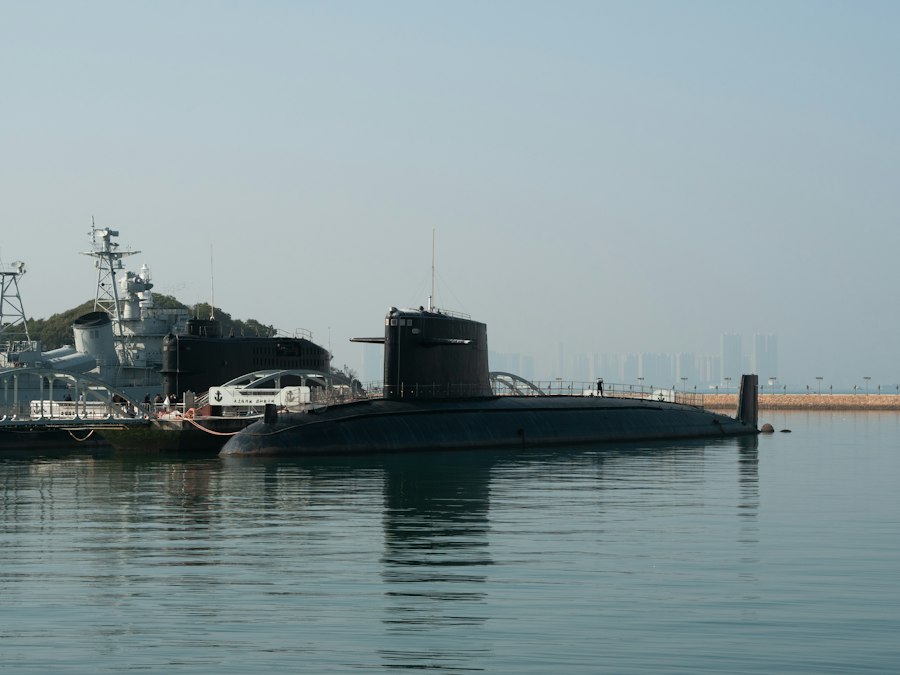
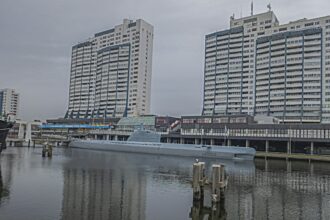
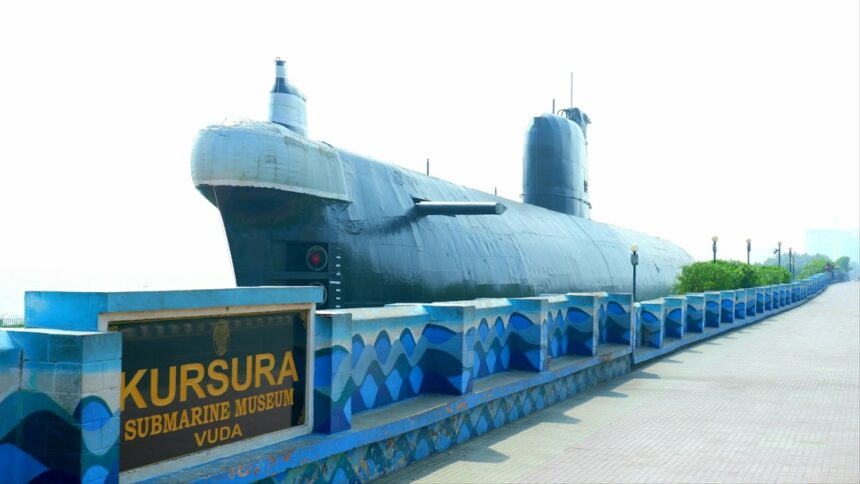
The K-22, a specific vessel within the Echo II class, embodied the formidable capabilities of its design. Commissioned into service in the early 1960s, it represented the cutting edge of Soviet underwater technology. Its imposing size and advanced weaponry made it a significant asset to the Soviet Northern Fleet, capable of projecting power and deterring potential aggressors. The K-22’s operational history was marked by periods of both intense training and strategic patrols, serving as a constant reminder of the Soviet Union’s naval might. Its existence was a carefully guarded secret for much of its service life, adding to its mystique and the psychological impact it held for its adversaries. The very presence of such a vessel, patrolling silently in the deep ocean, was a strategic statement in itself.
Armament: The Missile Strike
The defining characteristic of the Echo II class, and by extension the K-22, was its potent missile armament. These submarines were designed to carry a significant payload of anti-ship cruise missiles, specifically the P-6 (SS-N-3b ‘Shaddock’) and later the P-5 (SS-N-3a ‘Shaddock’). These missiles, housed in prominent launchers on the sail, were capable of striking targets at considerable ranges, making them a serious threat to heavily protected naval formations. The K-22 typically carried eight of these large missiles, providing it with a significant offensive punch. The launch sequence was a complex operation, requiring the submarine to surface or operate at periscope depth to achieve a clear firing solution. The missiles themselves were semi-ballistic, capable of complex flight profiles and equipped with guidance systems that allowed them to home in on their targets. The psychological impact of these missiles, capable of delivering a devastating blow from the sea, was immense.
The P-6 ‘Shaddock’
The P-6 missile was a cornerstone of the Echo II’s offensive capability. With a range of several hundred kilometers, it was designed to engage large surface targets such as aircraft carriers and other capital ships. Its guidance system, often relying on radar homing or inertial navigation, allowed for a degree of accuracy that made it a credible threat. The sheer size of the P-6, coupled with its powerful warhead, meant that a successful hit could be catastrophic for any naval vessel. The development and deployment of such missiles underscored the Soviet Union’s commitment to developing asymmetric warfare capabilities, seeking to counter the technological superiority of NATO navies through sheer firepower and strategic positioning.
Propulsion and Performance
The K-22, like its sister ships, was powered by a combination of diesel-electric and nuclear propulsion systems. This hybrid approach offered the best of both worlds: the quiet, long-endurance capability of nuclear power for extended patrols and high-speed transits, and the traditional diesel-electric system for quieter, shallower operations and when recharging batteries. The specific propulsion details would vary slightly between individual vessels and over their service lives, but the core design aimed for a balance of speed and stealth. The submarine’s hull was designed to be relatively hydrodynamic, contributing to its underwater speed. While not as stealthy as later generations of submarines, the Echo II class was a significant improvement over earlier Soviet designs in this regard, aiming to reduce its acoustic signature to a manageable level for its intended operational profile.
Nuclear Heartbeat
The nuclear reactor provided the K-22 with virtually unlimited endurance submerged, a critical advantage for long-range patrols and sustained operations far from Soviet bases. This allowed the submarine to remain at sea for months at a time, a stark contrast to the limited submerged endurance of diesel-electric submarines. The reactor core required regular refueling and maintenance, but once operational, it provided a constant source of power for propulsion, weapons systems, and life support. The strategic implications of this extended endurance were profound, enabling the K-22 to operate in regions previously inaccessible to Soviet submarines and to exert a continuous pressure on NATO naval forces.
Diesel-Electric Vigilance
In addition to its nuclear power plant, the K-22 also possessed diesel engines. These were crucial for charging the submarine’s batteries when surfaced or at periscope depth, and for providing propulsion in shallow waters or when a lower acoustic signature was paramount. The diesel engines were generally less efficient and required air, thus necessitating operations closer to the surface. However, their inclusion provided a redundancy and flexibility that was invaluable. The ability to switch between nuclear and diesel power allowed the crew to optimize performance based on the tactical situation, whether it was high-speed transit using nuclear power or a silent, low-signature approach using diesel-electric propulsion.
Operational Life: A Silent Watch in the Cold War Seas
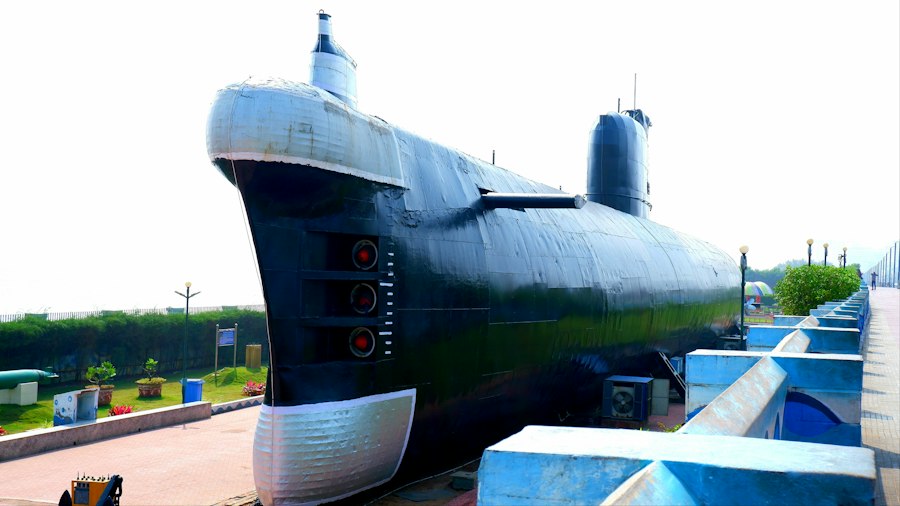
The K-22, as a representative of the Echo II class, spent its operational life engaged in a variety of critical missions during the height of the Cold War. Its patrols were often conducted in challenging and strategically sensitive areas, where the risk of detection and confrontation was ever-present. The submarine’s crews were highly trained, operating in a high-pressure environment where vigilance and adherence to protocol were paramount for survival and mission success. The K-22’s deployments were a tangible manifestation of Soviet naval strategy, a constant deterrent and a potential offensive threat lurking beneath the waves. Its operational tempo reflected the broader tensions and strategic maneuvering that characterized the global standoff between the superpowers.
Patrols in Contested Waters
The K-22’s operational areas were diverse and often fraught with danger. It routinely patrolled the North Atlantic, a crucial artery for NATO reinforcements and supplies, as well as the Norwegian Sea, which served as a strategic chokepoint. Missions could involve shadowing NATO carrier groups, conducting intelligence gathering, and asserting Soviet presence in international waters. These patrols were characterized by meticulous planning, silent running, and a constant awareness of potential threats from NATO ASW forces. The submarine’s advanced sonar systems were its eyes and ears, working tirelessly to detect the faintest sounds of enemy vessels.
Intelligence Gathering and Reconnaissance
Beyond its direct offensive role, the K-22 was also tasked with vital intelligence-gathering and reconnaissance missions. This involved covertly observing NATO naval exercises, monitoring shipping traffic, and potentially deploying or retrieving intelligence assets. The submarine’s ability to operate undetected for extended periods made it an ideal platform for such operations. The information gathered by the K-22 and its sister ships was invaluable to Soviet military planners, providing critical insights into NATO’s capabilities and intentions. This silent surveillance contributed significantly to the ongoing strategic chess match of the Cold War.
The Shadow of Confrontation
While the K-22 was designed for offense, its operational life was also defined by the constant threat of detection and potential engagement. Its patrols often brought it into close proximity with NATO submarines and surface vessels, creating tense cat-and-mouse scenarios. The crews were trained to evade detection, utilizing the submarine’s acoustic quieting features and maneuvering capabilities to their fullest extent. The prospect of a direct confrontation, though not the primary mission, was always a real possibility, and the crews were prepared for such an eventuality. The success of a patrol was often measured not only by the intelligence gathered or threats deterred but also by the submarine’s ability to return to port undetected.
Engineering Marvels and Operational Challenges
The Echo II class, and the K-22 within it, represented a significant engineering undertaking. However, like all complex military hardware, these submarines were not without their challenges. The demanding operational environment, combined with the intricacies of their advanced systems, placed a heavy burden on both the vessels and their crews. Maintenance was a constant concern, and the Soviet Union’s industrial capacity and logistical support played a crucial role in keeping these submarines operational. The constant evolution of ASW technology also presented a perpetual challenge, requiring continuous upgrades and adaptations to maintain the submarines’ effectiveness.
Crew Training and Psychological Strain
Operating a submarine like the K-22 was an arduous task that demanded exceptional skill, discipline, and psychological resilience from its crew. Submarine life is inherently claustrophobic and demanding, with long periods of isolation, limited personal space, and the constant pressure of operating in a potentially hostile environment. The crews underwent rigorous training to master the complex systems of the submarine, from navigation and weapon systems to life support and emergency procedures. The psychological strain of prolonged patrols, the ever-present danger, and the isolation from loved ones were significant factors that crews had to contend with. The camaraderie and professionalism of the crew were essential for maintaining morale and ensuring operational readiness.
Maintenance and Modernization
The K-22, like any complex piece of machinery operating in harsh conditions, required extensive maintenance to remain in service. This involved regular dry-docking for hull inspections, system checks, and repairs. The nuclear propulsion systems, in particular, demanded specialized expertise and rigorous safety protocols. Over the course of their service lives, many Echo II class submarines underwent modernization programs to incorporate new technologies, improve their stealth capabilities, and update their weapon systems. These upgrades were crucial to keeping pace with the rapidly evolving naval arms race and to ensure the submarines remained a credible threat. The Soviet Union’s ability to sustain these maintenance and modernization efforts was a testament to its industrial and technological might.
Upgrades and Refits
Throughout their service, the Echo II class submarines, including the K-22, likely underwent various refits and upgrades. These could have included improvements to sonar systems, fire control, electronic warfare capabilities, and potentially even modifications to the missile launch systems or the missiles themselves. The Soviet navy was constantly seeking to enhance the performance and survivability of its fleet, and submarines were a prime area for such investment. These upgrades were often a response to advancements made by their NATO counterparts or to address operational lessons learned during patrols. The continued operation of these submarines for decades suggests a commitment to their maintenance and the ongoing process of modernization.
The Echo II class submarine K-22, known for its significant role during the Cold War, has been the subject of various analyses and discussions regarding its design and capabilities. For those interested in exploring more about the strategic implications of such submarines, you can read a related article that delves into the operational history and technological advancements of the Echo II class. This provides a comprehensive understanding of how submarines like K-22 shaped naval warfare. To learn more, check out this insightful piece here.
Legacy and Demise: The Echoes Fade
| Metric | Details |
|---|---|
| Class | Echo II class submarine |
| Hull Number | K-22 |
| Type | Nuclear-powered cruise missile submarine |
| Displacement | 5,000 tons surfaced, 6,000 tons submerged |
| Length | 110 meters (approx.) |
| Beam | 9.2 meters (approx.) |
| Draft | 6.5 meters (approx.) |
| Propulsion | 2 × pressurized water reactors, 2 × steam turbines |
| Speed | 25 knots submerged |
| Test Depth | 300 meters (approx.) |
| Armament | 8 × P-6 (SS-N-3 Shaddock) cruise missiles, torpedo tubes |
| Crew | 90 personnel (approx.) |
| Commissioned | 1967 (approx.) |
The era of the Echo II class submarines, and thus the K-22, eventually drew to a close as the geopolitical landscape shifted and new generations of submarine technology emerged. The collapse of the Soviet Union marked a turning point for its navy, leading to significant downsizing and the decommissioning of many older vessels. The K-22, having served its purpose throughout the Cold War, eventually met its end, a fate shared by most of its contemporaries. However, the legacy of these formidable underwater powerhouses continues to endure, representing a pivotal chapter in naval history and a stark reminder of the technological and strategic arms race that defined the Cold War. Their operational achievements and the engineering ingenuity they represented left an indelible mark on the history of submarine warfare.
The Twilight of an Era
As the Cold War began to thaw and the Soviet Union underwent significant political and economic transformation, the fate of its vast naval fleet, including the Echo II class submarines, became uncertain. The strategic priorities shifted, and the enormous cost of maintaining such a large and complex submarine force became increasingly unsustainable. The decommissioning process began for many of these vessels, marking the end of their operational lives. The K-22, like many of its sister ships, was eventually retired from active service, its silent patrols replaced by the echoes of its past. The changing global order rendered the specific strategic role for which the Echo II class was designed less critical, paving the way for their eventual withdrawal.
Scrapping and Disposal
The ultimate fate of most Echo II class submarines, including the K-22, was often scrapping. This process, while necessary for disposing of obsolete naval vessels, also represented the physical end of these once-mighty machines. Some may have been subjected to specialized dismantling processes, particularly those with nuclear reactors, to ensure the safe disposal of radioactive materials. The dismantling of these submarines was a somber but inevitable conclusion to their long and often secretive service lives. While their hulls were broken down, the operational history and the stories of the crews who served aboard them remained, forming a crucial part of naval history.
Enduring Significance
Despite their eventual decommissioning and dismantling, the Echo II class submarines, exemplified by the K-22, left an enduring legacy. They represented a significant advancement in Soviet submarine design and a potent threat during the Cold War. Their success in developing and deploying effective anti-ship cruise missile submarines demonstrated a strategic vision and technological capability that challenged NATO naval dominance. The operational experience gained from these vessels contributed to the evolution of submarine warfare doctrines and technologies. The story of the Echo II class, and the K-22, serves as a reminder of the constant technological innovation and strategic competition that characterized the Cold War and continues to shape global maritime security today. They were silent sentinels of a dangerous era, their existence a testament to the undercurrents of conflict that persisted beneath the surface of global politics.
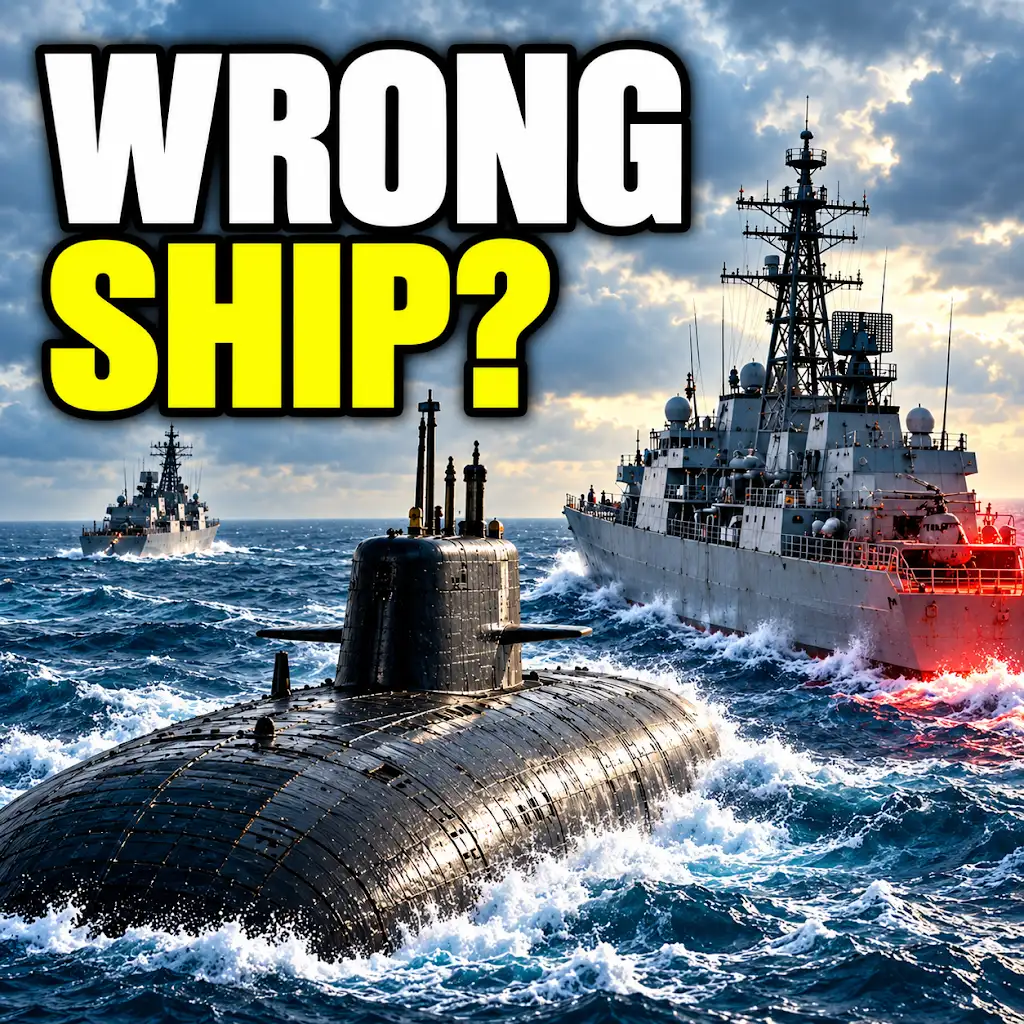
A Soviet Submarine Hit a U.S. Frigate. Was It the Wrong Ship?
FAQs
What is the Echo II class submarine K-22?
The Echo II class submarine K-22 is a Soviet nuclear-powered submarine that was in service with the Soviet Navy during the Cold War era.
When was the Echo II class submarine K-22 commissioned?
The Echo II class submarine K-22 was commissioned in 1970 and served with the Soviet Navy until it was decommissioned in 1991.
What was the primary role of the Echo II class submarine K-22?
The primary role of the Echo II class submarine K-22 was to conduct strategic nuclear deterrence missions as part of the Soviet Navy’s submarine fleet.
How many crew members could the Echo II class submarine K-22 accommodate?
The Echo II class submarine K-22 could accommodate a crew of approximately 75-80 sailors during its operational service with the Soviet Navy.
What were some of the key features of the Echo II class submarine K-22?
The Echo II class submarine K-22 was equipped with six torpedo tubes, carried nuclear-tipped torpedoes, and had a top speed of around 16 knots while submerged.