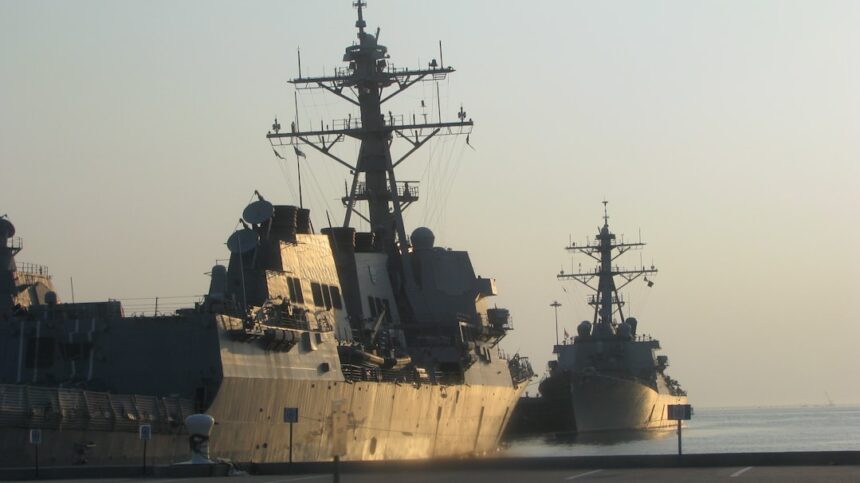
The vast expanse of Southeast Asian waters, a critical artery for global trade and a complex geopolitical mosaic, faces persistent security challenges. From piracy and smuggling to the transit of illicit goods and the protection of vital offshore infrastructure, the demands on maritime security are multifaceted. While national navies and coast guards bear the primary responsibility, the evolving threat landscape and the limitations of state resources have increasingly led to the engagement of private military contractors (PMCs) in these strategically important maritime domains.
The geographical position of Southeast Asia, straddling major international shipping lanes like the Strait of Malacca, makes it a focal point for maritime activity. This concentration, however, also presents opportunities for criminal and potentially hostile actors. The nature of threats has evolved beyond traditional piracy, encompassing sophisticated smuggling operations, illegal fishing fleets often operating with state complicity, and the potential for state-sponsored interference in critical maritime infrastructure such as oil and gas platforms. The vastness of territorial waters and exclusive economic zones (EEZs) further complicates enforcement efforts for many regional states, which often possess limited maritime assets and personnel.
The Persistent Threat of Piracy and Armed Robbery
Despite notable efforts and some reductions in reported incidents, piracy and armed robbery at sea remain a persistent concern in certain Southeast Asian waters, particularly around straits and archipelagic chokepoints. While the scale of attacks may have diminished from the peaks witnessed in the earlier part of the century, the threat of opportunism and the potential for more violent encounters continue to necessitate robust security measures. These incidents can disrupt shipping, endanger seafarers, and inflict significant economic losses.
Historical Context of Piracy in the Region
The history of piracy in Southeast Asia is long and varied, dating back centuries. From ethnic Malay raiders to more organized criminal syndicates in more recent times, the motivations and methods have adapted to changing geopolitical realities and technological advancements. Understanding this historical context is crucial for appreciating the persistent nature of the problem and the ongoing need for effective countermeasures.
Current Trends and Hotspots
While major concerted efforts have historically focused on areas like the Sulu Sea and parts of the South China Sea, the fluidity of criminal operations means that hotspots can shift. Reports from maritime security agencies consistently identify particular straits and coastal areas as having a higher propensity for incidents. These trends are influenced by factors such as lax enforcement, prevailing economic conditions, and the presence of organized criminal networks.
Smuggling and Illicit Trafficking Operations
Beyond piracy, Southeast Asian waters serve as a conduit for a wide range of illicit goods. This includes narcotics, weapons, counterfeit goods, and even human trafficking. The archipelagic nature of many states, with thousands of islands, provides numerous opportunities for clandestine transshipment and the evasion of authorities. The sheer volume of legitimate maritime traffic also provides cover for these illicit activities, making interdiction a significant challenge.
Narcotics Smuggling Routes
Southeast Asia is a significant transit zone for narcotics, with drug production occurring in some neighboring regions and demand existing in both regional and international markets. Maritime routes are often preferred for their perceived anonymity and the ability to move large quantities of contraband. Interdicting these operations requires intelligence-gathering capabilities and the deployment of patrol assets capable of sustained surveillance and interception.
Illegal Arms and Weapons Trafficking
The presence of non-state armed groups and ongoing internal conflicts in certain parts of Southeast Asia fuels a demand for illegal arms. Maritime routes offer a means to circumvent international arms embargoes and national controls, posing a direct threat to regional stability. Monitoring and disrupting these flows are critical for preventing the escalation of violence and maintaining peace.
Human Trafficking and Irregular Migration
The exploitation of vulnerable individuals through human trafficking is a grim reality in Southeast Asia. Maritime routes are frequently used to move victims, often under perilous conditions. Similarly, irregular migration, driven by conflict, economic hardship, or persecution, sees individuals undertaking dangerous sea journeys, sometimes falling prey to traffickers. Maritime patrols play a role in both interdiction and search and rescue operations.
In recent years, the role of private military contractors in maritime security has become increasingly significant in Southeast Asia, particularly due to the rising threats of piracy and territorial disputes in the region. A related article that delves into this topic can be found at In The War Room, where experts analyze the implications of employing private security firms to safeguard shipping routes and ensure the safety of maritime operations amidst geopolitical tensions. This exploration highlights both the benefits and challenges associated with the growing reliance on private military contractors in this critical area.
The Role of Private Military Contractors (PMCs)
In response to these multifaceted maritime security challenges, governments and private entities in Southeast Asia have increasingly turned to PMCs. These organizations offer specialized expertise, capabilities, and personnel that may supplement or augment the efforts of national security forces. Their deployment can be driven by a variety of factors, including cost-effectiveness, access to niche technologies, and the ability to provide rapid deployment in response to escalating threats.
Types of PMC Services in Maritime Operations
PMCs operating in Southeast Asian waters offer a spectrum of services. These can range from the provision of armed security personnel on merchant vessels to more comprehensive maritime surveillance, interdiction, and security advisory roles for port facilities and offshore installations. The specific nature of the services often depends on the client’s needs and the perceived threat profile.
Armed Maritime Security Personnel
One of the most common roles for PMCs is providing armed security teams to protect merchant shipping. These teams, typically comprising former military or law enforcement personnel, are trained to deter piracy attempts, defend against armed attacks, and respond effectively in the event of an incident. Their presence can deter potential attackers and provide an immediate response capability.
Maritime Surveillance and Intelligence Gathering
Some PMCs are equipped with advanced surveillance technologies, including drones, advanced radar systems, and intelligence analysis capabilities. They can be contracted to conduct persistent monitoring of specific maritime areas, identify suspicious activity, and provide actionable intelligence to national authorities or private consortia. This can include tracking vessels involved in illegal activities or monitoring known smuggling routes.
Offshore Infrastructure Protection
The growing exploitation of offshore oil and gas fields in Southeast Asia presents a significant security challenge. These installations are vulnerable to attack by pirates, terrorists, or state-sponsored actors. PMCs can be employed to provide a layer of security, including vessel escort, perimeter patrols, and emergency response capabilities, safeguarding these critical economic assets.
Training and Capacity Building
Beyond direct operational support, some PMCs also offer training and capacity-building services to national navies and coast guards. This can involve imparting specialized skills in areas such as counter-piracy tactics, maritime interdiction operations, or the effective use of surveillance technology. This approach aims to enhance the indigenous capabilities of regional states.
Legal and Regulatory Frameworks Governing PMC Operations
The engagement of PMCs is often a complex legal and regulatory undertaking. While international law provides some overarching principles, the specific authorization, oversight, and accountability of PMCs can vary significantly between states. This creates a patchwork of legal frameworks that are still evolving in many parts of Southeast Asia.
National Legislation and Policies
Individual Southeast Asian nations may have their own laws and regulations governing the activities of private security companies. These can include licensing requirements, rules on the use of force, and restrictions on the types of services that can be offered. The effectiveness of these frameworks can vary widely, with some states having more robust oversight than others.
International Law and Treaties
While there is no single overarching international treaty specifically governing the operations of PMCs, their activities can be subject to broader principles of international law, including humanitarian law and human rights law. Treaties related to maritime security, such as those against piracy, may also indirectly influence their deployment and scope of operations.
Challenges in Oversight and Accountability
A recurring challenge in the deployment of PMCs, both in maritime and land-based contexts, is ensuring adequate oversight and accountability. This involves establishing clear lines of command, ensuring adherence to rules of engagement, and having mechanisms in place to investigate and address any alleged misconduct. The transnational nature of many PMC operations can further complicate these efforts.
Benefits and Drawbacks of PMC Engagement
The decision to engage PMCs in maritime security operations in Southeast Asia is seldom straightforward. It involves weighing potential advantages against significant drawbacks and risks. A balanced assessment is crucial for informed decision-making by regional governments and international organizations.
Perceived Advantages of PMC Deployment
Proponents of PMC engagement often highlight several potential benefits. The ability to rapidly deploy skilled personnel and specialized equipment can fill immediate security gaps. Furthermore, PMCs can be seen as a cost-effective solution compared to expanding standing national security forces, particularly for specialized needs. The perception of neutrality, especially when operating in disputed waters, can also be a factor, though this is often a complex proposition in practice.
Rapid Deployment and Specialization
When a specific maritime security threat emerges, or when existing national capabilities are stretched thin, PMCs can often be deployed more quickly than building up indigenous forces. Their personnel are typically drawn from experienced military or law enforcement backgrounds, bringing with them a high degree of specialized training and operational experience relevant to maritime security.
Potential Cost-Effectiveness
For certain specialized tasks, such as providing armed escort for individual vessels or maintaining a small, dedicated security detachment for an offshore platform, engaging a PMC can be more cost-effective than the long-term commitment of recruiting, training, and equipping a comparable national force. This is particularly true when the need for such services is intermittent or geographically concentrated.
Augmenting Limited National Resources
Many Southeast Asian nations face constraints in terms of budget, personnel, and naval assets. PMCs can serve as a valuable force multiplier, augmenting the capabilities of national navies and coast guards without requiring a significant increase in their own permanent establishments. This allows national forces to focus their resources on other critical tasks.
Potential Drawbacks and Risks Associated with PMCs
Despite the perceived advantages, the use of PMCs in maritime security also presents significant drawbacks and inherent risks. These include concerns about accountability, potential for mission creep, and the impact on national sovereignty and the development of local maritime security capacity.
Accountability and Oversight Challenges
One of the most significant concerns surrounding PMCs is the potential for a lack of clear accountability. Determining responsibility in cases of alleged misconduct, excessive force, or operational failures can be complex, especially when multiple jurisdictions and contractual relationships are involved. Establishing robust oversight mechanisms is critical to mitigating these risks.
Risk of Mission Creep and Escalation
There is a risk that the involvement of PMCs could expand beyond their initially defined mandates, leading to “mission creep.” This could involve PMCs engaging in activities that are beyond the scope of their contracts or that blur the lines between private security and state military action. Such escalation could have unintended consequences for regional stability.
Impact on National Sovereignty and Local Capacity
The reliance on foreign private actors for maritime security can raise questions about national sovereignty and the development of indigenous capabilities. If national forces become overly dependent on PMCs, it could hinder their own long-term growth and self-sufficiency in projecting maritime power and enforcing national laws. Furthermore, some argue that PMSC operations can divert resources and attention from building sustainable national maritime security structures.
Reputational Risks and Public Perception
Incidents involving PMCs can generate negative publicity and damage the reputation of both the contracting nation and the PMC itself. Public perception, particularly in regions sensitive to foreign interventions, can be a significant factor, and any perceived overreach or misuse of force can lead to broader diplomatic and political challenges.
Case Studies and Examples of PMC Operations in Southeast Asia
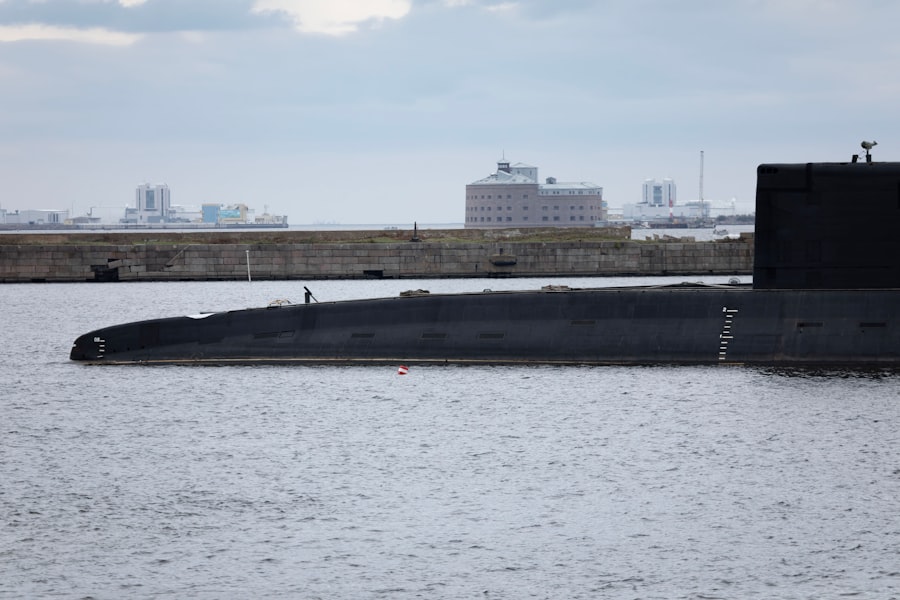
While specifics are often guarded due to commercial sensitivities and security considerations, several instances illustrate the engagement of PMCs in Southeast Asian maritime environments. These examples, while varied in scope and success, demonstrate the practical application of private military services in addressing regional security concerns.
Protection of Commercial Shipping Vessels
The most visible application of PMCs in Southeast Asia has been the provision of security teams on board commercial vessels transiting high-risk areas. Following the resurgence of piracy in the early 2000s, numerous shipping companies contracted armed guards from PMCs to deter attacks during voyages through areas like the Strait of Malacca and the Sulu Sea.
Armed Guards on Tankers and Cargo Ships
Companies operating oil tankers, container ships, and other cargo vessels have routinely employed armed guards to protect their crews and valuable cargo. These guards typically operate under strict protocols, focusing on deterrence and defensive actions, and are authorized to use force only in response to an active threat. The presence of these teams has been credited with a significant reduction in successful pirate attacks on contracted vessels.
Private Maritime Security Companies (PMSCs) as a Service Provider
The industry itself is often referred to as Private Maritime Security Companies (PMSCs). These companies specialize in risk assessment, threat mitigation, and the provision of trained personnel with maritime security expertise. They often undergo rigorous vetting processes and adhere to international maritime conventions and industry best practices.
Security for Offshore Energy Installations
The significant offshore energy sector in Southeast Asia, with its valuable platforms and infrastructure, has also become a target for maritime threats. PMCs are frequently contracted to provide security services for these installations, which are often located far from shore and present unique security challenges.
Escort and Patrol of Supply Vessels
Supply vessels that service offshore oil and gas platforms operate in potentially vulnerable waters. PMCs may be employed to provide armed escort for these vessels during their transit, ensuring the safe delivery of essential supplies and personnel. This reduces the risk of attacks that could disrupt operations.
On-Platform Security and Surveillance
Beyond escort duties, PMCs can also provide security directly on offshore platforms. This can include manning security checkpoints, conducting surveillance of the surrounding waters, and maintaining readiness for emergency response in the event of a direct attack or other security breaches. Their presence can deter small-scale attacks and provide an immediate defensive posture.
Joint Exercises and Training Initiatives
In some instances, PMCs have participated in exercises or provided training to national maritime forces. While less common and often discreet, these engagements aim to share best practices, introduce new technologies, and enhance the interoperability of different security actors in maritime environments.
Knowledge Transfer and Technological Exposition
Through such engagements, PMCs can offer insights into advanced surveillance techniques, risk management strategies, and the operational deployment of specialized maritime security equipment. This can facilitate the transfer of knowledge and expose national forces to technologies that may not be readily available through traditional procurement channels.
Enhancing Interoperability in Incident Response
For potential scenarios involving coordinated responses to maritime threats, exercises involving both national forces and PMCs can help identify communication protocols, command structures, and operational procedures that would be crucial in a real-world incident. This can improve the overall effectiveness of maritime security efforts.
Private military contractors have increasingly become a vital component of maritime security in Southeast Asia, addressing the rising threats of piracy and maritime terrorism in the region. A recent article explores the complexities and implications of this trend, shedding light on how these contractors operate and the legal frameworks that govern their activities. For more insights on this topic, you can read the detailed analysis in this related article, which provides a comprehensive overview of the challenges and opportunities presented by private military involvement in maritime security.
Future Outlook and Considerations for Southeast Asia
| Company | Services Offered | Area of Operation | Number of Personnel |
|---|---|---|---|
| Blackwater Maritime Security | Maritime security, vessel protection | Southeast Asia | 100+ |
| Trident Group | Maritime security, risk assessment | Southeast Asia | 200+ |
| Blue Mountain Group | Maritime security, security training | Southeast Asia | 150+ |
The role of PMCs in securing Southeast Asian waters is likely to continue evolving. As regional states grapple with increasingly complex and dynamic maritime security threats, the debate over the appropriate use and oversight of private actors will persist. Several key considerations will shape this future trajectory.
The Need for Robust Regulation and Oversight
As the reliance on PMCs may continue, there is a pressing need for robust and harmonized regulatory frameworks across Southeast Asia. Clear guidelines on their authorization, operational scope, rules of engagement, and accountability mechanisms are essential to mitigate the inherent risks. This also includes ensuring that the engagement of PMCs does not undermine the development of strong national maritime security capabilities.
Harmonization of Regulations Across ASEAN Member States
Given the interconnected nature of maritime security in Southeast Asia, there is a case for greater harmonization of regulations concerning PMCs across ASEAN member states. This could involve developing common standards for licensing, vetting, and operational conduct, which would provide greater clarity and consistency for both service providers and contracting nations.
Mechanisms for Accountability and Redress
Establishing clear and effective mechanisms for accountability, including independent oversight bodies and readily accessible redress procedures for any alleged misconduct, is paramount. This will build trust and confidence in the legitimacy of PMC involvement and ensure that private actors operate within legal and ethical boundaries.
Balancing Private Sector Contributions with National Maritime Capacity Building
The ideal scenario for Southeast Asian maritime security likely involves a strategic balance between leveraging the specialized capabilities of PMCs and investing in the sustained development of national maritime forces. This means using PMCs to fill critical gaps or provide niche expertise without becoming dependent on them, while simultaneously strengthening indigenous maritime arsenals, training programs, and intelligence networks.
Prioritizing Long-Term National Self-Sufficiency
While PMCs can offer immediate solutions, the long-term goal for regional states should be to build and maintain their own robust national maritime security capacity. This includes investing in naval vessels, aircraft, training academies, and the skilled personnel required to independently protect their maritime interests and enforce their laws.
Strategic Partnerships and Knowledge Transfer
Where PMCs are engaged, efforts should be made to maximize knowledge transfer and capacity building between the private contractors and national forces. This can help ensure that the skills and experience gained through PMC operations are effectively integrated into the long-term development of national maritime security capabilities.
The Impact of Regional Geopolitics and Emerging Threats
The future use of PMCs will also be significantly influenced by the evolving geopolitical landscape in Southeast Asia and the emergence of new maritime threats. As territorial disputes, resource competition, and the potential for non-state actor involvement continue to shape the regional security environment, the demand for specialized maritime security solutions, including those offered by PMCs, may adapt accordingly.
Adapting to Evolving Threat Matrices
The nature of maritime threats is not static. PMCs may need to adapt their services and expertise to address emerging challenges, such as cyber threats to maritime infrastructure, the grey-zone tactics employed by state actors, or the increasing sophistication of transnational organized crime operating at sea.
The Role of PMCs in Addressing Non-Traditional Maritime Security Challenges
Beyond traditional piracy and smuggling, PMCs could potentially play a role in addressing non-traditional maritime security challenges. This might include environmental security operations, such as monitoring illegal waste dumping, or assisting in search and rescue operations in remote or hazardous maritime areas, provided such roles are clearly defined and within their operational parameters.
The engagement of private military contractors on maritime duty in Southeast Asia is a complex and evolving facet of regional security. While offering potential solutions to persistent challenges, their deployment necessitates careful consideration of regulatory frameworks, accountability mechanisms, and the long-term imperative of building robust national maritime capabilities. As the maritime landscape continues to shift, a pragmatic and strategic approach will be crucial to effectively securing these vital waters.
FAQs
What is a private military contractor (PMC) in the context of maritime security in Southeast Asia?
A private military contractor is a private company that provides military and security services to governments, corporations, and other organizations. In the context of maritime security in Southeast Asia, PMCs may be hired to protect ships, ports, and other maritime assets from piracy, terrorism, and other security threats.
What are the primary responsibilities of private military contractors in providing maritime security in Southeast Asia?
Private military contractors involved in maritime security in Southeast Asia are responsible for protecting vessels, crew, and cargo from piracy, armed robbery, and other security threats. They may also provide training and support to local security forces and help develop security protocols and procedures for maritime operations.
How do private military contractors operate in Southeast Asia’s maritime security industry?
Private military contractors in Southeast Asia’s maritime security industry typically operate under contracts with shipping companies, government agencies, or other organizations. They may deploy armed security teams on board vessels, conduct risk assessments, and provide security consultations and training.
What are the legal and regulatory considerations for private military contractors operating in Southeast Asia’s maritime security industry?
Private military contractors operating in Southeast Asia’s maritime security industry must comply with international and local laws and regulations. This may include obtaining proper licenses and permits, adhering to rules of engagement, and respecting the sovereignty of the countries in which they operate.
What are some of the challenges and controversies associated with private military contractors in Southeast Asia’s maritime security industry?
Challenges and controversies associated with private military contractors in Southeast Asia’s maritime security industry may include concerns about accountability, transparency, and the potential for escalation of violence. Additionally, there may be issues related to the use of force, human rights abuses, and the impact on local communities and economies.