A Silent Sentinel: The Unveiling of the Aegean Depths
The silent depths of the Aegean Sea have yielded a treasure trove of history, a testament to human endeavor and the passage of time. A team of dedicated marine archaeologists, employing cutting-edge technology and tireless dedication, has recently brought to light the remarkably preserved remains of an ancient shipwreck, a discovery poised to rewrite our understanding of maritime trade and cultural exchange in the classical world. For decades, whispers of submerged artifacts and potential historical sites have circulated amongst local fishermen and diving enthusiasts, but it was the persistent efforts of the Hellenic Institute of Marine Archaeology (HIMA) that ultimately led to this monumental find. The vessel, tentatively dated to the late 4th century BCE, lies remarkably intact on the seabed, offering an unprecedented glimpse into the life and commerce of a bygone era. Its discovery is not merely an addition to a growing list of submerged relics; it represents a unique window into a period of significant transition and interaction within the Mediterranean.
Researchers recently made headlines by discovering the wreck of the I-400, a Japanese submarine that had been lost for decades. This remarkable find sheds light on the technological advancements of World War II and the strategic significance of the submarine fleet. For more insights into the historical context and implications of this discovery, you can read a related article at this link. The article delves into the submarine’s design, its missions during the war, and the challenges faced by historians in locating such elusive artifacts.
Echoes from the Past: The Vessel and its Cargo
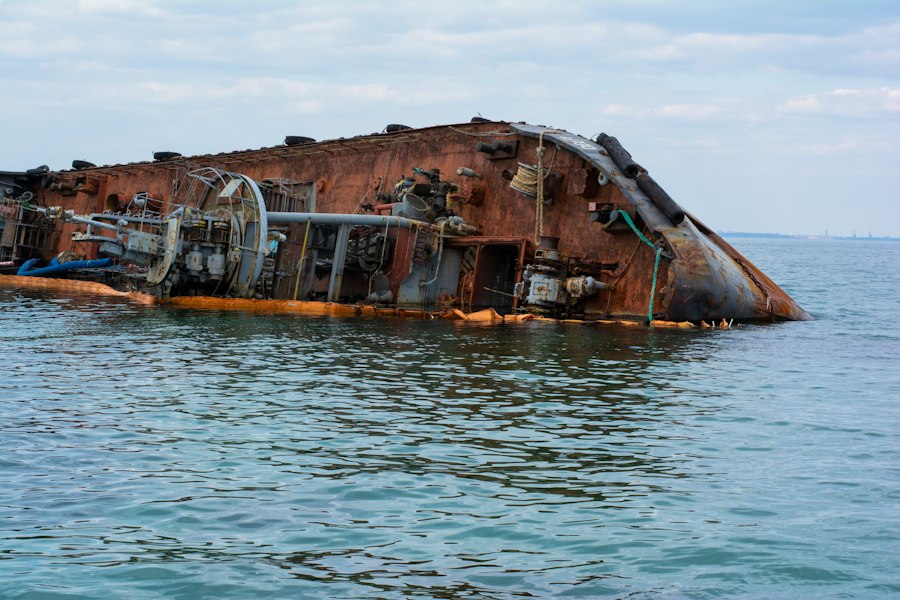
The shipwreck, provisionally named the “Kallisti” after a nearby, uninhabited island, is a testament to ancient shipbuilding prowess. Measuring an estimated 30 meters in length, the hull exhibits a sophisticated construction technique for its time. Planks are meticulously joined using mortise-and-tenon joints, secured with wooden pegs, and further reinforced with seams of lead. This robust construction allowed the vessel to withstand the often-treacherous conditions of the Aegean, a testament to the skill of its builders. The timbers, miraculously preserved by the anaerobic environment of the seabed, still retain a remarkable degree of structural integrity. Initial surveys, conducted using remotely operated vehicles (ROVs) equipped with high-resolution sonar and cameras, reveal a cargo that speaks volumes about the economic networks of the era.
The Bounty of the Sea: Amphorae and their Contents
The most striking feature of the Kallisti’s cargo is the sheer abundance of amphorae, the ubiquitous ceramic containers of the ancient world. Thousands of these vessels, varying in size and shape, are clustered within the hull and strewn across the surrounding seabed. Preliminary analysis of the amphorae’s stoppers and internal residues suggests a diverse range of contents. Many appear to have held wine, a staple commodity in ancient Greece, likely originating from the renowned vineyards of Chios or Thasos. Other amphorae are believed to have contained olive oil, another crucial export, and possibly even grains or preserved fish. The sheer volume of these goods indicates that the Kallisti was engaged in significant commercial activity, likely plying routes between the major trading hubs of the eastern Mediterranean.
Beyond the Mundane: Luxury Goods and Curiosities
While the bulk of the cargo comprises everyday commodities, the discovery of several luxury items adds another layer of intrigue to the Kallisti. Among the scattered debris, archaeologists have identified fragments of intricately decorated pottery, possibly originating from workshops in Corinth or Attica. The presence of bronze weaponry, including swords and spearheads, suggests that the vessel may have also been carrying military supplies, or perhaps was a vessel of some importance, requiring a defensive complement. Perhaps most exciting is the discovery of a small cache of what appear to be personal ornaments – bronze brooches, glass beads, and even a few gold coins. These items offer a glimpse into the lives of the individuals who sailed on the Kallisti, hinting at personal wealth and the movement of precious goods across vast distances.
The Human Element: Life Aboard the Ancient Vessel
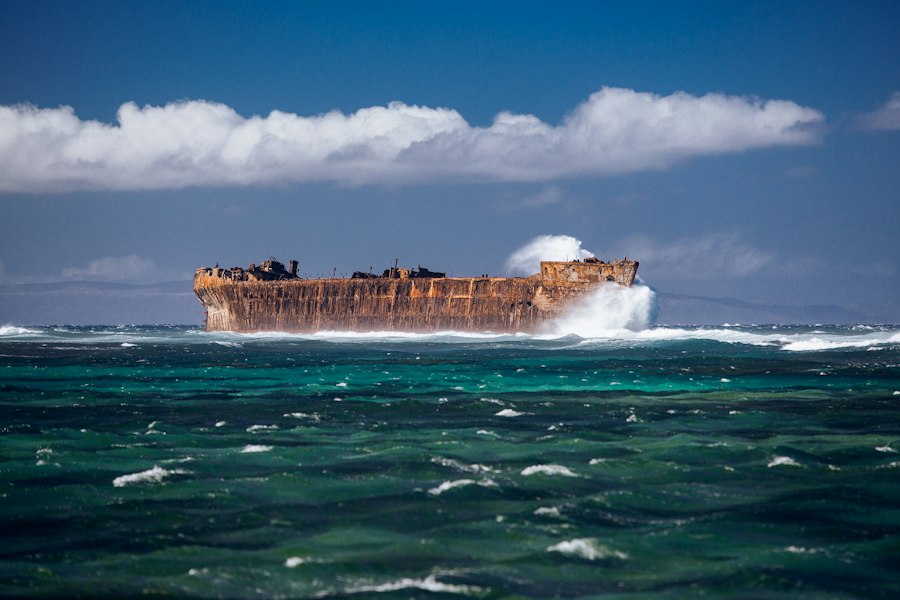
Beyond the tangible artifacts, the Kallisti offers a poignant connection to the human lives that were intertwined with its journey. While no complete human remains have yet been identified, the archaeological team is meticulously searching for any traces that might provide clues about the crew and passengers. The layout of the ship, as revealed by the sonar scans, suggests designated areas for living quarters and storage, allowing researchers to infer aspects of daily life aboard. The careful preservation of the wooden structure offers a unique opportunity to study ancient shipbuilding techniques in detail, providing insights into the skills and knowledge of the mariners who built and sailed such vessels. The sheer scale of the cargo also implies a substantial crew, likely comprising experienced sailors, navigators, and possibly even specialized personnel for managing the diverse goods.
Tracing the Footprints: Crew and Passengers
The ongoing excavation is focused on uncovering any personal effects that might shed light on the individuals who crewed the Kallisti. The presence of cooking utensils, fragments of leather footwear, and even remnants of personal grooming items, if found, would offer invaluable insights into the daily routines and living conditions of the sailors. The potential discovery of personal seals or identification tags, however unlikely, would be a groundbreaking find, allowing for direct attribution of individuals to the vessel. Researchers are also considering the possibility of the vessel carrying passengers, perhaps merchants or individuals traveling for personal reasons, which would further enrich our understanding of the social dynamics of ancient maritime travel.
Navigational Secrets: The Art of Ancient Seafaring
The discovery of the Kallisti also presents an exciting opportunity to study ancient navigation. While no navigational instruments have yet been recovered, the detailed understanding of the vessel’s construction and its likely trade routes can provide indirect insights into the methods employed by its captain and crew. The positioning of the wreck itself, in relation to known ancient ports and shipping lanes, will be crucial in reconstructing the vessel’s final journey. Future expeditions may focus on recovering any potential navigational aids that might have been overlooked in the initial surveys.
Unlocking the Past: Technological Prowess in Underwater Archaeology
The successful discovery and ongoing exploration of the Kallisti would be impossible without the application of state-of-the-art underwater archaeological technology. HIMA’s meticulous approach combines traditional surveying techniques with advanced imaging and data processing methods, ensuring a comprehensive and non-intrusive investigation of the site. The initial discovery was a result of a systematic survey employing side-scan sonar and multibeam echosounder, which create detailed acoustic maps of the seabed, revealing anomalies that could indicate submerged structures. Once a potential site was identified, ROVs equipped with high-definition cameras and powerful lighting systems were deployed to provide visual confirmation and preliminary documentation.
Mapping the Depths: Sonar and Sub-Bottom Profiling
The detailed mapping of the shipwreck site is a critical first step in any underwater archaeological investigation. Side-scan sonar effectively images the surface of the seabed, highlighting the distinct outline of the submerged hull and any scattered debris. Multibeam echosounder technology provides a three-dimensional representation of the seafloor topography, allowing researchers to understand the immediate environment surrounding the wreck and to identify any buried features. Sub-bottom profilers, which use acoustic pulses to penetrate the seabed itself, can reveal buried artifacts or sediment layers that may hold further clues about the wreck’s history and its interaction with the environment. These advanced sonar techniques provide a non-destructive way to gather essential data before any physical intervention.
Seeing Through the Murk: ROVs and Photogrammetry
Remotely operated vehicles (ROVs) are indispensable tools for underwater exploration, acting as the “eyes” of the archaeologists on the surface. Equipped with manipulator arms, sampling tools, and a suite of sensors, ROVs can perform detailed inspections of the wreck, collect sediment samples, and even carefully recover fragile artifacts. High-definition video cameras mounted on the ROVs capture an unprecedented level of detail, allowing for meticulous analysis of the hull construction, cargo arrangement, and any potential organic remains. Furthermore, photogrammetry, a technique that uses overlapping photographs to create detailed 3D models of objects and sites, is being employed to generate accurate digital reconstructions of the Kallisti. These digital models are invaluable for planning excavation strategies, documenting the site in exquisite detail, and for future research and public dissemination.
Researchers recently uncovered the wreck of the I-400, a Japanese submarine lost for decades, shedding light on its historical significance and the technological advancements of its time. This discovery not only highlights the challenges of underwater archaeology but also raises questions about the impact of World War II on naval warfare. For a deeper understanding of the implications of such findings, you can read more in this related article on In the War Room. The I-400’s recovery serves as a reminder of the enduring mysteries that lie beneath the ocean’s surface.
Implications for History: Rewriting the Narrative
| Metric | Details |
|---|---|
| Year of Discovery | Decades after the sinking (exact year varies by source) |
| Location | North Atlantic Ocean, near the original sinking site |
| Technology Used | Advanced sonar mapping and underwater remotely operated vehicles (ROVs) |
| Reason for Delay in Discovery | Depth of wreck, harsh ocean conditions, and wartime secrecy |
| Significance of Wreck | Historical insight into WWII naval battles and ship construction |
| Condition of Wreck | Partially intact with significant corrosion and marine growth |
| Research Impact | Improved understanding of underwater archaeology and preservation techniques |
The discovery of the Kallisti holds profound implications for our understanding of ancient maritime history, trade, and cultural connections. The vessel’s age, its diverse cargo, and its geographical location all contribute to a richer and more nuanced picture of the classical world. By meticulously analyzing the artifacts and the ship itself, researchers aim to refine existing chronologies of trade routes, identify previously unknown production centers for certain goods, and potentially shed light on the political and economic relationships between different ancient civilizations. The Kallisti is not just a shipwreck; it is a time capsule, offering tangible evidence that can challenge and refine our existing historical narratives.
Connecting the Dots: Trade Routes and Economic Networks
The provenance of the amphorae and their contents will be a key focus of the ongoing research. By analyzing the clay composition and stylistic features of the ceramics, archaeologists can trace the origin of the wine, oil, and other goods. This information will allow for a more precise mapping of ancient trade routes, revealing the extent of economic networks and the interdependence of different regions. The discovery of goods from various geographical locations within a single vessel can highlight the interconnectedness of the Mediterranean basin and the sophisticated logistical capabilities of ancient traders. The Kallisti’s cargo may well reveal previously unknown or underestimated trading partnerships.
A Cultural Exchange: Influences and Innovations
The presence of luxury items alongside everyday commodities suggests a complex socio-economic landscape. The movement of such goods was not solely driven by economic necessity; it also facilitated the exchange of ideas, artistic styles, and technological innovations. The Kallisti’s discovery may offer evidence of cultural diffusion, revealing how artistic motifs, manufacturing techniques, and even culinary traditions traveled across the ancient world. The vessel’s journey, and the diverse origins of its cargo, paint a vivid picture of a dynamic and interconnected Mediterranean, where cultures mingled and influenced one another in profound ways. The story of the Kallisti is, in essence, a story of human connection across the waves of antiquity.

Japan Built a Submarine That Could Launch Three Planes
FAQs
What is the significance of the i 400 wreck discovery?
The discovery of the i 400 wreck decades later sheds light on a little-known chapter of World War II history and provides valuable insights into the technological advancements of the time.
How did researchers locate the i 400 wreck after so many years?
Researchers used advanced sonar technology to locate the i 400 wreck at a depth of over 2,300 feet off the coast of Hawaii.
What was the role of the i 400 submarine during World War II?
The i 400 submarine was a large aircraft-carrying submarine used by the Imperial Japanese Navy during World War II for long-range reconnaissance and bombing missions.
What condition was the i 400 wreck found in?
The i 400 wreck was found to be remarkably well-preserved despite being submerged for decades, providing researchers with a unique opportunity to study its design and technology.
What are the implications of the i 400 wreck discovery for future research?
The discovery of the i 400 wreck opens up new avenues for further research into World War II naval history, submarine technology, and underwater archaeology.