The D-Day landings, codenamed Operation Overlord, represent one of the most pivotal moments in the Second World War. Yet, the success of this monumental amphibious assault on the beaches of Normandy was not solely a testament to military might and strategic planning. It was also a masterclass in deception, a carefully orchestrated symphony of misinformation designed to mislead the German high command about the true location and timing of the Allied invasion. This intricate web of deception, known as Operation Bodyguard, was a complex, multi-layered undertaking that played a crucial role in ensuring the element of surprise and minimizing casualties. Without its success, the cost of liberating Western Europe could have been immeasurably higher.
The Genesis of Deception: Why the Allies Needed to Fool Hitler
The invasion of Normandy, while ultimately successful, was fraught with peril. The Allied forces faced a formidable German defense network, the Atlantic Wall, and the potential for devastating counterattacks if their invasion plans were discovered. Adolf Hitler, despite his often erratic leadership, possessed a keen intuition and a deep-seated paranoia about Allied intentions. He anticipated a cross-channel invasion and had numerous divisions stationed along the French coast. The sheer scale of the undertaking meant that secrecy was paramount, but achieving absolute secrecy against a vigilant enemy was an almost insurmountable task. The need to divert German attention and resources away from the real invasion site, and to delay their response once the landings began, was a critical strategic objective. Operation Bodyguard was born from this necessity, aiming to create a comprehensive illusion that would leave the German military guessing. Its primary goals were to:
Masking the True Target: Normandy as the Decoy
The core of Operation Bodyguard was to convince the Germans that the main Allied invasion would occur elsewhere, or at multiple other locations. Normandy, though strategically advantageous, was not the only possible landing zone. The Pas-de-Calais, being the narrowest point of the English Channel, was a logical and anticipated target by many. The Allies expertly exploited this expectation.
Operation Fortitude North: The Scottish Specter
One of the most significant deceptions was Operation Fortitude North, designed to convince the Germans that a major invasion force was amassing in Scotland, preparing to attack Norway or the northern coast of Germany. This involved creating a phantom army group, the First Allied Army, under the command of a highly visible and respected figure, General George S. Patton. Dummy landing craft were positioned in Scottish ports, and radio traffic was generated to suggest troop movements and preparations for a northern invasion. This created a persistent threat that the Germans felt compelled to monitor and counter.
Operation Fortitude South: The Ghost Army of Dover
While Fortitude North aimed at a northern diversion, Fortitude South focused on the most obvious and anticipated invasion point: the Pas-de-Calais. This operation was arguably the most elaborate and impactful. It involved the creation of another fictitious army group, the First U.S. Army Group (FUSAG), again commanded by General Patton. The sheer visibility of Patton was a key element of this deception; his reputation as a fearsome offensive general made him a believable leader of a massive invasion force. FUSAG was depicted as being positioned in southeastern England, opposite the Pas-de-Calais. This involved:
The Mirage of Tanks and Aircraft
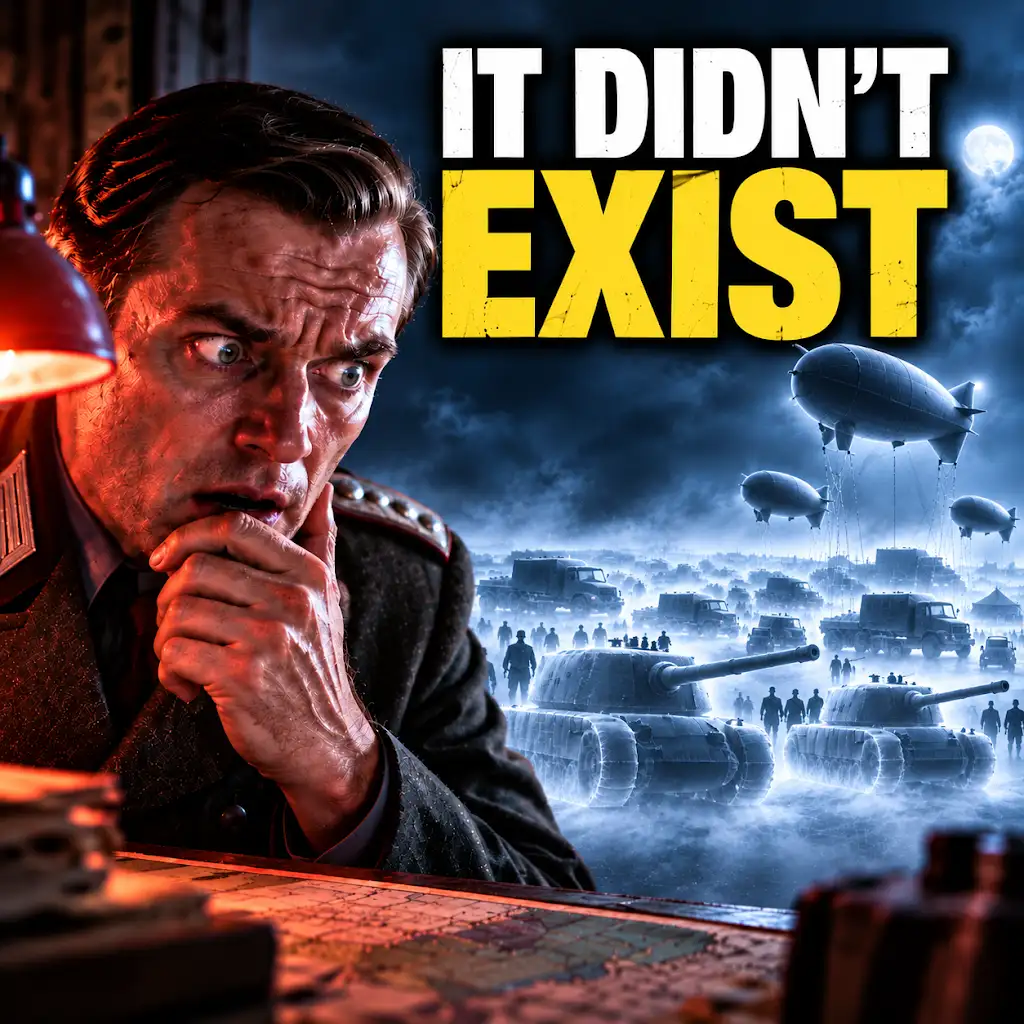
The Allies deployed an astonishing array of inflatable tanks, trucks, and artillery pieces, meticulously placed in fields and around staging areas in southeastern England. These dummy formations were illuminated at night to simulate active encampments. They also broadcast fake radio signals simulating troop movements, battle preparations, and communications between high-ranking officers. The Luftwaffe, with its aerial reconnaissance capabilities, was deliberately fed misleading information, making these ghost armies appear substantial and active. This created the illusion of a massive Allied force poised to cross the shortest stretch of the Channel.
The Art of the Double Agent
The effective use of double agents, also known as double-cross agents, was a cornerstone of Operation Bodyguard. These were individuals who were working for the Germans but were actually controlled by the British intelligence services. Their primary role was to feed the German Abwehr (military intelligence) deliberately false information. They reported on the activities of FUSAG, confirming the staged preparations and reinforcing the notion that the Pas-de-Calais was the primary invasion target. The British Double-Cross System was remarkably successful in maintaining control over these agents, ensuring that the information they provided to the Germans was precisely what the Allies wanted them to believe.
D-Day deception operations, known as Operation Fortitude, played a crucial role in the success of the Allied invasion of Normandy by misleading the German forces about the actual landing site. For a deeper understanding of these intricate strategies and their impact on the outcome of World War II, you can explore a related article that delves into the various tactics employed during this pivotal moment in history. To read more, visit this article.
The Shadow of Subterfuge: Misinformation and the German Response

The success of Operation Bodyguard hinged on its ability to sow confusion and doubt within the German command structure. The meticulous planning and execution of deceptive tactics aimed to create a plausible alternative narrative, one that would draw German reserves and attention away from Normandy and delay their ability to react effectively to the real invasion. The Germans, burdened by Hitler’s often contradictory orders and a pervasive atmosphere of suspicion, were susceptible to this carefully crafted illusion.
The Role of Ultra and Enigma
While deception was vital, the Allies also possessed a significant intelligence advantage through the cracking of German Enigma codes, known as Ultra intelligence. This allowed them to monitor German communications and understand the impact of their deception efforts. They could see what information the Germans were receiving and how it was influencing their troop dispositions and strategic decisions. This intelligence feedback loop was crucial in refining and adapting the deception tactics. For instance, if German reconnaissance revealed the presence of dummy tanks in one area, the Allies could adjust the placement and density of their decoys.
Feeding the Beast: False Intelligence Streams
The Allies deliberately created multiple streams of false intelligence. This included:
Phantom Radio Communications
The creation of an extensive network of fake radio traffic was a primary tool. These transmissions mimicked the chatter of a large army, with coded messages, simulated troop movements, and operational planning. The radio frequencies and call signs used were designed to be plausible for the period and the units supposedly involved. This constant hum of fictional activity helped to create a sense of a vast and active military force.
Manufactured Troop Movements
Beyond inflatable equipment, the Allies also used logistical deception. They moved real equipment and personnel between staging areas in England, creating the impression of constant mobilization and redeployment towards the Pas-de-Calais. This involved significant coordination to ensure that any German aerial or naval reconnaissance in specific areas would witness signs of activity consistent with an imminent invasion.
Diplomatic and Political Maneuvering
Deception extended beyond military tactics. Allied diplomats and politicians subtly engaged in conversations and actions that hinted at a broader strategic picture that included Norway and other potential invasion sites. This contributed to the overall confusion and made it harder for the Germans to pinpoint a single, definitive invasion objective.
The German Dilemma: Too Many Threats, Too Little Focus
The German military leadership was faced with a perplexing situation. They had indications of a major invasion, but the intelligence pointed to multiple potential landing zones. The threat from Scotland (Fortitude North) and the more immediate threat across the Strait of Dover (Fortitude South) divided their attention and their forces.
The Panzer Divisions’ Predicament
Crucially, a significant number of German armored divisions, the vital counterattack force, were held in reserve behind the Atlantic Wall. This was partly due to Hitler’s own indecision and his belief that the Pas-de-Calais was the primary target, necessitating reserves to defend that area. The deception efforts successfully convinced many within the German high command that the Normandy invasion was a feint, a diversion from the main assault that was yet to come. This delay in committing their most potent offensive forces to Normandy proved to be a critical miscalculation.
The “Phoney War” on the French Coast
The initial days and weeks after D-Day saw the Germans hesitating to commit their reserves to Normandy. They were still looking for the “real” invasion. This period of uncertainty, often referred to as the “Phoney War” on the French coast, provided the Allies with invaluable time to establish a foothold, reinforce their positions, and begin their push inland. The deception had worked by creating a temporal advantage, buying the Allies crucial breathing room.
The Deception’s Impact: From Normandy to Victory
The success of Operation Bodyguard cannot be overstated. It was not merely a clever ruse; it was a strategic imperative that directly contributed to the Allied victory. By diverting German attention, delaying their response, and sowing confusion, the deception campaign significantly reduced the initial resistance faced by the Allied troops on D-Day and in the crucial early days of the Normandy campaign.
Lowering the Cost of Invasion
The element of surprise, achieved through deception, meant that the initial landings at Normandy were met with less concentrated opposition than would otherwise have been the case. While the fighting was still fierce and casualties were high, the absence of immediate, overwhelming counterattacks by German armored divisions undoubtedly saved countless Allied lives. The Germans were caught off guard, their defensive posture compromised by their misdirected focus.
The Battle of Normandy’s Momentum
Once the Allies had established their beachhead, the delay in German reinforcements allowed them to consolidate their gains and begin to expand their area of control. This momentum was critical in the subsequent Battle of Normandy. The ability to bring in more troops and supplies, and to launch offensive operations without the constant threat of immediate, large-scale German counterthrusts, was a direct consequence of the successful deception.
The D-Day deception operations, known as Operation Fortitude, played a crucial role in the success of the Allied invasion of Normandy by misleading the German forces about the location and timing of the attack. For a deeper understanding of these intricate strategies and their impact on the war, you can explore a related article that delves into the various tactics employed during this pivotal moment in history. This insightful piece can be found at In The War Room, where you can discover more about the art of deception in military operations.
The Psychological Edge Gained
Beyond the material advantages, the deception campaign also provided a significant psychological edge to the Allies. It demonstrated their strategic acumen and their ability to outwit the enemy. For the German forces, the uncertainty and confusion created by the deception likely contributed to a decline in morale and a growing sense of being outmaneuvered.
The Lingering Doubt in German Command
Even after the Normandy landings, the German high command remained somewhat hesitant, clinging to the belief that a larger invasion was still to come. This lingering doubt, fueled by the elaborate deception, continued to impact their strategic decision-making, further hampering their ability to mount an effective defense against the expanding Allied presence in France. The ghosts of FUSAG and the phantom armies continued to haunt their strategic planning.
The Legacy of Operation Bodyguard: A Masterclass in Strategic Deception
Operation Bodyguard stands as one of the most sophisticated and successful deception campaigns in military history. It demonstrated the immense power of psychological warfare and the strategic advantage that can be gained by manipulating an opponent’s perceptions. The lessons learned from Operation Bodyguard continue to be studied and applied in modern military strategy and intelligence operations.
The Elements of Success: Secrecy, Plausibility, and Control
The success of Operation Bodyguard can be attributed to several key factors:
Meticulous Planning and Coordination
The operation involved an unprecedented level of coordination between various Allied intelligence agencies, military units, and diplomatic corps. Every aspect of the deception was meticulously planned and executed to ensure internal consistency and plausibility.
The Power of a Compelling Narrative
The Allies crafted a highly believable narrative about their invasion intentions. The use of a charismatic figure like General Patton, the staged troop movements, and the fake radio traffic all contributed to a convincing story that the Germans were eager to believe, especially given their own expectations.
Leveraging Enemy Expectations
The Allies understood that the Germans anticipated an invasion and had specific ideas about where it would occur. They skillfully exploited these pre-existing expectations, making their deception all the more effective. The Pas-de-Calais, being the obvious choice, became the perfect misdirection.
Enduring Influence on Modern Warfare
The principles employed in Operation Bodyguard – creating ghost armies, using decoys, generating false intelligence, and manipulating enemy perceptions – are still relevant today. Modern military forces continue to employ sophisticated deception tactics to gain tactical and strategic advantages. The concept of “information warfare” owes a significant debt to the early pioneers of deception planning, and Operation Bodyguard is a shining example of its efficacy. It serves as a reminder that in warfare, the mind can be as important a battlefield as any physical terrain. The story of D-Day deception is not just about the battles fought on the beaches, but about the silent wars waged in the minds of generals, shaping the course of history from the shadows.
How the Allies Built an Army for Germany to Discover
FAQs
What were the deception operations used during D-Day?
Deception operations during D-Day included creating fake military units, using dummy equipment and vehicles, spreading false information, and conducting mock military exercises to mislead the German forces.
Why were deception operations crucial during D-Day?
Deception operations were crucial during D-Day to confuse and mislead the German forces about the actual location and timing of the Allied invasion, ultimately helping to ensure the success of the Normandy landings.
How successful were the deception operations during D-Day?
The deception operations during D-Day were largely successful in diverting German attention away from the actual invasion beaches, leading them to believe that the main Allied attack would occur elsewhere.
Who was in charge of planning and executing the deception operations during D-Day?
The deception operations during D-Day were planned and executed by the Allied military intelligence agencies, including the British MI5, MI6, and the US Office of Strategic Services (OSS).
What impact did the deception operations have on the outcome of D-Day?
The deception operations played a significant role in the success of the D-Day landings by confusing the German High Command and delaying their response, allowing the Allied forces to establish a foothold in Normandy.