The Cold War, a period of geopolitical tension and ideological struggle, was a time of profound technological advancement and existential dread. While the world’s attention was often fixated on the visible arms race – the bombers, the missiles, the tanks – a silent, unseen conflict raged beneath the waves. Nuclear-powered submarines, vessels of unparalleled stealth and destructive potential, became the spearhead of this clandestine war. A compelling new documentary, “Silent Hunters: Cold War Submarine Warfare,” delves into this shadowy realm, offering a gripping examination of the technology, the strategy, and the human element of this critical chapter in naval history.
The Unseen Arena: The Strategic Importance of Submarines
The strategic significance of submarines during the Cold War cannot be overstated. These vessels represented a unique and terrifying deterrent, capable of projecting power across vast distances with a degree of invulnerability previously unimaginable. Their ability to remain submerged for extended periods, powered by nuclear reactors, meant they could evade conventional detection methods and strike with devastating accuracy. The doctrine of Mutually Assured Destruction (MAD) was, in large part, underpinned by the existence of these underwater deterrents.
Deterrence and the Nuclear Shadow
The primary role of submarines in the Cold War was deterrence. The deployment of ballistic missile submarines (SSBNs) equipped with nuclear warheads created a second-strike capability for both the United States and the Soviet Union. This meant that even if one side launched a preemptive nuclear strike, the other would still possess the means to retaliate, thus rendering such an attack suicidal. The silent patrols of these SSBNs, hidden in the depths of the oceans, were a constant, chilling reminder of the potential consequences of global conflict. The documentary expertly illustrates how the very presence of these unseen hunters forced strategic calculations to remain on a knife-edge, preventing escalation from tipping into full-blown nuclear war. It highlights the psychological warfare inherent in this technological standoff, where the unknown threat was often as potent as the known.
The Hunter and the Hunted: ASW Operations
The flip side of the deterrent role was the equally crucial mission of anti-submarine warfare (ASW). For every submarine lurking in the depths, there were fleets of ships, aircraft, and other submarines dedicated to finding and neutralizing them. This cat-and-mouse game, played out across vast ocean expanses, was a sophisticated ballet of technology and human ingenuity. ASW operations involved a complex array of sonar systems, magnetic anomaly detectors (MAD), and increasingly advanced aerial surveillance. The documentary paints a vivid picture of the dedication and skill required by ASW crews, who were constantly on the lookout for the tell-tale signs of an enemy submarine. The psychological toll on both sides of this eternal hunt is also explored, with crews living in perpetual states of high alert, facing the constant threat of an unseen enemy. The documentary emphasizes that while the offensive capabilities of submarines were terrifying, the defensive efforts were equally vital, representing a crucial element in maintaining the precarious balance of power.
For those interested in the intricate naval history of the Cold War, a fascinating article can be found at In The War Room, which delves into the strategic significance of submarines during this tense period. The article explores how these underwater vessels played a crucial role in deterrence strategies, intelligence gathering, and the overall balance of power between superpowers. By examining declassified documents and firsthand accounts, it provides a comprehensive overview of the submarine operations that shaped naval warfare and international relations during the Cold War era.
The Technological Arms Race Beneath the Waves
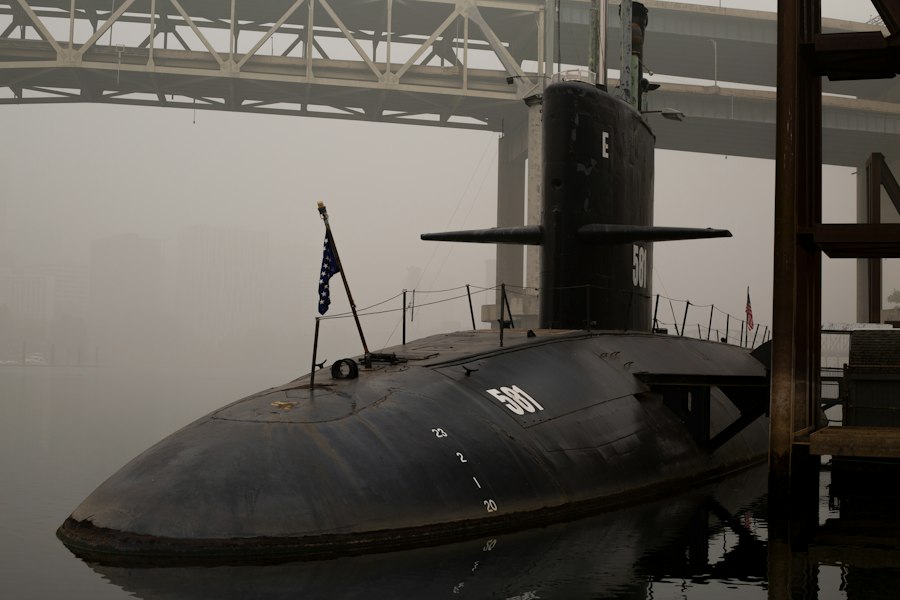
The Cold War witnessed an unprecedented surge in submarine technology. Driven by the need for greater stealth, speed, endurance, and firepower, naval powers poured vast resources into research and development. This technological race was not just about building bigger and better submarines; it was about fundamentally rethinking naval warfare and the very concept of maritime dominance.
The Dawn of Nuclear Power
The introduction of nuclear propulsion was a game-changer. Prior to nuclear power, submarines were limited by the need to surface periodically to recharge their batteries and ventilate their crews, making them vulnerable to detection. Nuclear reactors, however, allowed submarines to remain submerged for months at a time, providing virtually unlimited range and speed. This revolutionary advancement transformed submarines from submersible surface vessels into true underwater warships. The documentary details the initial skepticism and the eventual triumph of nuclear propulsion, showcasing the monumental engineering challenges overcome and the profound impact it had on naval strategy. It explores the development of the first nuclear-powered submarines, the USS Nautilus and the Soviet Union’s K-3, and how these early pioneers paved the way for the silent fleets that patrolled the oceans for decades.
Advancements in Sonar and Stealth
As submarines became more capable, so too did the methods of detecting them. The development of passive and active sonar systems reached new levels of sophistication. Passive sonar, which listens for the sounds emitted by submarines, became increasingly sensitive, while active sonar, which sends out sound pulses and listens for echoes, evolved to penetrate deeper and provide more detailed acoustic profiles. Simultaneously, submarine designers worked tirelessly to reduce the acoustic signature of their vessels. This involved the development of advanced hull coatings to absorb sonar signals, quieter propulsion systems, and improved hydrodynamic designs to minimize water noise. The documentary highlights the constant struggle to stay one step ahead in this technological arms race, where a breakthrough in detection could render a submarine fleet obsolete overnight, and a new stealth technology could grant a significant tactical advantage.
Life in the Depths: The Human Element of Submarine Warfare
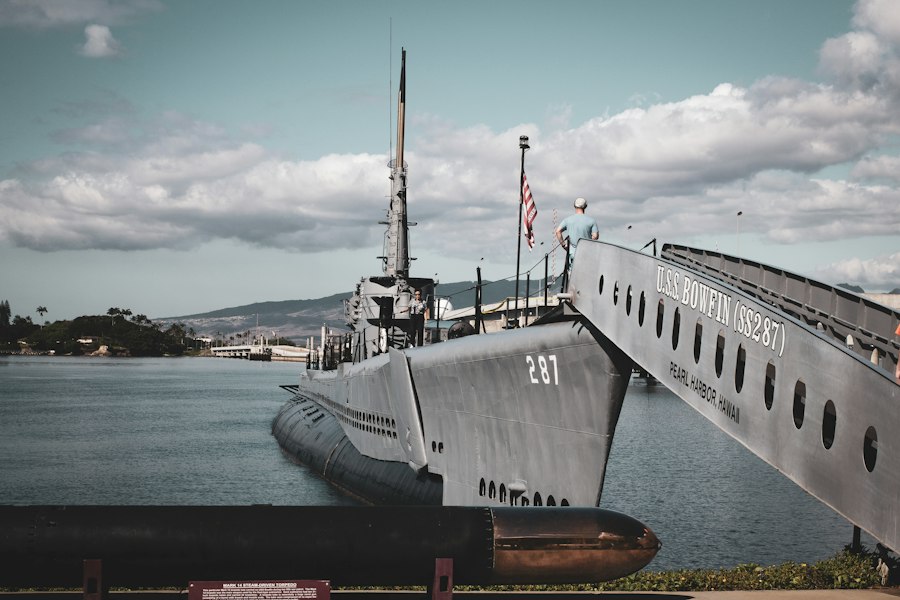
Beyond the cutting-edge technology and the high-stakes strategic games, the Cold War submarine service was a profoundly human endeavor. The cramped confines, the constant danger, and the isolation of long patrols forged a unique bond among the crews, while also presenting immense psychological challenges.
The Tight-Knit Crew: Camaraderie and Discipline
Life aboard a submarine is by definition a communal experience. Crews lived and worked in extremely close quarters, with little privacy. This necessitated a high degree of discipline, mutual respect, and an unbreakable sense of camaraderie. The documentary captures the essence of this close-knit community, featuring interviews with veteran submariners who recount tales of shared hardships, unwavering loyalty, and the profound friendships forged in the crucible of the deep. The shared experience of living in constant potential peril, far from home and family, created a powerful sense of brotherhood that transcended national boundaries. The documentary emphasizes that while the machines were vital, it was the human element – the courage, the resilience, and the sheer grit of the crews – that ultimately determined success or failure.
The Psychological Toll: Isolation and the Constant Threat
The psychological impact of prolonged submerged patrols and the ever-present threat of detection and attack were significant. Submariners lived under immense pressure, often for months on end, with limited communication with the outside world and the knowledge that a single misstep could have catastrophic consequences. The documentary explores the mental fortitude required to endure such conditions, including the challenges of isolation, the fear of the unknown, and the intense mental fatigue. It delves into the coping mechanisms employed by submariners, from rigorous training and a strong sense of duty to the importance of morale-boosting activities within the confines of the submarine. The narratives shared offer a poignant glimpse into the unseen battles fought by these sailors within themselves.
Notable Submarine Incidents and Their Lessons
The Cold War was punctuated by several high-profile submarine incidents, each offering valuable insights into the nature of underwater warfare and the delicate balance of superpower relations. These events, often shrouded in secrecy, serve as case studies of the risks and consequences associated with this silent conflict.
The USS Scorpion and the K-129: Mysteries of the Deep
The loss of the USS Scorpion in 1968 and the sinking of the Soviet submarine K-129 in the same year remain two of the most enduring mysteries of the Cold War. The exact causes of their destruction are still debated, fueling speculation and conspiracy theories. The documentary revisits these tragic events, presenting available evidence and expert analysis to shed light on potential scenarios, from accidental explosions to torpedo malfunctions. These incidents underscore the inherent dangers of submarine operations and the difficulty in definitively attributing blame when contact with a vessel is lost in the vastness of the ocean. The documentary highlights how these losses served as stark reminders of the immense risks undertaken by submariners and the urgent need for improved safety protocols and communication.
The Cuban Missile Crisis and the Near Misses
The Cuban Missile Crisis of 1962 brought the world to the brink of nuclear war, and submarines played a critical, albeit often unseen, role in the unfolding drama. The documentary examines the tense confrontations between Soviet submarines carrying nuclear missiles and the U.S. Navy’s anti-submarine forces. It recounts harrowing near-misses, where aggressive ASW tactics by U.S. destroyers nearly provoked a nuclear response from Soviet submarines, underscoring how close the world came to catastrophe. These accounts provide a chilling perspective on the volatile nature of the Cold War and the crucial role that de-escalation and clear communication played in averting disaster. The documentary uses these incidents to emphasize the importance of understanding and respecting the protocols and intentions of all parties involved in such high-stakes naval encounters.
The Cold War era was marked by intense naval competition, particularly in submarine technology, which played a crucial role in the strategic balance between superpowers. For those interested in exploring this fascinating aspect of naval history, a related article offers an in-depth analysis of the submarine arms race and its implications for modern warfare. You can read more about it in this insightful piece on submarine warfare. This documentary not only highlights the technological advancements but also delves into the stories of the men who operated these formidable vessels beneath the waves.
Legacy and Echoes: The Enduring Impact of Cold War Submarine Warfare
| Metric | Value | Description |
|---|---|---|
| Number of Submarines Featured | 15 | Total submarines covered from both NATO and Warsaw Pact navies |
| Documentary Length | 90 minutes | Runtime of the Cold War submarine documentary |
| Years Covered | 1947-1991 | Period of Cold War naval history discussed |
| Number of Interviews | 20 | Interviews with former submarine crew and naval historians |
| Number of Naval Engagements Discussed | 5 | Key underwater confrontations and incidents during the Cold War |
| Submarine Classes Highlighted | 8 | Different classes of submarines analyzed in the documentary |
| Archival Footage Sources | 4 | Naval archives and military sources used for historical footage |
| Audience Rating | 8.5/10 | Average viewer rating on documentary platforms |
The technological and strategic innovations developed during the Cold War submarine era continue to shape modern naval forces. The lessons learned from this period of intense competition and near-conflict remain relevant for understanding contemporary geopolitical dynamics and the future of maritime security.
The Evolution of Modern Submarine Fleets
The principles of stealth, nuclear propulsion, and advanced sonar that characterized Cold War submarines form the bedrock of today’s submarine fleets. While the geopolitical landscape has shifted, the strategic importance of submarines as deterrents, intelligence-gathering platforms, and power-projection assets has not diminished. Modern submarines are even more stealthy, technologically advanced, and capable of a wider range of missions than their Cold War predecessors. The documentary draws a clear line from the early nuclear-powered hunters to the sophisticated vessels of the 21st century, illustrating how the foundational technologies and strategic thinking of the Cold War continue to evolve. It suggests that the legacy of this era is not just historical but also a living testament to the ongoing importance of underwater naval power.
Lessons for the Future: Deterrence, Diplomacy, and the Unseen Threat
The “Silent Hunters” documentary serves as a powerful reminder of the complexities of superpower relations and the critical role of unseen military capabilities. It highlights the delicate balance between deterrence and diplomacy, emphasizing that while military strength can be a crucial component of national security, it must always be coupled with effective communication and a commitment to de-escalation. The film’s exploration of the human cost of conflict, both in terms of lives lost and the psychological toll on those who served, offers a somber but essential perspective. As the world navigates new geopolitical challenges, the insights gleaned from the Cold War submarine era – the importance of technological innovation, the necessity of understanding an adversary’s capabilities, and the profound responsibility that comes with wielding such immense power – remain exceptionally relevant, urging continued vigilance and a commitment to peaceful resolution of disputes, even in the face of unseen threats.
A Soviet Submarine Hit a U.S. Frigate. Was It the Wrong Ship?
FAQs
What was the role of submarines during the Cold War?
Submarines played a crucial role during the Cold War as they were used for intelligence gathering, deterrence, and strategic defense. They were able to operate covertly and were an essential part of the nuclear triad, providing a second-strike capability in case of a nuclear attack.
How did submarines contribute to naval history during the Cold War?
Submarines during the Cold War era revolutionized naval warfare by introducing stealth capabilities and the ability to launch nuclear missiles from underwater. They were instrumental in shaping strategic thinking and military tactics during this period.
What advancements in submarine technology were made during the Cold War?
During the Cold War, submarines saw significant technological advancements such as the development of nuclear-powered submarines, ballistic missile submarines, and improved sonar and communication systems. These innovations greatly enhanced the capabilities of submarines in terms of stealth, endurance, and firepower.
What were some of the most notable submarine incidents during the Cold War?
Some of the most notable submarine incidents during the Cold War include the Cuban Missile Crisis, where a Soviet submarine nearly launched a nuclear torpedo, and the collision between the USS Tusk and a Soviet submarine in the Sea of Japan. These incidents highlighted the tensions and risks involved in submarine operations during this period.
How did the presence of submarines impact the geopolitical landscape of the Cold War?
The presence of submarines during the Cold War added a new dimension to the geopolitical landscape by increasing the stakes of nuclear warfare and creating a constant state of alert between the superpowers. Submarines played a significant role in shaping the balance of power and influencing strategic decisions during this tense period in history.