The Cold War, a period of geopolitical tension that spanned nearly half a century, was characterized by a pervasive atmosphere of suspicion and a relentless arms race between the United States and the Soviet Union. While many historical accounts focus on the proxy wars and the nuclear brinkmanship, the silent, unseen struggle beneath the waves represented a critical, and often terrifying, dimension of this global confrontation. A new documentary, “Secrets of Submarine Warfare Revealed,” delves into this clandestine realm, unearthing the remarkable technological advancements, daring espionage, and existential anxieties that defined naval operations during this era. The film offers a chilling yet illuminating perspective on how these underwater leviathans became instruments of both deterrence and potential global annihilation.
The Silent Service’s Shadowy Rise
The documentary “Secrets of Submarine Warfare Revealed” meticulously traces the evolution of submarine technology and doctrine during the Cold War, demonstrating how these vessels transformed from relatively primitive craft into highly sophisticated, stealthy predators. The initial decades of the conflict saw a significant emphasis on traditional submarine roles, such as commerce raiding and coastal defense. However, as nuclear propulsion became a reality, the strategic landscape shifted dramatically. The ability for submarines to remain submerged for extended periods, traverse vast ocean distances without refueling, and launch nuclear ballistic missiles fundamentally altered the nature of naval warfare and superpower strategy.
Post-War Submarine Development and the Nuclear Revolution
The immediate aftermath of World War II witnessed a significant leap forward in submarine design and capability. The German Type XXI U-boat, with its advanced hull design and improved battery capacity, provided a blueprint for future developments. Both the US and the Soviet Union, recognizing the potential of this technology, invested heavily in their respective submarine programs. The advent of nuclear power was a game-changer. The USS Nautilus, commissioned in 1954, represented a monumental achievement, proving that submarines could operate indefinitely submerged, a concept that was previously unimaginable. This breakthrough enabled submarines to move beyond the continental shelves and operate with unprecedented freedom and stealth in the deepest oceans. The documentary effectively showcases archival footage and expert interviews that highlight the initial skepticism and eventual awe surrounding these early nuclear-powered submarines. The sheer operational radius and endurance of these vessels opened up new strategic possibilities, allowing them to patrol vast stretches of ocean for months on end, a constant, unseen threat or deterrent.
The Soviet Submarine Challenge: Numbers and Innovation
The Soviet Union, facing a perceived technological deficit in many areas, compensated with sheer numbers and a relentless drive for innovation, particularly in submarine development. The documentary illustrates how the Soviets, often relying on reverse-engineered technologies and their own ingenious solutions, rapidly expanded their submarine fleet. While initially trailing the West in terms of nuclear technology, their diesel-electric submarines remained a potent force, and their efforts to catch up in nuclear propulsion were highly aggressive. The film details the various classes of Soviet submarines, from the formidable Whiskey-class, which became a symbol of Soviet naval power, to the increasingly sophisticated Delta and Typhoon classes, designed to carry intercontinental ballistic missiles. The narrative emphasizes the Soviet doctrine of mass production and the strategic imperative to field a submarine force capable of overwhelming Western defenses, a stark contrast to the more technologically focused, albeit smaller, US fleet. The documentary highlights the intense competition for naval supremacy, where every technological advancement on one side spurred a rapid response from the other.
For those interested in delving deeper into Cold War naval history, the documentary “Battles at Sea: The Cold War Naval Arms Race” provides an insightful exploration of the strategic maritime confrontations that defined this tense period. It highlights key naval engagements and the technological advancements that shaped naval warfare. To learn more about this fascinating topic, you can visit the related article at In The War Room.
The Unseen Battleground: Espionage and Intelligence
The documentary dedicates significant attention to the clandestine world of intelligence gathering and espionage that unfolded in parallel with the naval arms race. Submarines, by their very nature, are ideal platforms for covert operations, and both superpowers sought to exploit this. The film reveals the daring missions undertaken by intelligence agencies to track enemy submarines, gather technical intelligence on their capabilities, and even listen in on their communications. This cat-and-mouse game, played out in the silent depths, involved sophisticated acoustic detection, electronic intelligence gathering, and highly risky boarding operations.
The Art of Eavesdropping: SOSUS and its Soviet Counterparts
A crucial element of the documentary is the revelation of Project LORAN, and its successor SOSUS (Sound Surveillance System). SOSUS was a network of underwater acoustic sensors deployed on the seabed, designed to detect and track Soviet submarines as they moved through critical choke points. The film explains how this groundbreaking technology allowed the US Navy to maintain a constant awareness of Soviet submarine movements, providing a vital intelligence advantage. The documentary details the immense engineering challenges involved in laying and maintaining this vast network in deep ocean environments. It also touches upon the Soviet efforts to counter SOSUS, including attempts to jam signals, deploy acoustic decoys, and develop quieter submarines to evade detection. The narrative emphasizes the technological arms race not just in building submarines, but also in listening to them. Expert interviews provide insights into the signal processing and analysis techniques used to decipher the faint acoustic signatures of distant submarines, turning the ocean into a giant ear for intelligence agencies.
High-Stakes Reconnaissance: Special Operations and Submarine Intercepts
Beyond passive listening, “Secrets of Submarine Warfare Revealed” also shines a light on the more active forms of intelligence gathering. The documentary recounts daring special operations, often involving highly trained naval personnel, to intercept Soviet submarines and gather intelligence directly. The famous “Operation Ivy Bells,” which involved the clandestine tapping of Soviet underwater communication cables, is explored in detail. The film uses a combination of expert testimony, declassified documents, and dramatic reenactments to convey the immense risks involved in such missions. The dangers were twofold: the threat of detection by Soviet patrols and the inherent risks of operating in hostile environments with limited support. The documentary underscores the psychological toll on the individuals involved, operating under constant pressure and the knowledge that failure could have catastrophic consequences. The narrative also discusses the development of specialized submarines equipped for intelligence gathering, including those designed for covert insertion and extraction of special forces teams, further blurring the lines between naval operations and intelligence missions.
The Nuclear Deterrent: Ballistic Missile Submarines (SSBNs)
Perhaps the most profound impact of submarine warfare during the Cold War was its role in nuclear deterrence. The development of Submarine-Launched Ballistic Missiles (SLBMs) transformed submarines into mobile, virtually undetectable nuclear launch platforms, forming a critical component of the “second-strike” capability that underpinned the doctrine of Mutually Assured Destruction (MAD). The documentary provides a comprehensive overview of the strategic importance of SSBNs and the complex calculations that governed their deployment.
For those interested in the intricate dynamics of naval power during the Cold War, a fascinating resource can be found in a related article that delves into the strategic maritime confrontations of the era. This piece not only highlights key naval battles but also explores the technological advancements that shaped naval warfare. To learn more about these pivotal moments in history, you can read the article here: Cold War Naval History.
The Phantom Menace: Deterrence Through Stealth
The documentary emphasizes the strategic genius behind the concept of the SSBN. Unlike fixed land-based missile silos that were vulnerable to a pre-emptive strike, nuclear-armed submarines could patrol the vast oceans, making them incredibly difficult to locate and destroy. This inherent survivability ensured that even if a first strike crippled a nation’s land-based forces, a retaliatory strike could still be launched from the submerged submarines, thus deterring any would-be aggressor. The film illustrates the concept of the “nuclear triad” and how SSBNs provided the most survivable leg of this strategic deterrent. Expert analysis delves into the psychological impact of this “phantom menace” on Soviet planners, who could never be certain of the exact location of American nuclear submarines, and vice versa. The narrative highlights the constant tension and the immense pressure on both sides to maintain a credible and survivable nuclear deterrent. The documentary’s visual presentation of these colossal vessels, lurking in the silent depths, effectively conveys their awesome destructive potential and their paradoxical role as guardians of peace through the threat of war.
The Burden of Command: Patrols and the Ever-Present Threat
“Secrets of Submarine Warfare Revealed” also delves into the human element of SSBN operations, portraying the immense psychological burden placed upon the crews. The documentary details the rigorous training, the long and monotonous patrols, and the constant awareness of the potential to initiate global annihilation at a moment’s notice. Interviews with former SSBN commanders and crew members offer poignant insights into the isolation, the responsibility, and the unique camaraderie forged in the confined spaces of these underwater deterrents. The film explores the stringent protocols and checks in place to prevent accidental launches, a testament to the gravity of their mission. The documentary effectively conveys that while the submarines were the instruments of destruction, the men aboard them carried the ultimate weight of decision, a constant, chilling reminder of the stakes involved in the Cold War naval arms race. The silent, unseen patrols were not merely strategic maneuvers but were also deeply human endeavors, undertaken by individuals acutely aware of the catastrophic consequences their actions could unleash.
Confrontation and Near Misses: Incidents and Tensions
The Cold War was not just a theoretical conflict; it was a period of heightened tension and numerous close calls, many of which involved submarines. The documentary recounts several documented incidents where Soviet and American submarines, operating in close proximity, narrowly avoided catastrophic conflict. These encounters highlight the inherent dangers of a heavily militarized ocean and the constant potential for miscalculation to escalate into open warfare.
The Silent Encounters: Tracking and Close Quarters
The documentary meticulously details several instances of “close encounters” between US and Soviet submarines. These were not necessarily hostile engagements but were often the result of both navies aggressively patrolling the same waters, conducting intelligence gathering, or monitoring the other’s fleet movements. The film uses sonar recordings, eyewitness accounts, and expert analysis to reconstruct these tense moments. One notable incident described is the frequent shadowing of Soviet SSBNs by American attack submarines, a dangerous dance where a single misstep by either side could have had devastating consequences. The documentary emphasizes the skill and discipline of the submariners on both sides, who often operated with only meters separating their vessels, maintaining a tense vigilance. The narrative underscores the constant risk of collision, the potential for accidental weapons discharge, or the escalation of a perceived threat. The film’s depiction of these near misses serves as a stark reminder of the fragility of peace during the Cold War.
The Cuban Missile Crisis and Submarine Tensions
The Cuban Missile Crisis in 1962 stands out as a pivotal moment where submarines played a critical, and terrifying, role. “Secrets of Submarine Warfare Revealed” examines the deployment
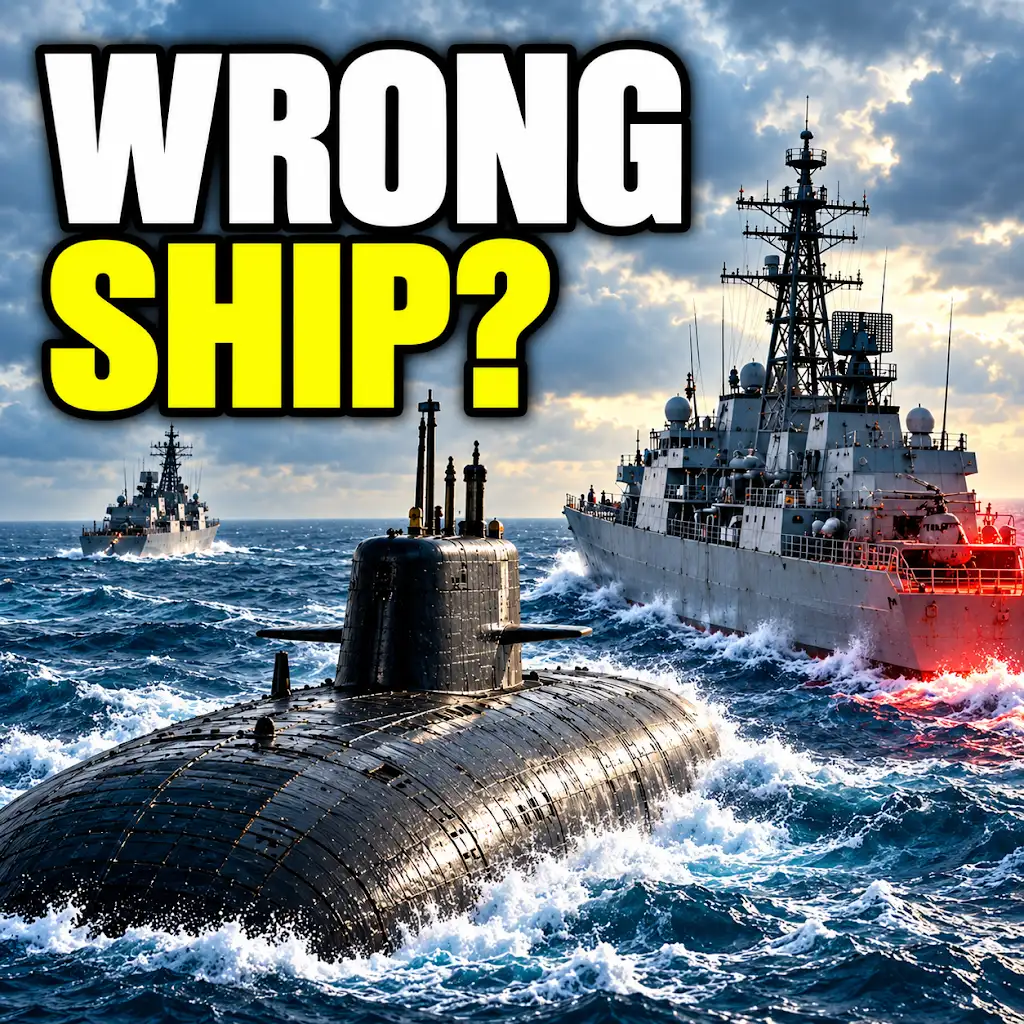
A Soviet Submarine Hit a U.S. Frigate. Was It the Wrong Ship?
FAQs
What is the focus of the Cold War naval history documentary?
The documentary focuses on the naval strategies, technologies, and key events that shaped the Cold War era, particularly the naval arms race between the United States and the Soviet Union.
Who are the key figures interviewed in the Cold War naval history documentary?
The documentary features interviews with naval historians, retired military personnel, government officials, and individuals who were directly involved in Cold War naval operations.
What archival footage is included in the Cold War naval history documentary?
The documentary includes rare archival footage of naval operations, missile tests, submarine patrols, and other significant events that took place during the Cold War period.
How does the documentary explore the impact of naval power during the Cold War?
The documentary delves into how naval power played a crucial role in shaping global politics, influencing diplomatic decisions, and maintaining the balance of power between the superpowers during the Cold War.
What new insights or revelations does the Cold War naval history documentary offer?
The documentary offers new insights into lesser-known naval operations, technological advancements, espionage activities, and the behind-the-scenes strategies that defined the naval aspect of the Cold War.