The US Navy SEALs, renowned for their demanding training and intricate missions, have been reportedly involved in operations that targeted critical underwater infrastructure. These operations, often shrouded in secrecy, have focused on the sabotage of underwater cooling intakes, systems vital for the operation of various industrial and power generation facilities. While the specifics of such missions remain classified, understanding the potential implications and the operational methods employed offers insight into the strategic considerations behind these actions.
Underwater cooling intakes are integral components of numerous large-scale facilities, including power plants, desalination plants, and industrial complexes. Their primary function is to draw in vast quantities of water from surrounding bodies – oceans, lakes, or rivers – to cool down machinery, turbines, or industrial processes. Without an uninterrupted flow of this cooling water, these facilities can experience critical malfunctions, overheating, and eventual shutdowns.
Power Generation Dependence on Cooling Water
For power plants, particularly thermal power stations that generate electricity through steam turbines, a consistent supply of cooling water is paramount. The steam, after passing through the turbines and performing its work, must be condensed back into water. This condensation process relies heavily on a cold water source from these intakes. A disruption to this flow can lead to a rapid rise in temperature within the plant, potentially causing irreversible damage to turbines and other sensitive equipment. The consequences of such a shutdown extend beyond the facility itself, impacting regional power grids and potentially leading to widespread blackouts.
Industrial Processes Requiring Constant Cooling
Beyond power generation, many heavy industries rely on continuous cooling to maintain their operational efficiency and safety. Chemical plants, manufacturing facilities with high-temperature processes, and even large data centers with extensive server farms require substantial cooling. Underwater intakes provide a readily available and often cost-effective source of water for these cooling needs. Sabotaging these intakes would directly impede the core operations of these industries, leading to production halts, financial losses, and potential environmental hazards if contained processes are compromised.
Desalination: A Critical Resource Under Threat
In regions facing water scarcity, desalination plants are vital for providing potable water. These plants, often located on coastlines, utilize sophisticated processes to remove salt from seawater. The cooling of their distillation or membrane systems is a significant energy-intensive process, and they are deeply reliant on continuous intake of large volumes of seawater. Targeting these intakes would cripple the freshwater supply for entire populations, turning a strategic asset into a vulnerable point of failure.
In a recent article on the complexities of military operations, the topic of US Navy SEALs and their strategic sabotage of underwater cooling intakes was explored in depth. This operation highlights the intricate balance between tactical precision and environmental considerations in modern warfare. For more insights on this subject and related military strategies, you can read the full article at In the War Room.
SEALs’ Role in Asymmetrical Warfare and Infrastructure Disruption
The US Navy SEALs are elite special operations forces trained for a wide spectrum of missions, including direct action, reconnaissance, counter-terrorism, and unconventional warfare. Their operational doctrine often emphasizes precision, surprise, and the ability to operate in denied environments, including beneath the surface of the water. The potential targeting of underwater cooling intakes aligns with the broader strategic concept of asymmetrical warfare, where a smaller, highly capable force seeks to inflict disproportionate damage on an adversary’s critical infrastructure.
The Element of Surprise and Deniability
Underwater operations inherently offer a significant advantage in terms of surprise. The ocean depths can conceal movement and activity, making detection difficult for conventional surveillance systems. SEALs, with their specialized equipment and training in submarine warfare and diving, are adept at navigating these environments. The sabotage of an underwater intake could be executed with minimal visible trace, potentially offering a degree of plausible deniability to the perpetrating nation. This can complicate escalation and diplomatic responses.
Exploiting Vulnerabilities in Coastal Infrastructure
Many critical industrial and energy facilities are situated in coastal areas to facilitate access to water for cooling. This geographical proximity creates inherent vulnerabilities in their infrastructure. Underwater cooling intakes, owing to their submerged nature, are often less protected than above-ground components. SEAL operations could exploit these blind spots, targeting these systems with specialized tools and techniques.
The Psychological and Economic Impact
The sabotage of essential infrastructure like cooling intakes is not solely about direct physical damage. It also carries significant psychological and economic weight. The disruption to power, water, or industrial production can create widespread public anxiety, economic instability, and a loss of confidence in the security of essential services. This can be a powerful tool in a broader conflict or as a deterrent.
Methodologies of Sabotage: Precision Beneath the Waves
The methods employed by US Navy SEALs in such operations would likely leverage their advanced training and specialized equipment. The objective would be to incapacitate the intake system without necessarily destroying it entirely, thus creating a prolonged period of disruption.
Engineering a Compromise in Intake Structures
SEALs could utilize specialized cutting tools, explosives designed for underwater use, or even chemical agents to compromise the structural integrity of the intake screens, pipes, or pumping mechanisms. The aim would be to obstruct the flow of water effectively. This could involve placing precisely engineered charges that sever pipes or damage impellers within pumps. Their training emphasizes minimal collateral damage unless strategically necessary, focusing on precise incapacitation of the target.
Introduction of Obstructions and Fouling Agents
Another approach could involve introducing materials or agents that create blockages or accelerate fouling within the intake system. This could include dense materials that are difficult to remove, or chemical agents that promote the growth of marine organisms, rapidly clogging screens and pipes. The use of remotely operated vehicles (ROVs) or unmanned underwater vehicles (UUVs) could also facilitate the precise placement of these disruptive elements.
Targeting Power and Control Systems
Beyond the physical intake structures, SEALs might also target the electrical and control systems that power and manage the intake pumps. This could involve underwater demolition of power cables or the infiltration of control rooms to disable critical operational hardware. Such actions require a higher degree of intelligence and reconnaissance to identify the precise points of failure.
Stealth Submarine and Diver Deployment
The deployment of SEAL teams to execute these missions would likely involve highly specialized submersibles or the use of advanced diving techniques. Operating from a stealth submarine allows for covert insertion and extraction of teams near the target area. Advanced dive gear, including rebreathers, enables extended underwater operations without the telltale bubbles of traditional scuba equipment, further enhancing stealth.
Implications and Deterrence in Maritime Security
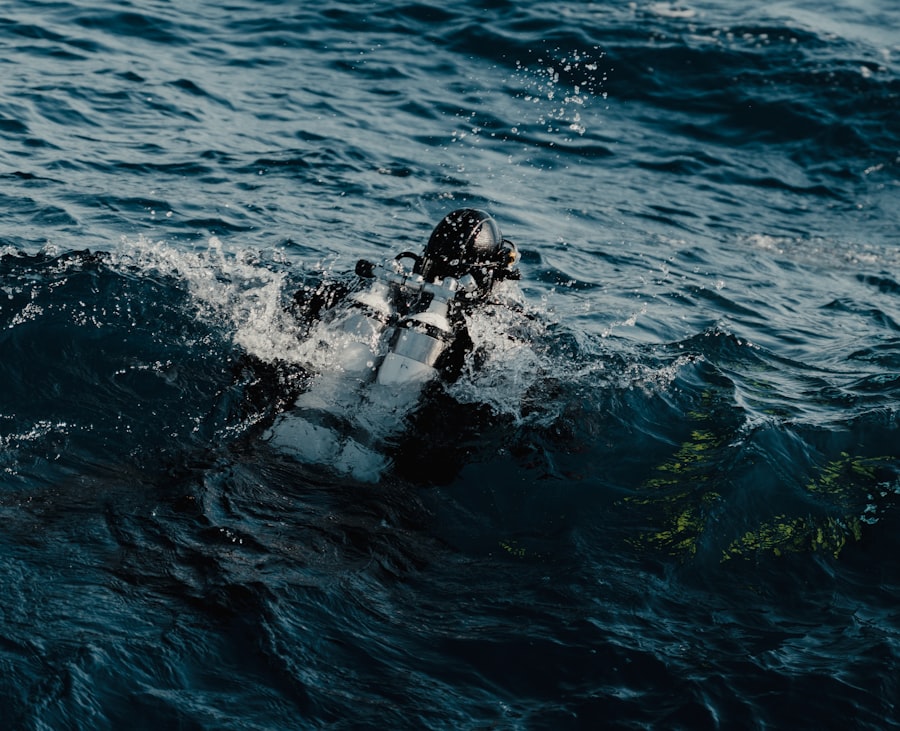
The potential for sophisticated sabotage of underwater infrastructure by elite units like the US Navy SEALs has significant implications for maritime security and international relations. It highlights the evolving nature of warfare and the importance of protecting critical undersea assets.
The Challenge of Underwater Surveillance and Defense
Defending against underwater threats is notoriously difficult. The vastness of the ocean and the limitations of current sonar and detection technologies make it challenging to monitor all submerged vulnerable points. This creates a strategic advantage for those capable of operating undetected beneath the waves.
The Escalation Ladder and International Law
Any act of sabotage against foreign infrastructure carries the risk of escalation and potential international repercussions. The interpretation of such actions within the framework of international law, particularly concerning acts of war and state-sponsored terrorism, could become highly contentious. The lack of overt attribution, a common feature of such operations, further complicates diplomatic and legal responses.
The Role of Deterrence and Counter-Intelligence
In response to such threats, nations are likely to invest more heavily in underwater surveillance, anti-submarine warfare capabilities, and intelligence gathering. The development of sophisticated defensive measures, including autonomous underwater systems designed to patrol and detect threats, could become increasingly important. Furthermore, robust counter-intelligence operations are crucial for identifying potential threats before they materialize.
The Weaponization of Infrastructure Vulnerabilities
The deliberate targeting of essential civilian infrastructure, even if non-lethal in intent, raises ethical and strategic questions. It highlights how interconnected modern societies are and how vulnerabilities in seemingly mundane systems can be exploited for strategic gain. This underscores the importance of resilient infrastructure design and robust security protocols across all sectors.
Recent discussions surrounding the US Navy SEALs have brought attention to their strategic operations, including the potential sabotage of underwater cooling intakes. This tactic has been highlighted in various military analyses, emphasizing the importance of such methods in modern warfare. For a deeper understanding of these operations and their implications, you can read more in this insightful article found here. The article delves into the intricacies of underwater tactics and the role they play in ensuring naval superiority.
The Evolving Landscape of Speculative Operations
| Location | Incident | Impact |
|---|---|---|
| Pearl Harbor, Hawaii | Underwater cooling intakes sabotage | Disruption of naval operations, potential damage to equipment |
| San Diego, California | Attempted sabotage of underwater cooling intakes | Heightened security measures, investigation ongoing |
While concrete details of US Navy SEALs sabotaging underwater cooling intakes remain within the realm of classified operations and informed speculation, the underlying strategic concepts are well-established. The potential for such actions speaks to the evolving nature of special operations and the increasing importance of underwater domain control and infrastructure security.
The Importance of Intelligence and Reconnaissance
Successful execution of such missions hinges on meticulous intelligence gathering and reconnaissance. Understanding the precise layout of an intake system, its operational cycles, and its defensive measures is critical. This would involve a combination of human intelligence, signals intelligence, and advanced imagery intelligence, potentially including underwater mapping and sonar analysis.
The Growing Role of Unmanned Systems
The future of special operations, including underwater sabotage, is likely to involve an increasing reliance on unmanned systems. UUVs can be deployed for extended periods of reconnaissance, surveillance, and even to carry out disruptive payloads, reducing the risk to human operators. This offers a more persistent and potentially more deniable means of impacting target infrastructure.
The Psychological Dimension of Infrastructure Warfare
The impact of infrastructure sabotage extends beyond immediate functionality. It can sow fear, disrupt economies, and undermine public trust in a government’s ability to protect its citizens and critical services. This psychological dimension is a significant component of modern asymmetrical warfare.
The Continuous Arms Race in Maritime Domain Awareness
The perceived threat of underwater attacks on critical infrastructure fuels a continuous arms race in maritime domain awareness. Nations are constantly seeking to improve their ability to detect, track, and interdict submerged threats. This includes advancements in sonar technology, acoustic sensor networks, and satellite imagery capable of monitoring surface and near-surface activities. The effectiveness of such countermeasures, however, remains a significant challenge against a determined and technologically advanced adversary.
FAQs
What is the US Navy SEAL sabotage underwater cooling intakes?
The US Navy SEAL sabotage underwater cooling intakes refers to a covert operation carried out by Navy SEALs to disrupt the cooling systems of enemy vessels by sabotaging their underwater cooling intakes.
How do Navy SEALs carry out sabotage on underwater cooling intakes?
Navy SEALs may use various methods to sabotage underwater cooling intakes, such as placing obstructions or explosives in the intakes, causing damage to the cooling systems and rendering the vessels inoperable.
What are the potential impacts of sabotaging underwater cooling intakes?
Sabotaging underwater cooling intakes can lead to significant damage to the targeted vessels, causing them to lose their ability to regulate temperature and potentially leading to engine overheating and other critical malfunctions.
What are the risks involved in carrying out such operations?
Carrying out sabotage on underwater cooling intakes involves significant risks, including exposure to enemy forces, potential detection, and the possibility of retaliation. It requires careful planning and execution to minimize these risks.
Is sabotaging underwater cooling intakes legal under international law?
Sabotaging underwater cooling intakes falls under the category of military sabotage, which is generally considered illegal under international law. However, it may be justified in certain circumstances, such as during armed conflict or in self-defense.