The silent hunters of the deep, diesel-electric submarines of the Papa class, were a stark contrast to the aerial behemoths that ruled the waves of the late 20th century. While the latter, embodied by the colossal US aircraft carrier, represented the pinnacle of conventional naval power, projecting dominance across vast ocean expanses, the former embodied a different kind of threat – one that lurked unseen, capable of delivering a devastating blow from the abyss. The conceptual clash between these two titans of naval warfare, though never truly tested in direct combat, offers a compelling thought experiment, exploring the enduring relevance of submarine warfare against an increasingly technologically advanced surface fleet.
The Technological Arms Race Beneath the Waves
The development of the Papa class submarine, designated Project 641 by the Soviet Union, was a direct response to the perceived threat posed by the burgeoning US carrier battle groups. These were not the sleek, nuclear-powered giants that would later dominate, but rather a formidable diesel-electric design, intended to operate in a more clandestine and persistent manner. Their primary role was interception and attack, aiming to disrupt the operational tempo of an adversary’s naval forces, particularly its carrier strike groups. The Papa class, while not as numerous or as technologically advanced as some of its contemporaries or successors, represented a significant investment in asymmetric warfare, a strategy that sought to negate an opponent’s strengths by exploiting their weaknesses.
Soviet Submarine Doctrine: The Shadow in the Deep
Soviet submarine doctrine, particularly during the Cold War, was characterized by a blend of defensive and offensive imperatives. On the defensive side, submarines were crucial for protecting Soviet coastlines and strategic assets. Offensively, however, they were envisioned as a potent tool for challenging Western naval supremacy, especially the formidable US carrier task forces. The Papa class was designed with this offensive capability in mind. Its relatively quiet diesel-electric propulsion, especially when running on batteries, allowed for stealthy approaches, a stark contrast to the constant hum and acoustic signature of nuclear submarines. The Soviets understood that while a direct confrontation between their submarines and an aircraft carrier would be suicidal, a successful ambush could cripple a vital component of US power projection. The emphasis was on surprise, precision, and the psychological impact of a successful attack. The very notion of an unseen threat to an otherwise unassailable platform like an aircraft carrier was a strategic advantage in itself.
The Papa Class: A Closer Look
The Papa class, officially known as the Project 641 submarine (NATO reporting name: Foxtrot-class), was a large diesel-electric submarine designed and built in the Soviet Union. While often overshadowed by its nuclear-powered counterparts, the Foxtrot represented a significant portion of the Soviet submarine fleet during its operational life, which spanned from the late 1950s through the 1980s. These submarines were characterized by their robust construction and their ability to remain submerged for extended periods using battery power. This latter capability was crucial for their intended role of stealthy operations. They were armed with a respectable array of torpedoes, including both wire-guided and anti-ship variants, and some were reportedly capable of deploying mines. Their operational tactics often revolved around operating in the shallow waters of the continental shelf, where they could remain hidden and monitor the movements of surface vessels, waiting for an opportune moment to strike. The success of any submarine attack, particularly against a well-defended target, relied heavily on the submarine’s ability to remain undetected until the moment of engagement. The Papa class, through its diesel-electric design and operational doctrines, sought to achieve this through prolonged silent running and adherence to strict operational protocols.
In the ongoing debate about naval warfare capabilities, a fascinating article discusses the strategic advantages of the Papa class submarine compared to the formidable US aircraft carrier. This analysis delves into the technological advancements and tactical roles of both vessels, highlighting how each plays a crucial part in modern military operations. For more insights on this topic, you can read the full article here: Papa Class Submarine vs US Aircraft Carrier.
The Floating Fortress: The US Aircraft Carrier
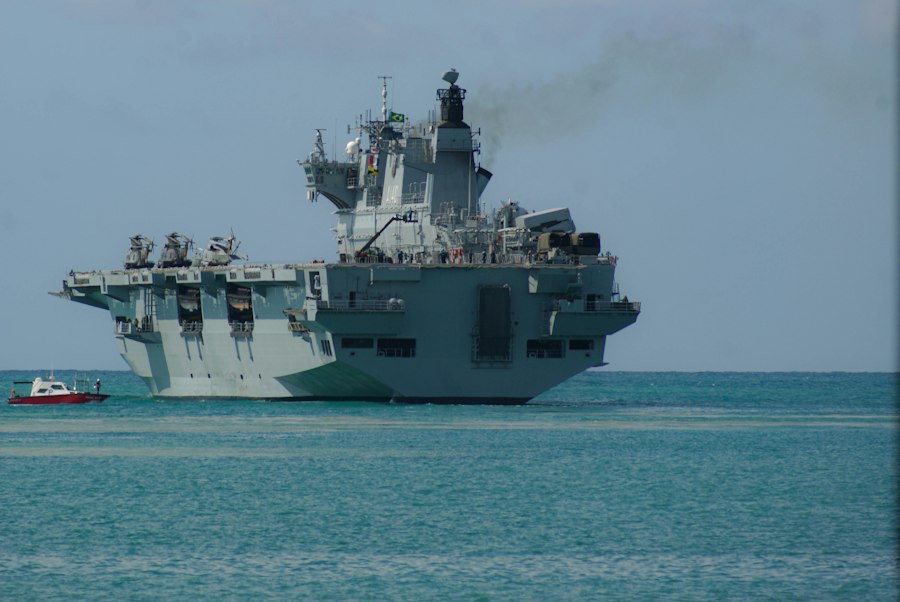
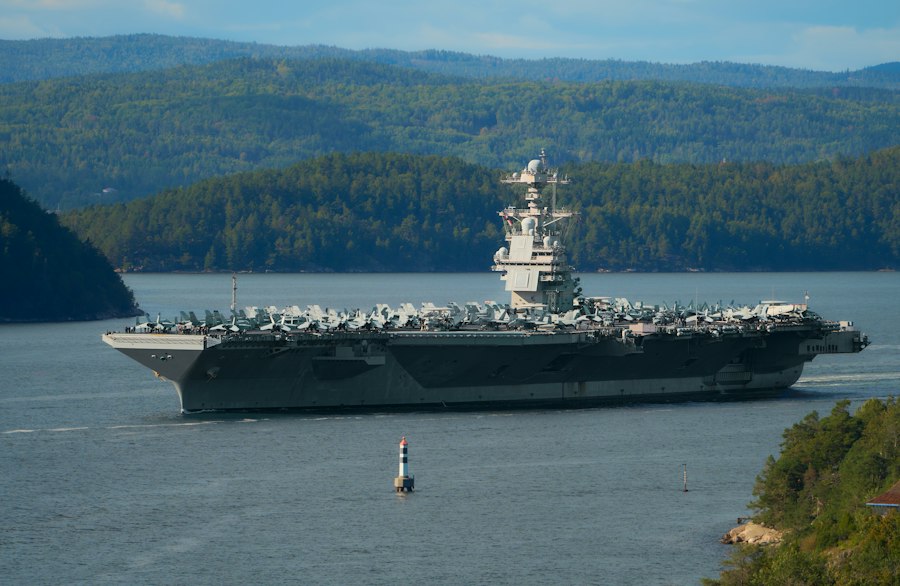
The US aircraft carrier, particularly during the latter half of the 20th century, was the undisputed queen of the seas. These colossal vessels were more than just ships; they were mobile air bases, capable of projecting air power thousands of miles from shore, dictating the pace and outcome of conflicts. Their sheer size, the concentration of advanced weaponry and sensors, and the integral role of their embarked air wings made them formidable platforms, seemingly invulnerable to any but the most direct and overwhelming assault. The carrier battle group, a collection of escorts including cruisers, destroyers, and submarines, was designed to create a multi-layered defense, making it incredibly difficult for any single threat to penetrate its outer perimeter.
The Apex of Naval Projection
The United States Navy’s commitment to carrier aviation was a cornerstone of its global strategy. The aircraft carrier was the physical manifestation of American military might, a symbol of its ability to respond to crises anywhere on the planet. Its primary function was to provide tactical and strategic air support, reconnaissance, and offensive strike capabilities. The development of supercarriers, immense vessels capable of housing and launching hundreds of aircraft, further amplified this projection of power. These ships were designed to operate independently for extended periods, resupplying and refueling at sea, and their operational reach was limited only by the endurance of their aircraft and the logistical capabilities of the supporting fleet. The evolution of carrier design and technology was a continuous process, with each generation seeking to incorporate the latest advancements in propulsion, aviation technology, and defensive systems.
The Carrier Strike Group: A Symphony of Defense
The aircraft carrier rarely operated alone. It was the centerpiece of a Carrier Strike Group (CSG), a highly coordinated fleet of escort vessels designed to protect the carrier and its embarked air wing. This protective screen was a complex and layered defense system. Destroyers and frigates provided anti-submarine warfare (ASW) and anti-air warfare (AAW) capabilities, utilizing advanced sonar, radar, and missile systems. Cruisers acted as command and control platforms and provided further AAW and surface warfare support. Crucially, the CSG also often included its own submarines, tasked with both offensive operations and the defense of the carrier group itself, creating a complex web of detection and engagement. The sheer density of sensors, weapons, and electronic countermeasures within a CSG made it an exceptionally difficult target to penetrate. The idea was to detect and neutralize any incoming threat long before it could pose a significant danger to the carrier.
The Hypothetical Confrontation: A Dance of Shadows and Light
The theoretical battle between a Papa class submarine and a US aircraft carrier is a classic asymmetrical warfare scenario. The submarine, with its stealth capabilities, aimed to exploit the blind spots in the carrier’s formidable defenses. The carrier, with its overwhelming firepower and layered defenses, sought to deny the submarine any opportunity to get close enough to deliver a fatal blow. This confrontation was less about direct slugging matches and more about a deadly game of cat and mouse, played out in the vast and unforgiving ocean. The success of the submarine would depend on its ability to remain undetected for extended periods, patiently waiting for the perfect moment to strike. The success of the carrier would depend on its ability to detect and neutralize the unseen threat before it could become a tangible danger.
The Stealthy Approach: Patience as a Weapon
The Papa class submarine’s greatest asset was its ability to move undetected. Diesel-electric submarines, when operating on battery power, are significantly quieter than their nuclear-powered counterparts. This allowed them to operate at very low speeds, making them extremely difficult to detect with active sonar. The submarine would likely have attempted to approach the carrier battle group from the shadows, utilizing the natural acoustic masking of the ocean and the electronic “noise” generated by the escorting vessels to cover its own signature. The strategy would involve long periods of silent running, observing the movements of the CSG, and waiting for an opportune moment – perhaps during adverse weather conditions that degraded sensor performance, or when the carrier group was engaged in complex maneuvers. The psychological pressure on the crew of the submarine would be immense, requiring absolute discipline and patience, knowing that a single mistake could lead to their immediate destruction.
The Carrier’s Defensive Net: A Web of Detection
The US carrier battle group was equipped with an array of sophisticated detection systems. Long-range radar, passive and active sonar arrays mounted on surface escorts and embarked helicopters, and even satellite intelligence were all employed to create a comprehensive picture of the surrounding environment. The aim was to detect any potential threat, whether it be a surface vessel, an aircraft, or a submarine, at the earliest possible stage. The CSG’s ASW capabilities were particularly robust, with dedicated ASW aircraft like the P-3 Orion and SH-60 Seahawk helicopters, as well as sonar-equipped destroyers and frigates, constantly scanning the depths. The sheer number of sensors and the overlapping fields of detection were designed to leave no room for an undetected approach. The challenge for the Papa class would be to find a “gap” in this otherwise impenetrable net, a feat that would require exceptional skill, luck, and possibly exploiting the limitations of existing technology.
The Moment of Truth: The Torpedo’s Deadly Embrace
If a Papa class submarine managed to overcome the formidable defenses of a carrier battle group, the ultimate weapon would be its torpedoes. These underwater projectiles, armed with powerful warheads, were designed to inflict catastrophic damage on even the largest of warships. The effectiveness of the torpedo attack would depend on a multitude of factors, including the submarine’s ability to maintain its stealthy position, the accuracy of its fire control system, and the evasive capabilities of the carrier and its escorts.
The Silent Kill: A Precision Strike
The torpedo attack would be the culmination of hours, if not days, of patient maneuvering and observation. Once within range, the submarine would likely attempt a “shoot and scoot” tactic, firing its torpedoes and then immediately attempting to disengage and disappear back into the depths. The torpedoes themselves would be guided by the submarine’s fire control system, aiming for the most vulnerable parts of the carrier, such as its propulsion systems or its aviation fuel storage. The element of surprise would be paramount. A torpedo launched from an undetected submarine would present an immediate and critical threat, giving the carrier and its escorts precious little time to react. The sheer destructive power of a modern torpedo meant that even a single hit could be crippling, potentially sinking the carrier or rendering it inoperable.
Evasion and Countermeasures: A Desperate Defense
The carrier and its escorts would not be passive targets. Their defenses would go into overdrive upon detecting a torpedo threat. Active countermeasures, such as towed decoys designed to lure torpedoes away from the ship, would be deployed. Sophisticated sonar systems would attempt to track the incoming torpedo’s acoustic signature, allowing for evasive maneuvers. The carrier itself might attempt to turn to present a smaller target or increase its speed. The escorts would immediately shift their focus to hunting down the attacking submarine, launching their own ASW weapons in an attempt to neutralize the threat before it could inflict damage. The effectiveness of these countermeasures would be crucial in determining the outcome of such a confrontation.
The ongoing debate about the capabilities of the Papa class submarine compared to a US aircraft carrier has sparked significant interest among military enthusiasts and analysts alike. For those looking to delve deeper into this topic, a related article can be found on In The War Room, which explores the strategic advantages and limitations of both naval assets. This insightful piece provides a comprehensive analysis that enhances the understanding of modern naval warfare. You can read more about it in this article.
The Enduring Legacy: Lessons from the Abyss
| Metric | Papa Class Submarine | US Aircraft Carrier (Nimitz Class) |
|---|---|---|
| Type | Submarine (Nuclear-powered) | Aircraft Carrier (Nuclear-powered) |
| Displacement | Approximately 4,000 tons (surfaced) | Approximately 100,000 tons (full load) |
| Length | 98 meters (322 feet) | 332.8 meters (1,092 feet) |
| Beam (Width) | 9.2 meters (30 feet) | 76.8 meters (252 feet) |
| Speed | Up to 30 knots (submerged) | Over 30 knots (surface) |
| Propulsion | One nuclear reactor, one shaft | Two nuclear reactors, four shafts |
| Armament | 6 torpedo tubes, cruise missiles (limited) | Over 60 aircraft, defensive missiles, CIWS |
| Role | Attack submarine, reconnaissance | Power projection, air superiority, sea control |
| Crew | Approximately 100 personnel | Approximately 5,000 personnel (including air wing) |
| Operational Range | Unlimited (nuclear-powered), limited by supplies | Unlimited (nuclear-powered), limited by supplies |
| Stealth | High (submerged operation) | Low (surface vessel, large radar signature) |
While a direct clash between a Papa class submarine and a US aircraft carrier remains a hypothetical scenario, the strategic implications of such a confrontation continue to resonate. The submarine, as an asymmetric weapon, has always represented a potent challenge to conventional naval dominance. The development of advanced submarines, even with the advent of nuclear power and increasingly sophisticated sensor technology, continues to be a primary concern for naval strategists worldwide. The lessons learned from considering such scenarios inform the design of new warships, the development of advanced detection and countermeasure systems, and the evolution of naval doctrine.
The Unseen Threat in Modern Warfare
The concept of the “unseen threat” remains as relevant today as it was during the Cold War. Even with the advent of drones, advanced sensors, and a more interconnected battlefield, the submarine’s ability to operate in the silent depths, beyond the immediate reach of most conventional detection methods, continues to pose a unique challenge. The proliferation of submarine technology, from advanced nuclear-powered attack submarines to more rudimentary but still potent diesel-electric designs, means that navies around the world must continually invest in their anti-submarine warfare capabilities. The legacy of the Papa class, and the strategic thinking it represented, is a reminder that technological superiority does not always equate to invulnerability, and that the silent hunters of the deep will always hold a unique and terrifying potential.
The Evolution of Naval Strategy
The theoretical battle between the Papa class and the US aircraft carrier highlights the dynamic nature of naval warfare. It demonstrates how technological advancements by one side necessitate counter-developments by the other, leading to a continuous arms race. The strategies employed by both the submarine and the carrier strike group were products of their time, reflecting the prevailing technologies and doctrines. Today, naval strategy continues to evolve, incorporating lessons from past conflicts and adapting to new threats and technological possibilities. The enduring challenge remains: how to maintain dominance in an increasingly complex and contested maritime environment, where threats can emerge from the most unexpected and unseen quarters. The quiet rumblings from the ocean floor, the silent pursuit of a stealthy hunter, continue to shape the future of naval power.
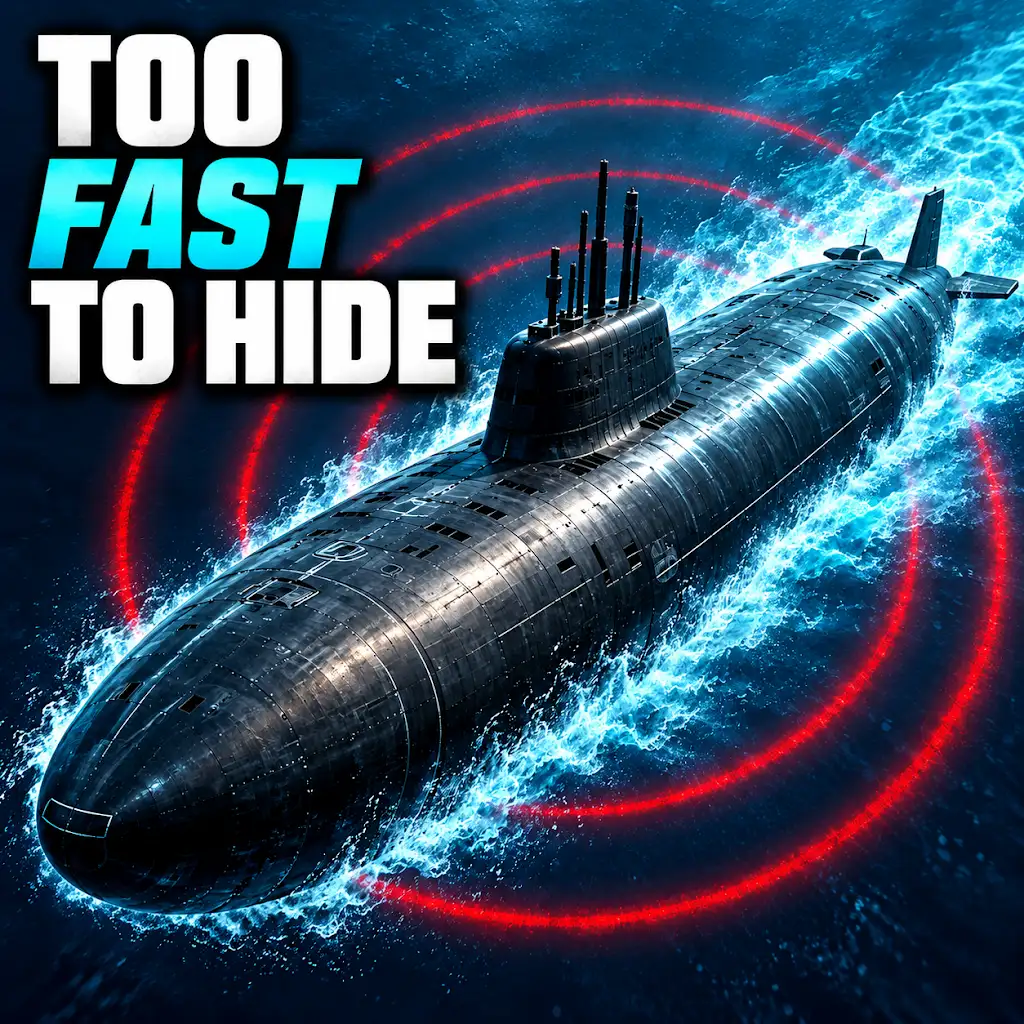
The Soviet Submarine That Broke a Speed Record—and Its Own Stealth
FAQs
What is a Papa class submarine?
A Papa class submarine is a type of Soviet nuclear-powered submarine that was in service during the Cold War era. It was designed for long-range missions and was equipped with ballistic missiles.
What is a US aircraft carrier?
A US aircraft carrier is a large warship that serves as a seagoing airbase, equipped with a flight deck and facilities for carrying, arming, deploying, and recovering aircraft.
How does a Papa class submarine compare to a US aircraft carrier in terms of size?
A Papa class submarine is significantly smaller in size compared to a US aircraft carrier. Submarines are designed for stealth and maneuverability, while aircraft carriers are massive vessels designed to carry and launch aircraft.
What are the main capabilities of a Papa class submarine?
Papa class submarines were designed to carry ballistic missiles and were capable of launching nuclear strikes against enemy targets. They were also equipped with torpedoes for anti-ship and anti-submarine warfare.
How would a Papa class submarine fare against a US aircraft carrier in a hypothetical conflict?
In a hypothetical conflict scenario, a Papa class submarine would rely on its stealth capabilities to evade detection and launch a surprise attack on a US aircraft carrier. However, the aircraft carrier’s advanced defense systems and aircraft would pose a significant threat to the submarine.