The silent giants of the deep, Soviet submarines, represented a paradox. Their creation was a testament to prodigious engineering prowess, a relentless pursuit of technological parity, and often, outright superiority, with the West during the Cold War. Yet, despite the awe-inspiring feats of design and construction, their strategic impact, while undeniably significant, was ultimately blunted by inherent flaws and a tactical doctrine that, while ambitious, often proved brittle. The story of Soviet submarine engineering is one of remarkable triumphs born from immense national will, interwoven with the stark reality of tactical failures that prevented these leviathans from fully realizing their strategic potential.
The Genesis of the Red Fleet’s Underwater Might
The impetus for the Soviet Union’s relentless drive in submarine development was rooted in a profound historical trauma. The memory of World War II, where German U-boats inflicted devastating losses on Allied shipping, cast a long shadow. Coupled with the emerging nuclear age and the existential threat posed by NATO’s naval power, particularly its carrier battle groups and submarine-launched ballistic missiles (SLBMs), the Soviet Union recognized the critical importance of a robust underwater deterrent and offensive capability. The vastness of the Soviet coastline and its strategic chokepoints also dictated a strong emphasis on a navy that could project power and defend its maritime interests.
Early Innovations and the Shadow of Necessity
From the outset, Soviet engineers were tasked with achieving ambitious goals, often with limited access to Western technology and under immense pressure to catch up. Early designs, while not as sophisticated as their Western counterparts, showed ingenuity. The post-war era saw a rapid assimilation of German submarine technology, and the Soviets quickly began to develop their own distinct lines. The Whiskey class, a ubiquitous presence in navies worldwide, was a testament to this period. While primitive by later standards, it demonstrated the Soviet Union’s capacity for mass production and their commitment to expanding their submarine fleet. The subsequent Zulu and Romeo classes further refined these designs, increasing underwater endurance and armament. This era was characterized by a focus on quantity and a pragmatic approach to design, often prioritizing simplicity and reliability over cutting-edge features. The imperative was to build a fleet capable of challenging the established naval powers, and they did so with remarkable speed.
The Nuclear Leap: Project 658 and the Dawn of Missile Submarines
The true game-changer in Soviet submarine engineering arrived with the advent of nuclear propulsion. The development of the Project 658 (NATO reporting name Hotel class) submarines marked a monumental leap. These were the first Soviet submarines to carry nuclear ballistic missiles, fundamentally altering the strategic landscape. The engineering challenges were immense: designing reliable nuclear reactors for submerged operation, creating a robust hull capable of withstanding the pressures of deep dives, and developing sophisticated fire control systems for the new missile technology. Despite facing numerous technical hurdles and even catastrophic accidents during their development and service, the Hotel class demonstrated the Soviet Union’s ability to master complex nuclear technology. This achievement was not merely an engineering feat; it was a strategic imperative, providing the Soviet Union with a credible second-strike capability that became the cornerstone of its nuclear deterrence. The success of the Hotel class paved the way for even more ambitious designs, cementing the Soviet Union’s position as a major nuclear naval power.
The fascinating world of Soviet submarine engineering showcases remarkable triumphs, yet it also reveals tactical failures that shaped naval warfare strategies during the Cold War. For an in-depth exploration of these complexities, you can read the related article that delves into the intricacies of submarine design and the operational challenges faced by the Soviet fleet. To learn more, visit this article.
The Apex of Design: Engineering Marvels of the Cold War

The decades that followed saw Soviet submarine designers push the boundaries of what was technologically feasible. Driven by a desire to outmaneuver and counter NATO’s naval forces, they produced some of the most formidable submarines ever conceived, characterized by their sheer size, advanced weaponry, and often, revolutionary design philosophies. These were not just submarines; they were underwater fortresses, built to patrol vast ocean expanses and engage in complex, multi-dimensional warfare.
The Typhon-Class: Giants of the Deep
Perhaps the most iconic example of Soviet engineering prowess is the Typhoon class. These were, and remain, the largest submarines ever built, dwarfing their Western counterparts. The sheer scale of the Typhoon class was a direct response to the need to carry a massive number of intercontinental ballistic missiles (ICBMs) and to provide their crews with comfortable living conditions for extended patrols. The engineering required to construct such colossal vessels, to equip them with multiple powerful nuclear reactors, and to maintain acoustic stealth despite their size, was extraordinary. The Typhoon class represented a bold, almost audacious, approach to submarine design, prioritizing a vast missile payload and crew survivability above all else. They were a physical manifestation of the Soviet Union’s commitment to nuclear deterrence, designed to be a virtually invulnerable retaliatory force.
The Akula-Class: Stealth and Sub-Surface Dominance
While the Typhoon class focused on missile capacity, the Akula class (Project 971) exemplified the Soviet Union’s commitment to stealth and anti-submarine warfare (ASW) capabilities. These submarines were designed to be exceptionally quiet, employing advanced hull coatings, innovative propeller designs, and sophisticated noise reduction techniques to minimize their acoustic signature. The engineering behind these stealth features was a closely guarded secret and a significant leap forward for Soviet naval technology. The Akula class was built to hunt and destroy NATO submarines, including the highly capable US Navy’s attack submarines, and to pose a serious threat to surface fleets. Their success in achieving a high degree of quietness marked a significant tactical advantage, often allowing them to operate undetected for extended periods. The combination of powerful sonar systems, advanced weaponry, and a low acoustic profile made the Akula class a formidable opponent in the underwater battlespace.
The Alfa-Class: Speed and Depth Capabilities
The Alfa class (Project 705 Lira) stands as a testament to radical engineering and a willingness to embrace unconventional materials and designs. These submarines were remarkably small and incredibly fast, powered by advanced titanium hulls and unique liquid metal-cooled reactors. The titanium construction allowed the Alfa class to dive to depths far exceeding those of Western submarines, offering a significant tactical advantage in avoiding detection and engaging targets. Their incredible speed made them highly agile and difficult to track. The engineering challenges associated with titanium welding and the maintenance of the liquid metal reactors were immense, highlighting the Soviet Union’s willingness to invest in cutting-edge, albeit sometimes risky, technologies. The Alfa class was designed for high-speed intercepts and deep-water operations, showcasing a different facet of Soviet engineering ambition.
The Unseen Burden: Industrial and Operational Challenges
Despite the undeniable engineering triumphs, the Soviet submarine program was not without its significant challenges, many of which stemmed from the Soviet Union’s unique industrial and economic realities. The vast scale of production, the pressure for rapid development, and the often-cumbersome bureaucratic system placed an unseen burden on the quality and long-term viability of their submarine fleet.
The Price of Secrecy and Isolation
A fundamental challenge for Soviet submarine engineering was the inherent secrecy and relative isolation of the Soviet scientific and industrial complex. While this fostered innovation in specific areas, it also meant that Soviet engineers often worked with limited access to the latest international research and development. This could lead to duplicated efforts, a slower pace of adoption of proven technologies, and a tendency to “reinvent the wheel.” The intense focus on secrecy also meant that operational feedback from submarine crews often struggled to penetrate the bureaucratic layers to inform design improvements effectively.
Quality Control and Reliability Concerns
While individual components or entire submarines might represent engineering marvels, the overall quality control and long-term reliability of the Soviet submarine fleet were often inconsistent. This was a consequence of a system that prioritized meeting production quotas and fulfilling ambitious build schedules, sometimes at the expense of meticulous attention to detail and rigorous testing. Numerous accidents, both minor and catastrophic, plagued the Soviet submarine force throughout its history, underscoring issues with material fatigue, component failures, and even human error stemming from inadequate training or stressful operational conditions. The sheer scale of production, while impressive, could also dilute the level of expertise and oversight applied to each individual vessel.
The Strain on Resources and Infrastructure
Maintaining a massive submarine fleet, especially one incorporating advanced nuclear technology, requires immense resources and a highly developed logistical and maintenance infrastructure. The Soviet Union, despite its considerable industrial capacity, often struggled to keep pace with the demands of its burgeoning navy. This manifested in extended refits, difficulties in obtaining spare parts, and a reliance on older, less capable submarines to fill operational gaps. The economic strain of sustaining such a technologically advanced and numerically significant force undoubtedly impacted the overall effectiveness and lifespan of many vessels.
The Tactical Paradox: Strategy Mismatched with Capability
The story of Soviet submarine engineering is incomplete without acknowledging the tactical shortcomings that often prevented these engineering marvels from achieving their full strategic potential. While the designs themselves were often groundbreaking, the operational doctrines and strategic objectives they were intended to serve sometimes fell short.
The “Wolfpack” Legacy and its Evolution
Drawing inspiration from German U-boat tactics in World War II, the Soviet Union initially envisioned its submarines operating in large, coordinated “wolfpacks.” The aim was to overwhelm Allied shipping and naval forces through sheer numbers and coordinated attacks. While this strategy was effective in some contexts, it proved increasingly vulnerable to modern ASW techniques. The Soviet Union’s subsequent focus on individual, stealthy submarine operations, particularly with the Akula class, represented a shift towards more sophisticated tactics. However, the legacy of the mass-produced, often less stealthy, earlier generations of submarines meant that the “wolfpack” mentality lingered, sometimes leading to operational deployments that were tactically unsound against an alert and capable NATO ASW screen.
The Strategic Deterrent vs. Naval Power Projection
A significant portion of Soviet submarine development was dedicated to strategic deterrence, primarily through the deployment of SLBMs. The Typhoon and Delta classes were built with this mission at their core, designed to be survivable nuclear missile platforms. While this was a crucial element of Cold War strategy, it often came at the expense of developing submarines optimized for more conventional naval warfare, such as power projection or controlling sea lanes. NATO, particularly the United States, invested heavily in multi-mission submarines capable of both ASW and land-attack roles, a flexibility that Soviet submarines, with their more specialized design philosophies, sometimes lacked.
The Limitations of Sonar and Fire Control
Despite significant advancements, Soviet sonar and fire control systems often lagged behind their Western counterparts in terms of sophistication and performance. This was particularly true in the early to mid-stages of the Cold War. While Soviet submarines could detect targets, their ability to classify, track accurately, and engage effectively, especially in the noisy and complex underwater environment, was sometimes compromised. The emphasis on stealth in designs like the Akula class was a direct attempt to mitigate these limitations by making the submarine harder to find in the first place. However, when engaged in a direct confrontation, superior detection and engagement capabilities could give NATO submarines a crucial edge.
The history of Soviet submarine engineering is marked by remarkable technological advancements, yet it also reveals instances of tactical failures that had significant implications during the Cold War. A fascinating exploration of this duality can be found in an article that discusses the innovative designs and operational challenges faced by Soviet submarines. For a deeper understanding of these complexities, you can read more about it in this insightful piece on submarine strategy and engineering triumphs at In the War Room.
Legacies and Enduring Impacts
| Aspect | Details | Impact |
|---|---|---|
| Engineering Triumph | Development of advanced nuclear-powered submarines with superior stealth and endurance capabilities. | Enhanced Soviet naval presence and deterrence during the Cold War. |
| Technological Innovations | Implementation of quiet propulsion systems, improved sonar, and missile technology. | Allowed for extended underwater operations and strategic missile deployment. |
| Tactical Failure | Operational challenges including communication issues, coordination problems, and vulnerability to Western anti-submarine warfare tactics. | Reduced effectiveness in actual combat scenarios despite technological superiority. |
| Strategic Outcome | Despite engineering advances, Soviet submarines often failed to achieve intended strategic objectives. | Contributed to limitations in Soviet naval power projection and Cold War naval balance. |
| Example Incident | K-219 missile submarine accident in 1986 highlighting design and operational vulnerabilities. | Demonstrated risks and tactical shortcomings despite engineering achievements. |
The era of intense Soviet submarine engineering has passed, leaving behind a complex legacy. The sheer scale of their achievements in design and construction remains undeniable, a testament to human ingenuity under pressure. However, the inherent tactical and operational limitations also serve as a crucial lesson in the importance of integrated strategy, robust quality control, and continuous adaptation.
Technological Echoes in Modern Navies
The innovations pioneered by Soviet submarine engineers have not vanished. Many of the principles of acoustic stealth, advanced hull designs, and nuclear propulsion developed during the Cold War continue to influence submarine design worldwide. The pursuit of quietness, speed, and depth capabilities remains a central tenet of modern submarine warfare. While the specific technologies may have evolved, the foundational engineering challenges and the solutions devised by Soviet designers continue to resonate in the navies of today.
Lessons in Strategic Integration
The Soviet submarine story offers a stark reminder that engineering prowess alone is insufficient for strategic success. The disconnect between the immense technical capabilities of their submarines and certain tactical limitations highlights the critical need for seamless integration between technological development, operational doctrine, and strategic objectives. A fleet of the most advanced submarines is only as effective as the strategy that dictates its deployment and the operational framework that supports it.
A Cold War Monument
Ultimately, Soviet submarines stand as a monumental testament to a period of intense global rivalry and technological competition. They were instruments of power, symbols of deterrence, and the result of an extraordinary national effort. While their tactical impact may have been blunted by various factors, the engineering achievements of the Soviet Union’s submarine program remain a significant chapter in the history of naval warfare, a story of both remarkable triumph and a cautionary tale of strategic missteps. The silent giants of the deep, products of an era of global tension, continue to command respect for the engineering brilliance they embodied, even as their operational legacy offers valuable lessons for the future.
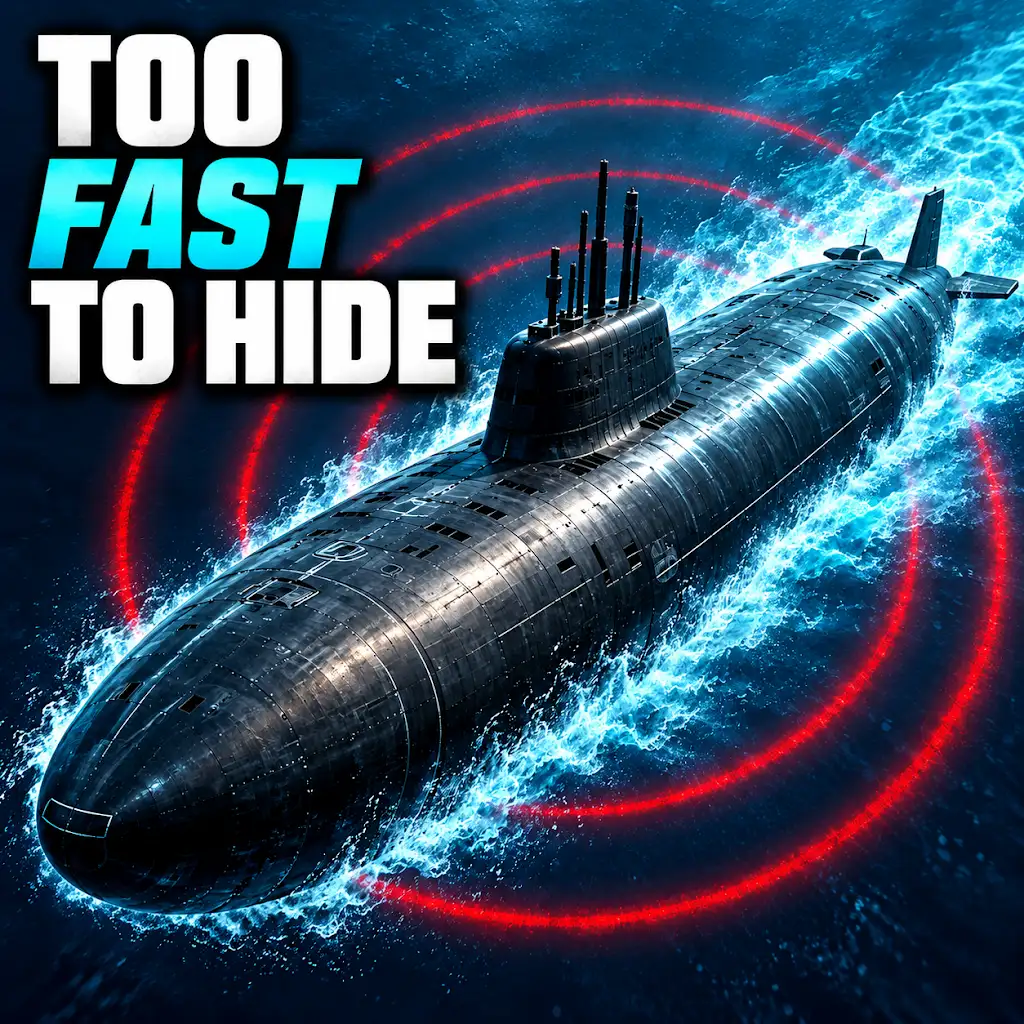
The Soviet Submarine That Broke a Speed Record—and Its Own Stealth
FAQs
What was the Soviet submarine engineering triumph?
The Soviet submarine engineering triumph refers to the development and deployment of the Typhoon-class submarines by the Soviet Union during the Cold War. These submarines were the largest ever built, with advanced technology and capabilities.
What tactical failure occurred with the Soviet submarines?
Despite their impressive engineering, the Typhoon-class submarines faced a tactical failure due to their large size and limited maneuverability. This made them vulnerable to detection by enemy forces, compromising their effectiveness in covert operations.
How did the tactical failure impact Soviet submarine operations?
The tactical failure of the Typhoon-class submarines limited their operational capabilities, particularly in terms of stealth and agility. This hindered their ability to carry out missions without being detected by enemy surveillance and anti-submarine warfare measures.
Were there any successful missions conducted by the Soviet submarines?
While the Typhoon-class submarines faced challenges due to their tactical limitations, they were still able to conduct successful missions, such as strategic deterrence patrols and intelligence gathering operations. However, their overall effectiveness was impacted by their tactical vulnerabilities.
What lessons were learned from the Soviet submarine engineering triumph tactical failure?
The tactical failure of the Typhoon-class submarines highlighted the importance of balancing engineering advancements with operational considerations. It underscored the need for submarines to be not only technologically advanced but also tactically sound in order to effectively fulfill their missions.