Echoes of the Past: A Journey Through Ancestral Archives
The allure of uncovering one’s family history is a primal human instinct, a desire to connect with the roots that anchor us to the present. For many, this exploration takes the form of dusty photo albums, inherited heirlooms, and whispered family anecdotes. Yet, in a world increasingly shaped by digital archives and immersive storytelling, a new avenue has opened: the family history documentary. This article delves into the profound experience of creating and consuming a WWII family history documentary, exploring the meticulous research, emotional resonance, and the powerful legacy it leaves behind. It is a testament to how personal narratives, interwoven with significant historical events, can offer a unique lens through which to understand both our individual journeys and the collective human experience. The journey is not merely about cataloging names and dates; it is about breathing life back into forgotten stories, piecing together fragments of courage, resilience, and sacrifice that shaped generations.
If you’re interested in exploring the profound impact of World War II on family histories, you might find the article on family history documentaries particularly enlightening. It delves into how personal narratives and archival footage can bring to life the experiences of those who lived through the war. For more insights, you can read the article here: Family History Documentaries and WWII.
The Spark of Discovery: Initiating the Genealogical Quest

The genesis of a family history documentary, especially one centered on World War II, often stems from a deeply personal impetus. It might be the discovery of an old war medal tucked away in an attic, a cryptic letter from a distant relative, or a recurring family legend that begs for further investigation. This initial spark ignites a burning curiosity, a yearning to understand the lives of those who came before, particularly during a period of such global upheaval. The desire to preserve these stories for future generations is a powerful motivator, transforming a passive interest into an active, often consuming, pursuit.
The Unseen Archives: Scouring for Clues
The initial phase of any genealogical research, and indeed documentary filmmaking, involves an exhaustive search for tangible evidence. This can range from meticulously organized family bibles and birth certificates to more elusive artifacts like diaries, letters, and official military records. The digital age has revolutionized this process, with online databases and digitized archives offering access to a wealth of information previously confined to physical repositories. Websites dedicated to military service records, immigration manifests, and census data become invaluable tools in piecing together the foundational elements of a family tree. It is a process akin to detective work, where each document, each faded photograph, is a clue waiting to be interpreted. The thrill of discovery, of finding a connection that was previously unknown, is a driving force that propels researchers forward.
Navigating Bureaucratic Labyrinths: Official Records and Their Significance
Accessing official records, particularly those pertaining to military service during WWII, can be a complex undertaking. Government archives, such as the National Archives in the United States or the Imperial War Museums in the United Kingdom, hold vast collections of service records, unit histories, and casualty lists. These documents, often dense with military jargon and standardized formats, require careful deciphering. They provide crucial information about an individual’s rank, unit, dates of service, and even their wartime experiences, such as deployments, battles, and any commendations or injuries sustained. Beyond military records, immigration documents, naturalization papers, and even newspaper archives can shed light on an ancestor’s life before, during, and after the war. Each official document, however dry it may appear, is a factual anchor, grounding the more personal narratives in historical reality.
The Power of Personal Accounts: Oral Histories and Epistolary Treasures
While official records provide the framework, it is the personal accounts that imbue a family history documentary with its emotional soul. Letters exchanged between soldiers and their families offer an intimate glimpse into the anxieties, hopes, and daily realities of wartime. Diaries, when preserved, provide unfiltered thoughts and observations, often revealing the emotional toll of conflict. Oral histories, recorded from living relatives who experienced the war or its immediate aftermath, offer firsthand testimonies and personal reflections. These accounts, often filled with vivid anecdotes and heartfelt emotions, are the heart of the documentary, transforming abstract historical events into relatable human experiences. The process of interviewing family members, coaxing out memories that may have been dormant for decades, is a delicate and rewarding endeavor.
Crafting the Narrative: Weaving History and Personal Stories

Once the raw material has been gathered, the next crucial step is to transform it into a compelling narrative. A family history documentary is not simply a chronological recitation of facts; it is a carefully constructed story that balances historical context with individual experiences. The filmmaker must act as both historian and storyteller, ensuring accuracy while also evoking emotion and engaging the viewer. This involves identifying key themes, structuring the narrative arc, and selecting the most impactful pieces of evidence to illustrate the family’s journey.
Setting the Stage: Historical Context and Societal Influences
To truly understand an individual’s wartime experience, it is essential to place them within the broader historical landscape. This involves researching the specific events of WWII – the major battles, the political climate, the societal shifts – that directly impacted the lives of the family members in question. Understanding the broader context allows the audience to grasp the magnitude of the challenges faced and the sacrifices made. For instance, detailing the conditions on the home front, the rationing, the propaganda, or the anxieties of waiting for news from overseas, adds depth to the personal stories of those serving on the front lines. This historical backdrop serves as the canvas upon which the individual family portraits are painted.
The Tapestry of Lives: Intertwining Individual Journeys
A compelling family history documentary often explores the interconnectedness of its subjects. While one ancestor might have been a soldier in Europe, another might have been a nurse on the home front, or a child enduring the Blitz in London. The filmmaker’s task is to weave these disparate threads into a cohesive tapestry, highlighting how their lives, though separated by geography or role, were all profoundly shaped by the war. This might involve exploring themes of shared sacrifice, resilience in the face of adversity, or the enduring strength of family bonds across vast distances. The narrative power comes from demonstrating how these individual stories, when brought together, create a richer and more complex understanding of the family’s legacy.
Visual Storytelling: Photographs, Film, and Visual Arts
The visual element is paramount in bringing a family history documentary to life. The careful selection and use of photographs, home movies, and even archival footage can powerfully evoke the era and the emotions of the time. Faded black-and-white snapshots of young soldiers, grainy home movies capturing moments of everyday life, or official newsreel footage depicting the grim realities of war can all serve to transport the viewer. The editing process becomes an art form, where still images are animated, letters are read aloud over evocative imagery, and personal accounts are juxtaposed with historical footage to create a dynamic and immersive experience. The visual narrative complements and enhances the spoken word, creating a multi-layered storytelling experience.
The Emotional Resonance: Connecting with Ancestral Experiences
One of the most profound aspects of creating or watching a family history documentary is the emotional connection it fosters. It transcends the academic pursuit of facts and delves into the realm of human empathy, allowing viewers to connect with the joys, sorrows, fears, and triumphs of their ancestors. This emotional resonance is what makes these documentaries so powerful and enduring.
Walking in Their Shoes: Empathy and Understanding
As the documentary unfolds, viewers begin to understand the motivations, sacrifices, and struggles of their ancestors in a deeply personal way. They may feel the pang of anxiety as a soldier writes home about the uncertainties of battle, or the quiet strength of a mother managing a household while her husband is away. This vicarious experience fosters a profound sense of empathy, allowing viewers to feel a tangible connection to the past. It is no longer just a name on a family tree, but a flesh-and-blood individual with hopes, dreams, and fears not so different from their own. This emotional bridge is crucial for understanding the human cost of war and the resilience of the human spirit.
The Weight of Sacrifice: Recognizing Unsung Heroes
Many family history documentaries bring to light the stories of individuals who may not have been recognized in traditional historical accounts. These are the everyday men and women who contributed to the war effort in myriad ways, often with little fanfare. Whether it was working in factories, tending to the wounded, or maintaining morale on the home front, their contributions were vital. The documentary provides a platform to honor these unsung heroes, giving them the recognition they deserve and ensuring their sacrifices are not forgotten. It highlights the fact that history is not solely made by generals and politicians, but by countless individuals whose collective actions shape the course of events.
Legacy and Identity: Shaping Present-Day Perspectives
Uncovering family history has a profound impact on an individual’s sense of identity. By understanding the journeys of their ancestors, particularly during such a transformative period as WWII, individuals can gain a deeper appreciation for their own place in the world. The documentary serves as a tangible testament to their heritage, a collection of stories that inform their present and future. It can inspire a greater sense of responsibility, a renewed appreciation for the freedoms they enjoy, and a deeper understanding of the values that have been passed down through generations. The legacy of their ancestors becomes an intrinsic part of their own identity.
Exploring family history can often lead to fascinating discoveries, especially when delving into the stories of those who lived through significant events like World War II. A compelling resource for anyone interested in this topic is an article that provides insights into how personal narratives can illuminate the broader historical context of the war. You can read more about this in the article on family history and its connection to WWII by visiting this link. Understanding these connections not only enriches our knowledge of the past but also helps us appreciate the sacrifices made by previous generations.
Preservation and Legacy: Ensuring Stories Endure
| Metric | Data/Value | Description |
|---|---|---|
| Number of Documentaries Produced | 150+ | Estimated number of family history documentaries related to WWII produced globally |
| Average Runtime | 60 minutes | Typical length of a family history WWII documentary |
| Common Themes | Personal stories, letters, war diaries, interviews | Frequent elements featured in family history WWII documentaries |
| Primary Sources Used | Archival footage, photographs, military records | Types of historical materials commonly incorporated |
| Audience Reach | Millions worldwide | Estimated global viewership for popular family history WWII documentaries |
| Languages Available | 10+ | Number of languages in which these documentaries are typically available |
| Notable Documentary Examples | “The War” by Ken Burns, “World War II in HD” | Examples of well-known family history WWII documentaries |
The creation of a family history documentary is not merely an exercise in remembrance; it is an act of preservation. It is about safeguarding precious narratives from the erosion of time, ensuring that the lessons and legacies of the past are accessible to future generations. The finished product becomes a vital artifact, a living testament to the lives that came before.
The Archival Imperative: Safeguarding the Documentary
Once completed, the family history documentary itself becomes an important archive. Considerations must be made for its long-term preservation, ensuring that the digital files or physical media remain accessible for years to come. This might involve backing up data to multiple secure locations, storing physical copies in climate-controlled environments, and considering formats that are likely to remain compatible in the future. The documentary is more than just a film; it is a curated collection of historical evidence and personal testimony, entrusted to future generations.
Sharing the Inheritance: A Gift to Descendants
The most powerful aspect of a family history documentary is its ability to be shared. It is a gift to descendants, offering them a direct connection to their lineage that might otherwise be lost. Whether screened at family gatherings, shared online, or donated to local historical societies, the documentary ensures that the stories continue to be told and appreciated. It provides a tangible link to the past that can spark further interest in genealogy and history within younger generations, fostering a continued appreciation for their heritage.
The Enduring Echo: Lessons for the Future
Ultimately, family history documentaries, especially those focused on pivotal historical moments like WWII, offer invaluable lessons for the future. They serve as poignant reminders of the human cost of conflict, the importance of courage and resilience, and the enduring power of family and community. By understanding the experiences of those who lived through such challenging times, we gain a deeper appreciation for peace, freedom, and the interconnectedness of the human story. The echoes of the past, carefully preserved and vividly retold, continue to resonate, informing our present and guiding our future.
The Filmmaking Process: From Concept to Screen
The journey of creating a family history documentary is as intricate as the historical events it often depicts. It requires a unique blend of meticulous research, compelling storytelling, and technical skill. The process can be both emotionally taxing and immensely rewarding, as the filmmaker delves into the lives of their ancestors and strives to bring their stories to life for an audience.
Conceptualization and Scripting: Defining the Narrative Arc
The initial stage of filmmaking involves a clear conceptualization of the documentary’s theme and scope. What is the central story being told? What are the key individuals and events to focus on? This phase often involves extensive brainstorming and outlining, where the filmmaker begins to sketch out a narrative arc. Unlike a fictional film, a documentary is bound by the available evidence. Therefore, the narrative structure must be flexible enough to accommodate discoveries made during the research process. Scripting involves more than just dialogue; it encompasses the narration, the order of interviews, the integration of archival material, and the emotional tone of the film. Every element is carefully considered to guide the viewer through the story.
The Art of the Interview: Capturing Authentic Voices
Interviews are the lifeblood of most family history documentaries. The filmmaker must be adept at creating a comfortable and conducive environment for subjects to share their memories. This requires not only technical skill in recording audio and video but also a sensitivity to the emotional weight of the stories being told. Pre-interview research is crucial, allowing the filmmaker to ask informed and probing questions that encourage deeper reflection. The art lies in eliciting genuine emotions and authentic recollections, capturing the nuances of memory and personal perspective. Sometimes, the most powerful moments come from unplanned revelations or heartfelt anecdotes that were not initially anticipated.
Editing and Post-Production: Shaping the Final Vision
The editing process is where the raw footage and research materials are transformed into a cohesive and compelling narrative. This is a highly creative and technical phase, involving the selection of the best interview clips, the seamless integration of archival footage and photographs, and the crafting of a narrative flow. Music and sound design play a crucial role in setting the mood and enhancing the emotional impact of the film. Color correction, audio mixing, and the addition of titles and graphics all contribute to the polished final product. The editor acts as a storyteller, meticulously shaping every frame to convey the intended message and evoke the desired emotional response from the audience. The post-production phase can be lengthy, as each element is refined to create a powerful and impactful viewing experience.
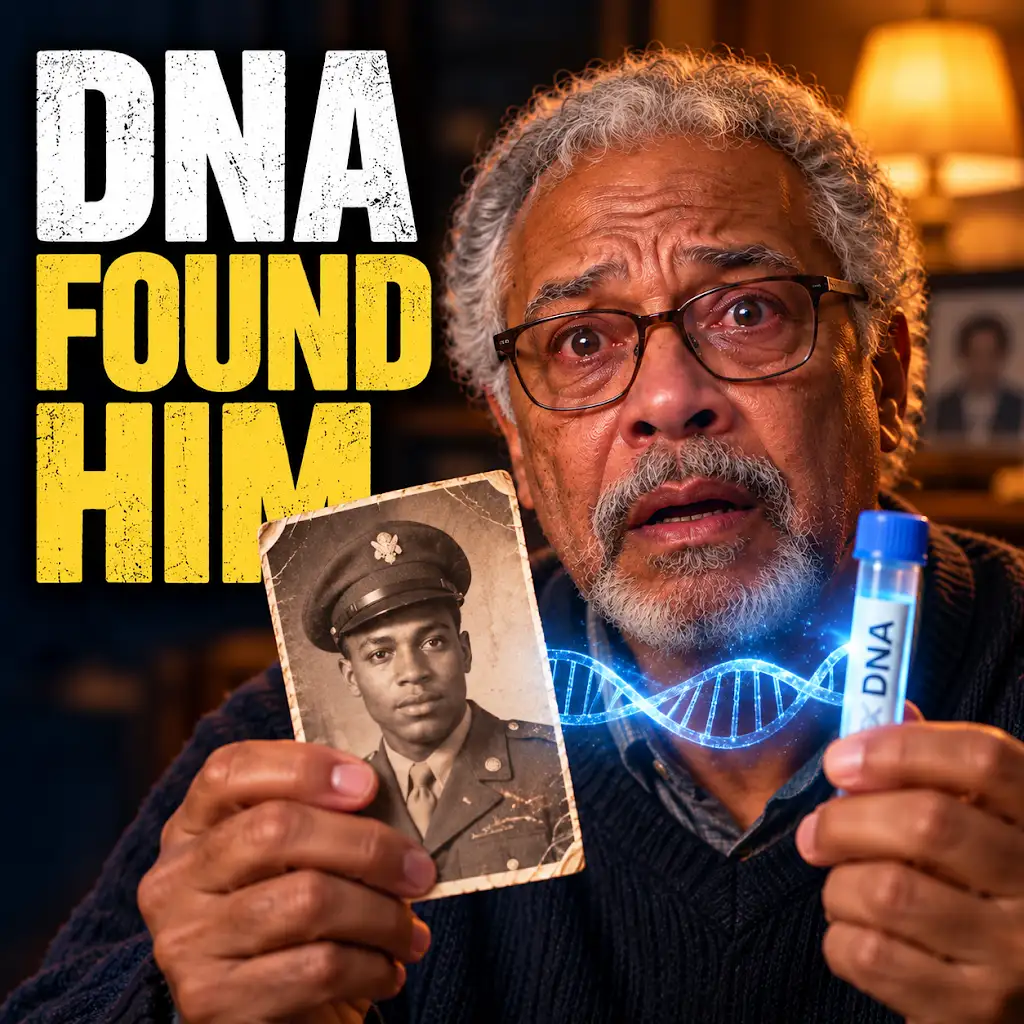
His WWII GI Father Was a Mystery for Nearly 80 Years
FAQs
What is a family history documentary about WWII?
A family history documentary about WWII is a film or video project that explores the experiences and stories of individuals and families during World War II. It typically involves interviews with family members, archival footage, photographs, and other historical materials to create a comprehensive record of a family’s connection to the war.
Why create a family history documentary about WWII?
Creating a family history documentary about WWII can help preserve the memories and experiences of those who lived through the war. It can also provide future generations with a better understanding of the impact of WWII on their family and the world at large.
What are some common elements included in a family history documentary about WWII?
Common elements included in a family history documentary about WWII may include personal interviews with family members who lived through the war, archival footage and photographs from the time period, historical context about the war, and narration to tie the story together.
How can I start creating a family history documentary about WWII?
To start creating a family history documentary about WWII, you can begin by researching your family’s connection to the war, gathering any relevant materials such as photographs or letters, conducting interviews with family members, and outlining the structure and content of your documentary.
What are some tips for making a compelling family history documentary about WWII?
Some tips for making a compelling family history documentary about WWII include focusing on personal stories and emotions, incorporating a variety of visual and audio elements, maintaining historical accuracy, and editing the footage in a way that engages and informs the audience.