The landscape of global defense is in a constant state of evolution, driven by the relentless march of technological innovation. For military intelligence, this evolution is not merely an incremental upgrade; it represents a fundamental reshaping of how nations perceive threats, gather information, and ultimately, strategize for future conflicts. The integration of advanced technologies is moving intelligence from a reactive process to a proactive, predictive, and pervasive force multiplier. This transformation is crucial for maintaining strategic advantage in an increasingly complex and contested geopolitical environment.
The Algorithmic Crucible: AI and Machine Learning in Intelligence Analysis
Artificial intelligence (AI) and machine learning (ML) are no longer theoretical concepts within military intelligence; they are rapidly becoming indispensable tools. Their ability to process vast quantities of data at speeds far exceeding human capacity is revolutionizing the identification of patterns, anomalies, and potential threats. This shift is not about replacing human analysts but augmenting their capabilities, allowing them to focus on higher-level interpretation and strategic decision-making.
Data Fusion and Pattern Recognition at Scale
The sheer volume of data generated by modern military operations – from satellite imagery and signals intelligence to open-source information and sensor networks – is overwhelming. AI and ML algorithms excel at fusing disparate data streams, identifying subtle connections that would otherwise remain hidden. These systems can sift through petabytes of information, flagging potential targets, identifying emergent enemy tactics, and predicting future adversary actions with increasing accuracy. This allows for a more comprehensive and nuanced understanding of the operational environment. For instance, ML models can analyze communication intercepts, social media trends, and logistics data to identify potential mobilization or troop movements long before traditional reconnaissance methods would detect them. This predictive capability is a game-changer for early warning and preemptive action.
Enhanced Situational Awareness and Predictive Modeling
AI-powered tools are transforming situational awareness from a static snapshot to a dynamic, evolving picture. By continuously analyzing incoming data, these systems can provide real-time updates on the battlefield, identify critical vulnerabilities in enemy defenses, and even forecast potential outcomes of different operational scenarios. Predictive modeling, powered by sophisticated algorithms, allows military planners to explore “what-if” scenarios with unprecedented detail. This can range from predicting the impact of a cyberattack on critical infrastructure to forecasting the most likely routes for enemy advances. The ability to anticipate adversary moves and understand the potential consequences of friendly actions is paramount in preventing miscalculation and optimizing resource allocation.
Autonomous Systems and Intelligent Autonomy
The development of autonomous systems, from unmanned aerial vehicles (UAVs) to robotic ground vehicles, is intrinsically linked to advancements in military intelligence. These systems are not merely remote-controlled platforms; they are increasingly equipped with AI that allows them to make independent decisions based on mission parameters and real-time intelligence. This autonomy extends to intelligence gathering itself. For example, AI-powered drones can autonomously identify and track targets, analyze battlefield conditions, and even conduct preliminary threat assessments, relaying critical information back to human operators. This frees up human resources for more complex tasks and allows for persistent, low-risk intelligence gathering in contested environments. The ethical considerations surrounding lethal autonomous weapons systems remain a significant debate, but the intelligence applications of AI in autonomous platforms are undeniably advancing rapidly.
In the ever-evolving landscape of military technology intelligence, understanding the latest advancements is crucial for strategic planning and national security. A related article that delves into the implications of emerging technologies in defense is available at this link: Military Technology Intelligence Insights. This piece explores how innovations such as artificial intelligence, drone warfare, and cyber capabilities are reshaping modern military operations and intelligence gathering.
The Digital Battlefield: Cyber and Electronic Warfare Intelligence
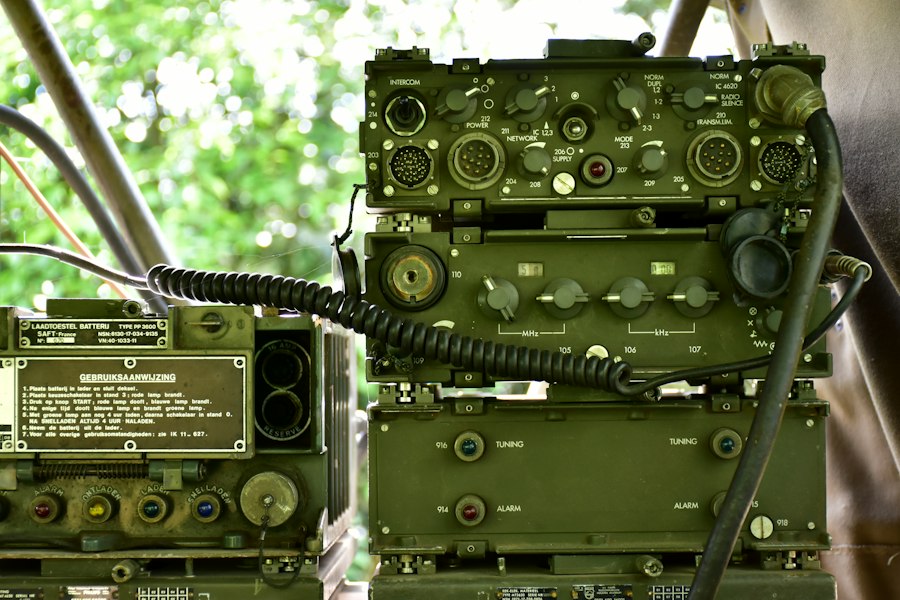
The convergence of cyberspace and the physical domain has created a new frontier for intelligence gathering and a critical battleground for future conflicts. Cyber warfare intelligence focuses on understanding adversary capabilities, intentions, and activities within the digital realm, while electronic warfare intelligence deals with the interception, analysis, and disruption of electromagnetic spectrum operations.
Adversary Network Mapping and Vulnerability Assessment
Understanding the intricate networks that underpin modern military operations – command and control systems, communication infrastructure, and weapon platforms – is a primary objective of cyber intelligence. Advanced tools are employed to map these networks, identify critical nodes, and uncover vulnerabilities that can be exploited or defended against. This involves sophisticated probing, analysis of network traffic, and the use of advanced malware to gain insights into adversary digital architectures. The goal is to create a detailed picture of the digital battlefield, identifying potential entry points for offensive operations or critical infrastructure that requires robust defense. This also includes understanding the types of exploits and malware adversaries are developing and deploying, allowing for the development of countermeasures.
Signals Intelligence (SIGINT) Modernization and Exploitation
Signals intelligence, the collection of information from electronic signals, remains a cornerstone of military intelligence. However, the nature of these signals is constantly evolving, with the proliferation of encrypted communications, spread spectrum technologies, and novel transmission methods. Advancements in AI and ML are crucial for modernizing SIGINT capabilities. These technologies enable faster decryption, more accurate signal classification, and the identification of even the weakest or most obscure signals. Furthermore, AI can help to correlate intercepted communications with other intelligence sources, providing a more complete understanding of adversary intentions and capabilities. The ability to effectively exploit the electromagnetic spectrum is crucial for both offensive and defensive operations, providing insights into enemy movements, plans, and technological sophistication.
Counter-Intelligence and Deception Detection in the Digital Age
The digital domain is also fertile ground for deception. Adversaries employ sophisticated tactics to mislead, misinform, and mask their true intentions. Counter-intelligence efforts are thus increasingly focused on identifying digital deception campaigns, analyzing the origins and spread of disinformation, and detecting attempts to manipulate intelligence feeds. AI can play a significant role in this by identifying patterns indicative of orchestrated deception, analyzing the linguistic and behavioral characteristics of fake accounts, and tracing the flow of manipulated information. Moreover, understanding how adversaries use electronic warfare for deception – such as jamming or spoofing signals – is critical for ensuring the integrity of friendly communications and sensor data.
The Eyes Above and Below: Advanced Sensing and Overhead Intelligence
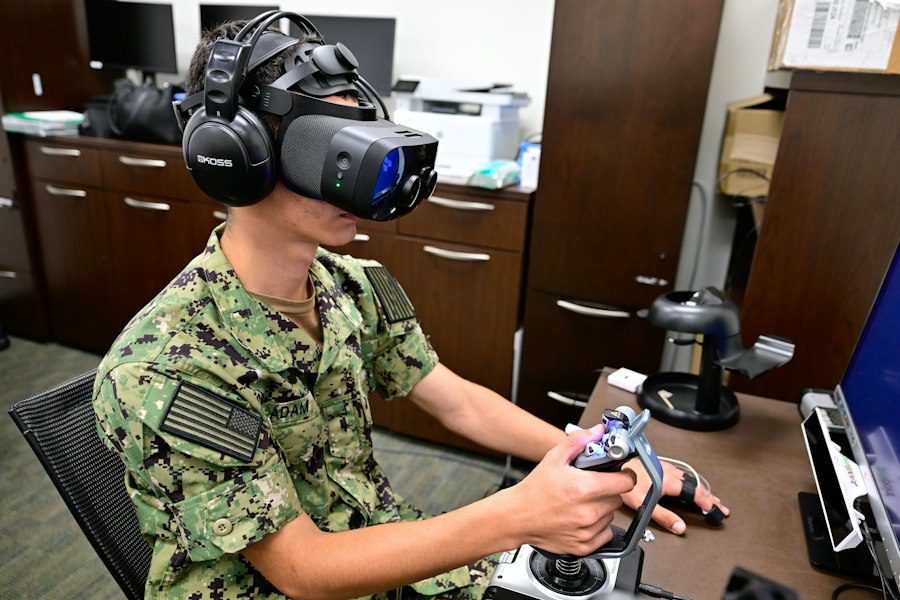
The ability to see, hear, and otherwise sense the environment from above and below the surface remains a critical component of military intelligence. Advancements in sensor technology, coupled with sophisticated processing and dissemination capabilities, are delivering unprecedented levels of detail and reach. This domain encompasses everything from traditional satellite imagery to novel acoustic and seismic monitoring.
Next-Generation Satellites and Persistent Surveillance
The evolution of satellite technology has moved beyond occasional snapshots to persistent, high-resolution surveillance. New generations of satellites are equipped with advanced optical, infrared, radar, and hyperspectral sensors, capable of detecting subtle changes on the ground, identifying camouflaged assets, and monitoring activity in all weather conditions, day and night. The increasing density and interconnectedness of satellite constellations allow for near-continuous monitoring of vast areas, providing a constant stream of intelligence. AI plays a crucial role in processing this deluge of imagery, automatically identifying objects of interest, tracking their movements, and flagging anomalies for human analysts. This persistent surveillance capability provides a crucial advantage in understanding adversary presence and activity over extended periods.
Unmanned Aerial Systems (UAS) and Tactical Reconnaissance
UAS, commonly known as drones, have revolutionized tactical intelligence gathering. Their adaptability, affordability, and ability to operate in contested airspace make them invaluable for immediate battlefield reconnaissance. Advances in sensor payloads – including high-definition video, thermal imaging, and electronic intelligence gathering equipment – coupled with increasingly sophisticated AI for autonomous navigation and target identification, mean that UAS are providing real-time, actionable intelligence directly to warfighters on the ground. Swarms of smaller UAS can provide a distributed sensing capability, overwhelming adversary defenses and providing a more comprehensive picture of the immediate operational environment.
Sub-Surface and Covert Sensing Technologies
Intelligence gathering is not limited to the sky. Advancements in sensing technologies are also enabling more effective monitoring of sub-surface activities, including naval movements and underwater infrastructure. This can involve passive acoustic monitoring, advanced sonar systems, and the deployment of autonomous underwater vehicles (AUVs) equipped with a range of sensors. Furthermore, novel covert sensing technologies are being developed to gather intelligence from within adversary territory or in denied areas, often utilizing miniaturized sensors and advanced data exfiltration techniques. These advancements push the boundaries of traditional intelligence gathering, allowing for deeper and more clandestine insights.
The Human Element Amplified: Intelligence Fusion and Human-Machine Teaming
While technology is a powerful enabler, the human element remains central to effective military intelligence. The future of intelligence lies in the seamless integration of human expertise with advanced technological capabilities, fostering a synergistic relationship that enhances decision-making and operational effectiveness.
Integrated Intelligence Operations Centers (IIOCs)
The concept of the Integrated Intelligence Operations Center (IIOC) represents a paradigm shift in how intelligence is collected, analyzed, and disseminated. These centers bring together analysts from various disciplines – human intelligence (HUMINT), signals intelligence (SIGINT), imagery intelligence (IMINT), open-source intelligence (OSINT), and more – alongside AI and machine learning specialists, under one roof. This co-location and integrated approach facilitates the rapid fusion of diverse intelligence streams, enabling a more holistic understanding of threats and opportunities. The ability to cross-pollinate insights between different intelligence disciplines, amplified by AI’s analytical power, leads to richer, more actionable intelligence products.
The Rise of the “Augmented Analyst”
The “augmented analyst” is a key concept in the future of military intelligence. This refers to a human analyst whose capabilities are significantly enhanced by AI-powered tools. Instead of spending hours sifting through raw data, augmented analysts can leverage AI to pre-process information, identify potential leads, and perform complex analytical tasks. This allows them to focus their cognitive abilities on higher-order thinking, such as strategic interpretation, creative problem-solving, and the ethical implications of intelligence operations. The development of intuitive user interfaces and effective human-AI collaboration protocols is critical to realizing the full potential of the augmented analyst.
Ethical Considerations and Trust in AI-Driven Intelligence
As AI becomes more integrated into military intelligence, critical ethical considerations and the establishment of trust become paramount. The potential for bias in AI algorithms, the challenges of ensuring accountability for AI-driven decisions, and the implications of using AI in lethal decision-making processes are all areas of intense scrutiny. Military organizations must develop robust frameworks for the ethical development, deployment, and oversight of AI in intelligence, ensuring that these technologies are used responsibly and in accordance with international law and ethical norms. Building trust in AI-driven intelligence products among human decision-makers requires transparency in how these systems operate and rigorous validation of their outputs.
In the ever-evolving landscape of military technology intelligence, understanding the latest advancements is crucial for strategic planning and national security. A recent article on this topic can be found at In the War Room, which explores the implications of emerging technologies on modern warfare. This resource provides valuable insights into how innovations are reshaping military operations and intelligence gathering, making it essential reading for anyone interested in the future of defense strategies.
Shaping the Future: Strategic Implications and Future Trajectories
| Metric | Description | Current Value | Unit | Source |
|---|---|---|---|---|
| Satellite Reconnaissance Coverage | Percentage of global landmass monitored by military satellites | 85 | % | Defense Intelligence Agency |
| Signal Intelligence (SIGINT) Intercepts | Number of intercepted communications per day | 1,200,000 | Signals/day | National Security Agency |
| Cyber Warfare Capabilities | Number of active cyber units specializing in offensive operations | 15 | Units | Military Cyber Command |
| Unmanned Aerial Vehicle (UAV) Deployments | Number of UAV missions conducted monthly for intelligence gathering | 350 | Missions/month | Air Force Intelligence |
| Artificial Intelligence Integration | Percentage of intelligence analysis processes assisted by AI | 40 | % | Defense Advanced Research Projects Agency |
| Electronic Warfare Systems | Number of deployed electronic warfare systems globally | 120 | Systems | Global Military Technology Report |
The continuous advancements in military technology intelligence are not merely about improving current capabilities; they are fundamentally reshaping defense strategies for the long term. Nations that effectively leverage these technological leaps will gain a significant strategic advantage, influencing the nature of future conflicts and the dynamics of global power.
The Shift Towards Proactive and Predictive Defense
The most significant strategic implication of advanced military technology intelligence is the shift from a reactive to a proactive and predictive defense posture. By anticipating threats and understanding adversary intentions before they fully materialize, nations can deter aggression more effectively, respond to emerging crises with greater agility, and allocate resources more efficiently. This predictive capability allows for preemptive diplomatic or economic measures, targeted cyber defenses, or the strategic deployment of forces, all aimed at de-escalating tensions or mitigating potential damage.
The Intensification of Information Warfare and Cognitive Competition
The increasing sophistication of intelligence technologies is also fueling an intensification of information warfare and cognitive competition. The ability to influence perceptions, shape narratives, and manipulate information in cyberspace and through other channels is becoming as critical as traditional kinetic capabilities. Military intelligence plays a vital role in understanding these dynamics, identifying adversary disinformation campaigns, and developing strategies to counter them, while also enabling friendly information operations. The battle for hearts and minds, increasingly waged in the digital and cognitive space, will be a defining characteristic of future conflicts.
The Imperative of Adaptability and Continuous Learning
The rapid pace of technological change necessitates a culture of continuous learning and adaptability within military intelligence organizations. What is cutting-edge today will be obsolete tomorrow. Therefore, a key strategic imperative is to foster an environment where personnel are constantly acquiring new skills, embracing new technologies, and challenging existing paradigms. Investing in training, promoting research and development, and establishing flexible organizational structures that can quickly integrate new capabilities are essential for maintaining relevance and effectiveness in the evolving landscape of defense intelligence. The future of defense hinges on the ability to anticipate, adapt, and out-innovate.

A 3-Year Drought Hit the Hittite Empire. Did It Cause the Collapse?
FAQs
What is military technology intelligence?
Military technology intelligence refers to the collection, analysis, and dissemination of information related to military equipment, weapons, and capabilities of various countries.
How is military technology intelligence used by the military?
Military technology intelligence is used by the military to assess potential threats, develop strategies, and make informed decisions regarding defense and national security.
What are some examples of military technology intelligence gathering methods?
Examples of military technology intelligence gathering methods include satellite imagery analysis, signals intelligence (SIGINT), human intelligence (HUMINT), and open-source intelligence (OSINT).
Why is military technology intelligence important in modern warfare?
Military technology intelligence is crucial in modern warfare as it provides valuable insights into the capabilities and intentions of potential adversaries, allowing for better preparedness and strategic advantage.
How does military technology intelligence contribute to military innovation?
Military technology intelligence helps identify emerging technologies and trends, enabling military forces to adapt, develop new capabilities, and stay ahead in the ever-evolving landscape of warfare.