The Six-Day War, a swift and decisive conflict in June 1967, remains a pivotal moment in the history of the Middle East. While the war involved land and sea battles, it was the overwhelming dominance of the Israeli Air Force (IAF) that arguably dictated the war’s trajectory and outcome. This article will delve into the multifaceted reasons behind the IAF’s unparalleled success, examining its strategic planning, technological advantages, pilot proficiency, and the critical role it played in neutralizing enemy air forces and supporting ground operations.
Tensions in the region had been simmering for years, fueled by escalating Arab nationalism, border skirmishes, and the persistent Palestinian refugee crisis. By the spring of 1967, the situation had reached a fever pitch. Egypt, under Gamal Abdel Nasser, had begun a military buildup in the Sinai Peninsula, expelled UN peacekeeping forces, and blockaded the Straits of Tiran, effectively cutting off Israeli access to the Red Sea – an act considered an casus belli by Israel.
Rising Arab Military Posturing
Across the Arab world, rhetoric against Israel grew increasingly bellicose. Syria, Jordan, and Iraq, among others, mobilized their forces and engaged in joint military planning with Egypt. The air was thick with pronouncements of imminent war and the promise of Israel’s annihilation. This heightened state of readiness, however, also presented an opportunity for a pre-emptive strike.
Israel’s Strategic Dilemma
Israel, a small nation surrounded by hostile neighbors, found itself in a precarious position. The mobilization of Arab armies posed an existential threat. The leadership debated the merits of a pre-emptive strike versus waiting to be attacked. The decision to strike first was not taken lightly, but the perceived inevitability of war, coupled with the overwhelming numerical superiority of the Arab forces, led to the conclusion that a swift and decisive blow was necessary to secure national survival.
The Six Day War in 1967 marked a significant turning point in Middle Eastern history, particularly highlighting the strategic prowess of the Israeli Air Force. For a deeper understanding of the air operations and their impact during this conflict, you can read the related article on the topic at In The War Room. This resource provides valuable insights into the tactics employed by the Israeli forces and the broader implications of their air superiority during the war.
Operation Focus: A Masterclass in Pre-emptive Air Superiority
The Israeli Air Force’s plan for the opening hours of the war, codenamed “Operation Focus,” was audacious and remarkably effective. It aimed to cripple the Egyptian, Syrian, and Jordanian air forces on the ground before they could even get airborne. This strategy was born out of a deep understanding of air warfare principles and a keen appreciation for the vulnerabilities of static airfields.
The Element of Surprise: A Critical Factor
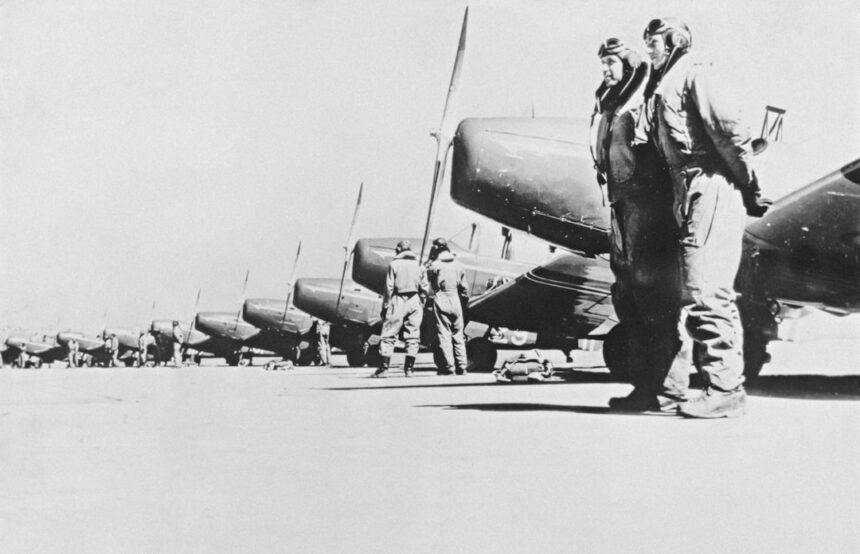
The IAF meticulously planned its attack to coincide with the early morning hours, a time when aircrews were typically less alert and ground crews were preparing for the day’s operations. The element of surprise was paramount, ensuring that enemy aircraft were caught unawares on their runways, in hangars, or during their pre-flight checks. This element was crucial in achieving the devastating effectiveness of the initial strikes.
Precision Strikes on Airfields
The primary targets of Operation Focus were the main air bases of Egypt, Syria, and Jordan. Wave after wave of Israeli fighter jets, primarily French-made Mystère IVs, Super Mystères, and Dassault Mirage IIIs, launched meticulously coordinated attacks. The pilots were trained to identify and destroy aircraft parked wingtip to wingtip on the tarmac, as well as to target runways, fuel depots, and other critical infrastructure.
Deception and Diversionary Tactics
To further enhance the surprise and confusion, the IAF employed diversionary tactics. Some aircraft made simulated attacks on less critical targets or feigned different attack vectors to mislead enemy air defense systems and ground controllers. This sophisticated maneuvering prevented enemy forces from accurately assessing the true nature and scope of the assault.
The Mirage III: A Technological Game-Changer

While pilot skill and strategic planning were crucial, the technological superiority of the Israeli Air Force, particularly its fleet of Dassault Mirage III fighters, played a significant role. This advanced aircraft was a significant step up from the Soviet-era planes flown by most Arab air forces.
Superior Speed and Maneuverability
The Mirage III boasted superior speed, climb rate, and agility compared to its Arab counterparts. This allowed Israeli pilots to engage enemy aircraft on their own terms, outmaneuver them in dogfights, and escape dangerous situations. Its delta-wing design contributed to its exceptional performance in aerial combat.
Advanced Weaponry and Avionics
Beyond its airframe, the Mirage III was equipped with more advanced weaponry, including Sidewinder air-to-air missiles, which offered a significant advantage over the less sophisticated cannons and rockets employed by some Arab aircraft. Its radar and fire control systems were also more refined, allowing for more accurate targeting.
The Impact on Arab Air Forces
The introduction of the Mirage III into regional air combat significantly shifted the balance of power. Arab pilots, often flying older aircraft like MiG-17s and MiG-21s, found themselves outmatched by the speed, maneuverability, and armament of the Israeli jets. The psychological impact of facing such a superior aircraft also played a role in their performance.
The Devastation of Arab Air Power: Zero Hour Success
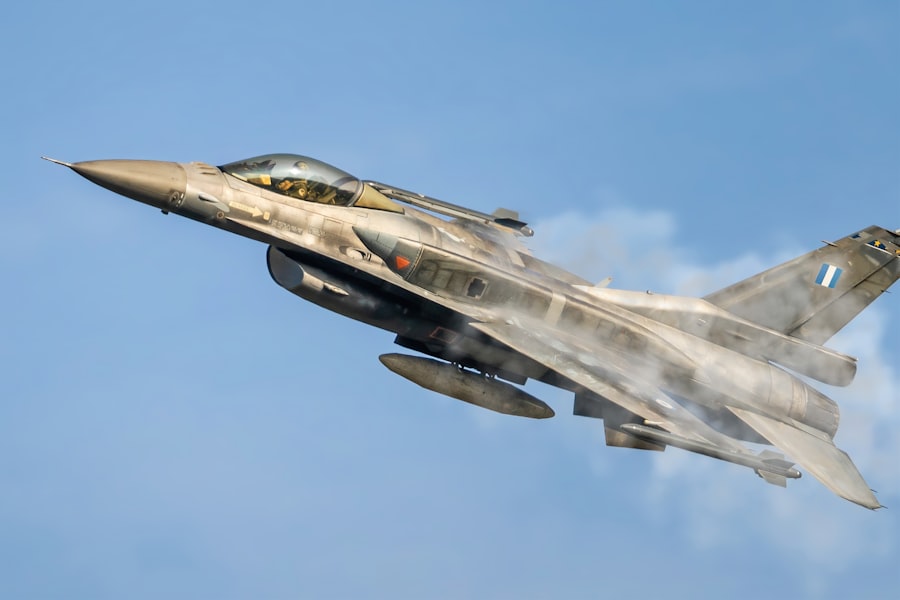
The initial waves of Operation Focus were an overwhelming success, achieving nearly all of their objectives. Within hours, the vast majority of the Egyptian, Syrian, and Jordanian air forces were rendered combat-ineffective, either destroyed on the ground or significantly damaged. This had profound implications for the rest of the war.
Egyptian Air Force Annihilation
Egypt, possessing the largest and most potent air force in the region, bore the brunt of the initial assault. Over 300 Egyptian aircraft, including its entire fleet of modern MiG-21s, were destroyed within the first few hours of the war. This effectively neutralized Egypt’s ability to challenge Israeli air superiority and protect its ground forces.
Syrian and Jordanian Air Forces Crippled
Similarly, the Syrian and Jordanian air forces suffered devastating losses. Their limited aircraft were also targeted and destroyed on the ground, preventing them from mounting any significant aerial resistance or providing close air support to their ground troops.
The Importance of Runway Denial
A key element of the IAF’s success was its focus on destroying runways. By rendering enemy airfields unusable, the Israelis ensured that even if some aircraft survived the initial attacks, they would be unable to take off and engage in combat. This was a critical component of maintaining air superiority for the duration of the conflict.
The Six Day War marked a significant turning point in Middle Eastern history, showcasing the strategic prowess of the Israeli Air Force. This conflict not only altered the geopolitical landscape but also highlighted the importance of air superiority in modern warfare. For a deeper understanding of the tactics employed during this pivotal moment, you can explore a related article that delves into the operational strategies and outcomes of the air campaigns. To read more about this fascinating topic, visit this article.
Supporting Ground Operations: Air Power as a Force Multiplier
| Metrics | Value |
|---|---|
| Number of Aircraft | 200+ |
| Sorties Flown | Over 10,000 |
| Enemy Aircraft Destroyed | 452 |
| Losses | 46 aircraft |
With air superiority secured, the Israeli Air Force transitioned to a crucial role in supporting its ground forces. This included providing close air support, interdicting enemy supply lines, and conducting reconnaissance missions. The IAF’s ability to operate with impunity in the skies transformed the ground war.
Close Air Support: A Decisive Edge
Israeli ground troops, facing numerically superior Arab armies, benefited immensely from the constant presence of IAF aircraft overhead. Fighter jets provided devastating close air support, attacking enemy positions, tanks, and artillery with precision. This significantly reduced Israeli casualties and boosted the morale of ground troops.
Directing Firepower with Precision
IAF pilots worked closely with ground commanders, receiving real-time intelligence and targeting information. This allowed for precise strikes on enemy concentrations, often neutralizing threats that could have otherwise inflicted heavy damage on Israeli formations. The integration of air and ground forces was a hallmark of the Israeli military’s success.
Interdiction and Logistics Disruption
Beyond direct combat support, the IAF played a vital role in disrupting Arab logistical chains. They targeted bridges, railways, and supply convoys, cutting off enemy forces from essential reinforcements and ammunition. This strategic interdiction weakened the enemy’s ability to sustain their offensives.
Photographic and Electronic Reconnaissance
The IAF’s reconnaissance capabilities were also essential. High-altitude reconnaissance aircraft provided invaluable intelligence on enemy movements, positions, and fortifications. Electronic intelligence gathering helped identify enemy radar sites and command centers, allowing for targeted strikes.
The Legacy of Air Superiority: A New Era in Warfare
The Six-Day War and the IAF’s dominance cemented its reputation as one of the world’s most effective air forces. The war demonstrated the critical importance of air superiority in modern warfare and served as a case study for military strategists worldwide.
A Paradigm Shift in Air Combat
The war fundamentally altered perceptions of air combat. The success of the pre-emptive strike doctrine and the devastating effectiveness of technologically superior aircraft showcased a new paradigm in aerial warfare. It highlighted the need for agile, multi-role aircraft and sophisticated electronic warfare capabilities.
Psychological Impact on Arab Armies
The psychological impact of the IAF’s overwhelming victory cannot be overstated. The swift and comprehensive destruction of their air forces demoralized Arab soldiers and commanders, contributing to their rapid collapse on the ground. This sense of invincibility instilled in the IAF further bolstered their confidence.
The Long-Term Implications for Regional Security
The Six-Day War, driven in large part by the IAF’s dominance, reshaped the geopolitical landscape of the Middle East. It led to significant territorial changes, prolonged occupation, and a complex and enduring peace process. The war’s outcome underscored the critical role of military might, particularly air power, in shaping regional dynamics. The legacy of the Six-Day War and the Israeli Air Force’s unmatched performance continues to influence military thinking and the understanding of air power’s decisive impact. The strategic brilliance, technological edge, and the sheer courage of the IAF pilots forged a legend that resonates to this day.

The Intelligence System That Won the Six-Day War Before It Began
FAQs
What was the Six Day War?
The Six Day War was a conflict fought between Israel and the neighboring states of Egypt, Jordan, and Syria in June 1967. It resulted in a decisive victory for Israel and significant territorial gains.
What role did the Israeli Air Force play in the Six Day War?
The Israeli Air Force played a crucial role in the Six Day War, launching preemptive strikes against the air forces of Egypt, Jordan, and Syria. These strikes effectively neutralized the air capabilities of the opposing forces and gave Israel air superiority throughout the conflict.
What were the key achievements of the Israeli Air Force during the Six Day War?
During the Six Day War, the Israeli Air Force achieved several key successes, including the destruction of a significant portion of the Egyptian, Jordanian, and Syrian air forces on the ground, as well as the successful bombing of key military targets in these countries.
How did the Israeli Air Force’s performance in the Six Day War impact the outcome of the conflict?
The Israeli Air Force’s performance in the Six Day War was instrumental in securing Israel’s victory. By achieving air superiority early in the conflict, the Israeli Air Force was able to provide crucial support to ground forces and maintain control of the skies, contributing to the overall success of Israeli military operations.
What was the international reaction to the Israeli Air Force’s actions during the Six Day War?
The international reaction to the Israeli Air Force’s actions during the Six Day War was mixed. While Israel’s swift and decisive victory was celebrated by many in the country, it also sparked significant controversy and condemnation from other nations, particularly those in the Arab world and the Soviet Union.