
The chilling winds of the Cold War had settled over Europe like a suffocating blanket. Berlin, a city cleaved in two by the iron curtain, found itself the epicenter of this burgeoning global tension. Following the Allied victory in World War II, Germany and its capital were divided into four occupation zones, administered by the United States, the United Kingdom, France, and the Soviet Union. This quadripartite division, intended to foster cooperation, quickly devolved into a stark ideological battleground. As the Western Allies pushed for a unified, democratic Germany, the Soviet Union, intent on establishing a communist satellite state, grew increasingly hostile. The city of Berlin, situated deep within the Soviet zone, became a critical flashpoint. In June 1948, the simmering tensions erupted into an unprecedented crisis, leading to what would become known as the Berlin Airlift, a monumental undertaking of logistics, courage, and sheer willpower.
The seeds of the Berlin crisis were sown in the growing chasm between the Western Allies and the Soviet Union. Post-war agreements regarding the administration of Germany were increasingly strained by differing visions for its future. The Western powers, recognizing the need for economic stability and democratic governance, initiated currency reforms in their zones of occupation, introducing the Deutsche Mark. This move, aimed at combating inflation and stimulating recovery, was perceived by the Soviets as a deliberate provocation, an attempt to solidify the division of Germany and undermine Soviet influence.
Soviet Provocations and the Blockade
The introduction of the new currency was met with swift and decisive action by the Soviet Union. In a move that sent shockwaves across the globe, Soviet authorities began to systematically obstruct all land and water traffic into West Berlin. Road and rail checkpoints were closed, barges were halted, and access to vital canals was denied. The stated justification was the need for security inspections, but the intent was undeniably clear: to starve West Berlin into submission and force the Western Allies to abandon the city. This blockade, which officially began on June 24, 1948, was a direct challenge to the Allied presence and a test of their resolve.
The implications of the blockade were dire. West Berlin, with its population of over two million people, was entirely dependent on external supplies for food, fuel, medicine, and all other essential goods. The city had no significant agricultural base, and its factories relied on imported raw materials. The Soviet blockade meant that these lifeblood supplies would be cut off, leaving the city vulnerable to collapse and the Allied presence untenable. The prospect of abandoning Berlin, a symbol of freedom and democracy in the heart of Soviet-controlled territory, was a deeply unpalatable one for the Western powers.
The Stakes: Freedom vs. Soviet Hegemony
The Berlin Blockade was far more than a mere logistical challenge; it was a profound ideological struggle. For the Western Allies, particularly the United States and Great Britain, Berlin represented a crucial outpost of democracy and a bulwark against the expansion of communism. Allowing the city to fall under Soviet control would be a devastating blow to Western credibility and a significant victory for Soviet expansionism. The moral and political implications of abandoning the people of West Berlin, who had endured the horrors of war and were now facing another form of oppression, were immense.
Conversely, for the Soviet Union, controlling Berlin was a strategic imperative. It would consolidate their influence in Eastern Europe, solidify their grip on the Soviet occupation zone, and serve as a powerful propaganda tool. The success of the blockade would demonstrate the limitations of Western power and potentially encourage further Soviet assertiveness in other parts of Europe. The stakes were exceptionally high, and the world watched with bated breath as the crisis unfolded.
The Berlin Airlift, a pivotal operation during the Cold War, showcased the resilience and determination of the Allied forces in response to the Soviet blockade of West Berlin. For a deeper understanding of the strategic implications and the humanitarian efforts involved in this historic event, you can read a related article that delves into the complexities of the airlift and its lasting impact on international relations. To explore this insightful piece, visit this link.
The “Candy Bombers” and the “Raisin Bombers”: Operation Vittles Takes Flight
Faced with the stark reality of the blockade, the Western Allies were presented with a difficult choice: abandon Berlin, risk a military confrontation with the Soviets, or find an alternative solution. Military intervention, while a theoretical option, carried the immense risk of escalating into a full-blown war, potentially a nuclear one. Abandonment was unthinkable. This left the unprecedented challenge of supplying an entire city by air. The audacious plan that emerged would become known as Operation Vittles, or more popularly, the Berlin Airlift.
The Conception of an Airborne Lifeline
The idea of supplying a city by air was not entirely novel, but the scale of West Berlin’s needs was staggering. Engineers and logistics experts, working around the clock, calculated the tonnage of supplies required daily. They determined that thousands of tons of food, coal, and other necessities would need to be flown in every single day to keep the city functioning. This necessitated an immense and sustained airlift operation, unlike anything seen before. The initial skepticism was palpable, but the resolve of the Allied leaders, particularly President Truman, was unwavering.
The United States Air Force (USAF) and the British Royal Air Force (RAF) were tasked with the monumental undertaking. Existing airfields in West Berlin, such as Tempelhof, Gatow, and the newly constructed Tegel, were designated as primary landing zones. The logistical challenges were immense: coordinating thousands of flights daily, navigating congested airspace, and ensuring the safe and efficient unloading of cargo under immense pressure.
The Mechanics of the Airlift: A Symphony of Aircraft
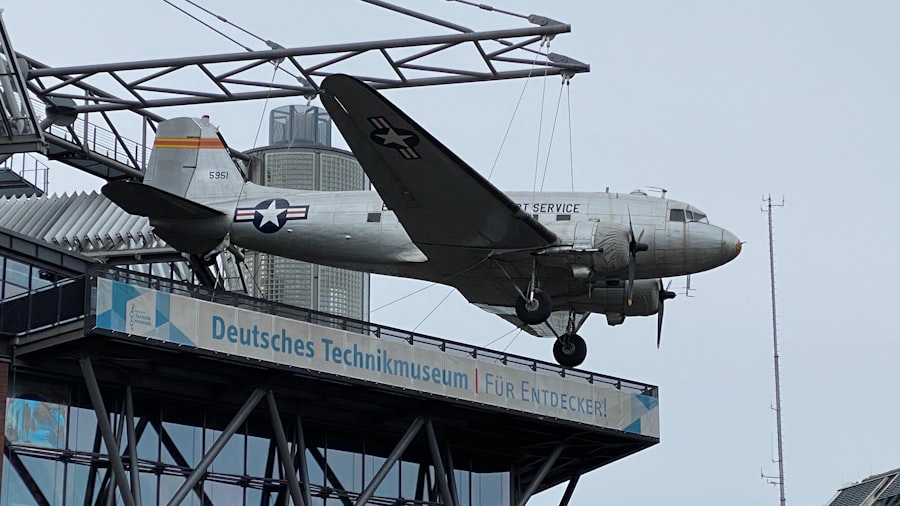
The Berlin Airlift was a masterclass in aerial logistics. A constant stream of aircraft, from American Douglas C-47 Skytrains and C-54 Skymasters to British Dakotas and Yorks, ferried supplies into West Berlin. The operation was meticulously planned and executed. Aircraft flew in tightly controlled corridors, often just minutes apart, to maximize efficiency and minimize the risk of collision.
The process was a finely tuned symphony of aviation. Pilots were trained to fly in challenging weather conditions and to execute precise landings and takeoffs. Ground crews worked tirelessly to unload aircraft as quickly as possible, often in the dark and under extreme weather. The return journeys of the planes were just as critical, as they brought back vital empty containers and, in some cases, ill or injured civilians. The sheer volume of aircraft in the air and on the ground was a constant testament to the scale of the operation. At its peak, aircraft were landing and taking off in West Berlin every few minutes.
The Human Element: Courage and Ingenuity
Beyond the machines and the logistics, the Berlin Airlift was a deeply human endeavor. The pilots and crews who flew these dangerous missions displayed extraordinary courage. They faced the constant threat of Soviet interference, the dangers of flying in bad weather, and the immense pressure of knowing that the survival of millions depended on their success. Many pilots flew multiple missions a day, pushing themselves to their physical and mental limits.
The ingenuity of the aircrews and ground personnel was also remarkable. They developed new techniques for loading and unloading, improved communication systems, and found creative solutions to overcome obstacles. One of the most iconic images of the airlift, and a powerful symbol of the human connection it fostered, was that of Gail Halvorsen, an American pilot who began dropping small parachutes carrying candy for the children of Berlin. This act of kindness quickly spread, and soon, many pilots were dropping treats, earning the airlift pilots the affectionate nicknames of “Candy Bombers” and the aircraft the moniker “Raisin Bombers” due to the dried fruit often included in the packages. These small gestures, while seemingly minor, had an immeasurable impact on the morale of the West Berliners, particularly the children, who saw them as tangible signs of hope and support.
The Daily Grind: Sustaining a City Through the Sky

The success of the Berlin Airlift was not a single, triumphant moment but a relentless, day-in-day-out grind. For nearly a year, the skies over Berlin were a constant highway of Allied aircraft, bringing in an astonishing variety and quantity of essential goods. The operation demanded an unwavering commitment to sustain the flow of life into a city on the brink.
Quantifying the Implausibility: Tonnage and Destinations
The sheer scale of the operation is almost impossible to comprehend. At its height, the airlift was delivering an average of over 4,500 tons of supplies per day. Over the course of the blockade, an estimated 2.3 million tons of cargo were delivered. This included everything from potatoes and flour to coal for heating and electricity, medical supplies, and even spare parts for the city’s infrastructure.
The primary destinations for these vital supplies were the three major airfields: Tempelhof, Gatow, and Tegel. Tempelhof, located in the American sector, was the busiest and most iconic, a symbol of the airlift’s success. Gatow, in the British sector, also played a crucial role, as did Tegel, which was rapidly constructed by the French to increase capacity. The efficient distribution of these goods once they landed was another critical component, ensuring that they reached the hands of the people who needed them most.
The “Corridors of Hope”: Navigating the Skies
The airspace above Germany was a carefully managed environment. Three air corridors, each approximately 20 miles wide, were designated for Allied aircraft flying into and out of West Berlin. These corridors were strictly controlled by the Western Allies, with Soviet aircraft generally prohibited from entering them. This controlled access was essential for maintaining the safety and efficiency of the airlift, preventing potential collisions and Soviet interference.
The constant inbound and outbound traffic created a complex aerial ballet. Aircraft were scheduled with precise timing, with landings and takeoffs occurring at incredibly short intervals. Pilots had to adhere to strict altitude and speed regulations, navigating through often crowded airspace. The constant drone of aircraft engines became a familiar, and often comforting, sound for the residents of West Berlin.
Beyond Food and Fuel: The Importance of Every Item
While food and coal were the most visible and essential commodities, the airlift delivered a surprisingly diverse range of goods. Medical supplies, including antibiotics and surgical equipment, were vital for maintaining the health of the population. Raw materials for industries were flown in to keep some factories operational, providing a sense of continued economic activity and hope. Even items like newsprint were essential to keep the West Berliners informed and connected to the outside world.
The logistical challenge extended to the smaller, but equally important, items. The delivery of spare parts for the city’s power plants and transportation systems was crucial for maintaining essential services. The airlift demonstrated that even seemingly minor supplies could have a significant impact on the overall functioning of a city under siege.
The Impact on Berlin: A City United in Resilience
The Berlin Airlift was not merely a logistical feat; it was a profound testament to the resilience and spirit of the West Berliners themselves. Facing starvation and immense pressure from the Soviets, they responded with remarkable fortitude, forging an even deeper bond with the Western Allies and with each other.
The Spirit of “Wir sind Frei”: A Defiance of Oppression
The people of West Berlin understood the symbolic importance of their city. They were acutely aware that their defiance against Soviet pressure was a stand for freedom and democracy for all of Europe. This awareness fostered a profound sense of unity and determination. Despite the hardships, including rationing, cold apartments, and the constant threat of Soviet aggression, the West Berliners remained steadfast.
The slogan “Wir sind Frei” (We are Free) became a powerful expression of their spirit. They organized themselves, supported each other, and demonstrated an unwavering commitment to their democratic way of life. This collective spirit was instrumental in sustaining the city through the long months of the airlift.
A Symbol of Western Resolve: Solidifying Alliances
For the Western Allies, the successful execution of the Berlin Airlift became a powerful symbol of their commitment to freedom and their willingness to stand against Soviet expansionism. It solidified the transatlantic alliance and demonstrated the capability of the Western powers to act decisively in the face of aggression. The airlift not only saved Berlin but also significantly boosted the morale and confidence of Western Europe, demonstrating that the Soviet Union was not invincible.
The operation also served to highlight the stark contrast between the democratic West and the communist East. The generosity and ingenuity displayed by the Allies in supplying West Berlin stood in stark opposition to the Soviet Union’s attempt to starve the city into submission.
The Enduring Legacy: A Beacon of Hope
The Berlin Airlift left an indelible mark on the city and on global history. It fostered a deep and lasting gratitude among West Berliners towards the Allied nations, particularly the United States and Great Britain. The memory of the “Candy Bombers” and the constant hum of aircraft engines became ingrained in the city’s identity.
The airlift also served as a crucial stepping stone in the development of NATO. The shared experience and the realization of the need for collective security in the face of Soviet threats were instrumental in the formation of the North Atlantic Treaty Organization in 1949. The crisis in Berlin catalyzed a unified Western defense strategy.
The Berlin Airlift was a significant operation during the Cold War, showcasing the determination of the Western Allies to support West Berlin amid a Soviet blockade. For a deeper understanding of the geopolitical implications and the logistical challenges faced during this operation, you can explore a related article that delves into the strategic decisions made by the Allied forces. This insightful piece can be found here, offering a comprehensive overview of the airlift’s impact on international relations at the time.
The End of the Blockade and the Dawn of a New Era
| Metrics | Details |
|---|---|
| Duration | June 24, 1948 – May 12, 1949 |
| Number of flights | Over 277,000 flights |
| Tonnage of supplies | Over 2.3 million tons |
| Number of people airlifted | Over 2 million people |
| Number of aircraft involved | Over 300 aircraft |
The relentless pressure of the Berlin Airlift, coupled with the unwavering resolve of the Western Allies, eventually forced the Soviet Union to reassess its strategy. The blockade, while causing hardship, was not achieving its intended objective of expelling the Western Allies from Berlin. Instead, it was proving to be a costly and embarrassing failure for the Soviets, generating international condemnation and solidifying Western resolve.
Soviet Capitulation: The Lifting of the Blockade
After 15 months of relentless aerial supply, the Soviet Union finally relented. On May 12, 1949, the blockade was officially lifted. The announcement was met with widespread jubilation in West Berlin and across the Western world. The skies, which had been filled with the constant drone of aircraft, began to quieten, but the echoes of the airlift’s success resonated for generations.
The decision to lift the blockade was a clear indication that the Soviet gamble had failed. The Western Allies had demonstrated their commitment to West Berlin and their ability to overcome seemingly insurmountable logistical challenges. The blockade’s failure was a significant propaganda victory for the West and a blow to Soviet prestige.
The Consolidation of Two Germanys
The Berlin Blockade and Airlift had profound and lasting consequences for the future of Germany. The crisis starkly illuminated the irreconcilable differences between the Soviet Union and the Western Allies. It effectively cemented the division of Germany into two distinct states. In May 1949, shortly before the blockade was lifted, the Federal Republic of Germany (FRG), or West Germany, was formally established in the Western zones. In October 1949, the German Democratic Republic (GDR), or East Germany, was founded in the Soviet zone. Berlin itself remained a divided city, a microcosm of the larger geopolitical divide.
The Long Shadow of the Cold War
The Berlin Airlift was a pivotal moment in the early years of the Cold War. It marked a significant escalation of tensions but also demonstrated the effectiveness of non-military deterrence and logistical prowess. The operation showcased the commitment of the Western Allies to containing the spread of communism and set a precedent for future confrontations. The memory of the airlift served as a constant reminder of the fragility of peace and the enduring struggle for freedom in a world divided by ideology. The operation’s success bolstered Western confidence and laid the groundwork for the formation of NATO, a cornerstone of Western defense for decades to come. The skies above Berlin, once a scene of desperate necessity, became a symbol of hope, resilience, and the unwavering spirit of human ingenuity in the face of oppression.

How 90 Seconds Kept 2 Million People Alive
FAQs
What was the Berlin Airlift operation?
The Berlin Airlift operation was a massive humanitarian effort to supply the citizens of West Berlin with food, fuel, and other necessities after the Soviet Union blockaded the city in 1948.
Why did the Soviet Union blockade West Berlin?
The Soviet Union blockaded West Berlin in an attempt to force the Western Allies to abandon the city and give up their control over West Germany.
How long did the Berlin Airlift operation last?
The Berlin Airlift operation lasted for 11 months, from June 1948 to May 1949.
What was the significance of the Berlin Airlift operation?
The Berlin Airlift operation was significant because it demonstrated the resolve of the Western Allies to support West Berlin and thwart Soviet aggression. It also marked a turning point in the Cold War.
How many flights were made during the Berlin Airlift operation?
During the Berlin Airlift operation, over 200,000 flights were made to deliver approximately 2.3 million tons of supplies to West Berlin.