In the intricate tapestry of modern technology, certain elements, though often unseen, play a crucial and indispensable role. These are the rare earth elements (REEs), a group of seventeen metallic chemical elements with unique magnetic, luminescent, and electric properties. From the magnets in electric vehicle motors and wind turbines to the phosphors in smartphone screens and advanced weaponry, REEs are the silent enablers of the 21st century. For decades, one nation has quietly, yet decisively, consolidated its control over this vital sector: China. This dominance is not merely a matter of resource abundance; it is a carefully cultivated strategic position built on decades of investment, policy, and a proactive approach to market shaping. The implications of this concentrated power are far-reaching, impacting global supply chains, geopolitical dynamics, and the economic competitiveness of nations worldwide.
A History of Strategic Acquisition and Consolidation
China’s rise to preeminence in the rare earth industry is a story that unfolds over several decades, marked by a deliberate and strategic approach that has outmaneuvered many of its global competitors. While REEs are found in various geological deposits across the globe, China possessed a combination of rich, commercially viable deposits and the foresight to aggressively develop and dominate the extraction and processing of these critical minerals.
Early Exploration and Resource Endowment
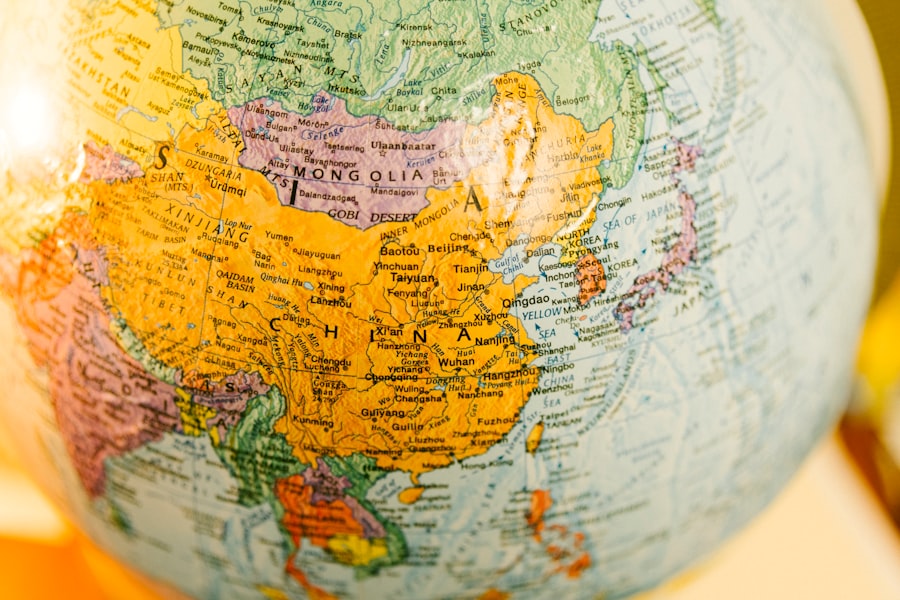
The discovery of significant rare earth deposits in China, particularly in the Bayan Obo mine in Inner Mongolia, proved to be a pivotal moment. This vast deposit, in addition to its substantial rare earth reserves, also contains significant quantities of iron ore and niobium, making its development economically attractive.
The Bayan Obo Revelation
The sheer scale of the Bayan Obo deposit provided China with an unparalleled raw material advantage. Unlike many other countries where rare earth deposits might be smaller or more dispersed, Bayan Obo offered a concentrated and easily accessible source of a wide spectrum of REEs. This inherent geological fortune laid the groundwork for future dominance.
Other Significant Chinese Deposits
Beyond Bayan Obo, China continued to discover and develop other significant rare earth deposits, further solidifying its resource advantage. This systematic exploration and exploitation ensured a consistent and growing supply of raw materials to fuel its burgeoning processing capabilities.
The Role of Government Policy and Investment
Crucially, China’s ascent was not solely driven by natural endowments. The Chinese government recognized the strategic importance of rare earths early on and implemented policies designed to foster domestic production and processing, often at the expense of international competition.
State-Owned Enterprises and Directed Investment
State-owned enterprises (SOEs) played a central role in the development of China’s rare earth sector. These entities received significant government funding and support, enabling them to invest heavily in exploration, mining, and, importantly, the complex and environmentally challenging processing of rare earth oxides into usable materials.
Subsidies and Export Controls
Historically, China employed various policies to bolster its domestic industry. This included substantial subsidies for mining and processing operations, which made Chinese rare earths artificially cheaper on the global market. Furthermore, at various points, China implemented export quotas and restrictions, effectively dictating the supply available to international markets and further incentivizing downstream manufacturers to set up operations within China.
China’s rapid development of the rare earth industry has been a significant factor in its rise as a global economic powerhouse. For a deeper understanding of this topic, you can explore the article titled “China’s Rare Earth Industry: A Strategic Asset” on In The War Room, which delves into the strategies and policies that have enabled China to dominate the rare earth market. This insightful piece provides context on the geopolitical implications and the future of rare earth elements in global trade. For more information, visit In The War Room.
The Manufacturing Ecosystem: From Mine to Magnet
China’s dominance extends far beyond the initial extraction of rare earth ores. The nation has meticulously built and nurtured a complete industrial ecosystem, encompassing the complex and often environmentally sensitive processes required to transform raw ore into high-purity rare earth oxides, metals, and ultimately, the finished products that utilize them. This integrated approach provides significant advantages in terms of cost, efficiency, and control.
Rare Earth Processing: A Technical and Environmental Hurdle
The separation and purification of individual rare earth elements from mixed ore is a technologically demanding and chemically intensive process. It requires specialized expertise, significant capital investment, and careful management of hazardous waste.
The Separation of Individual REEs
Rare earth elements are chemically very similar, making their separation a complex undertaking. China’s early investment in this challenging aspect of the rare earth value chain gave it a distinct advantage. While other countries primarily exported concentrated ore, China developed the capacity to produce individual high-purity rare earth oxides.
Environmental Challenges and Mitigation
The processing of rare earths, particularly through leaching and solvent extraction, can generate significant volumes of acidic wastewater and radioactive byproducts if not managed properly. China’s early environmental regulations were less stringent than those in many Western countries, allowing for lower production costs. While there have been increasing efforts to improve environmental standards, historical laxity contributed to its initial cost competitiveness.
Downstream Manufacturing: Capturing Value
Recognizing that the true economic value of rare earths lies in their application in high-tech products, China has aggressively fostered downstream manufacturing capabilities. This strategic move ensures that the nation captures a greater share of the global value chain, from the production of magnets to the assembly of electronics and automobiles.
Rare Earth Magnets: The Heart of Many Technologies
The development and production of high-performance rare earth magnets, particularly neodymium-iron-boron (NdFeB) magnets, is a critical component of China’s dominance. These magnets are essential for electric vehicle motors, wind turbine generators, and a wide array of consumer electronics. China’s control over both the raw materials and the magnet manufacturing capacity makes it the indispensable supplier for these rapidly growing industries.
Integration into Electronics and Automotive Sectors
Beyond magnets, China’s rare earth dominance is deeply intertwined with its burgeoning electronics and automotive manufacturing sectors. The country has become the global hub for producing smartphones, laptops, and increasingly, electric vehicles, all of which rely heavily on rare earth elements. This integration creates a captive market for its domestically produced rare earths, further reinforcing its position.
The Geopolitical Landscape: Strategic Leverage and Global Dependency
China’s near-monopoly in the rare earth market has transformed these seemingly obscure elements into significant geopolitical tools. The nation’s ability to control supply chains has become a source of leverage in international relations, raising concerns about global economic security and the potential for supply disruptions.
Supply Chain Vulnerabilities and National Security
The concentration of rare earth processing and supply in China exposes global manufacturing sectors to significant vulnerabilities. Any disruption, whether due to trade disputes, domestic policy changes, or environmental crackdowns, can have immediate and cascading effects on industries worldwide, impacting everything from defense capabilities to the production of everyday consumer goods.
Defense Applications and Military Readiness
Rare earth elements are critical components in advanced military technologies, including radar systems, missile guidance, jet engines, and electronic warfare systems. The reliance of Western militaries on China for these critical materials raises significant national security concerns. The potential for China to restrict or weaponize its rare earth exports in times of conflict is a persistent worry.
Economic Stability and Technological Innovation
The widespread use of rare earths in green technologies, such as wind turbines and electric vehicles, means that national aspirations for energy independence and economic competitiveness are directly linked to access to these minerals. Disruptions to rare earth supply can therefore hinder a nation’s ability to transition to a cleaner economy and maintain its technological edge.
Trade Disputes and Diplomatic Maneuvers
China has, in the past, demonstrated its willingness to use its rare earth advantage as a diplomatic tool. Notable examples include export restrictions imposed in 2010 during a territorial dispute with Japan, which led to significant price hikes and a global scramble for alternative supplies. Such actions underscore the strategic importance of these elements in international negotiations.
The 2010 Export Quota Incident
The decision by China in 2010 to drastically cut rare earth export quotas sent shockwaves through global markets. Prices for key rare earths such as neodymium and dysprosium surged, prompting widespread concern and a renewed focus on diversifying supply chains. This event served as a stark warning of the risks associated with over-reliance on a single supplier.
Leveraging REEs in Trade Negotiations
The threat of rare earth supply disruptions can be a powerful negotiating tactic in broader trade discussions. Nations dependent on Chinese rare earths may feel compelled to make concessions in other areas to secure a stable supply of these critical minerals, granting China significant leverage.
Diversification Efforts: A Global Race Against Time
In response to the inherent risks of China’s dominance, nations around the world are increasingly prioritizing efforts to diversify their rare earth supply chains. This involves exploring new mining opportunities, developing advanced processing technologies, and fostering international collaboration. However, these endeavors are complex and face considerable challenges.
Re-establishing Domestic Production
Many countries that once had domestic rare earth mining and processing capabilities have seen them dwindle due to economic pressures and Chinese competition. There is now a concerted push to re-establish these capabilities, requiring significant investment and overcoming past disadvantages.
Challenges in Resuming Mining Operations
Resuming mining operations, especially in countries where environmental regulations are now stricter, presents significant hurdles. The capital investment required for new mines, coupled with the lengthy permitting processes and potential community opposition, can make it difficult to compete with established Chinese operations.
Developing Processing Infrastructure
Beyond extraction, the development of independent rare earth processing facilities is a critical bottleneck. Building the necessary infrastructure for separation and purification requires specialized expertise and substantial financial commitment, areas where China has decades of accumulated experience and infrastructure.
Technological Innovation and Recycling Initiatives
Beyond traditional mining, innovation in rare earth recovery and recycling is gaining traction. advancements in extraction techniques and the development of efficient recycling processes for existing products could offer alternative pathways to reduce dependence on primary extraction.
Advanced Extraction and Separation Technologies
Research and development into novel extraction and separation methods that are more environmentally friendly and cost-effective are underway. These could potentially unlock deposits that were previously uneconomical to exploit and offer alternatives to current processing methods, reducing reliance on China’s established expertise.
The Promise and Peril of Rare Earth Recycling
Recycling old electronics, magnets, and batteries offers a potential source of rare earth elements. However, the economics and scalability of these recycling processes are still developing. While promising, it is unlikely to fully replace the need for primary production in the near future, especially given the increasing demand for new technologies.
China’s rapid development of the rare earth industry has been a significant factor in its economic growth and technological advancement. The country has strategically invested in mining and processing capabilities, positioning itself as a dominant player in the global market. For a deeper understanding of the complexities and implications of this industry, you can read a related article that explores the geopolitical ramifications and the environmental challenges associated with rare earth mining. This insightful piece can be found here.
The Future of Rare Earths: A Balancing Act of Strategy and Sustainability
The global rare earth industry stands at a critical juncture. China’s entrenched dominance presents both challenges and opportunities for the rest of the world. Navigating this complex landscape requires a multifaceted approach that balances national security interests with economic realities and environmental sustainability.
The Economic Imperative vs. Geopolitical Security
The immediate economic attractiveness of relying on China’s established, cost-effective supply chain often clashes with the long-term imperative of ensuring geopolitical security and supply chain resilience. Decisions made today will have profound implications for the economic and technological trajectories of nations for decades to come.
Balancing Cost and Control
The drive to secure rare earth supplies necessitates a careful balancing act. While Western nations aim to build their own diverse supply chains, the cost of doing so remains a significant factor. The question is how much premium stakeholders are willing to pay for security of supply versus the immediate cost savings offered by Chinese producers.
The Long-Term Vision for Supply Chain Resilience
Ultimately, the goal for many nations is to achieve a more balanced and resilient global rare earth supply chain. This involves not only increasing non-Chinese production but also fostering innovation, encouraging responsible sourcing, and potentially collaborating with friendly nations to secure critical mineral access.
The Call for International Cooperation and Responsible Sourcing
Addressing the challenges posed by China’s rare earth dominance cannot be solved by individual nations acting in isolation. Greater international cooperation, transparent trade practices, and a commitment to responsible and sustainable sourcing are crucial for building a more equitable and secure global market.
Collaborative Research and Development
Joint investments in research and development for rare earth extraction, processing, and recycling technologies could accelerate progress and reduce duplication of effort. Sharing knowledge and expertise across borders will be vital in overcoming the technical hurdles.
Establishing Global Standards for Responsible Mining
As efforts to diversify supply increase, it is imperative to establish and enforce global standards for responsible rare earth mining and processing. This includes addressing environmental impact, labor rights, and community engagement to ensure that new supply chains are both reliable and ethical. The future of rare earth utilization, as integral as it is to our technological advancement, hinges on a global understanding of its strategic importance and a collective effort to ensure its equitable and sustainable accessibility.

China’s Invisible Chokehold on Modern Weapons
FAQs
What are rare earth elements?
Rare earth elements are a group of 17 chemical elements in the periodic table, including scandium, yttrium, and the 15 lanthanides. They are essential for the production of various high-tech products such as smartphones, electric vehicles, and wind turbines.
How did China become the dominant player in the rare earth industry?
China became the dominant player in the rare earth industry due to its abundant reserves of rare earth elements and its low production costs. The Chinese government also heavily invested in the industry, leading to a significant increase in production capacity.
What are the implications of China’s dominance in the rare earth industry?
China’s dominance in the rare earth industry has raised concerns about supply chain security for other countries, as they heavily rely on China for rare earth elements. This has led to efforts to diversify rare earth supply chains and reduce dependence on China.
What are the environmental impacts of rare earth mining and processing in China?
Rare earth mining and processing in China have led to significant environmental impacts, including water and soil pollution, as well as radioactive waste. The Chinese government has implemented stricter regulations to address these environmental concerns.
What is the future outlook for the rare earth industry?
The future outlook for the rare earth industry involves efforts to develop alternative sources of rare earth elements outside of China, as well as advancements in recycling and sustainable mining practices. This is aimed at reducing reliance on China and mitigating environmental impacts.