The Red Tide and the Rising Sun: Soviet Fascination with Japanese Submarine Prowess
The Soviet Union, a nation forged in revolution and perpetually engaged in a strategic dance with its global rivals, harbored a peculiar and persistent fascination with the submarine technology of Imperial Japan. This interest was not born of admiration for their adversary’s naval might during the Second World War, though that certainly played a role, but rather stemmed from a pragmatic desire to understand, and ultimately acquire, advanced undersea capabilities. From the earliest days of submarine development, the Soviets saw the potential of this silent, unseen weapon, and when it came to innovation and tactical deployment, Japan emerged as a formidable contender whose technological advancements warranted close scrutiny. This article will delve into the multifaceted Soviet interest in Japanese submarine technology, exploring the historical context, the specific areas of focus, the methods of intelligence gathering, and the lasting impact of this pursuit on Soviet naval doctrine and development.
Early Cold War Undercurrents and the Shadow of Pearl Harbor
The conclusion of the Second World War did not usher in an era of global peace but rather the dawn of the Cold War. The ideological chasm between the Soviet Union and the United States, and by extension their respective allies, created a climate of intense military competition. Within this new geopolitical landscape, the submarine transitioned from a potent wartime weapon to a cornerstone of strategic deterrence and power projection. For the Soviet Union, which possessed a vast coastline and a deep-seated strategic vulnerability to naval blockade, mastering submarine technology was paramount.
The Strategic Imperative of Undersea Warfare
The strategic imperative for the Soviet Union to develop a formidable submarine force was multifaceted. Firstly, submarines offered a means to counter the perceived superiority of the US Navy, particularly its carrier battle groups. A well-deployed submarine force could threaten these valuable assets, forcing the US to divert significant resources to anti-submarine warfare (ASW). Secondly, submarines, particularly those equipped with ballistic missiles, provided a survivable second-strike capability, a crucial element in deterring a nuclear attack. The immense distances and deep waters of the Pacific Ocean, bordering both the Soviet Far East and Japan, made submarine operations a natural and critical component of Soviet naval strategy in the region.
The Ghost of the I-Boat and Lessons from the Pacific Theater
While the Soviet Union possessed its own nascent submarine programs before and during the war, the performance of the Imperial Japanese Navy’s submarines, often referred to as I-boats, left an indelible impression. Despite their ultimate defeat, Japanese submarines demonstrated a remarkable degree of innovation and operational effectiveness in the early years of the Pacific War. Their ability to conduct long-range patrols, engage in commerce raiding, and even launch aerial reconnaissance and attacks (as seen with the midget submarines at Pearl Harbor and the floatplane-equipped I-400 series) showcased a level of sophistication that the Soviets closely studied. The capture of Japanese naval documents, blueprints, and even intact submarines after the war provided a treasure trove of technical data and operational insights. The Soviets were particularly interested in the innovative designs, the advanced torpedo technology, and the operational doctrines that allowed Japanese submarines to operate so effectively in the vastness of the Pacific. The lessons learned from the successes and failures of the I-boats directly informed Soviet submarine design and operational planning for decades to come.
During the Cold War, the Soviet Union was keenly interested in acquiring advanced military technologies, including Japanese submarine technology, to enhance its naval capabilities. This pursuit was part of a broader strategy to strengthen its position in the Pacific and counter Western naval forces. For more insights into the intricate dynamics of military technology acquisition during this period, you can read a related article at this link.
Decoding Japanese Naval Ingenuity: Key Technological Focus Areas
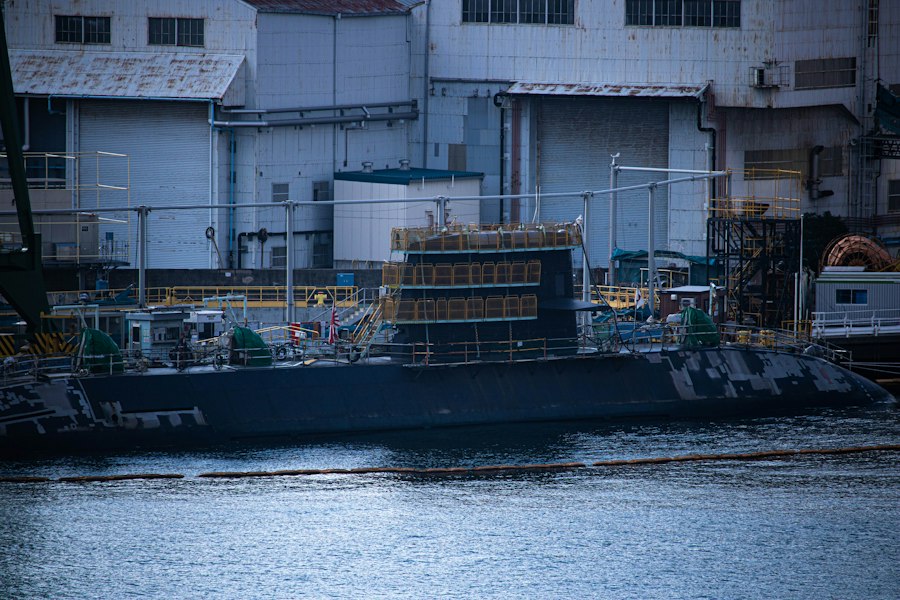
The Soviet Union’s interest in Japanese submarine technology was not a monolithic pursuit. Instead, it was a focused and analytical endeavor, zeroing in on specific areas where Japanese engineers and naval architects had demonstrated particular brilliance. This meticulous approach allowed the Soviets to extract the most valuable lessons and incorporate them into their own burgeoning submarine programs.
Submersible Aircraft Carriers: The I-400 Class and Beyond
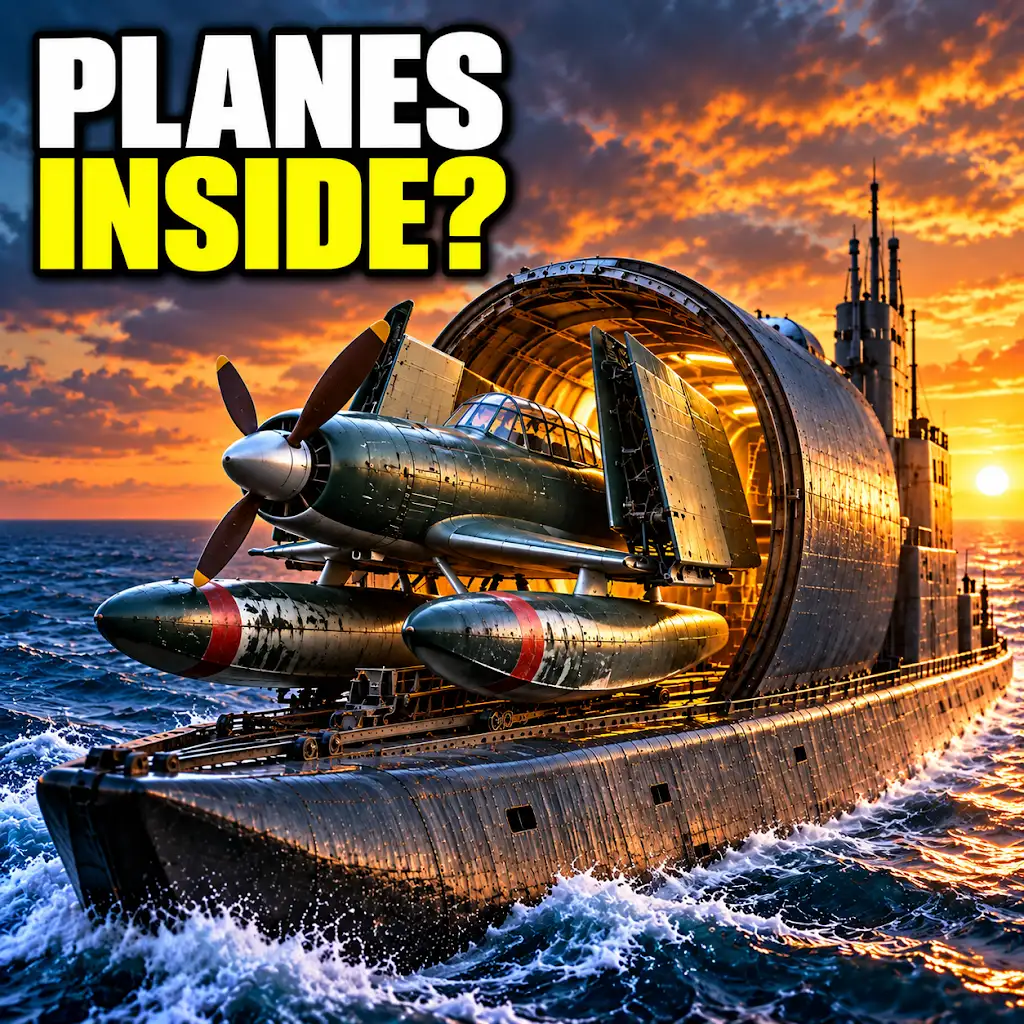
Perhaps the most audacious and technologically significant Japanese submarine development that captured Soviet attention was the I-400 class, also known as the “typhoon” class. These colossal submarines were designed to carry three seaplanes, capable of launching attacks on American cities or naval bases. The sheer concept of a submersible aircraft carrier was groundbreaking and represented a significant leap in naval engineering. The Soviets were fascinated by the ingenious mechanisms for launching and recovering the aircraft, the pressure-resistant hull designed to accommodate the aircraft’s wingspan, and the overall logistical and engineering challenges overcome. While the Soviets did not replicate this exact design, the knowledge gained about high-pressure hull construction, complex internal handling systems, and the integration of aviation within a submarine hull undoubtedly influenced their own thinking on carrier-based operations and advanced submersible designs. The potential for launching reconnaissance aircraft or even specialized attack drones from submarines was a concept that resonated deeply with Soviet military planners.
Advanced Torpedo Systems and Launching Mechanisms
The effectiveness of a submarine often hinges on its offensive armament, and Japanese torpedoes were among the best in the world during World War II. The Soviets paid close attention to the design and performance of Japanese torpedoes, particularly their advanced variants. This included studying their propulsion systems (steam, electric), their guidance mechanisms (including early forms of acoustic homing), their warhead designs, and their firing systems. The ability of Japanese torpedoes to achieve high speeds and long ranges was a benchmark that Soviet engineers sought to emulate and surpass. Furthermore, the Soviets were interested in the methods of torpedo tube design, the reloading mechanisms, and the overall torpedo handling and firing procedures that allowed for rapid and efficient engagement of targets. This detailed analysis of Japanese torpedo technology contributed directly to the development of more potent and reliable Soviet torpedoes.
Hull Design and Deep Diving Capabilities
The structural integrity of a submarine’s hull is paramount, dictating its operational depth and its ability to withstand the immense pressures of the deep ocean. The Imperial Japanese Navy invested considerable effort in developing robust and efficient hull designs. The Soviets analyzed the construction techniques, the materials used, and the structural reinforcements employed by the Japanese. They were particularly interested in any advancements that allowed for greater diving depths, as this would enable their submarines to operate more covertly and evade detection by enemy ASW forces. The captured submarines and salvaged wreckage provided invaluable data for Soviet naval architects, informing their own decisions on hull construction and material science. The pursuit of greater diving depths became a constant theme in Soviet submarine development, and the lessons learned from Japanese designs were a significant contributing factor.
Intelligence Gathering and Acquisition: The Silent Pursuit
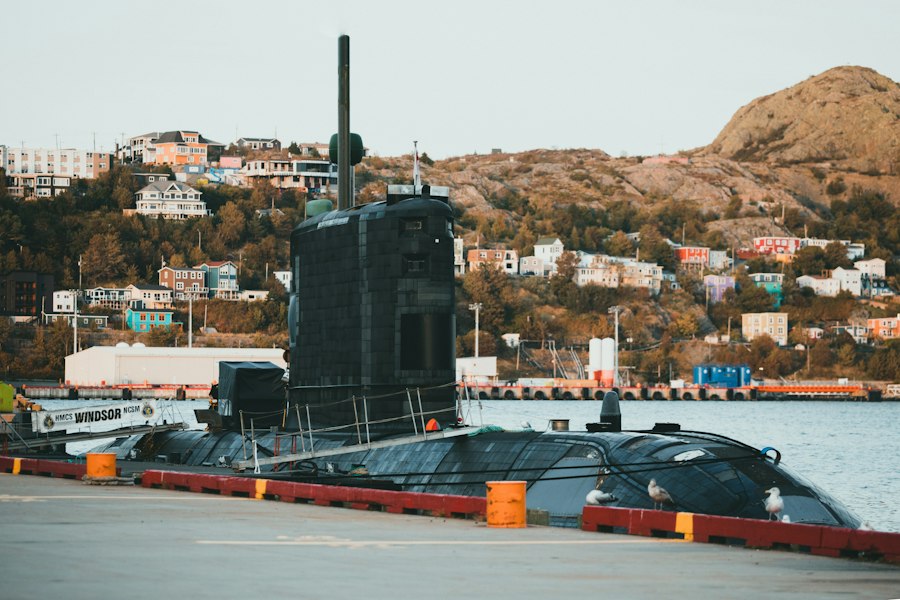
The Soviet Union’s interest in Japanese submarine technology was not merely academic; it was a practical, intelligence-driven endeavor. Acquiring firsthand knowledge, be it through captured materials or direct examination, was the primary objective. This often involved covert operations and meticulous analysis of any information that could be obtained.
Post-War Scrutiny and Captured Assets
The immediate aftermath of World War II presented the Soviet Union with unprecedented opportunities for intelligence gathering. As the Allied powers divided up Japanese naval assets and documentation, the Soviets were diligent in their efforts to secure valuable technological information. Captured Japanese submarines, even those damaged or scuttled, were meticulously examined by Soviet naval engineers and scientists. Blueprints, technical manuals, and operational logs were painstakingly translated and analyzed. This direct access to intact hardware and detailed documentation provided an invaluable foundation for understanding Japanese submarine technology. The Soviets were not just interested in the finished product but also in the underlying design philosophy and the manufacturing processes.
Espionage and Defection: The Human Factor
Beyond the acquisition of physical assets, the Soviet Union also relied on traditional espionage and the exploitation of defectors to gain insights into Japanese naval programs. While direct espionage against a defeated nation like Japan in the post-war era might seem less critical, the lingering presence of Japanese technical expertise and the ongoing development of naval technologies by former Axis powers remained areas of interest. Furthermore, any Japanese naval personnel who might have been in a position to share information, either willingly or under duress, would have been a valuable source for Soviet intelligence agencies. The human element, though perhaps less documented than the technical acquisition, played a crucial role in filling gaps in understanding and providing context to the material evidence.
The Legacy: Influence on Soviet Submarine Development
The Soviet Union’s persistent interest in and study of Japanese submarine technology left an undeniable mark on its own naval capabilities. While the direct lineage of specific designs might be difficult to trace precisely, the influence on technological advancement, operational doctrine, and strategic thinking was significant and far-reaching.
Technological Cross-Pollination and Innovation
The analysis of Japanese submarine designs, particularly their innovative features, spurred innovation within the Soviet Union. While the Soviets often adapted and improved upon foreign designs rather than outright copying them, the foundational concepts and engineering solutions observed in Japanese submarines undoubtedly informed their own research and development. This technological cross-pollination, facilitated by wartime experience and post-war intelligence gathering, helped to accelerate the Soviet Union’s submarine development trajectory. The pursuit of better hull strength, more efficient propulsion, and more potent weaponry was directly influenced by the lessons learned from their former adversary’s technological achievements.
Shaping Soviet Submarine Doctrine and Strategy
Beyond the purely technical, the operational effectiveness and strategic thinking behind Japanese submarine deployment also influenced Soviet naval doctrine. The Japanese emphasis on long-range patrols, surprise attacks, and the use of submarines in conjunction with other naval assets provided valuable case studies. The Soviet Union, facing a similar vast maritime theater in its own Far East, found these operational approaches to be highly relevant. The emphasis on secrecy, stealth, and the psychological impact of unseen underwater threats, so effectively demonstrated by the I-boats, became a core tenet of Soviet submarine doctrine. This led to a greater focus on developing submarines capable of sustained, covert operations, and a strategic understanding of submarines as instruments of both power projection and deterrence.
During the Cold War, the Soviet Union was keenly interested in acquiring advanced military technologies, including Japanese submarine technology, to enhance its naval capabilities. This pursuit was driven by the need to counterbalance Western naval power and to strengthen its own fleet. For a deeper understanding of the geopolitical dynamics surrounding this interest, you can explore a related article that delves into the intricacies of military technology acquisition during this era. For more information, visit this article which provides valuable insights into the strategies employed by the Soviet Union.
A Comparative Analysis: Soviet vs. Japanese Submarine Philosophies
| Metric | Details |
|---|---|
| Time Period | Post-World War II (1945-1960s) |
| Primary Objective | Acquire advanced Japanese submarine technology for Soviet naval enhancement |
| Key Technologies Sought | Air-independent propulsion, hull design, sonar systems, and stealth capabilities |
| Methods Used | Intelligence gathering, reverse engineering captured submarines, espionage |
| Notable Japanese Submarines of Interest | I-400 class (largest WWII submarines), Ko-hyoteki class midget submarines |
| Impact on Soviet Submarine Development | Incorporation of improved hull designs and propulsion systems in later Soviet classes |
| Collaborations | Limited direct collaboration; mostly unilateral Soviet efforts |
| Outcome | Enhanced Soviet submarine capabilities during Cold War era |
While the Soviets admired certain aspects of Japanese submarine technology, it is crucial to understand that their overall naval philosophies and strategic priorities differed. This led to distinct evolutionary paths for their respective submarine forces.
Design Philosophy: From Innovation to Mass Production
Imperial Japan, particularly in the interwar period and early war years, was characterized by a strong drive for innovation and the development of unique, often highly specialized, submarine designs. The I-400 class is a prime example of this, pushing the boundaries of what was considered possible. The Soviet Union, while also capable of innovation, tended to prioritize a more systematic and often mass-produced approach to military hardware. Once a successful design was developed, the focus shifted to efficient production to ensure numerical superiority. This is not to say the Soviets lacked innovative spirit, but their procurement and development cycles often favored proven, reliable designs that could be manufactured in large numbers, a stark contrast to some of Japan’s more experimental endeavors.
Strategic Objectives: Pacific Domination vs. Global Power Projection
The strategic objectives that drove the development of Japanese and Soviet submarines also differed significantly. Imperial Japan’s submarine program was largely focused on dominating the Pacific theater, disrupting Allied supply lines, and projecting power in a regional context. The Soviet Union, on the other hand, viewed submarines as a critical component of its global superpower ambitions. Their submarines were intended to counter the US Navy worldwide, to secure vital sea lanes for their own logistical needs, and, crucially, to provide a survivable nuclear deterrent. This broader, more global strategic outlook informed the types of submarines the Soviets prioritized, leading to a greater emphasis on long-range patrol capabilities, advanced sonar systems, and the integration of nuclear-armed ballistic missiles in later generations of submarines. The Soviet Union sought to build a submarine force that could challenge any naval power, anywhere in the world, a scope far exceeding the initial aims of Japan’s submarine program.